

When Queens’ movie studios become assets, workers become scapegoats.
NICOLAS STERGIOU | nicolas.stergiou@gmail.com
Producer, Social Media Manager, labor Organizer, and Unofficial “Astoria Street Spectator.”
For over 100 years, Astoria has helped make movies, television, and commercials.
Before the giant Hollywood sign even existed in California, movies were already being made here in Queens. Kaufman Astoria Studios has survived the silent film era, the rise of television, New York’s rough years, economic crashes, and wave after wave of changes in the entertainment industry.
And somehow, after surviving all of that, one of New York’s most historic studios now finds itself threatened not by a lack of creativity, but by the kind of financial chaos that seems to swallow everything these days. And that should worry people.
When most people think about movie studios, they might picture celebrities and red carpets. But Kaufman Astoria Studios has always been much more than that. It’s part of the neighborhood’s infrastructure. Entire local economies quietly revolve around these studios — crew members, caterers, carpenters, teamsters, equipment vendors, coffee shops, restaurants, and countless other workers most people never even think about when they watch a movie or TV show.
A functioning studio lot quietly supports thousands of working people whether the average person notices it or not. And I’ve seen that world up close myself.
Years ago, I worked on Sesame Street at Kaufman as a transportation coordinator. Part of my job was helping move the Muppets between Jim Henson’s Workshop and appearances around the city, including the Macy’s Thanksgiving Parade. Yes, that included driving Big Bird around New York — both the giant costume itself and the man inside it. And by the way… you haven’t truly lived until you’ve heard Big Bird screaming curses at Midtown traffic in that iconic voice. (Rest in peace, Caroll Spinney)
I’ve also worked at Silvercup as a Production Assistant. Back then, these studios felt permanent, like institutions that would always be there no matter how much the city changed. You’d walk through the gates half asleep carrying coffee at 6am while crew members smoked cigarettes outside giant rolling garage doors and never really think about whether these places would still exist in twenty years. You’d see posters of old movies and TV shows like Sex and the City and have trouble believing you’re now a part of it.
“And Just Like That”… one day a studio that felt permanent suddenly starts sounding fragile.
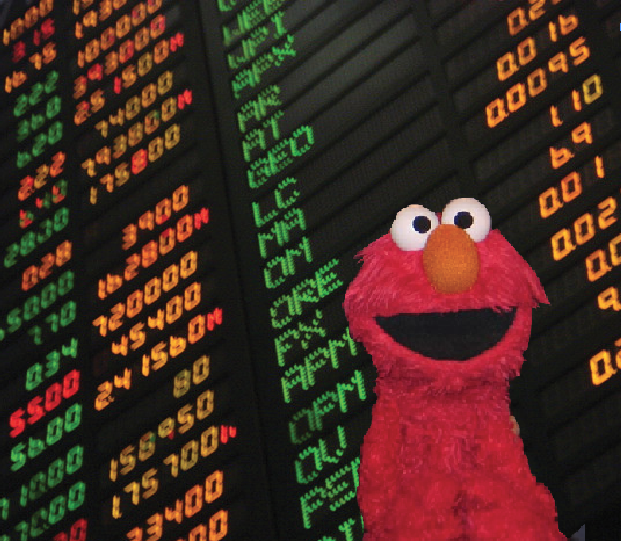
Nowadays, the conversation around studios sounds more like Wall Street than filmmaking—Debt, foreclosure, assets, real estate portfolios.
That’s why the recent financial trouble surrounding Kaufman Astoria Studios feels bigger than just another business story. Deutsche Bank recently moved to foreclose on the property after a partnership connected to Hackman Capital allegedly defaulted on a loan tied to roughly $359 million.
The whole thing feels depressingly familiar: once cultural institutions become financial assets, workers usually absorb the fallout first.
Back in 2021, Hackman Capital – a Los Angeles-based, privately held real estate investment and development company — bought Kaufman Astoria Studios as part of a massive push into studio real estate. At the time, streamers were spending billions and investors treated sound stages like gold mines. But from the crew side, you could feel things changing quickly: more consolidation, higher prices, and studios starting to feel less like cultural institutions and more like portfolio assets.
But there’s an important difference between stewardship and speculation. Once studios are treated like investments, suddenly everything revolves around expansion, refinancing, and debt structures that only work if the market keeps exploding upward forever.
Then reality hits — streaming slows, productions shrink, interest rates go up, and suddenly studios aren’t as full as everybody projected. And suddenly the people who treated filmmaking infrastructure like a giant real estate play started running into problems. Meanwhile, workers are told THEY are the issue. That’s the part that really drives me insane. Every time this industry struggles, the blame somehow rolls downhill immediately:
“Union crews cost too much.” “New York is too expensive.” “Film workers are asking for too much.” “Shoot overseas instead.”
That’s usually the first thing workers hear anytime this industry struggles. Meanwhile, from the crew side, it can feel like the people making the biggest financial decisions often seem better insulated from the fallout than the workers whose jobs disappear when things go sideways.
But almost nobody asks whether maybe turning half the entertainment industry into debt-fueled speculative expansion was ALSO a bad idea. The grips hauling C-stands into trucks at 5am didn’t engineer these financial structures. Yet somehow workers are always the first people asked to make sacrifices.
And hanging over all of this is Sesame Street, which has been shooting at Kaufman since 1992.
If you told people twenty years ago that even Sesame Street was vulnerable, few would have believed it. Sesame Street represented permanence. Craftsmanship. Public good. But public broadcasting has also been hit by major federal funding cuts. That alone says something about where things are heading.
That’s what feels depressing about all of this. Not just the financial instability. But the feeling that every institution eventually gets swallowed by the same cycle: buy it, squeeze it, refinance it, then dump the problem on everyone else. Then the people at the bottom get told to fight each other while the people at the top move onto the next asset.
Astoria has spent generations helping America make movies, television, and culture. It didn’t become part of New York’s filmmaking identity by accident. Generations of crew members, unions, artists, small businesses, and working people built an entire ecosystem here long before private equity and real estate firms saw dollar signs attached to it.
And yes, New York has to remain competitive if it wants productions to keep shooting here. But that can’t just mean racing to the bottom by weakening workers while those at the top continue making risky financial bets. It means investing in the infrastructure, incentives, and workforce that made this industry thrive here in the first place. The question now is whether New York still values the people and places that actually make the culture, or if the land underneath them is worth more.