
Spectrum Awards $80,000 to Four College Students from Queens

By MOHAMED FARGHALY | mfarghaly@queensledger.com

Charter Communications, Inc., which operates the Spectrum brand of connectivity and entertainment services, today announced it has awarded $80,000 in scholarships to four college students from Queens. Each student will receive $20,000 in scholarships and have the opportunity to participate in a two-year educational and professional development program through the Spectrum Scholars initiative.

Each of the rising college juniors selected for the 2024-2025 program will receive a scholarship for their junior and senior years, a Spectrum mentor, access to networking events, career readiness education, and the chance for a paid Spectrum internship. The program is tailored to the development needs of young professionals, empowering them to expand their skill sets, explore new career paths, and grow their networks.

Spectrum received over 930 applications for the Spectrum Scholars program this year. The 2024-2025 class includes 15 students from eight states and various academic majors. With this $300,000 commitment, Spectrum has provided $1 million in scholarships to students with financial need since 2020. 

The 2024 New York City Spectrum Scholars are Jimmy Chen of Flushing, Queens, attending Rensselaer Polytechnic Institute for Computer Science; Brian Lin of East Elmhurst, Queens, attending Cornell University for Business Administration; Zhenbin Lin of Flushing, Queens, attending Stony Brook University for Computer Science; and Chidera Okonkwo of Cambria Heights, Queens, attending the University of California, Los Angeles, for Finance.


Chidera Okonkwo of Cambria Heights

The selection criteria focused on financial need and academic achievement. 

“Spectrum Scholars creates a supportive and educational environment that arms students with the experiences and skills to prepare them for the corporate world while actively guiding them towards their desired career goals,” Paul Marchand, Executive Vice President and Chief Human Resources Officer for Charter said. “Now in its fourth year, the program builds a better talent pipeline and nurtures next generation leaders through meaningful financial support, mentorship and career development.”

The two-year educational and professional development program goes beyond financial support, offering professional growth opportunities through one-on-one mentorship, access to learning and networking events, and the chance to participate in a paid six-week internship with the company. These experiences are designed to ensure the Scholars’ long-term success by equipping them with essential skills and insights needed to thrive in their future careers.

Jimmy Chen expressed that being a Spectrum Scholar means having the chance to be part of a community of driven individuals passionate about technology and innovation. 

“It means having the chance to be a part of a community of driven and talented individuals who are passionate about technology and innovation,” Chen said. “It’s a wonderful opportunity for me to grow, learn, and make meaningful impacts at Spectrum and ultimately, towards the world.”
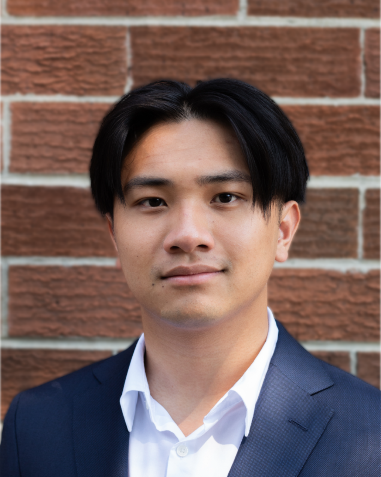

Jimmy Chen of Flushing

Brian Lin echoed this sentiment, stating that being a Spectrum Scholar means being part of a network of like-minded students who can help one another throughout college and beyond, and receiving mentorship now so that he can pay it forward in the future.

“Being Spectrum Scholar means being part of a network of likeminded students that can help one another out throughout college and for the rest of our lives, and receive mentorship now so that I can pay it forward at a larger scale in the future,” Lin said.
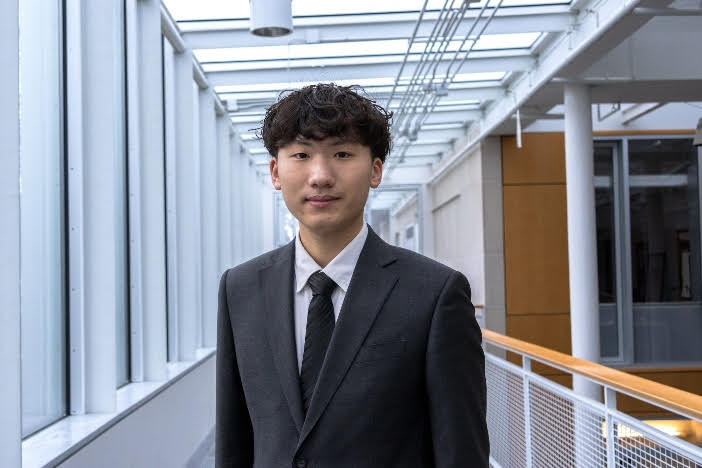

Brian Lin of East Elmhurst

The Spectrum Scholars program also provides unique access to networking and professional development opportunities, including the Scholars Summit, a three-day event hosted at Charter’s corporate headquarters in Stamford. In December, the 2022 and 2023 classes traveled from across the country for the 2023 Scholars Summit, where they participated in networking activities with Charter mentors and attended keynotes and career development sessions on topics like communicating in a corporate environment and exploring different career paths at Charter.

Mentorship plays a crucial role in the Spectrum Scholars program, with volunteer mentors from various business units, including sales, marketing, and field operations across Charter’s service area. These mentors are nominated by their business and human resources leaders and paired with Scholars based on the students’ major and interests.

 Zhenbin Lin highlighted the importance of mentorship. 

“Having a connection with an industry professional at Spectrum means someone I can look up to for personal and professional mentorship,” Lin said. “I’m looking forward to picking the brains of my mentor for not only technical and career advice, but also on navigating the transition between college and the work force.”
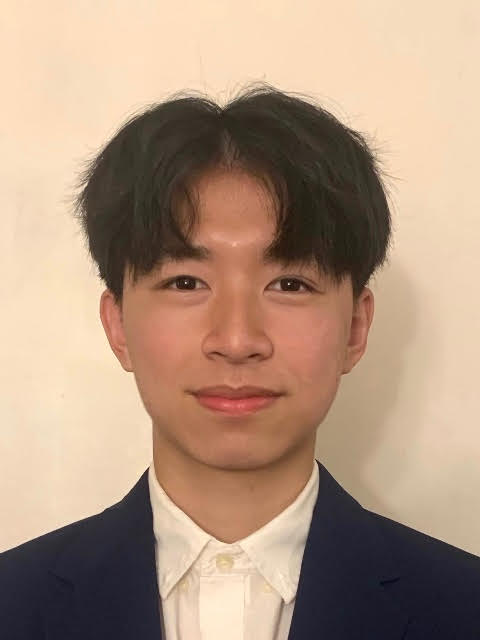

Zhebin Lin

The Spectrum Scholars initiative aims to address the development needs of young professionals by providing comprehensive mentorship, career readiness education, and networking opportunities. Each scholar is paired with a Spectrum mentor, participates in exclusive events with Charter leaders, and gains hands-on experience through paid internships, all designed to equip them with the skills and insights necessary for successful career growth.
Participation in Spectrum Scholars can also open the door to potential Spectrum career opportunities after graduation. Byron Coulter, a Spectrum Scholars alumnus, started a position with Spectrum as an Associate Development Operations Engineer this past May after graduating from Southern Illinois University Edwardsville with a degree in Computer Information Systems.

 “Spectrum Scholars was instrumental in helping to shape my career path, providing not just financial aid but exposure to new career opportunities,” Coulter said. “Initially, I was interested in cybersecurity, but the broad experiences offered by the program redirected me towards data center infrastructure and ultimately, a full-time job offer with the company before I had graduated.”

The benefits of the Spectrum Scholars program extend far beyond financial assistance, offering young professionals the opportunity for professional development and the chance to expand their skill sets, explore new career paths, and grow their networks with a chance for a paid internship with the company.

“Spectrum Scholars is tailored to the development needs of young professionals, providing comprehensive mentorship, career readiness education, and networking opportunities,” Shelley Loo, Spokesperson said. “Each scholar is paired with a Spectrum mentor, participates in exclusive events with Charter leaders, and gains hands-on experience through paid internships, all designed to equip them with the skills and insights necessary for successful career growth.
Six Campaign Volunteers Indicted for 2023 GOP Queens Election for Voter Fraud Scheme

by Marcus Ramos | news@queensledger.com


Six campaign volunteers were indicted on July 25 for voter fraud charges for allegedly submitting counterfeit absentee ballots during the 2023 New York City Council elections. The suspects are being charged for tampering ballot applications for the campaign of Yu-Ching James Pai, who was a Republican candidate in the June 2023 Primary for New York CIty Council District 20.

The defendants of the case are Sydnee Pai (19), who is the daughter of Yu-Ching James Pai; Li Zhen Wan (46); Yee Ping Yam (53); Lisbeth Cheng (24); and Crystal You (20). Each defendant was arraigned before Supreme Court Justice Leigh K. Cheng, with an order to return to court on September 19. A later date is anticipated for the arraignment of a sixth defendant. 

Defendants Pai and Cheng face two counts each of criminal possession of a forged instrument in the second degree; falsifying business records in the first degree; illegal voting; offering a false instrument for filing in the first degree; criminal possession of a forged instrument in the third degree; falsifying business records in the second degree; and offering a false instrument for filing in the second degree.

Defendants Wan, Yam and You are charged with four counts each of criminal possession of a forged instrument in the second degree; falsifying business records in the first degree; illegal voting; offering a false instrument for filing in the first degree; criminal possession of a forged instrument in the third degree; falsifying business records in the second degree; and offering a false instrument for filing in the second degree.

The defendants each face up to a seven year sentence if convicted.

Queens District Attorney Melinda Katz released a statement on the issue.

“Our democracy relies on integrity at the voting booth, and we will not allow that to be compromised in Queens County,” Katz said. “As alleged in this case, the defendants went to the Board of Elections and filed fraudulent absentee ballot applications on behalf of 23 voters they had never met.”

According to the charges, the defendants volunteered for Pai’s City Council Campaign between approximately March 1, and June 27, 2023. The defendants went to the Forest Hills office of the New York City Board of Elections during that period in order to retrieve ballots for voters who allegedly wished to cast absentee ballots in the primary election scheduled for June 2023. When a voter complained that they had been informed they had already cast their ballot when they arrived at their assigned polling station, the Queens District Attorney’s office launched an investigation. After speaking with a number of people whose names and personal details were on the ballot applications, Queens DA investigators learned that the voters had not filled out or signed the application, had never met the defendant designated authorized to pick it up, and had never gotten an absentee ballot. In total, 23 Queens County voters were affected.

Yu-Ching James Pai is currently not believed to be involved in the scheme.

The Things They Carried; A Sculpture Exhibit on in the Open Air in Astoria this Summer Considers How We Got Here and Where We’re Going


Photo Credit: Alexander Bernhardt Bloom


By Alexander Bernhardt Bloom | alex@queensledger.com


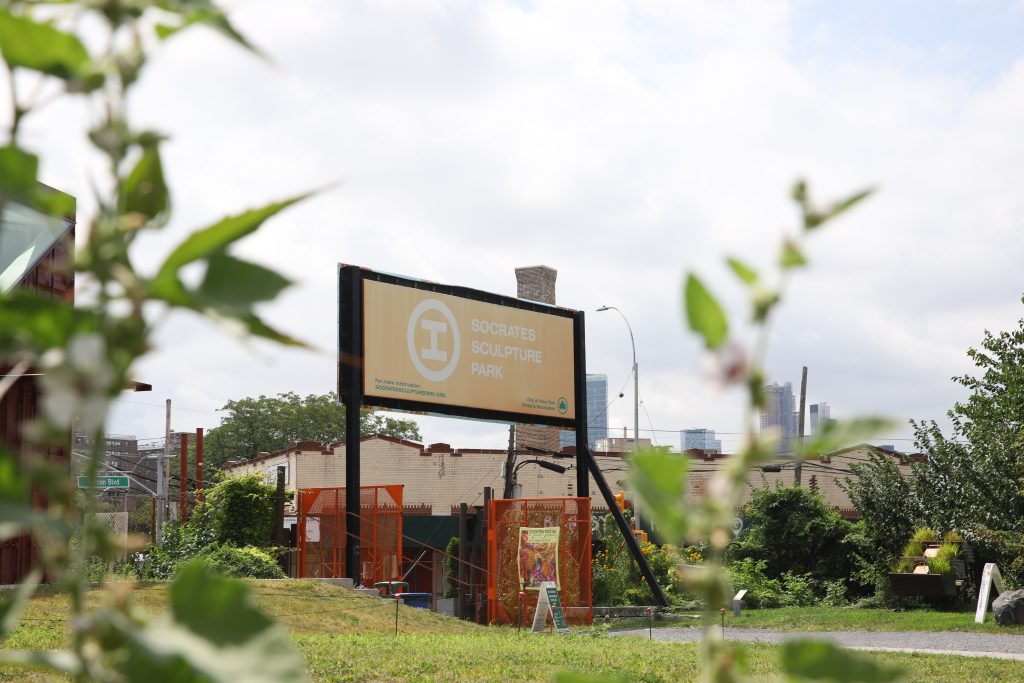
The Socrates Sculpture Park in Astoria, on a scorching midweek afternoon in the mid-summer, has a great deal to offer the casual visitor seeking a brief respite from the afflictions beyond its gates.

Mothers settle into benches there and let their children run in the shaded underbelly of the garden’s cluster of trees. Construction workers take their midday meal. Older men in weathered baseball caps cast fishing lines into the bend of the northern leg of the East River that the garden sits up against.

Others, perhaps less casually, on a scorching midweek afternoon recently, wandered among the elements in the sculpture exposition on view there this summer, engaged in reflection of the sort to recall the memory of the great, Greek thinker for whom the park takes its name.

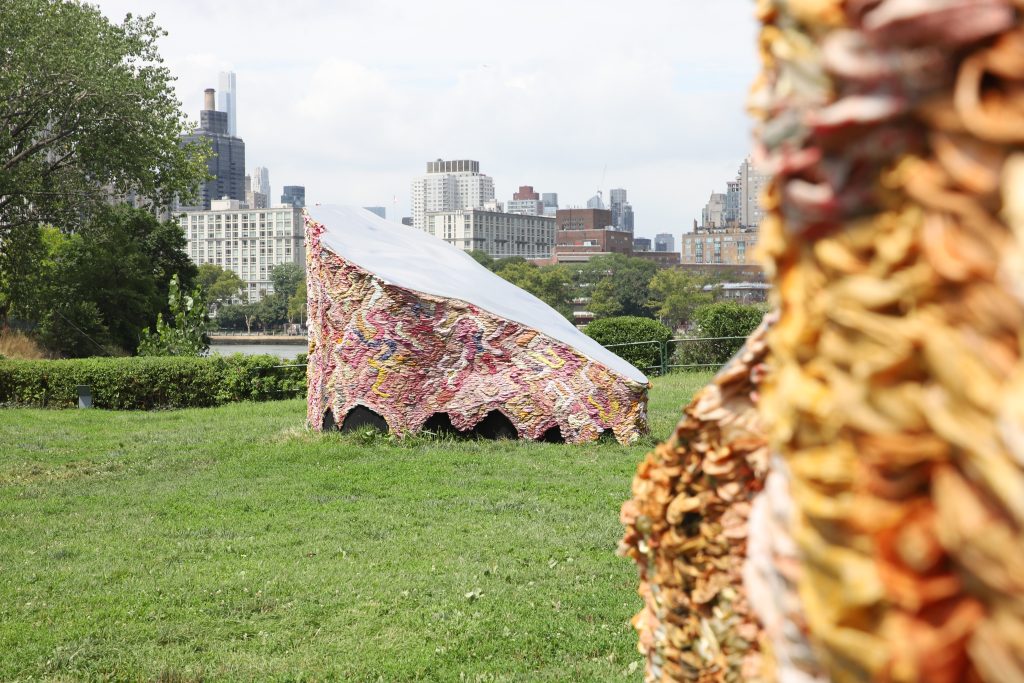
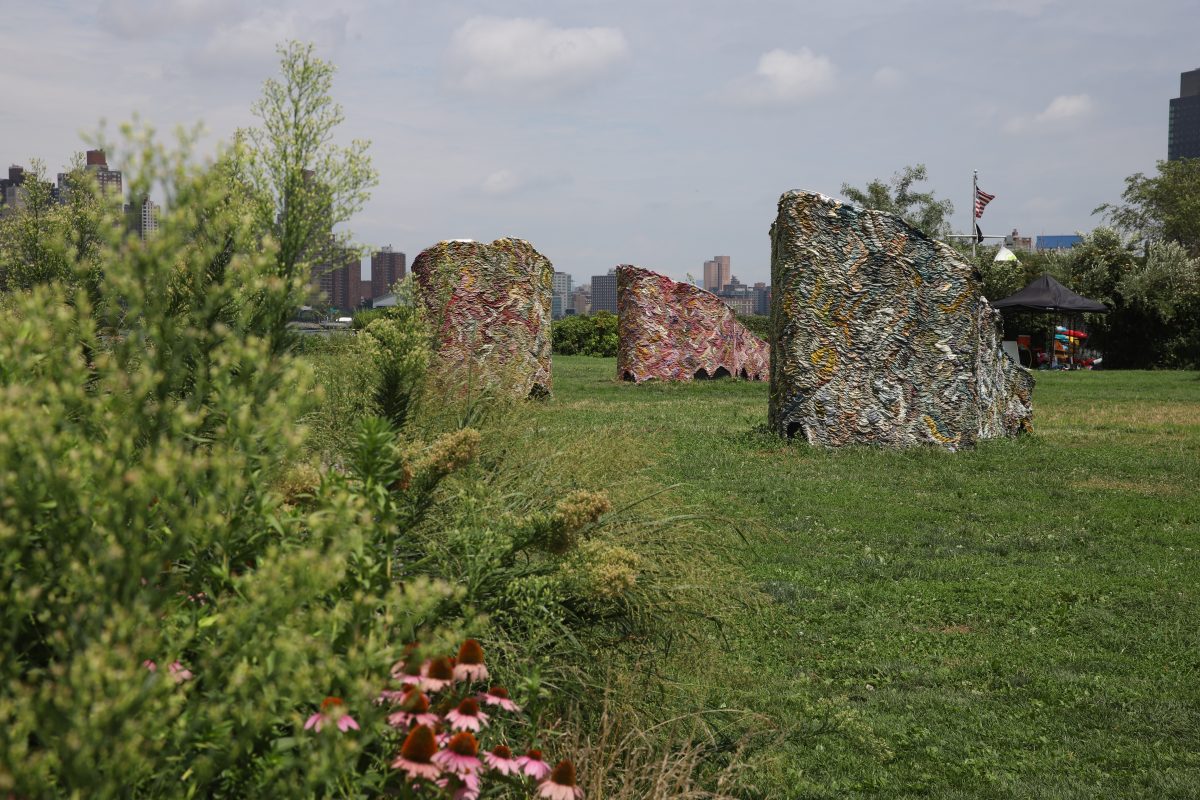
Suchitra Mattai’s We are nomads, we are dreamers, installed there until August 25th, gives one a lot to think about.

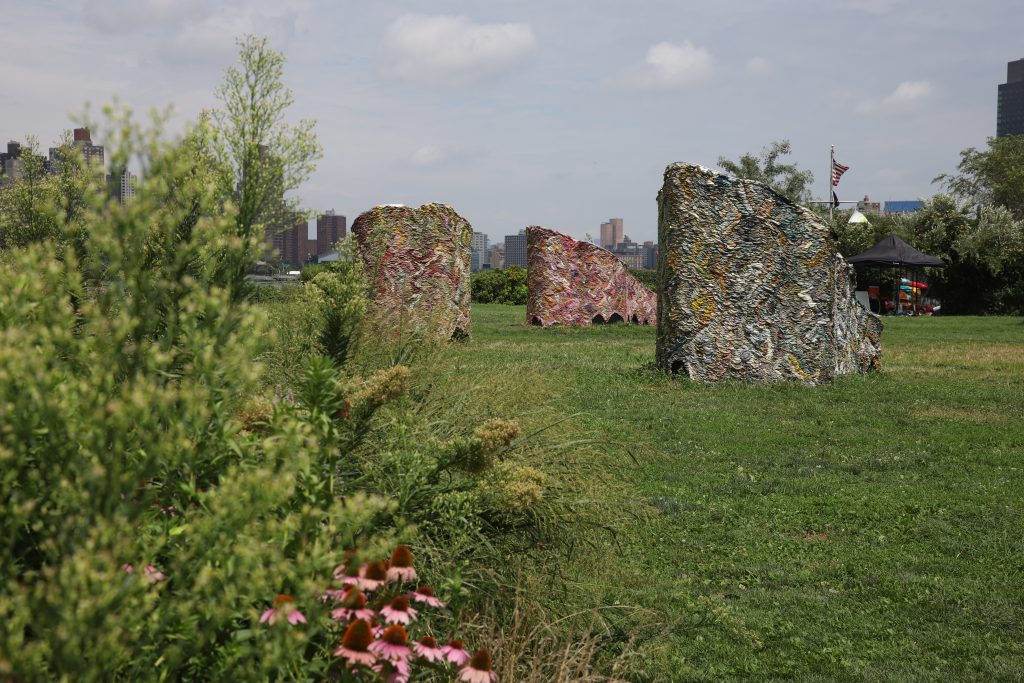
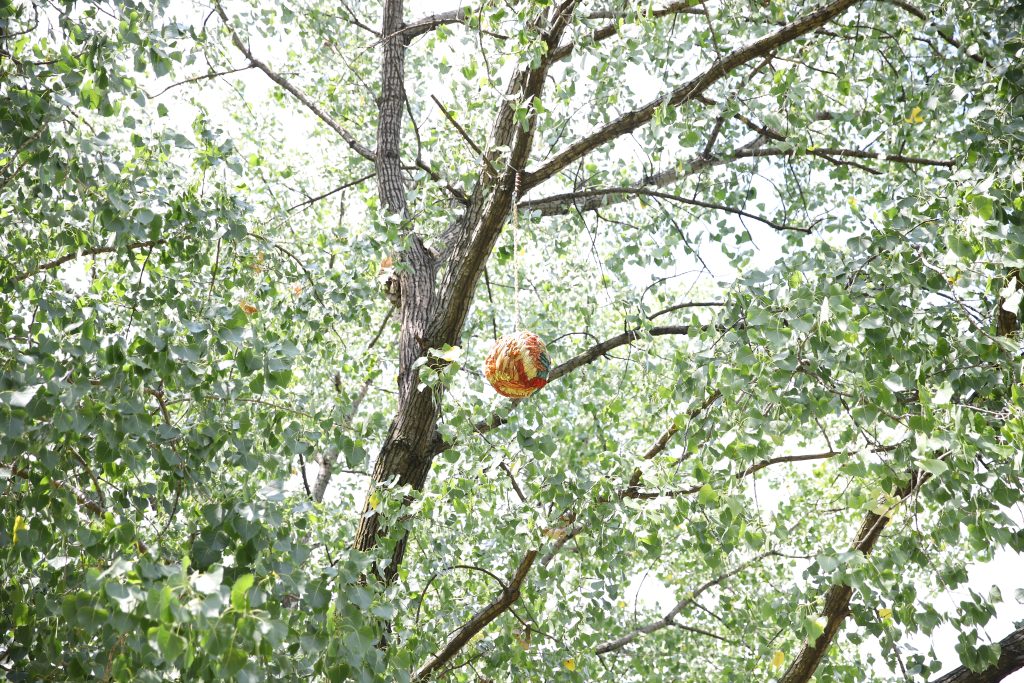
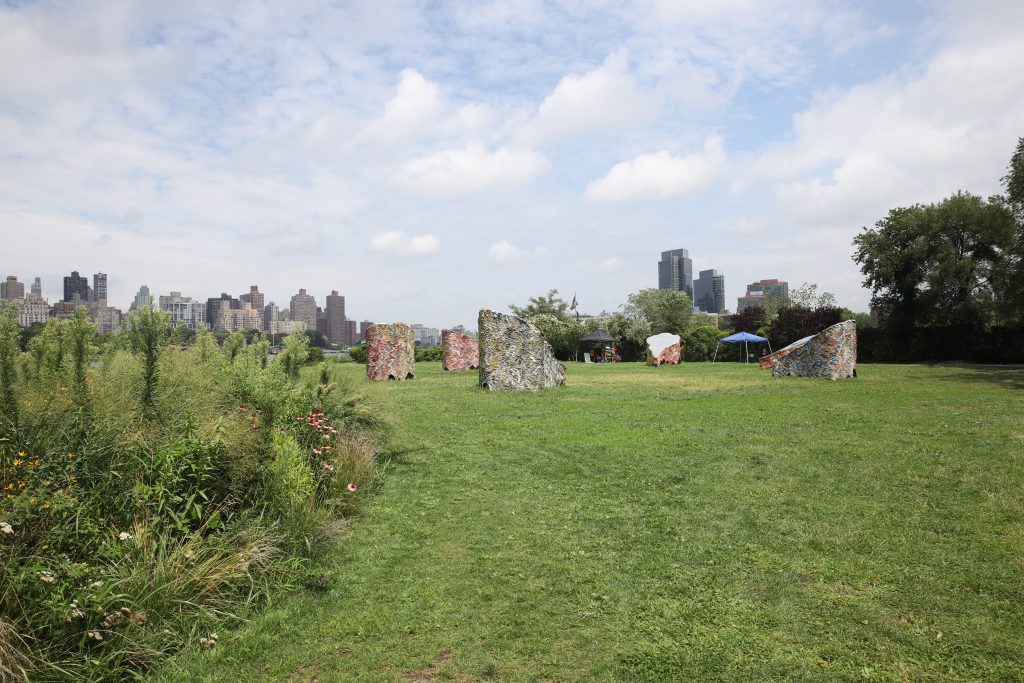
It all begins rather playfully, some of the artworks engaged in a game of hide and seek with a visitor, dangling from trees like beehives in unexpected corners of the garden. The tone shifts in Becoming, whose elements are arranged in a circular constellation that sweeps across the park’s northern lawn.

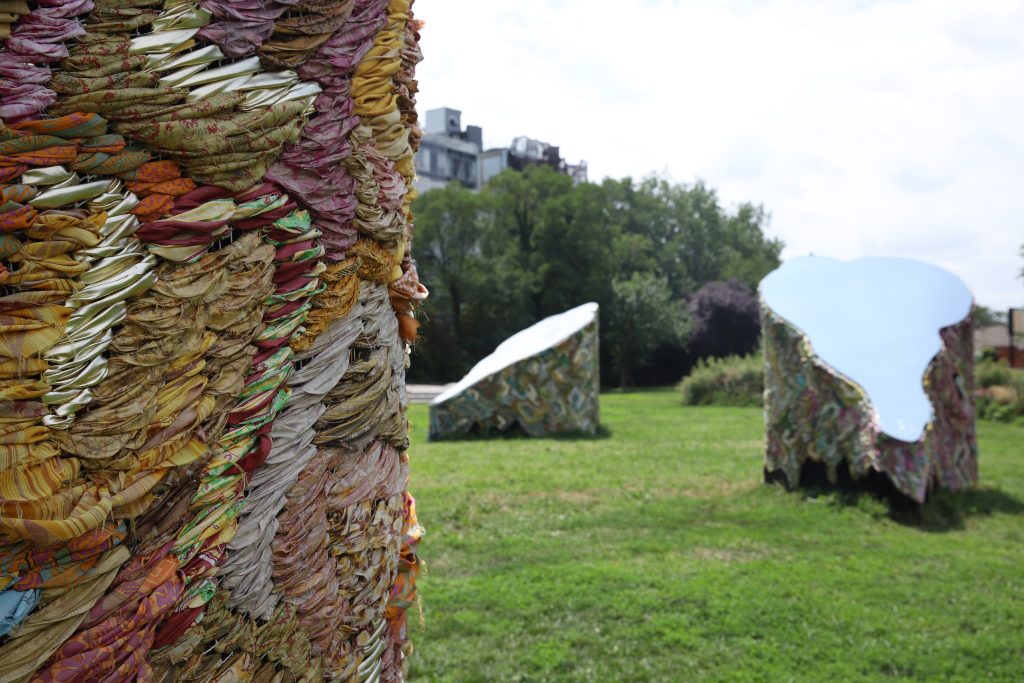
Described in an explanatory panel at the park’s entrance as “a monument to the journey of becoming,” what the sculptures literally are, are sedan-sized constructions of net and metal in the form of a woman’s wedge sandal. From particular angles they resemble Claude Monet’s famed haystacks: colorful, squat in whimsy, peaceful and prominent at once.

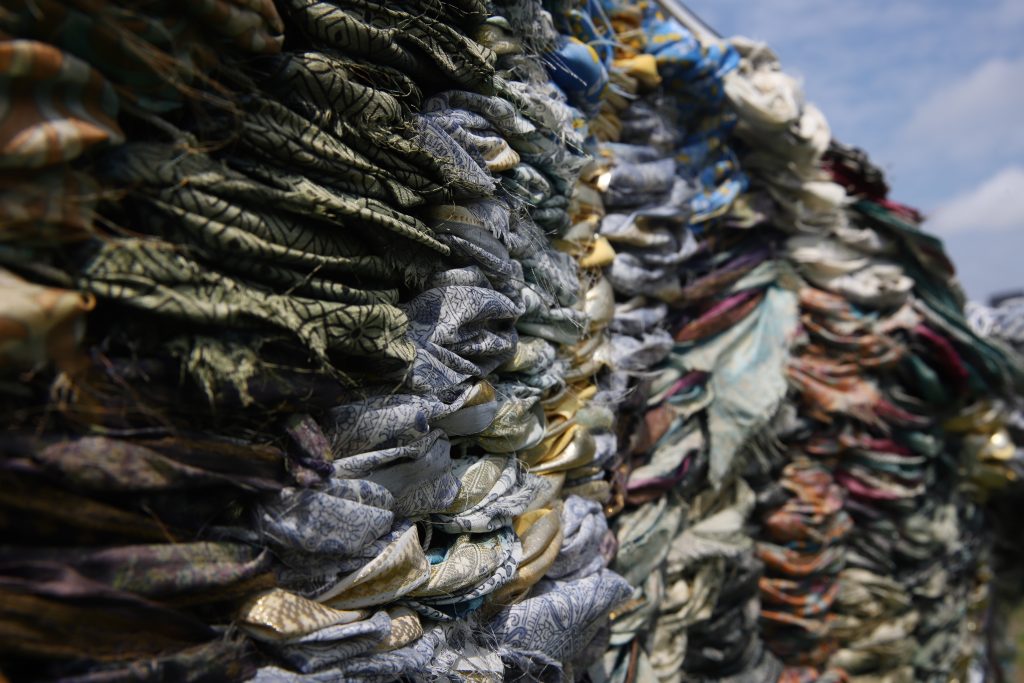
The base of each of the six pieces is woven with saris, many hundreds of them. The sari is not, of course, a conventional artists’ material but a traditional mode of dress for women from India whose descendants, including Mattai, carried the garments with them as diaspora brought them to new and unfamiliar corners of the world. Mattai assembled a collection of them large enough to weave into the tapestries that wrap the bottom of each sculpture, about 40 feet long a-piece, thereby constructing a new story of the thousands of distinct stories each of the saris carried with it before.

The result is arresting; to look is to become lost. The colors and textures are so varied, and the conditions they are in too, subject to the wear and tear of weather and other acts of god out in the open air where they have been presented. How very many roads must each have traveled before its arrival to here and now.

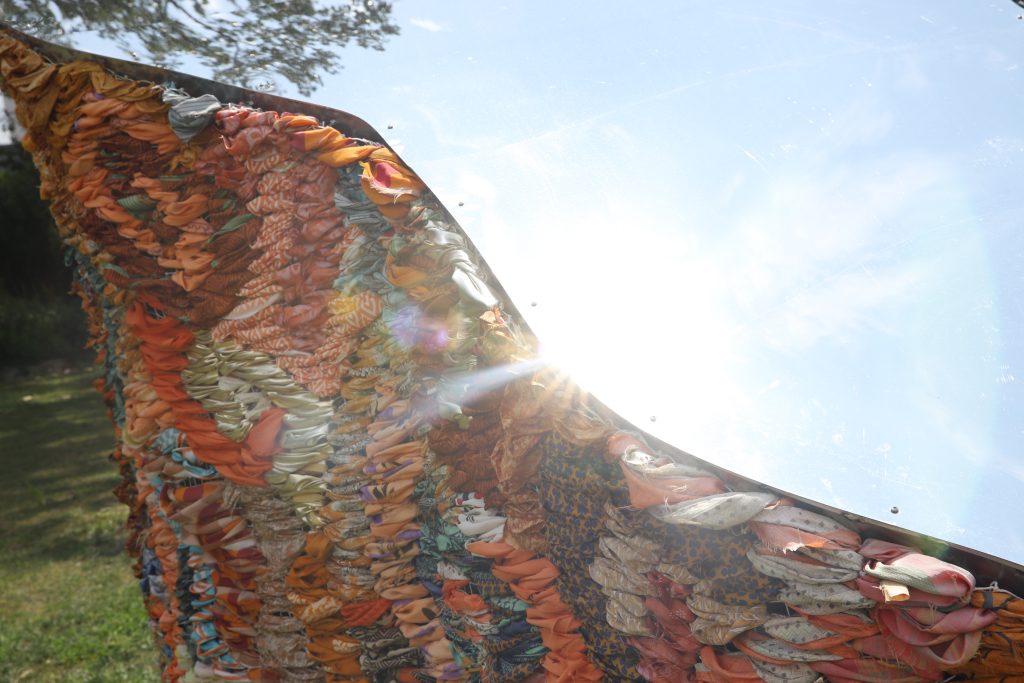
In stark contrast are the sleek, reflective metal faces that seal each piece on the top. On this scorching midweek afternoon the sunlight they returned to the visitors who got close enough blinded and burned; a midday meal of fried eggs might have been realized on their surface.

And while the sari-woven tapestries beneath them remain fixed in their arrangement and static in their appearance, the image one sees on the surface up top is changing constantly. Drifting clouds, passing avians, the visitors themselves, all become a part of the artist’s installation in a breath, Mattai insisting that the future, even with so much recorded behind it, remains ours to make.

Last week a major political party in our country nominated, for the first time, a woman who counts South Asian among the lines of descent that make up her identity. Mattai’s sculptures remind us that her’s is an example of a characteristically-American story; and also, that none of us are simply the sum of our demographic parts; and also, that in our achievements we stand on the shoulders of many, many others who came before.

A casual visitor to the Socrates Sculpture Park this summer should find respite there and much more.


Photo Credit: Alexander Bernhardt Bloom


Photo Credit: Alexander Bernhardt Bloom


Photo Credit: Alexander Bernhardt Bloom


Photo Credit: Alexander Bernhardt Bloom


Photo Credit: Alexander Bernhardt Bloom


Photo Credit: Alexander Bernhardt Bloom


Photo Credit: Alexander Bernhardt Bloom


Photo Credit: Alexander Bernhardt Bloom


Photo Credit: Alexander Bernhardt Bloom


Photo Credit: Alexander Bernhardt Bloom


Photo Credit: Alexander Bernhardt Bloom


Photo Credit: Alexander Bernhardt Bloom


Photo Credit: Alexander Bernhardt Bloom


Photo Credit: Alexander Bernhardt Bloom

What Ever Happened to Pizza Rat? Everything You Need to Know about New York City’s Rat Problem

By Annabelle Underwood 

A video of a rat dragging a slice of pizza down a subway station staircase in New York went viral in 2015 after being uploaded to Instagram. The viral video became a popular but short-lived meme called “Pizza Rat” that has since been mostly forgotten. While comedic, the video connects to a serious environmental issue in New York: the overpopulation of rats.

The problem has been a high priority for Mayor Eric Adams who on Sunday, July 28 announced the NYC Rat Pack, “New York’s elite squad of dedicated anti-rat activists.” The participants will learn how to tackle the surplus of rats in the city and volunteer in a local rat mitigation service event. 

Why are there so many rats in New York?

Experts say rats immigrated to the Americas on the same ships as the first European settlers.

A recent ecological study estimated about three million rats reside in New York City, which is one million more than the previous estimate from 10 years ago.

Rats thrive in New York for several reasons, but the main culprit is how the city manages garbage. 

A sanitation worker strike in 1968 led to the switch from metal cans to plastic bags. The change was intended to make it quieter and easier for sanitation workers to pick up and carry trash between parked cars. At the time, people believed the bags would be more effective at preventing rats, but in reality, it is much easier for pests to break into plastic bags than a sealed metal container. 

The problem has worsened over the past decade due to climate change, the proliferation of outdoor dining spaces during the pandemic and budget cuts in the Sanitation Department that reduce services necessary for preventing rat infestations. 

Are rats dangerous to your health?

Rats can transmit up to 55 diseases, according to Urban Rodentologist Bobby Corrigan on PBS. Rat-bite fever, salmonellosis and E coli are just a few examples.

The most infamous example of a public health crisis caused by rats and their fleas is the bubonic plague in the fourteenth century, which killed an estimated 50 million people in Europe. 

Rats continue to transmit disease in modern times. Earlier this year the New York City Department of Health and Mental Hygiene announced a health advisory after a sudden uptick in cases of human leptospirosis, a disease spread through contact with rat urine that causes flu-like symptoms.

Rats can also spread diseases to humans through bites, droppings entering food or water and indirectly through the ticks and fleas they host.  

Aside from infection, some rat infestations can damage electrical wiring, plumbing and infrastructure, placing the residents at greater risk of injuries from a building collapse. 

Are rats dangerous to the environment in New York?

Aside from the public health risks of rats, there’s another pressing environmental issue. Rodenticides, commonly found in bait boxes all over the city, can endanger native wildlife.

Non-target animals like chipmunks, or even pets and children can fall victim to the highly toxic bait. 

The lethal chemicals can also enter the food chain through secondary exposure. For example, since many of these poisons have a delayed effect, poisoned rats can leave the immediate area and become a food source for other wildlife. That’s exactly how New York City predators like the barred owl and red-tailed hawk or scavengers like the bald eagle or opossum can become secondarily poisoned.

One high-profile example of this phenomenon was Flaco, the Eurasian eagle-owl who escaped from Central Park and died after crashing into a building. At the time of his death, he had been exposed to four different rodenticides that experts said could have contributed to the fatal incident and would have eventually led to a slow and painful death had he survived those injuries.

There has even been some evidence that rodenticides are bioaccumulating in aquatic wildlife, according to a recent study in Germany.

Climate change has also complicated the issue because some studies show that rats can reproduce later in the season as winters get warmer, contributing to the growing overpopulation.

Which New York community is affected most by rats?

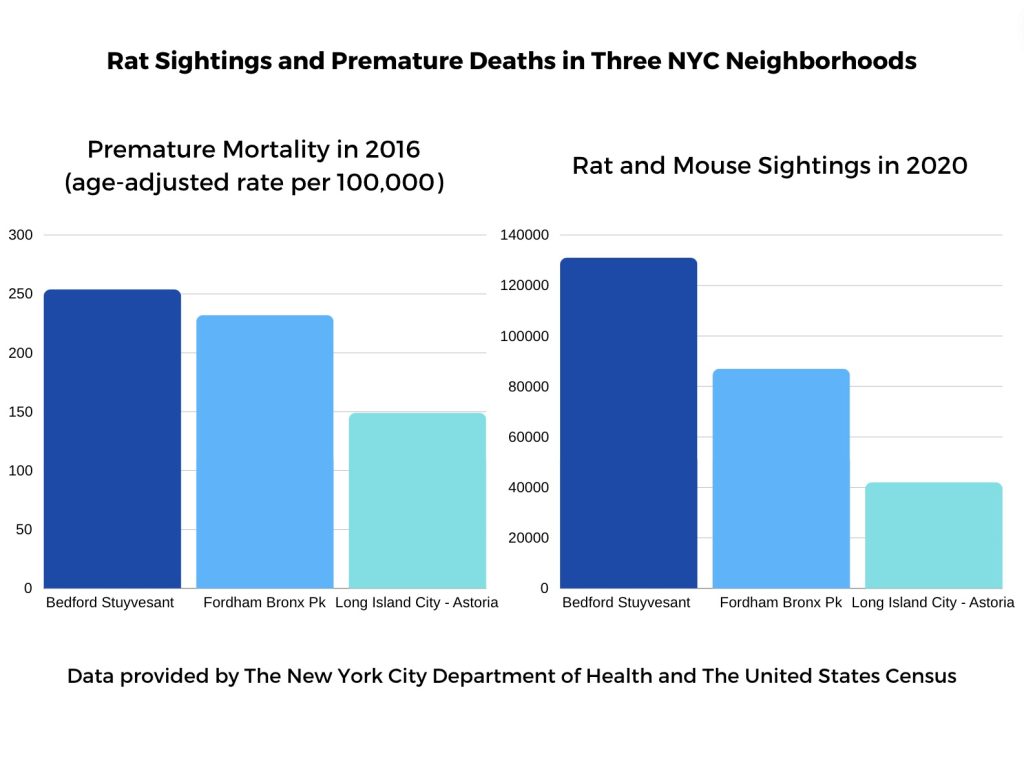
Neighborhoods with low education rates, vacant residential structures and proximity to public spaces and subways are at greater risk for increased reports of rat encounters, according to one study. Also, communities that don’t have as many of the newer enclosed trash bins, compared to the traditional open wire bins usually report more rats

The neighborhoods with the highest reports of outdoor rat sightings in 2020 were Union Square, Central Harlem, Williamsburg, Washington Heights, East Harlem, the Upper West Side and the South Bronx.

Low-income urban communities often suffer the most physical and mental health consequences from rats, and residents can feel neglected when resources aren’t allocated to address local hygiene issues like rats, according to a study in Vancouver, Canada. These communities often don’t have the same amount of time, money and resources to demand better sanitation services as wealthier neighborhoods do. Also, migrants and refugees or New Yorkers experiencing homelessness and living in poverty may not be able to afford medical attention if they contract a disease from a rat. 

What’s being done to fix the city’s rat problem?

Mayor Adams appointed a Rat Czar to address the issue last spring, and she’s been focusing on controlling the large populations in “rat mitigation zones” like East Harlem.

A new regulation from the New York City Department of Sanitation was enacted in March that mandates all commercial trash be placed in lidded containers for curbside collection. Another regulation was announced in July mandating that residential buildings with one to nine units start using bins for trash collection by November.

How can I deter rats in my community?

Here are some steps you can take to prevent rat infestations:

  • Report rat sightings, illegal trash dumping and missed trash collection to 311.
  • Dispose of trash in rat-proof metal bins instead of plastic bags or bins that rats easily chew through.
  • Repair any cracks or holes in sidewalks, doors and building foundations.
  • Get involved with your community board or local politics to advocate for improved sanitation services.
  • Attend a free two-hour “Rat Academy” training course hosted by the New York City Department of Health or volunteer to join the NYC Rat Pack to learn more about rat management.

Meeks On Queens Judicial Elections

By Celia Bernhardt | cbernhardt@queensledger.com

Credit: Celia Bernhardt

High-ranking House Representative and Queens County Democratic Party Chair Gregory Meeks answered questions about upcoming judicial elections at a wide-ranging media roundtable on Monday, praising his selected candidates and pushing back on arguments that the party perpetuates a culture of political patronage in the courts.

Meeks’s candidate for Surrogate’s Court, Cassandra Johnson, faced a relatively close primary against Wendy Li in June. Li framed herself as a political outsider, arguing that she would bring a fresh perspective to the system as someone without a stake in the inner workings of the party machine. She emphasized a future of “fair” and “merit-based” attorney appointments, trying to draw a contrast to the court’s history of doling out lucrative cases and positions to party power brokers. 

Johnson ultimately beat out Li with 55% of the vote. Now, Republican candidate Stephen Weiner — who, by virtue of his party, is looking at a long shot campaign — is taking up Li’s mantle, arguing that Johnson would perpetuate the favoritism entrenched in Surrogate’s Court while he would shake up business as usual. 

“I don’t want to replace a clubhouse and put in a clubhouse. That’s not my legacy. That’s not something I had any interest in,” Weiner told the Queens Ledger in a July interview. 

“It does de facto help the Democratic party,” Weiner later said of the party’s presence in judicial roles. “That’s sort of how it is. But what else is going on in the court?… I want to give it a fresh look from top to bottom.”

Asked for his perspective on those critiques, Meeks denied that political patronage rules court appointments under his party’s reign. 

“It has not happened with me as the county leader,” Meeks said. “I think the key is being fair, and I think that Judge Johnson will be fair in making sure she’s working with all the attorneys.”

“In fact,” Meeks continued, “what was extremely important to me and to the district leaders when deciding who to support was, by large part, talking to attorneys that practice — and a wide range—to see if, in fact, based upon their working with Judge Johnson…whether they thought she would be fair and impartial to everyone. And I think that overwhelmingly, that’s what they said.”

Johnson, for her part, has expressed openness but not commitment to changing certain longstanding court appointments, arguing that she would need to assess the inner workings of Surrogate’s Court firsthand to determine her course of action. 

Also in the legal world, Meeks recently selected three Democratic candidates — Amish Doshi, Peter F. Lane, and Melissa B. DeBerry — to run for newly-added seats on the borough’s Civil Court bench. The new judicial positions were established with a rapidly-passed piece of state legislation, long after primary season (which would have allowed for an open election) had already come and gone. Doshi ran as one of two party-backed candidates for an open seat in the Civil Court this past primary season, but came in last. When asked why he selected Doshi to run for the new seat in the general election, Meeks praised the candidate, and cited his position as the fourth and final name listed on the primary ballot as the reason he lost his first race.

“Doshi ran around Queens County when running for Civil Court. It’s amazing the amount of people that just fell in love with him,” Meeks said. “Look at his history and who he is and how he has grown up in this system.”

“He didn’t lose because of who he is or the content of his character and what he represented. He lost because of ballot positioning,” Meeks added. “So to be fair, that should be rotating — in some places you’re number four, in other places you’re number one or number two. So that then people have to focus more on exactly who they are.”

Catholic Charities Brooklyn and Queens Hosts Inaugural Next Generation Committee Gathering


By Olivia Graffeo | olivia@queensledger.com

Celebrating 125 years of service, Catholic Charities Brooklyn and Queens continues to provide food, housing, and many other resources to the communities most affected by poverty in New York City. With half a million clients served in the two boroughs and over 4,000 housing units provided to at-risk individuals, the non-profit organization is seeking to grow their numbers and bolster their volunteering efforts. 

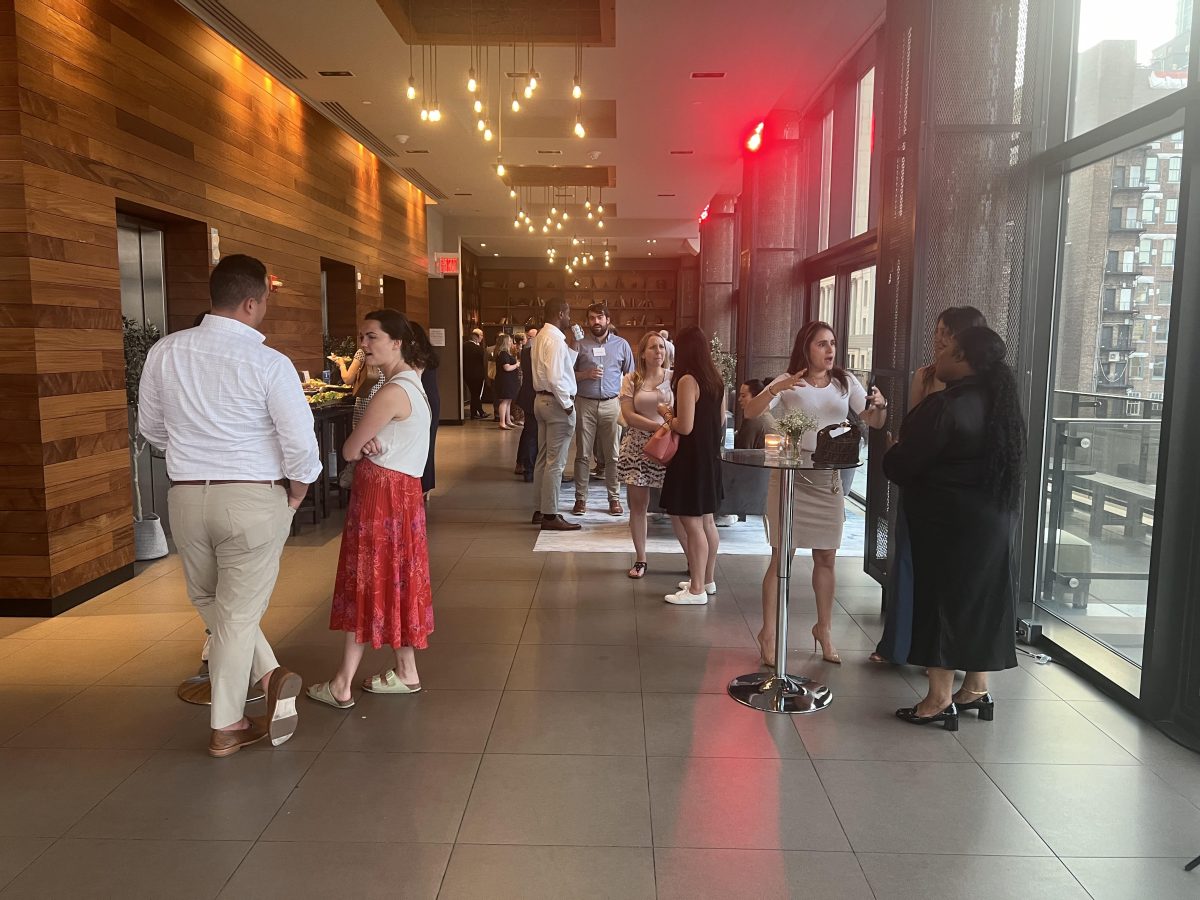
On Tuesday, July 16th, Catholic Charities Brooklyn and Queens hosted their inaugural Next Generation Committee Gathering in Manhattan. The event was attended by the CEO, Reverend Monsignor Alfred P. LoPinto, board members, and dozens of young professionals excited to be a part of the next generation of Catholic Charities Brooklyn and Queens. One board member, Anthony B. Stumbo, was a spearheader of the new Next Generation Committee– formed to get more people involved in the organization. 

“Getting more people involved with respect to no indication of age or background or profession. Just expand the base, get more people to understand what we do and see how they can help.  And one of our goals is really to have something for everyone,” Stumbo said. “Additionally, we’d like to have more socialization and networking.  That is a good way to organically grow the organization.”

Catholic Charities Brooklyn and Queens has focused heavily on the housing crisis and those who are suffering from unattainable pricing, specifically seniors, those who are formerly homeless, and those suffering with mental illness. Pouring an extensive 95% percent of the non-profits income directly into programs that aid these people is one of the organization’s proudest achievements. For this to be possible, Catholic Charities Brooklyn and Queens relies heavily on the generosity of volunteers. While volunteering with food pantries and community events are common ways to help, it does not end there.

“There are some people who really want to get involved in volunteer efforts, go on the front lines. Hand out food, physically help people, build houses, fix things, plant flowers,” Stumbo said. “There’s some people in between who are like, ‘I can volunteer, but I can volunteer my mind, or you know, my mathematical skills, legal skills.’ So our goal is number one, to get more people involved. But number two, to really increase our volunteering. And to let people know that there are many different ways that you can volunteer and assist.”

John Farrell, one such young professional who sits on the board of Catholic Charities Brooklyn and Queens, was also in attendance at the Next Generation Committee’s event. One of the founding members of the Committee, Farrell is enthusiastic about the future of the organization and its growth. 

“This event is indicative of what we’re doing. We have a lot of younger people here. And out of the hundred people, I would say a high percentage of them want to immediately come back,” Farrell said. “They want to donate, but more importantly, they want to volunteer their time. They know about our programs and how they can help people and they want to get involved very much. So we’re very much looking forward to working with them.”

Post Office Audit Brings Big Changes

By Olivia Graffeo olivia@queensledger.com

Mail theft in Queens has been continually on the rise as criminals evolve their tactics to combat enhancements to security. A federal audit by the Postal Service’s Office of Inspector General in January showed that the Queens branch of the Postal Service has been grossly mismanaged and negligent in fighting this kind of thievery. Conducted at the urging of Congresswoman Grace Meng, the audit finally occurred after two years of requests. 

According to Meng, despite small changes made to reduce mail theft, rates of the crime have only risen. Residents of Queens have complained of the loss of many important pieces of mail after sending them: checks, medication, personal documents, and more.  

The increase in mail theft continues to impact too many residents in Queens and that is unacceptable. I’ve sent several letters to the Postal Service since 2022 urging them to reduce the high rate of stolen mail and improve security for relay boxes,” Meng said. “So, last October, I wrote to the Postal Service’s Office of Inspector General asking for an investigation into the problem and they agreed to conduct one. The probe was launched in January, and the findings were just released in late May. This is the first time that such an audit into mail theft in Queens has ever been conducted.” 

Along with the probe’s findings exhibiting the need for changes, the Office of the Inspector General —  which Meng described as “the Postal Service’s watchdog” — provided thorough recommendations for the Queens Postal Service to enact in order to reduce mail-related crime. The Office is an independent entity within the U.S. Postal Service, so there was not a guarantee that the Postal Service would agree to all the changes suggested. 

Thankfully, the Postal Service confirmed this month that they will be taking the recommendations from the Inspector General and implementing them throughout Queens post offices. Meng’s work to fix the issues within the borough’s mail services over years has resulted in serious federal action, hopefully reducing mail crime in Queens. 

“I demanded that the recommendations provided in the report be implemented, and I’m pleased the Postal Service has agreed to do so. The audit revealed that the Postal Service has clearly not been doing enough to address mail theft, especially with mail stolen from green relay boxes, and that is why it is crucial to implement the recommendations. Hopefully, the Postal Service can better combat the problem once these recommendations are enacted. Everybody in our borough is entitled to safely send and receive their mail. I will continue to keep up the pressure on postal officials, and make sure that the recommendations are implemented. Ultimately, we want this spike in mail theft to end,” Meng said.

Bagel Oasis in Fresh Meadows Reopens Its Doors

After a devastating fire forced Bagel Oasis to close, the beloved Fresh Meadows bagel shop reopened its doors on Friday, August 1st, 2024.

This iconic establishment, located at 183-12 Horace Harding Expressway, Fresh Meadows, has been a cornerstone of the Queens community since 1961 and is eager to welcome back its loyal patrons and once again fill the air with the aroma of freshly baked bagels.

For over six decades, Bagel Oasis has been more than just a bagel shop; it’s been a place where neighbors gather, friendships are forged, and memories are made. Bagel Oasis is a true neighborhood institution known for its commitment to quality and a warm, welcoming atmosphere.

Among the many delights that keep customers returning are their famous “Everything Bagel,” a classic favorite that pairs perfectly with any topping or spread. Another standout is the E9 Sandwich, a hearty combination of two eggs, bacon, cheese, and a hash brown, all nestled in a fresh bagel. And of course, no visit to Bagel Oasis is complete without a cup of their hot brewed coffee, the perfect complement to any meal.

As part of its grand re-opening, Bagel Oasis will maintain its convenient 24/7 hours, ensuring that whether you’re craving a midnight snack or an early morning breakfast, you can always get your fix.

“We are constantly innovating,” said co-owner Maurice Bendrihem. “We have plans to introduce new bagels and sandwiches based on customer feedback in the coming months,” Bendrihem added. 

What truly drives the team at Bagel Oasis is more than just the delicious food. “Seeing smiles through our customers because we make such a great quality product and giving them the best competitive prices is what we love most about running a bagel shop,” said shared owner Jose Suarez. This dedication to customer satisfaction has solidified Bagel Oasis as a beloved fixture in Queens.

The reopening on August 1st is not just a return to business; it’s a celebration of resilience, community, and the timeless appeal of a well-made bagel. Join the celebration at Bagel Oasis and experience the warmth and quality that have made it a Queens favorite for generations.

What truly drives the team at Bagel Oasis is more than just the delicious food. “Seeing the smiles on our customers faces when they enjoy our quality product at a great price is what we love most about running Bagel Oasis,” said co-owner Jose Suarez. This dedication to customer satisfaction has solidified Bagel Oasis as a beloved fixture in Queens. 

Bagel Oasis’ re-opening is a celebration of resilience, community, and the timeless appeal of a well-made bagel. Join the celebration at Bagel Oasis and experience the warmth and quality that have made it a Queens favorite for generations. 

Heavy Metal: Locals’ Performance and Neckwear Shine as Paris Games Begin

Photo Courtesy of @wemakeaplay on Instagram


By Alexander Bernhardt Bloom | alex@queensledger.com


At the time of this column’s presentation to press the Olympic games in Paris had been on less than a week but many a neck had been hung, yet, with heavy metal. 

The Republic of Moldova, for example, was awarded two, bronze in color and merit, for its athletes’ outstanding performance in competitive Judo. Sweden’s amounted to three, two thirds of which celebrated its teammates’ success in Target Shooting and Womens’ Cross-Country Mountain Biking.

China and Japan led all of the rest in golds at six apiece, but it was our own Team USA, ever the outsized presence, with the most medals overall at twenty. That’s nothing to shake a baguette at.

All twenty of them will return with hometown heroes to hometowns someplace, but a few merit special recognition here for their winners’ proximity to our own metropolitan area.

Lauren Scruggs, Queens native, Harvard scholar, and Fencing phenom, receives first mention. On her way to the championship match Scruggs faced Italy’s Arianna Errigo, ranked number one in their Foil field worldwide. In a heated contest the two fencers did frequently remove their flag-stamped protective masks to reveal faces marked with anguish and determination. Tied at fourteen strikes each the two advanced along the jousting strip toward one another and leapt at the same moment, each making contact on the torso of her opponent. 

Off came the masks, Errigo screaming into the air in satisfaction, for she was sure she’d won it. But the judges went to review and in the moments in between as they deliberated the Queens came out in Scruggs, composed but indignant, her gesturing with her arms in a language we in the boroughs understand well: ball don’t lie. The judges ultimately agreed.

On went Scruggs, and she’d face USA teammate Lee Keifer in a match for the gold less volatile and more decisive, Scruggs defeated 15-6, and followed by the two embracing and hoisting American flags side-by-side with their coaches on hand. We’ve surely not seen the last of the foil from Ozone Park.

Olympic Swimmer Nic Fink is from Morristown, New Jersey. Close enough. 

Like Scruggs, Fink made his debut on the Olympic stage this week, and his glory would arrive in the Men’s 100-Meter Breaststroke event. All races in the Olympic pool are nail biters, but if you didn’t catch Fink’s come-from-behind dazzler in this one please request a replay from your search browser. 

The burden of high expectations, in this case, rested mostly on the enormous shoulders of China’s Qin Haiyang and Briton Adam Peaty, and they led the race for most of the way. But, executing the turn and slithering into the return length it was Italian hotrod Nicolo Martinenghi leading them thereafter, and Fink was a good extended arm’s length behind him and the rest. 

Breaststroke swimmers have the appearance of the devout in enthusiastic prayer, rising and bowing in supplication then repeating again, an image that will leave you visually awestruck. Fink may have been praying in earnest, because, in an impossible last push to meet the wall, his fingers arrived at the precise moment as did Peaty’s, and the two were awarded matching silver medals.

Fink’s wife Melanie, a competitive swimmer and former Olympian herself, was watching at home, carrying the couple’s first child. She’d asked him to remind her to breathe as he took to the pool.

“I’m very speechless right now,” he explained in an interview afterward. Well, us too.

Kassidy Cook is not from anywhere near the tri-state area in Plantation, Florida, outside of Fort Lauderdale. But many New Yorkers vacation and retire there, and those who watched her performance in the Women’s Synchronized Springboard finals last week would unquestionably offer the diver a key to our city.

In this event, team members climb to the top of a diving platform which extends two planks in parallel out over the pool below. Just over ten feet to fall, the thrill is not in the speed or distance so much as the beautiful connectedness and precise grace exhibited by the divers who do it well.

Cook and her diving partner Sarah Bacon do it better than that. In the first round they approached the edge of the springboard backwards, securing their toes in a stoic moment before Cook’s firm countoff began their flexing of the ground beneath, finally catapulting the two divers up. They hinged their bodies at the highest moment before plunging head over heels to be swallowed gently by the deep end.

They were only getting started, the three dives to follow seeing them approach head on, in some cases dancing toward the bouncing edge before flying off it, diving inward and outward both, adding pirouettes to the flips which became hard to count in number before the duo finally met, and always with a slicing immediacy, with the chlorinated depths beneath.

They finally finished a near second to the pair of divers from China, a testament to the level of competition that rises to the 3-meter altitude, but Cook and Bacon will carry home heavy metal as hometown heroes, nevermind the color.


Lauren Scruggs (Photo Courtesy of @usafencing on Instagram)


Nic Fink (Photo Courtesy of @finknic on Instagram)


Kassidy Cook and Sarah Bacon (Photo Courtesy of @teamusa on Instagram)


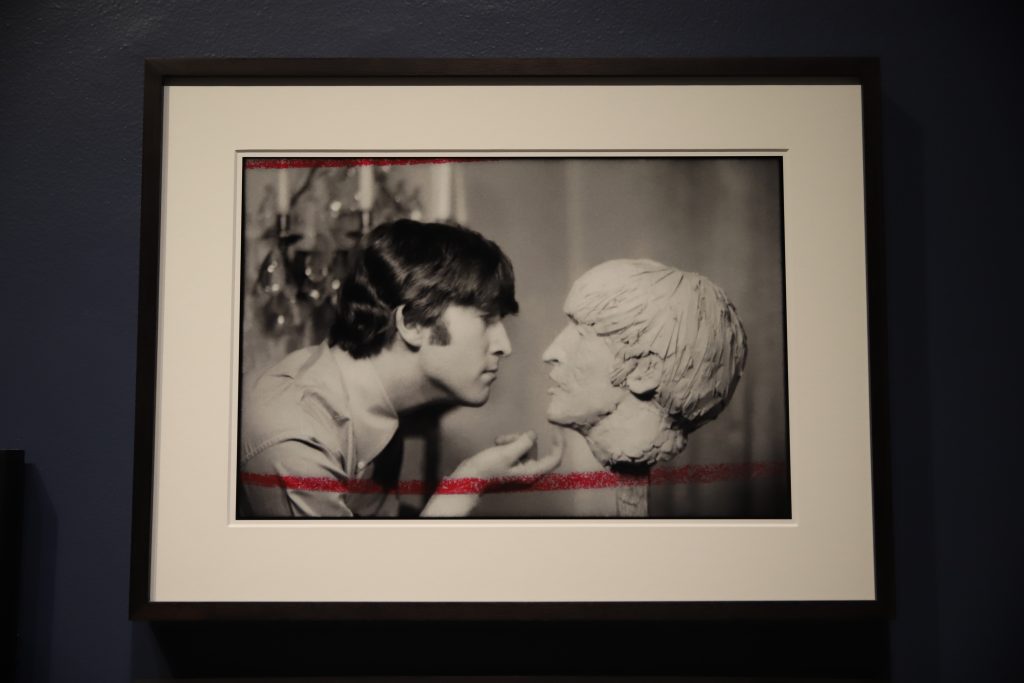
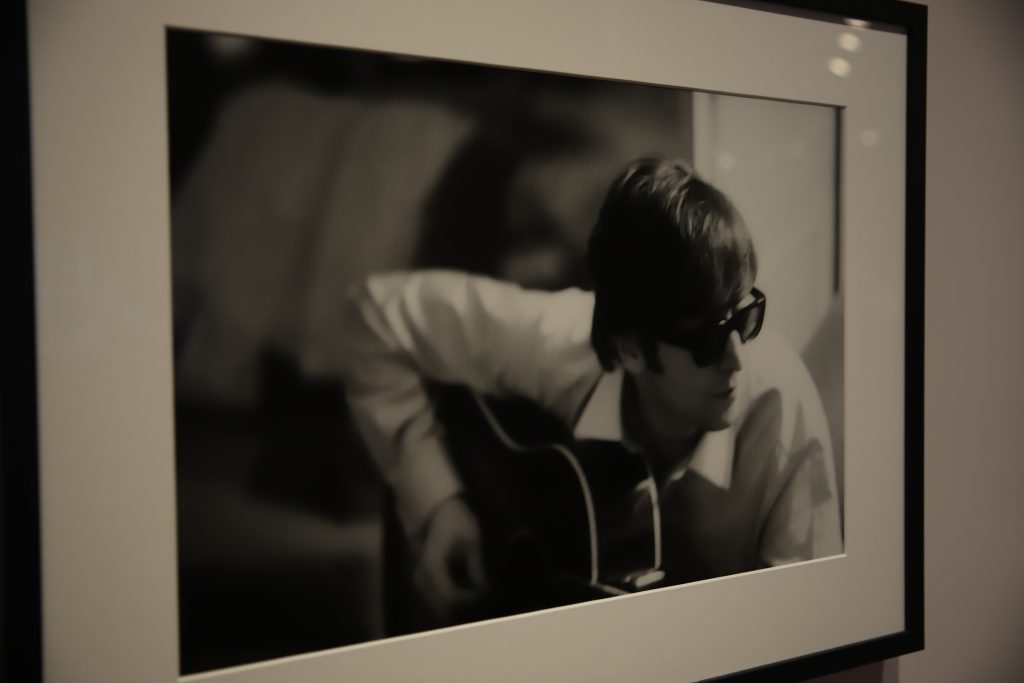
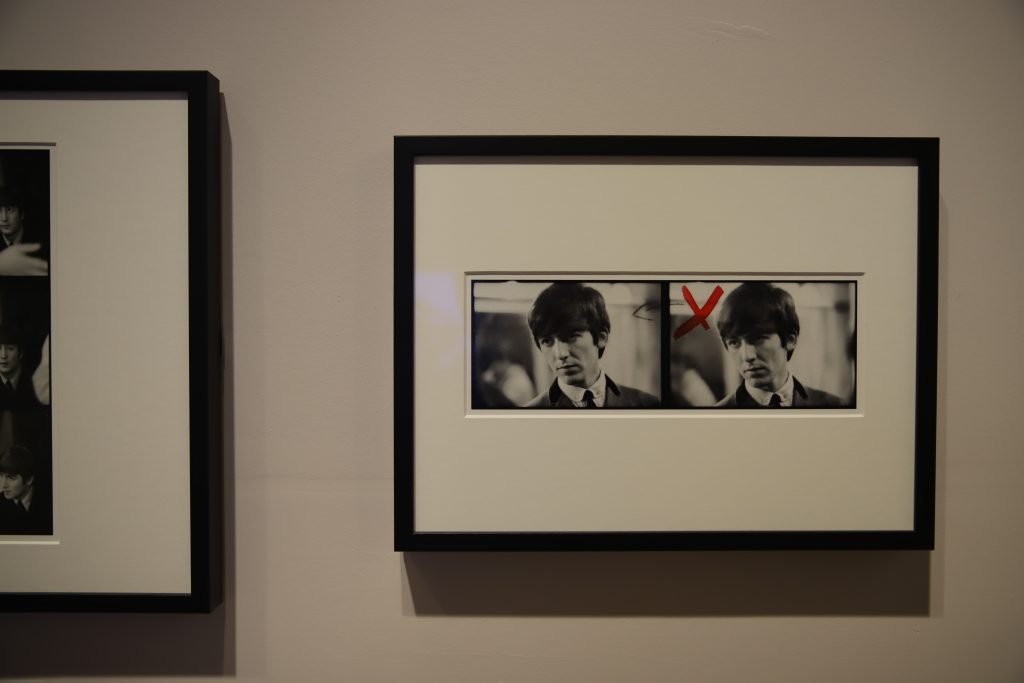
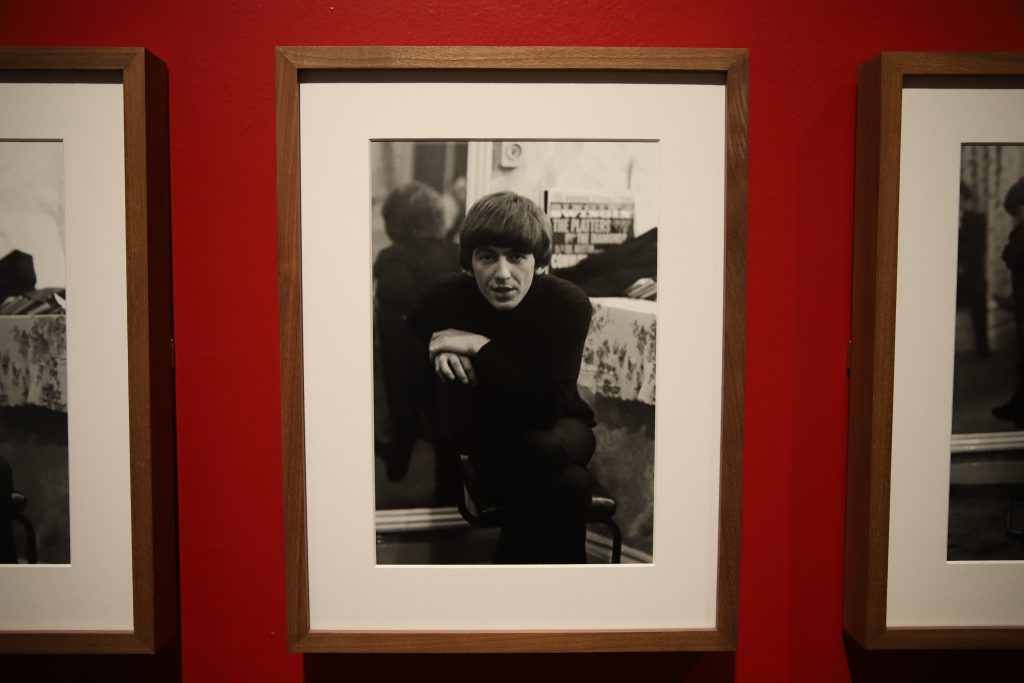
Love Me Do; An Exhibit at the Brooklyn Museum this Summer Lets the Photographs of a Young Paul McCartney Make the Case

Photo Credit: Alexander Bernhardt Bloom


By Alexander Bernhardt Bloom | alex@queensledger.com


In the fall of 1963 Paul McCartney began to experiment with a 35-millimeter camera he owned, in the beginning shooting and posing for simple portraits at home with his brother Mike. He was twenty-one years old. He played the guitar left-handed. He’d earned a short measure of local fame in his native Liverpool alongside fellow band-members for playing covers of American Rock-and-Roll groups in nightclubs there at lunchtime.

But Paul McCartney was not Paul McCartney yet, nor were The Beatles the international superstars they would become in short time. As it happens, McCartney captured the months in the interim quite thoroughly, developing a quick dexterity with his little Pentax point-and-shoot as he carried it along when the band received the call for their first transatlantic tour. He took about a thousand of them, mostly in black and white and finally in brilliant color, but most of the photographs did not become part of The Beatles’ legend and lore, for they were buried in an archives of McCartney’s someplace and went unseen for many decades.

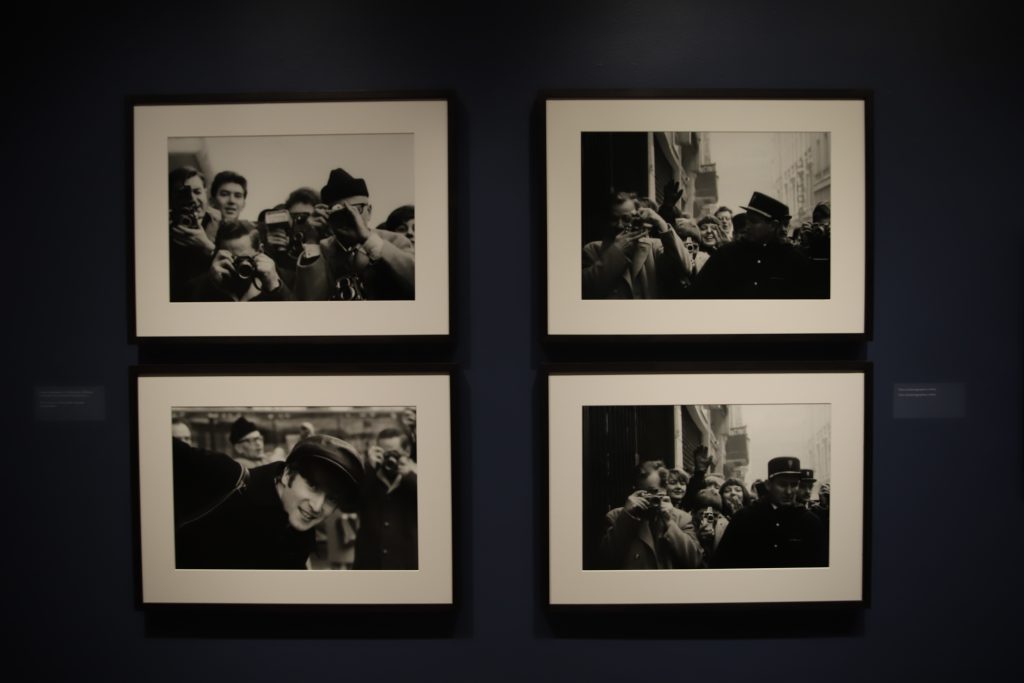
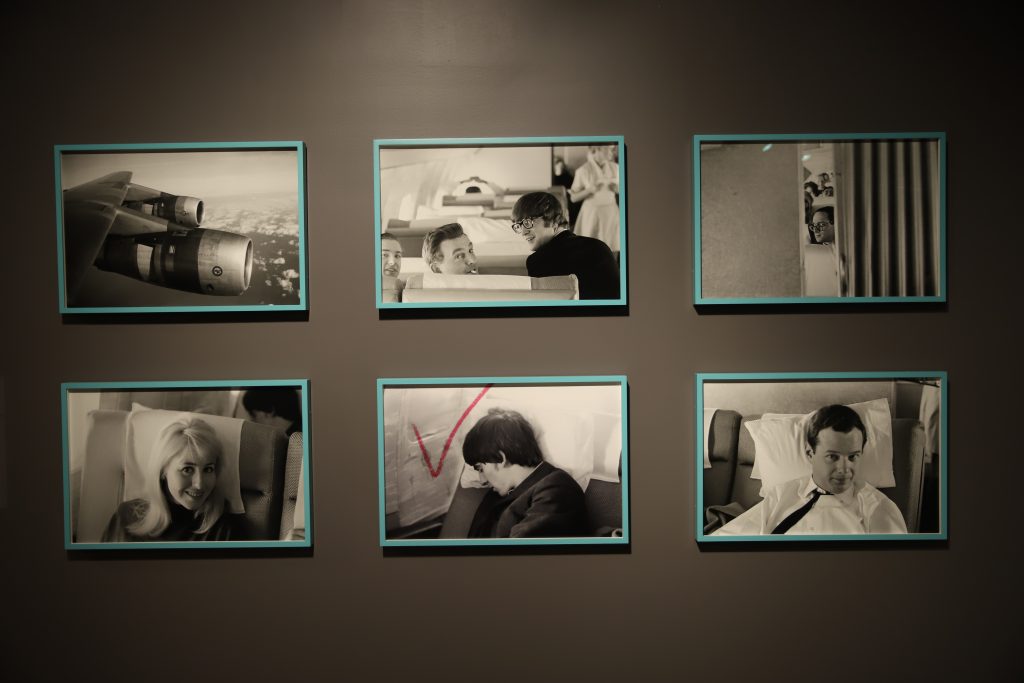
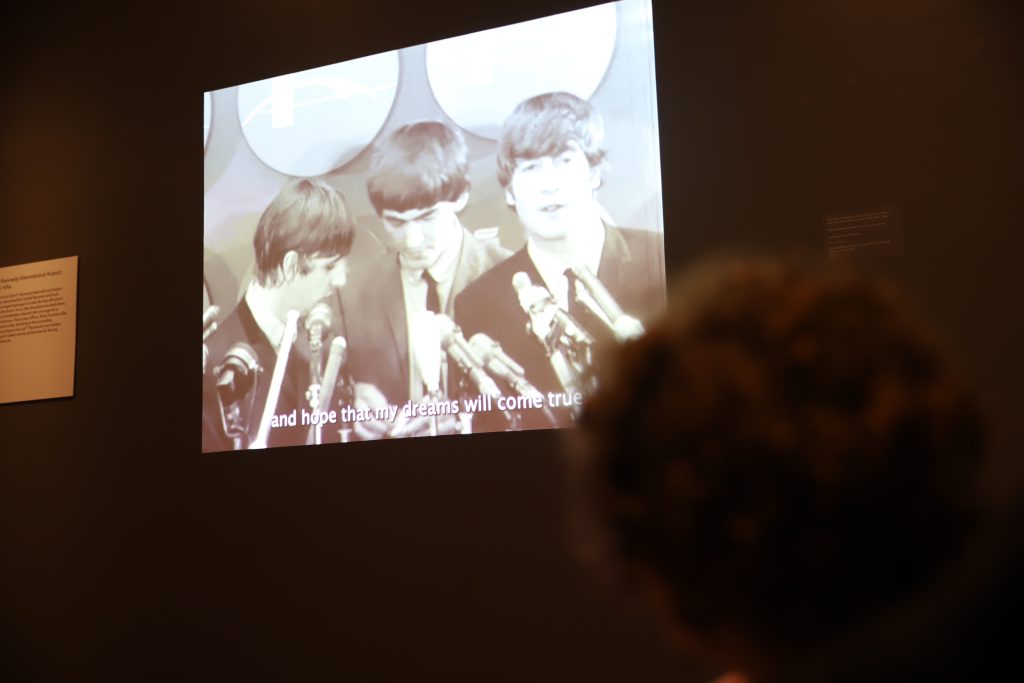
In 2020 McCartney uncovered them, and the show, Paul McCartney Photographs 1963-1964: Eyes of the Storm, on at the Brooklyn Museum this summer until August 18th, has finally brought them to the public.

Our collective imagination is so saturated with images of The Beatles that it can be jarring to see photos of the young band members you’ve never seen before. Their faces are fresh, their charisma palpable. They’re captured in preparation and in repose, in transit and in pensive pauses. The world was falling in love with them and we can see why.

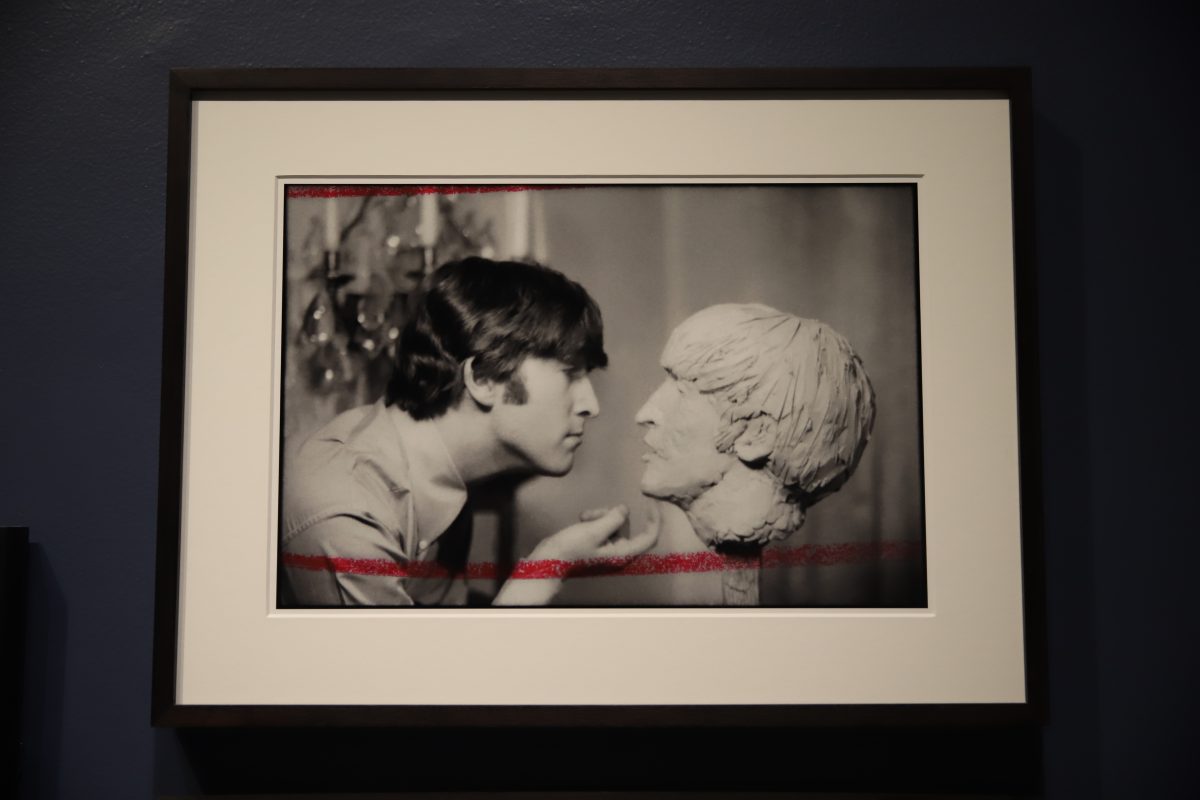
Only, finally, the exhibit is as much about the subject of photography as it is about the Beatles who are the subjects of the photographs that make it up. McCartney was an amateur photographer in an era before everyone was. He caught moments the professionals couldn’t and from angles they hadn’t access. He photographed the photographers assigned to document the band’s meteoric rise – some of the pictures have a truly meta commentary to offer on the whole situation. 

He photographed the unscripted mundane moments that proved just how cool the four of them were, worthy of the hype even when no one was looking. The photos are both documentary and artistic, diary and testimony; the exhibit, an homage to the medium and the rock band both.
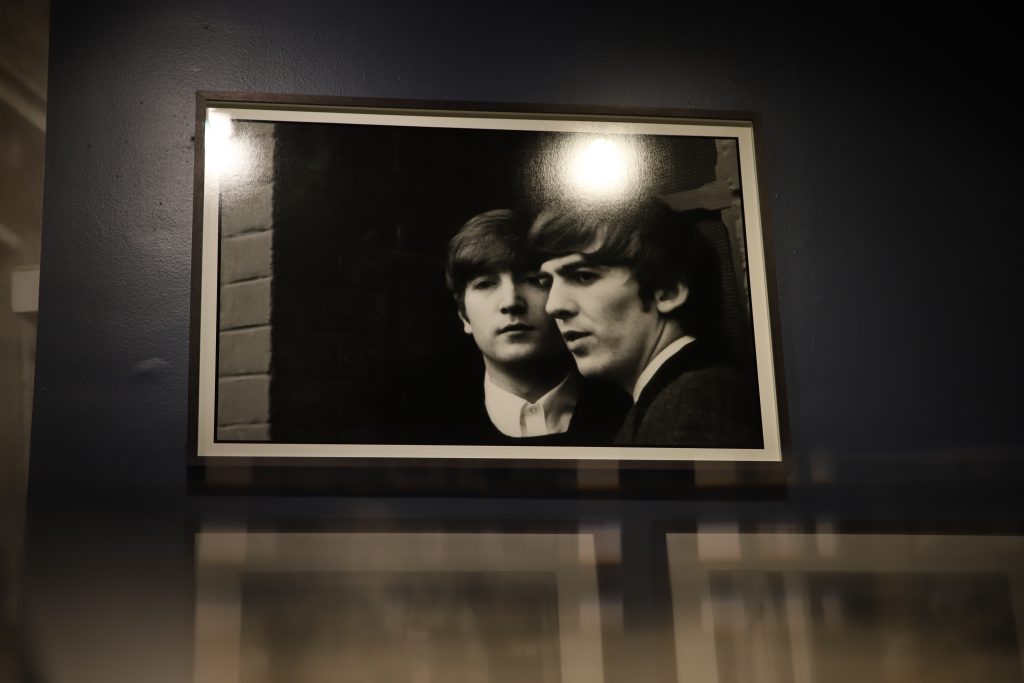
Most of all, McCartney’s own excitement and awe are evident in his photos, in earnest, him looking through the single reflex lens and seeing the greatness that lay before them.

 

Photo Credit: Alexander Bernhardt Bloom


Photo Credit: Alexander Bernhardt Bloom


Photo Credit: Alexander Bernhardt Bloom


Photo Credit: Alexander Bernhardt Bloom


Photo Credit: Alexander Bernhardt Bloom


Photo Credit: Alexander Bernhardt Bloom


Photo Credit: Alexander Bernhardt Bloom


Photo Credit: Alexander Bernhardt Bloom

Photo Credit: Alexander Bernhardt Bloom


Photo Credit: Alexander Bernhardt Bloom


Photo Credit: Alexander Bernhardt Bloom


Photo Credit: Alexander Bernhardt Bloom


Photo Credit: Alexander Bernhardt Bloom


Photo Credit: Alexander Bernhardt Bloom


Photo Credit: Alexander Bernhardt Bloom


Photo Credit: Alexander Bernhardt Bloom

Fill the Form for Events, Advertisement or Business Listing