
Bright Pink Pumps Fuel Hope for Breast Cancer Patients in Tri-State Area

Courtesy Pink Aid

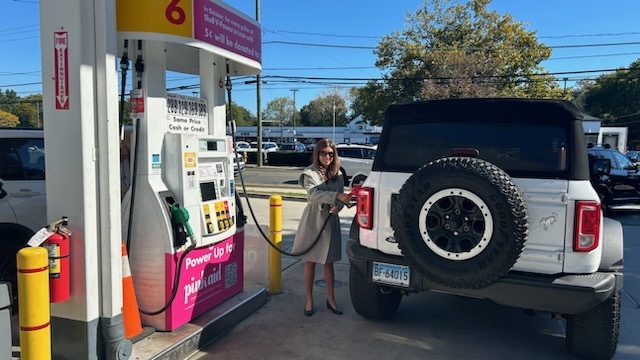
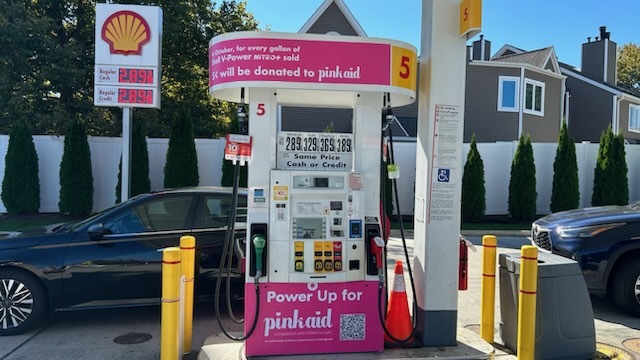
This October, fifty Shell gas stations in Connecticut, New York, and Long Island are turning their pumps bright pink to support breast cancer patients, donating five cents per gallon of Shell V-Power® sold to Pink Aid. 

By MOHAMED FARGHALY

mfarghaly@queensledger.com

This October, gas stations across Connecticut, New York, and Long Island are showcasing a vibrant twist on an everyday chore. Fifty Shell stations in the tri-state area have transformed their gas pumps into bright pink beacons, symbolizing support for breast cancer patients and fueling a campaign that merges awareness with tangible assistance.

The initiative, part of a partnership between Shell and Pink Aid, a nonprofit dedicated to helping those affected by breast cancer, is as impactful as it is eye-catching. For every gallon of Shell V-Power® NiTRO+ sold at participating stations, five cents will be donated to Pink Aid. Since its inception in 2011, the organization has distributed over $11 million in financial aid to more than 40,000 patients facing financial hardships due to their diagnoses. This year alone, Pink Aid aims to provide over $2.5 million in assistance nationwide.

Ali Mitchell, Board Member, and her husband, Chris Mitchell, who is also Board of Directors, are passionate advocates for breast cancer patients, working tirelessly to provide financial support and raise awareness through impactful initiatives.

“We help them get through that diagnosis by helping with household bills, keeping their families together, food on the table, gas in their cars, paying for car payments that can get them to their treatment back, just basically helping keep their lives together in the now so they can get through their diagnosis with dignity and compassion,” Ali Mitchell said. 
Courtesy Pink Aid

This partnership aims to raise awareness and provide financial assistance to those affected by breast cancer, with Pink Aid having already distributed over $11 million in aid to more than 40,000 patients since 2011.

The campaign began with a conversation between the Mitchell’s and their friend Adam, who owns the participating gas stations. Initially a small idea to promote breast cancer awareness at just a few locations, the initiative quickly grew into a larger effort to include all 50 of Adam’s stations after a successful trial run.

“He came up with this idea he would sell for the month of October, for every gallon of their V-Power, which is their premium gasoline that they sold, they would donate five cents per gallon,” Ali Mitchell said.

The bright pink pumps serve not just as a marketing gimmick, but as a means of bridging the gap between awareness and action. Many patients face what’s known as “financial toxicity,” a term that refers to the financial burdens that arise from cancer treatment. Pink Aid helps alleviate some of these pressures by providing assistance with everyday costs like transportation to treatment, rent, and food.

“We are now a national organization helping breast cancer patients who’ve fallen on financial toxicity all across the country,” Chris Mitchell said. “We’re helping in 47 of the 50 states right now, which is kind of amazing, and it helped 40,000 patients.”

The initiative is particularly timely, as October is Breast Cancer Awareness Month, a time when organizations and individuals are encouraged to promote education and support for those affected by the disease. The striking pink pumps are designed not just to catch the eye but to spark conversations among customers.

“We really do it with the sense of not only educating people about what we’re doing, but with the spirit of giving back to, you know, the community in which we live,” Chris Mitchell said. 

In addition to the pink pumps, Pink Aid will host several events throughout October, including fundraisers and celebrations of life for breast cancer survivors which you can find at pinkaid.org These gatherings aim to uplift patients and their families, creating a sense of community and shared experience. 

For those looking to support this initiative, a list of participating gas stations can be found on the Pink Aid website at pinkaid.org. Customers are encouraged to share their experiences on social media, using the hashtag #PowerUpForPinkAid to raise further awareness and encourage others to join the cause.

As drivers fill up this October, they are reminded that they are not just fueling their cars but also fueling hope and assistance for breast cancer patients in their communities. 

“It’s a great opportunity not only for people that are interested in our mission and whether they want to get involved or be a donor to help breast cancer patients across the country,” Ali Mitchell said. “We’re helping in 47 of the 50 states right now, which is kind of amazing, and the organization has helped 40,000 patients.”

This collaboration highlights the power of community action, reminding us all that small contributions can lead to significant change in the lives of those facing challenges related to breast cancer. As the pink pumps line the streets, they stand as a testament to compassion, support, and the ongoing fight against breast cancer.


Victoria Santaguida: Inspiring the Future of Dance

Mariella LaChase, Isabella Guerriero, Victoria Santaguida, Natalie Campisi, Angelina McCabe, Leanna Cruz, Isabella Mayo, Gabriella Apicella

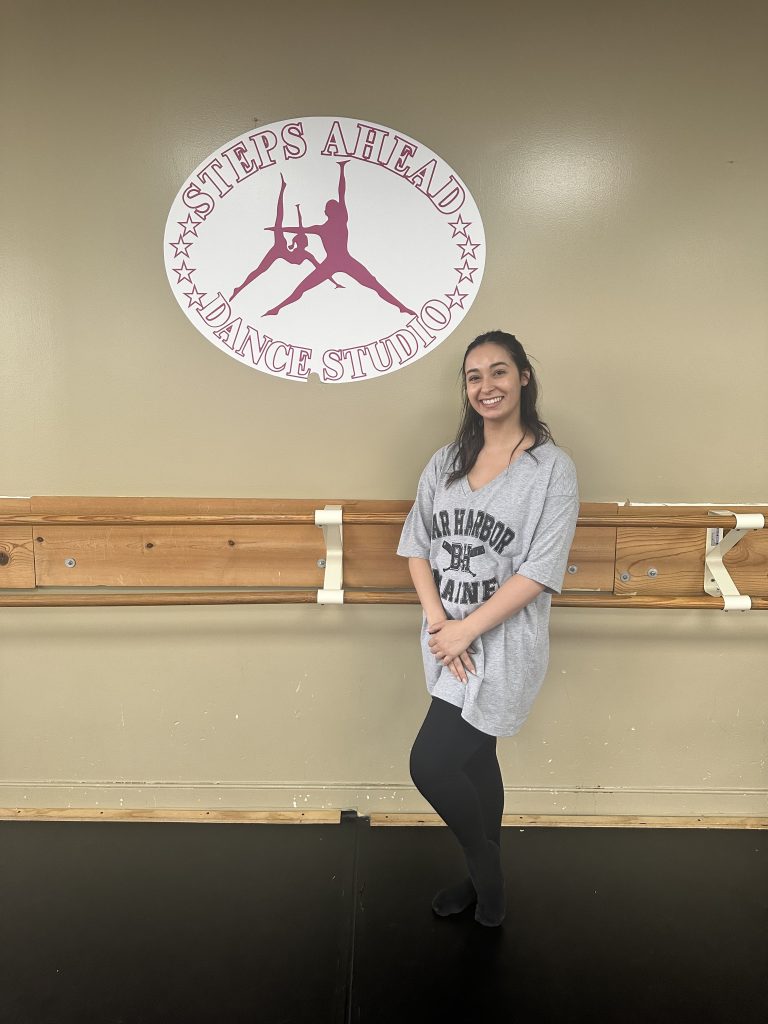
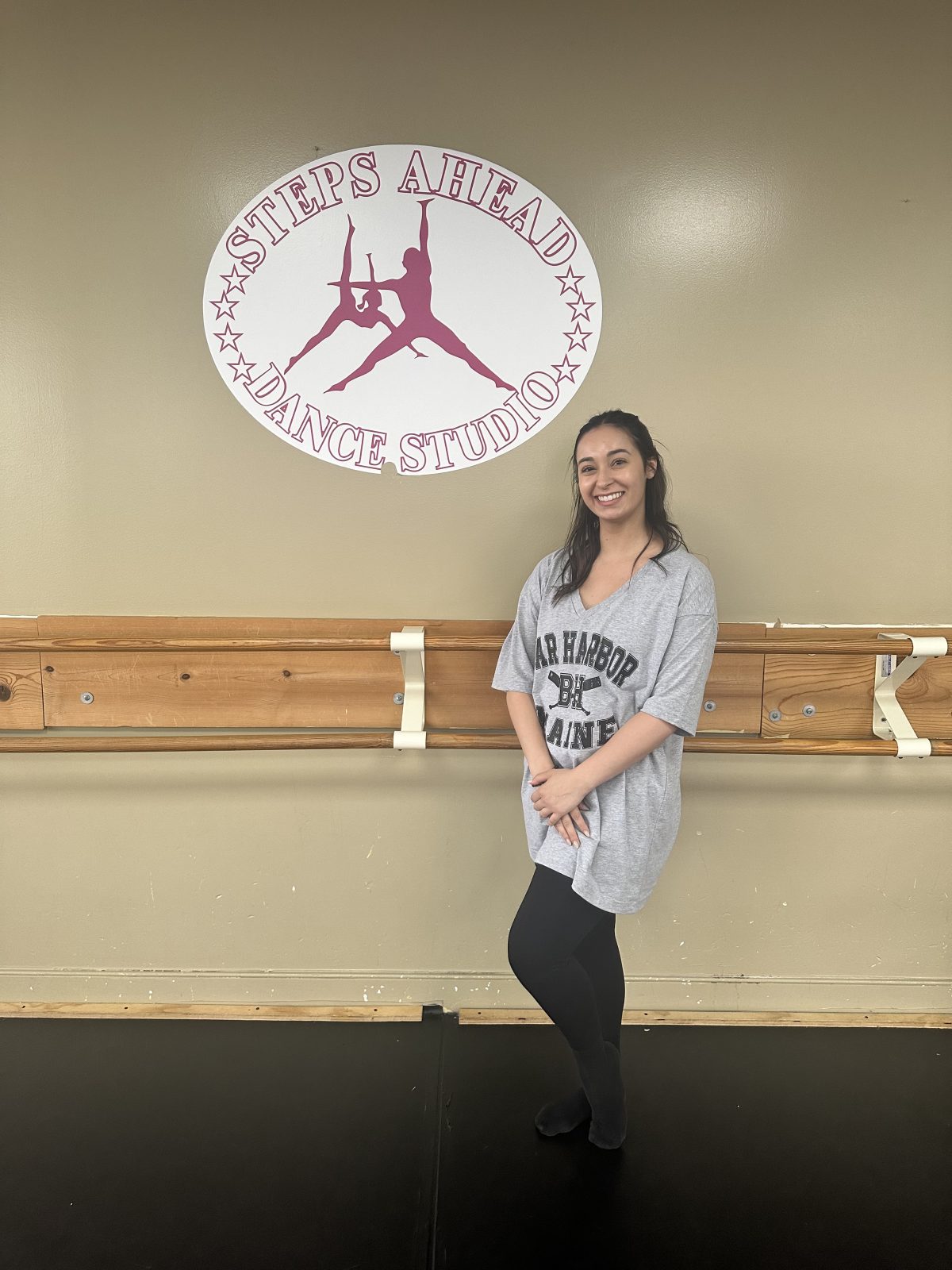
Victoria Santaguida, a professional dancer with roots in Toronto, Canada, has become a
prominent figure in the dance world of New York City. Her journey from a young dancer in
Toronto to a respected instructor and entrepreneur in one of the most competitive cities for the
arts is a testament to her talent, dedication, and passion for dance.

Victoria’s early years in Toronto were marked by rigorous training and a deep love for ballet. Her
commitment to the craft was evident from a young age, and it wasn’t long before she moved to
New York City to pursue her dreams. The vibrant dance scene of NYC provided her with
numerous opportunities to refine her skills and showcase her talent on various prestigious stages.

Isabella Guerriero, Leanna Cruz, Victoria Santaguida, Gabriella Apicella, Isabella Mayo, Madison Nunes

Over the years, Victoria has performed with numerous renowned dance companies, gaining
recognition for her exceptional technique and emotive performances. However, her contributions
to the dance community extend far beyond her performances. Recognizing the importance of
nurturing young talent, Victoria has dedicated a significant portion of her career to teaching.

For several years, she has been a beloved instructor at Steps Ahead Dance Studio, a dance studio
in Howard Beach, where she has been instrumental in shaping the skills and careers of countless
young dancers. Her teaching style, a blend of traditional ballet discipline and contemporary
creativity, has resonated with students, making her classes highly sought after.

Victoria’s commitment to education and training led her to establish her own ballet training
program, VDR with studio owner Danielle Jenkins and fellow colleague, Roger C. Jeffrey. VDR
is more than just a training program; it is a comprehensive approach to ballet education that
emphasizes not only technical proficiency but also artistic expression and personal growth.
Through VDR, Victoria aims to provide a supportive and challenging environment where young
dancers can thrive and reach their full potential.

Victoria Santaguida

Her extraordinary ability to inspire and motivate her students has made her a beloved figure in
the dance community. Victoria’s students not only learn the technical aspects of ballet but also
gain confidence, discipline, and a lifelong appreciation for the arts. Many of her students have
gone on to pursue dance, a testament to her effective teaching methods and her unwavering
support.

Victoria Santaguida’s impact on the dance world is profound. She continues to inspire future
generations of dancers through her performances, her teaching, and her innovative training
program. Her journey from Toronto to New York City, and her dedication to the art of dance,
serve as an inspiration to aspiring dancers everywhere. Victoria’s story is a reminder of the power
of passion, perseverance, and the importance of giving back to the community.

Top High Schools in Queens, NYC in 2024

You send your child to one of our top high schools because you believe education is an investment. That has not changed for us. An investment in education pays off for their future. They have more choices, they are motivated in ways that other schools don’t even think, and they have an easier path to finding a passion.

At these schools, more resources are spent on giving individual attention to the student, hence there is a tuition. These schools give intense effort to create an atmosphere where students will thrive at ‘the next level’.

New NYC Legislation Seeks to Green Affordable Housing

Courtesy Green Co-op Council

A new bill, Intro 654, proposed to the NYC Council aims to enable green improvements in over 1,000 co-ops by providing tax breaks for necessary upgrades, benefiting more than 166,000 families and supporting compliance with Local Law 97.


A new bill proposed to the New York City Council could pave the way for green improvements to over 1,000 co-ops throughout the city. Intro 654, spearheaded by City Council Housing Chair Pierina Sanchez and Councilmember Lynn Schulman, aims to fortify city housing against climate change while enhancing comfort for residents.


The legislation builds on the “Affordable Housing Rehabilitation Program” passed by New York State in 2023, but it requires City Council approval to take effect in New York City. If enacted, the program would provide significant tax breaks to eligible co-op and condo owners, facilitating vital upgrades in line with Local Law 97, which mandates substantial reductions in building emissions.


“Today, we stand strong in support of Intro 654, a forward-thinking bill that supports affordable housing and fights climate change. This legislation will allow certain buildings to receive crucial property tax abatements, helping them comply with Local Law 97,” said NYC City Council Member Shaun Abreu. “This is a significant opportunity for many buildings in our district that need assistance in meeting these important environmental standards. Together, we can create a sustainable future, ensuring cleaner air and healthier homes for all our community members.”


With over 166,000 families poised to benefit, the initiative is seen as a crucial step toward improving housing affordability in a city grappling with rising costs. Advocates believe the bill will not only upgrade housing but also ease financial burdens for low- and middle-income residents.


“My neighbors and I want to make improvements and comply with Local Law 97 for the long-term sustainability and health of our building. The assistance Intro 654 would provide would make a BIG difference for those of us with limited incomes – we’d save more than $50,000 a year! I urge the City Council to pass this bill,” said Elaine O’Brien, co-op shareholder in Queens.


Eligible buildings under the proposed program would include those with an average assessed value under $45,000 per unit, those in the Mitchell-Lama program, and mutual housing companies. Work must be completed between June 30, 2022, and June 30, 2026. Data from the Mayor’s Office indicates at least 1,318 co-ops and condos would qualify for tax relief, with 83% needing upgrades by 2030.


“As NYC faces the intersecting crises of rising housing unaffordability, evictions and homelessness, with low and middle-income New Yorkers leaving the city in record numbers, the preservation and upgrading of the housing we do have is of paramount importance. That is why I am proud to have introduced Int. 654, reauthorizing the J51 tax incentive, which could save more than 166,000 families in co-ops across the city thousands of dollars each year, while enabling buildings across the city to comply with the ambitious and necessary climate goals of Local Law 97. Local Law 97 is the nation’s most aggressive municipal climate law, targeting emissions reduction that can make our communities easier to live and breathe in. With Int. 654, we can upgrade our housing, put money back into the pockets of everyday New Yorkers, and green our city. I urge my colleagues to join me in supporting and passing this critical legislation” said NYC Council Housing and Buildings Chair Pierina Sánchez.


Key boroughs expected to benefit include Brooklyn, Queens, and the Bronx, with the largest concentrations of eligible buildings located in neighborhoods like Forest Hills and Riverdale.


Sample savings from the tax abatement could significantly alleviate the financial burden of compliance for co-ops. For instance, an 83-unit co-op in Jackson Heights could see property tax reductions of over $53,000 annually, facilitating essential energy efficiency upgrades.


The Council of New York Cooperatives & Condominiums (CNYC Inc.) has supported the climate goals of Local Law 97 (LL97) since its inception. Improving the energy efficiency and resiliency of New York City’s housing, reducing New York’s reliance on fossil fuels, and cutting carbon emissions are critical collective goals, necessary not only for improving the quality of life of future generations but also to ensure existing housing can withstand further flash floods, wind-driven rain, and multiple days of high temperatures. But many cooperative and condominium homeowners are already under financial pressure from the ongoing increases in their housing expenses, and they need help paying for their building upgrades. CNYC welcomes and supports Intro 0654, as an urgently needed first step,” said Rebecca Poole, Director of Membership, CNYC Inc.


To maximize the effectiveness of this program, advocates are urging the City Council to expedite the legislation, streamline application processes, and explore upfront financing options for co-ops struggling with initial costs. The Green Co-op Council emphasizes the need for swift action to support these crucial upgrades and meet the city’s climate goals.


Queens Man Indicted for Predatory Sexual Assault and Rape of 13-Year-Old Girl in Kissena Park

Courtesy Crime Stoppers

Christian Inga, a 25-year-old from Corona, has been indicted on serious charges, following an alleged attack on two 13-year-old girls in Kissena Corridor Park on June 13.


By MOHAMED FARGHALY

mfarghaly@queensledger.com


In an update to a disturbing case that has shaken the city earlier this year, Christian Inga, a 25-year-old resident of Corona, has been indicted on multiple serious charges, including predatory sexual assault, first-degree rape, and kidnapping, in connection with an assault on a 13-year-old girl and her friend at Kissena Corridor Park in Flushing. Queens District Attorney Melinda Katz announced the indictment on emphasizing the gravity of the alleged crimes.


The harrowing incident occurred on June 13, when Inga approached the two girls, who were enjoying a sunny afternoon in the park after school. Armed with a machete-style knife, Inga reportedly threatened the children, coercing them into a nearby wooded area. There, he allegedly bound their wrists with a shoelace, gagged both victims with cloth, and sexually assaulted the girl while the boy was also restrained.


“This was a daytime nightmare for two children who were simply enjoying a day in the park after school,” Queens District Attorney Melinda Katz said. “The defendant is accused of raping the girl after threatening the youngsters with a knife, forcing them into a wooded area, tying them together and gagging them. These children gave a detailed description of their alleged attacker and thanks to community members and the NYPD, Christian Inga was arrested after an intensive manhunt. The defendant is now charged with predatory sexual assault – one of the highest charges available in New York state – and will face justice in our courts.”


Inga is facing a total of 16 charges, which include three counts of predatory sexual assault, two counts of kidnapping in the second degree, two counts of robbery in the first degree, and several counts of sexual abuse and endangering the welfare of a child. If convicted, he faces a potential sentence of 25 years to life in prison, reflecting the severity of the crimes committed.


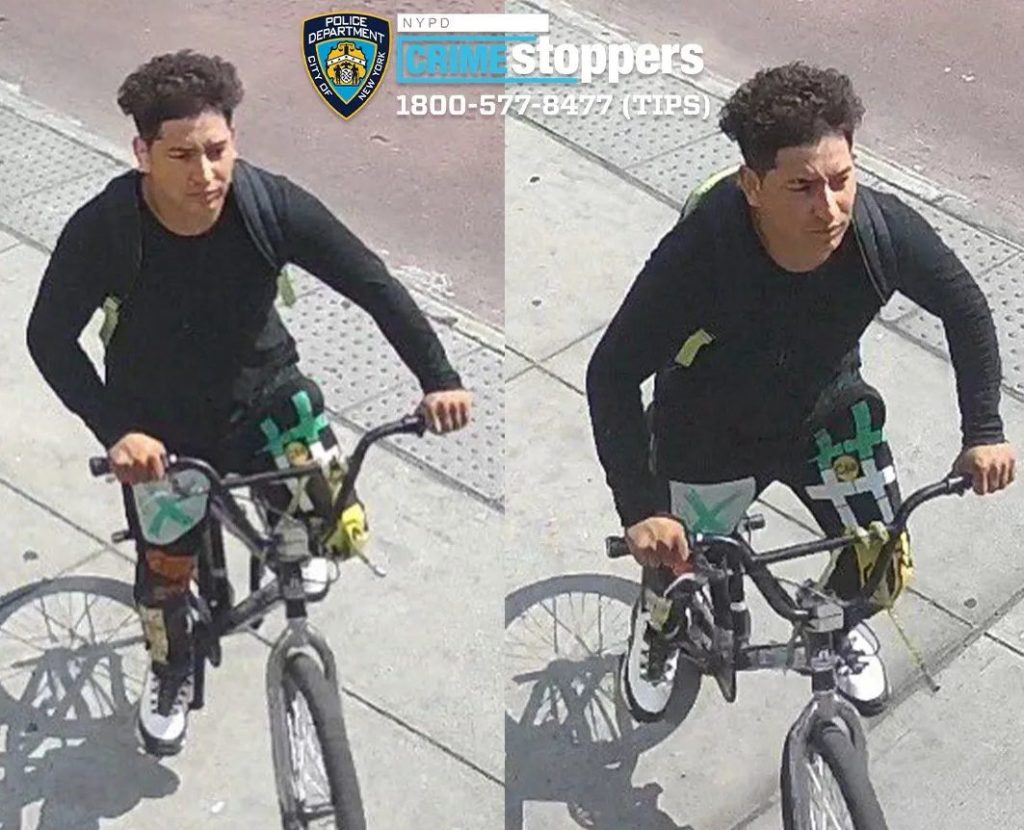
Following the attack, the NYPD launched an intensive week-long manhunt for Inga, during which they released surveillance images to the public in hopes of identifying him. The cooperation of community members proved crucial, as several individuals recognized Inga from the images. He was ultimately apprehended early Tuesday morning at a single-room-occupancy dwelling in Corona, just three miles from the park. Upon his arrest, a physical altercation ensued, resulting in minor injuries to the suspect, who was then taken to a local hospital for evaluation before being remanded into police custody.


Inga was arraigned before Queens Supreme Court Justice Ushir Pandit-Durant, where he was formally charged. The judge continued his remand and scheduled his next court appearance for November 12. The prosecution is being led by Assistant District Attorney Kasey Esposito, who is part of the District Attorney’s Special Victims Bureau, under the supervision of experienced attorneys specializing in cases involving vulnerable victims.


The investigation was conducted by the Queens Special Victims Squad, led by Detective George Allen, who emphasized the department’s dedication to handling such sensitive cases with the utmost care and urgency.


Criminal complaints and indictments are accusations. A defendant is presumed innocent until proven guilty.


Flushing, Queens’ Bowne House Awarded Textile Conservation Grant

By Nova M Bajamonti

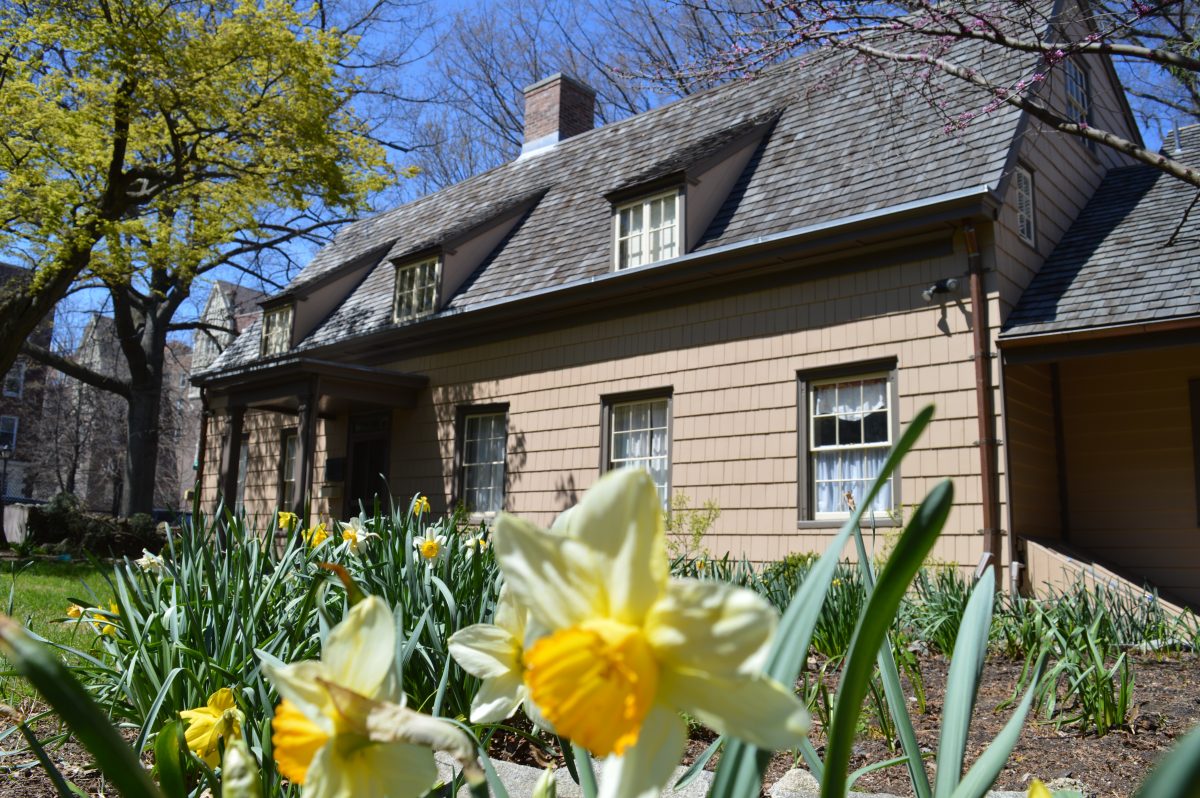
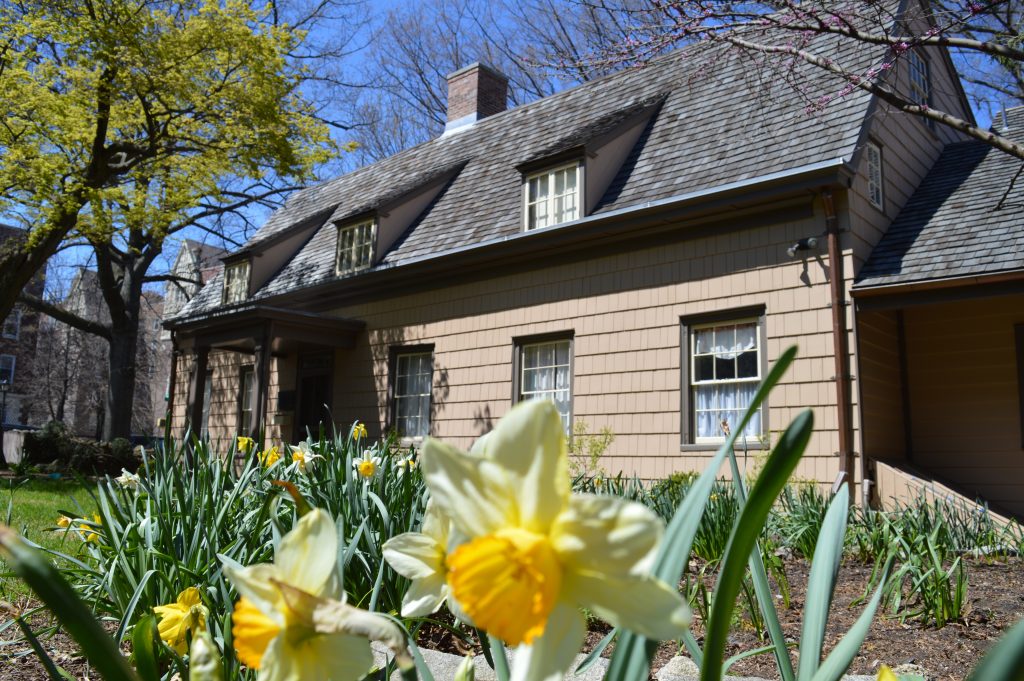
The Anglo-Dutch Bowne House, which was built around 1661, has received the New York State Council on the Arts/ Greater Hudson Heritage Network’s grant to help conserve its historical textiles.

The Bowne House will be sharing the $65,000 textile assessment funding with ninety-three organizations that represent thirty-eight countries. 

The landmark is Queens’ oldest property, and has been awarded the grant for its eighteen pieces of textiles that underwent a one half-day profession assessment. 

South Salem’s Textile Conservation Workshop, Inc., which has been assessing textiles since 1978, oversaw the on-site testing of the museum’s textiles.

According to the Bowne House’s website, the vice-president of the museum’s board of trustees, Rosemary S. Vietor shared her response to the celebratory news, and stated: “Bowne House is grateful for NYSCA/GHHN funding enabling a part of our collection of rare American samplers to be assessed professionally for future conservation. 

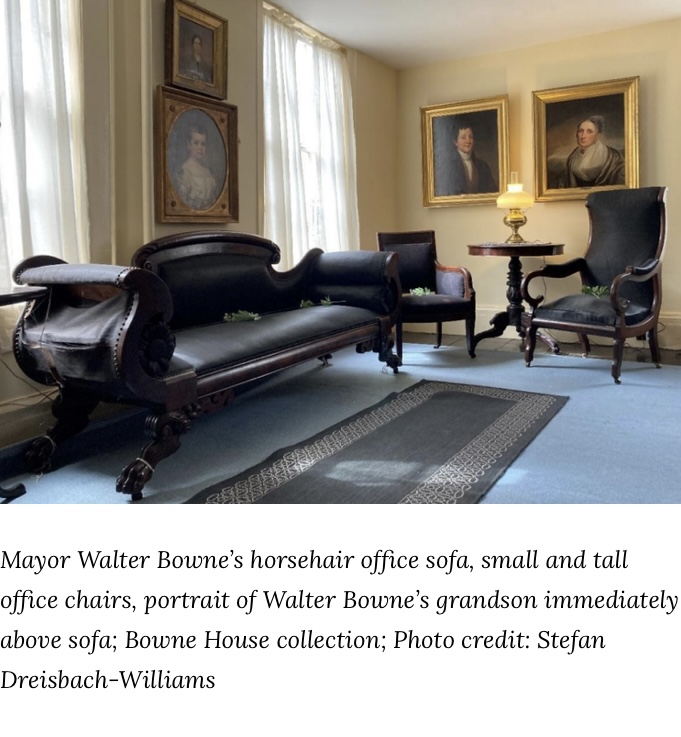
“The museum staff professionally caretakes an extraordinary collection of textiles, furniture, fine and decorative arts, and English and American ceramics owned, and used by members of the Bowne family, for more than three hundred years. 

“NYSCA/GHHN funding is critical to the maintenance of this large and important collection.”

Screenshot

The Bowne House’s collection volunteer Ellen Spindler, who wrote the grant application, has shared the process of conserving the museum’s textiles and the house itself, with the Queens Ledger and explained: “The Bowne House Historical Society owns the museum’s collections, including textiles and archives, and operates the museum, while the City owns and maintains the actual house and land. 

“Textiles are conserved as funds [and] are available through grants and other fundraising efforts. 

“They are stored in specialty boxes with acid-free tissue or Tyvek, in accordance with the conservator’s recommendations. 

“We have long hoped for a visitor’s center where we can both store and display our textiles under ideal conditions.”

Ellen explained the important story behind some of the museum’s textiles and shared: “All of our textiles are significant. For example, we have several samplers sewn by former Bowne House residents like Eliza Bowne and Mary B. Parsons. 

“These include eighteenth and nineteenth century samplers crafted at some of the earliest young ladies’ academies, and co-ed boarding houses after the Revolutionary War, like the Nine Partners’ Quaker boarding school in upstate New York. 

“Some of the samplers have texts taken from poems, or other moral or literary references, which show the style of learning utilized to teach young girls literacy. There is clothing in the collection also associated with former Bowne and Parsons’ residents.”

Screenshot

This isn’t the first grant that the museum has been awarded. The property has also received the financial award to help maintain its 1909 painting created by Edwin B. Child, that featured Mrs. Robert Bowne Parsons, as well as a grant to help maintain a 19th century black doll. 

The grant program provides three application options for organizations seeking financial assistance.

Organizations can annually apply for all three opportunities, which include the conservation treatment (maximum award is up to $7,500), preservation supplies (maximum award is up to $650), and site assessment (maximum award is up to $1,000).

The conservation treatment focuses on helping preserve historical items. 

The preservation supplies award provides economical help for organizations interested in purchasing supplies to maintain its collections. 

The site assessment grant includes step-by-step guidance alongside a collections consultant to figure out how a museum can alter its storage to best maintain its precious items. 

The Bowne House has been standing tall for more than 300 years, and has been occupied by many generations of the same family, starting with John Bowne, who built it in 1661.

Many of the family members were heavily involved in activism in support of abolition, and the property is the only house in all of Queens that participated in the National Underground Railroad’s Network to Freedom.

Ellen explained: “This research started with the discovery of a letter in the archives dated September 28, 1850, from a known anti-slavery minister Simeon Jocelyn, appealing to a Bowne House resident William B. Parsons, to assist in harboring a freedom seeker. Further research discovered other letters, obituaries, and supporting documentation.”

Ellen shared that many of the visitors who take a tour of the museum, “are often surprised to learn how Quakers were in the vanguard of the anti-slavery movement in the eighteenth and nineteenth centuries, and the extent of Underground Railroad activities documented so far, as having occurred in Flushing and Long Island.”

She added: “Many [visitors] may also not be aware of the family’s participation in the Free School movement, including efforts made by Bowne, and Parsons women to educate indigent young girls, and black youth, by helping to form the Flushing Female Association, and New York Female Association – both using samplers, in part, as a fundraising tool, to operate their schools.”

The Bowne House offers guided tours, educational programs and many events, which can be viewed on its website. 


Welcoming Fall with Fun and Wellness at Dry Harbor Festival

By MOHAMED FARGHALY

mfarghaly@queensledger.com


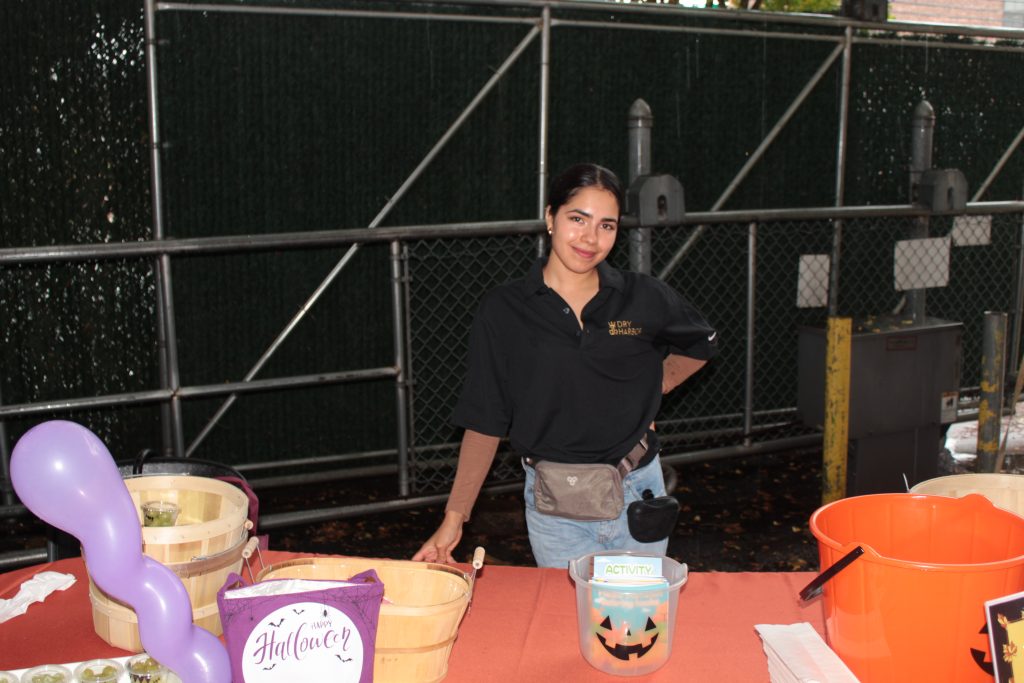
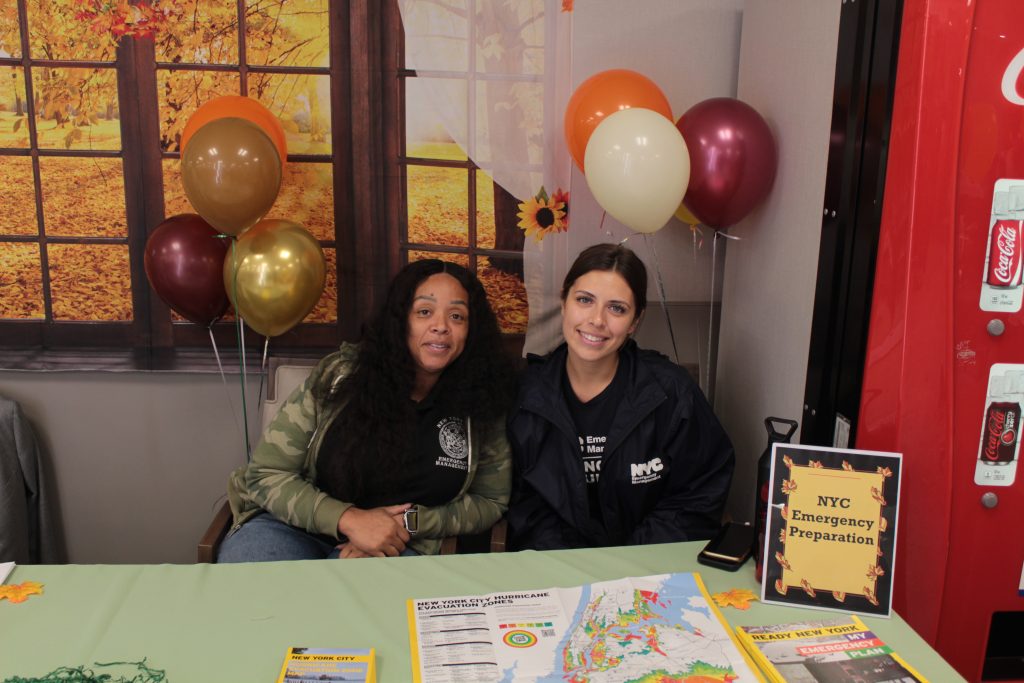
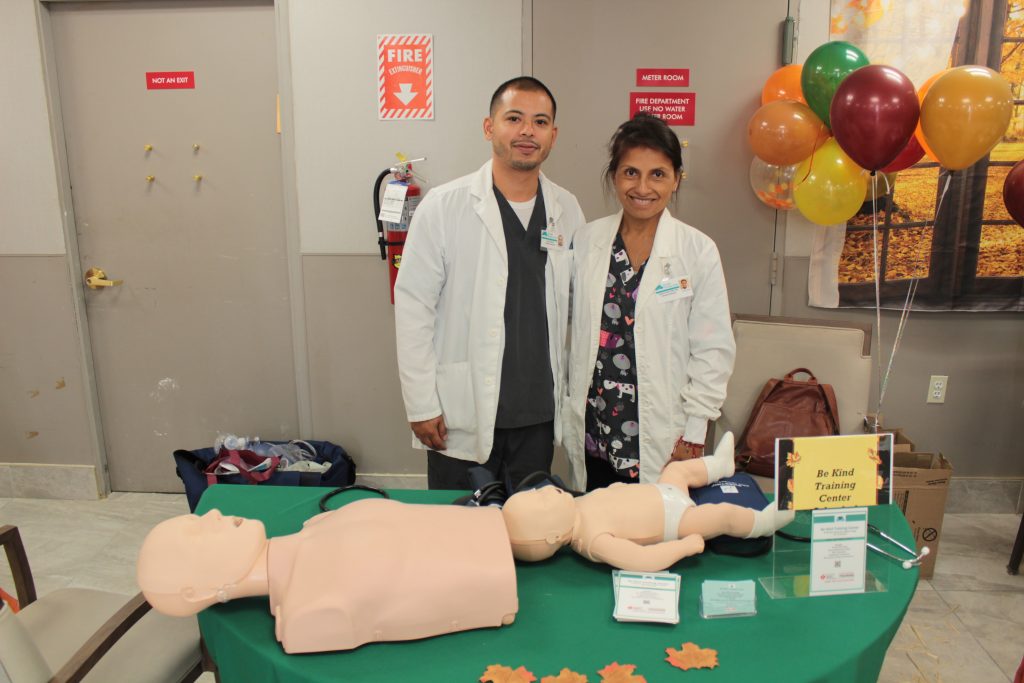
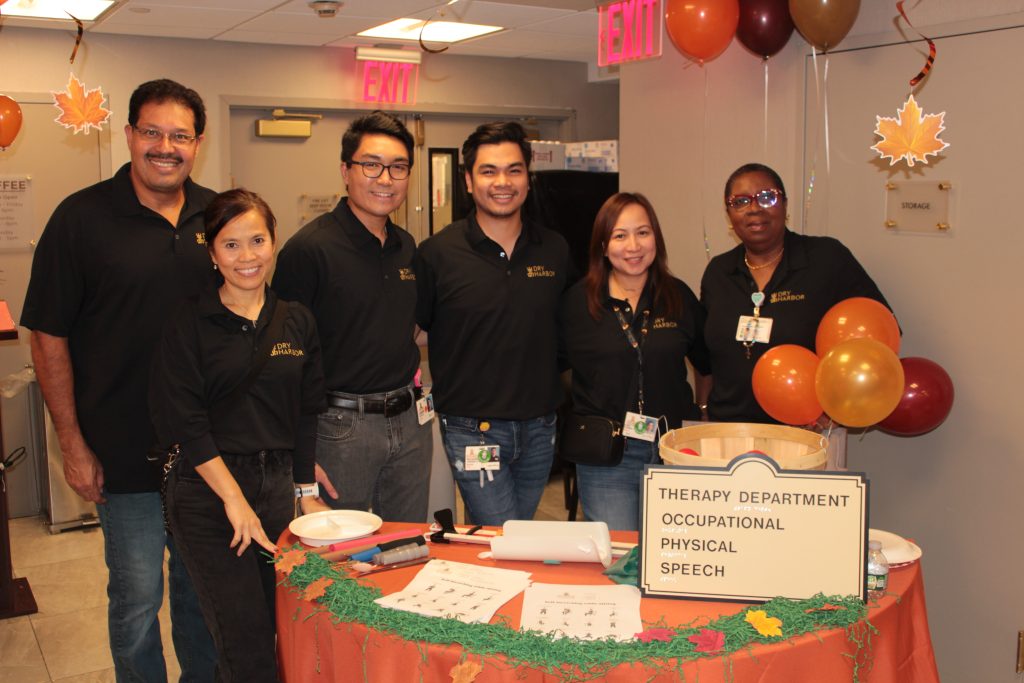
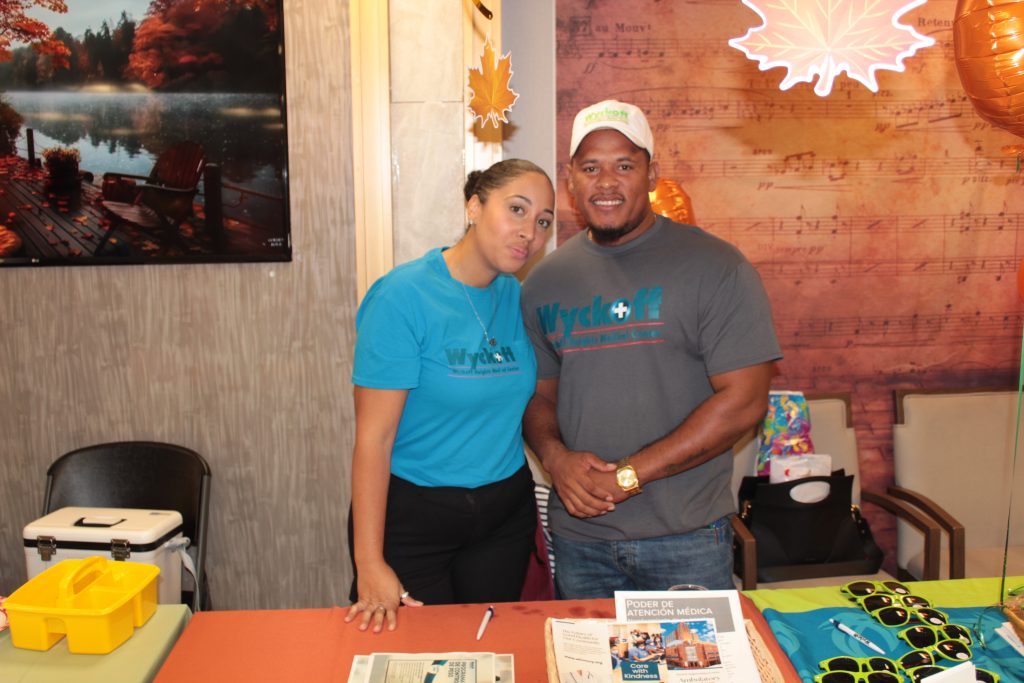
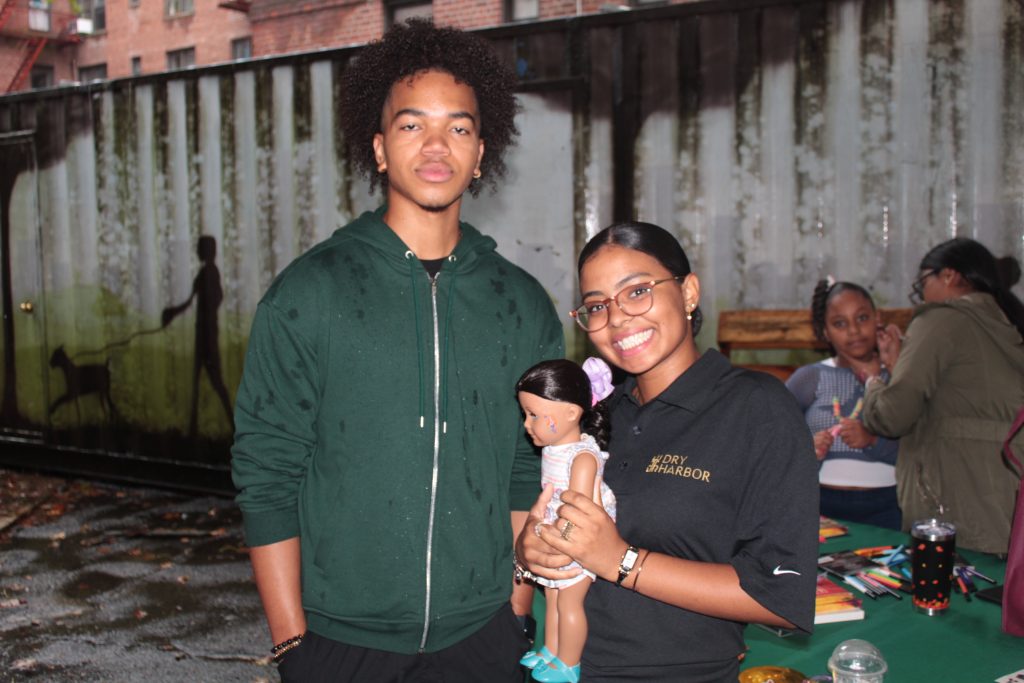
Dry Harbor Nursing and Rehabilitation Center held its annual Fall Festival & Health Fair on Sept 29, drawing attendees of all ages for a day of wellness, fun, and community bonding. The event ran from 11 a.m. to 3 p.m. at the center’s location on 6135 Dry Harbor Rd. 


Designed to promote health and wellness, the fair featured activities such as blood pressure screenings, diabetes management tips, and exercise and fitness education. Experts were also on hand to discuss financial and long-term planning, as well as understanding insurance coverage. In addition to health services, attendees enjoyed games, snacks, and opportunities to engage with local community figures, including representatives from the NYPD and FDNY, who provided emergency preparedness tips. 


With a strong family-friendly atmosphere, the event was a resounding success, fostering a sense of community while emphasizing the importance of staying active and informed as the cooler weather approaches.

Community Board Debates Latest Newtown Creek Plan

A view of Newtown Creek, which has been a Superfund site since 2010, from the Pulaski Bridge. Photo by Jack Delaney.

By Jack Delaney

On Sept 30, community leaders raised a flurry of questions about the EPA’s proposal for cleaning up the East Branch of Newtown Creek.

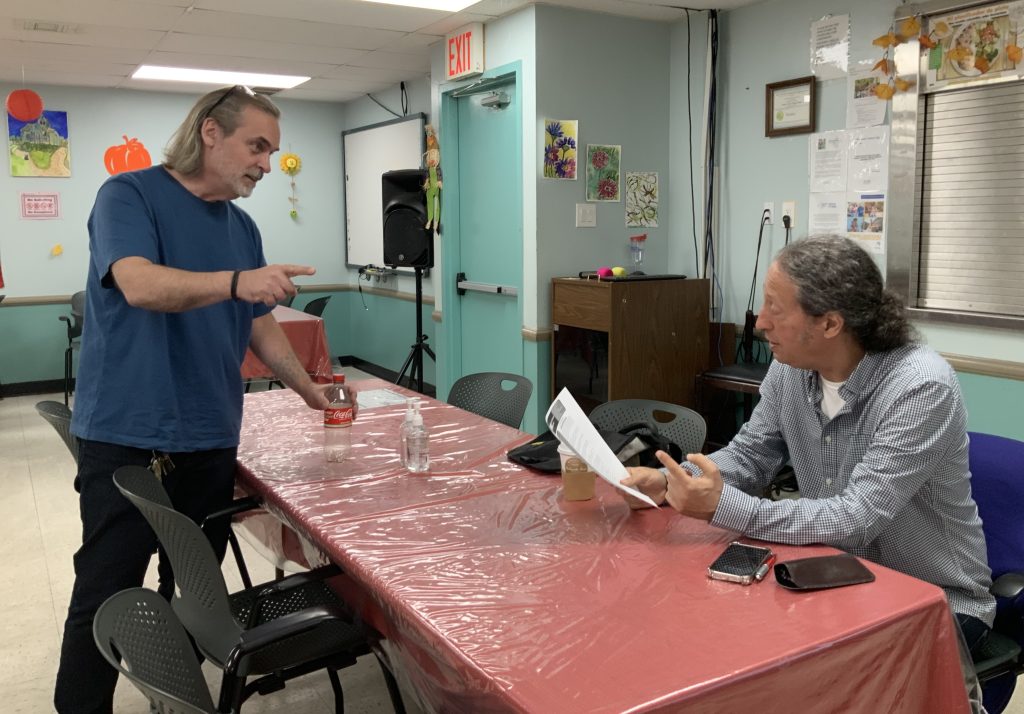
Members of the Community Board No. 1 Environmental Protection Committee met at Swinging Sixties Senior Center in North Williamsburg on September 30 to draft a comment to submit to the EPA as part of the plan’s public review period, which was recently extended. While the committee was enthusiastic that work might begin as soon as next year, those present voiced two main concerns: frustration over a lack of details around technical aspects of the proposal, and a desire for more community input going forward.  

Efforts to clean the 3.8-mile Newtown Creek are relatively recent, given its long history of pollution. It was a hotspot for heavy industry during the 19th century, housing over 50 factories and processing plants along its banks. In 1856, the city began dumping raw sewage into the estuary, and contamination worsened as commercial boat traffic steadily increased, reaching a fever pitch with World War II. 

The waterway was named a Superfund site in 2010, and plans for remediation began in 2011. The Record of Decision, which is the final stage before full-scale work on the creek can proceed, was originally due to be completed by 2023, but was later pushed to 2028.

The proposal up for debate on Monday was an early action plan for the East Branch, one of Newtown Creek’s five tributaries. While limited in scope, members of the Environmental Protection Committee praised the concept of beginning now, rather than waiting for a plan encompassing the entire creek.

“That part is kind of exciting,” said board member Katie D. Horowitz. “That there could actually be something started in 6 months to clean up.” Board chair Stephen Chesler agreed. “This could act as a study for treating the rest of the creek. That’s one of the key things here.”

Brooklyn Community Board 1 members Eric M. Bruzaitis, left, and Stephen Chesler spar over the finer points of the EPA’s Early Action cleanup plan for the East Branch of Newtown Creek. Photo by Jack Delaney.

The East Branch proposal outlines several possible approaches, ranging from no action to a $500 million, 7-year plan to dredge the entire tributary. The EPA’s preferred alternative is a compromise of dredging deep enough to place a cap over the sediment, a $250 million, 3-year improvement. But at Swinging Sixties, the consensus was that the EPA’s presentation of this option at a public meeting on September 18 had left much to be desired.

“You walked out of the meeting, and you don’t really know what’s going to happen,” said non-board committee member Christine Holowacz.

In drafting a public comment, the EPC board honed in on several specifications they believed had been omitted. “By now, [the EPA] should be able to at least discuss the composition of the cap,” member Laura Hofmann remarked. For his part, Chesler wanted to know more about why the proposed bulkheads were only temporary. “This description is a red flag for me,” he said, pointing to a bullet point on the projector screen. “I asked this at the [September 18] meeting — what’s the permanent solution, then?” 

Yet another debate erupted over the plan’s decision to add six inches of biota, a layer of living organisms reintroduced after dredging, rather than the state standard of two feet. Zooming out, Horowitz called for a clearer sense of how the EPA will monitor results after implementation.

The three members also on the Newtown Creek Community Advisory Group (CAG) — Chesler, Holowacz, and Hofmann — were just as focused on the issue of navigability. If the East Branch were designated for commercial use by boats, the plan would need deeper dredging, and discussions about replacing nearby structures such as the aging Grand St. Bridge would have to accommodate this status. 

Chesler worried about what he saw as a disconnect between governmental agencies involved in the cleanup. The Army Corps of Engineers released a report in January 2024 designating the East Branch as non-navigable, he noted, but the city was continuing with discussions of a movable bridge, under the assumption that it would be navigable. Was the EPA taking this into account? “We should wait for the bridge design,” he said, “because that would change the game.”

“If you have to dredge navigable water,” seconded Hofmann, “forget it.” 

Amidst all the minutiae, the main point everyone on the committee agreed upon was that active dialogue with the public should continue. “We just need to make sure that this is a robust plan that will give us what we need,” said Holowacz.

The EPA will accept written comments on the Proposed Plan during the public comment period, which now ends on October 28. Written comments should be addressed to Caroline Kwan, Remedial Project Manager, U.S. Environmental Protection Agency, 290 Broadway, 18th Floor New York, NY 10007.


YMCA’s BoldInitiative to Tackle Homelessness in Queens

Courtesy YMCA

The YMCA of Greater New York has secured a $500,000 grant from the Citi Foundation to tackle homelessness in Queens by offering financial coaching and job training for vulnerable populations.

By MOHAMED FARGHALY

mfarghaly@queensledger.com

Citi Foundation as part of its 2024 Global Innovation Challenge, aimed at enhancing efforts to address homelessness in the Queens community. This funding comes at a critical juncture as homelessness continues to rise in the United States, particularly affecting vulnerable populations, including young people in New York City.

“A myriad of factors have led to the persistence of homelessness in communities around the world, including in the U.S., where the lack of affordable housing means that too many individuals and families go to sleep each night without a safe and stable home,” said Brandee McHale, President of the Citi Foundation and Head of Citi Community Investing & Development. “Each grantee selected to join this ambitious cohort of innovators recognizes the need for bold and locally tailored solutions that will equip our neighbors with the resources they need to secure affordable, reliable housing for both the near and long term.”

Cedric Dew, Vice President of Transitional Housing at the Jamaica YMCA, expressed enthusiasm for the funding, noting that the YMCA successfully articulated a compelling case to secure one of only nine global grants. 

“We were one of nine recipients to receive the grant,” Dew said. “We were able to articulate a really strong case for this opportunity to provide these services to our community. Housing is the most important thing, and we know that without solid income and a foundation of economics, folks struggle to always sustain housing.”

Courtesy YMCA

This initiative aims to support 750 individuals and restore dignity through community engagement and partnerships.

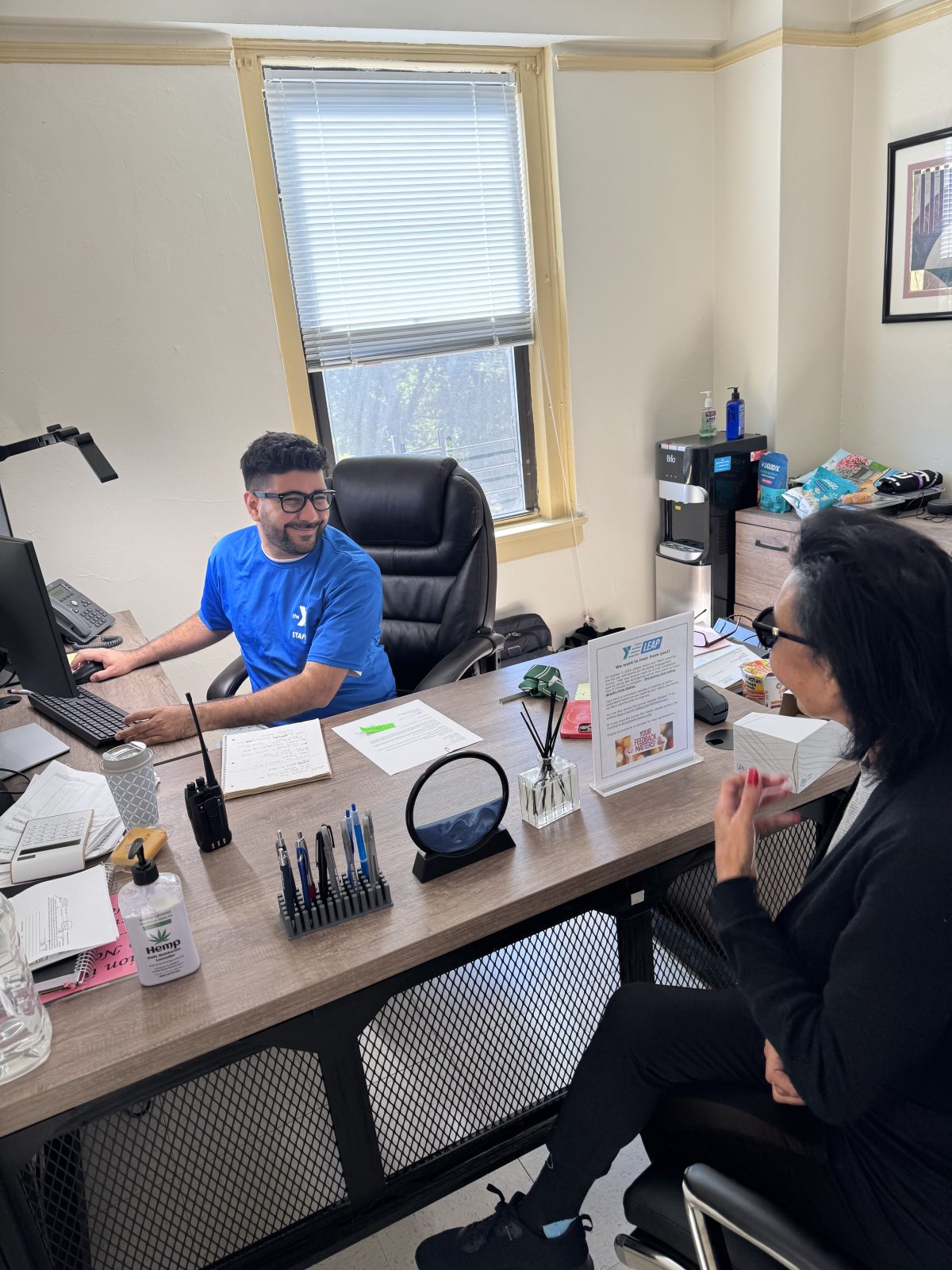
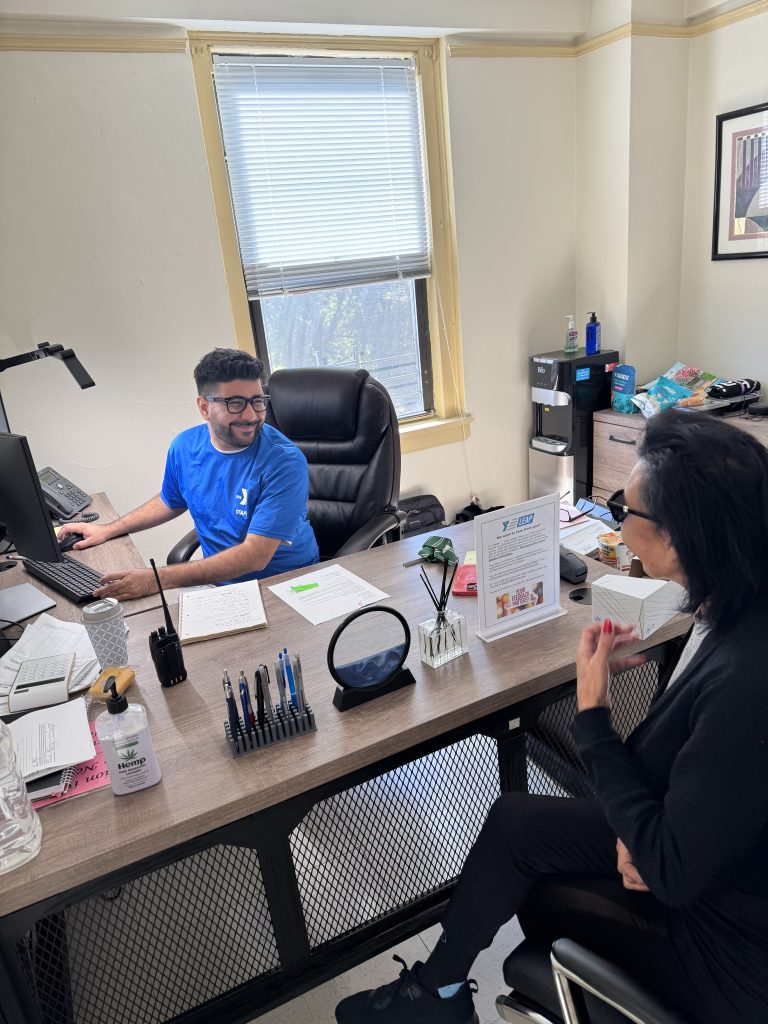
The grant will enable the YMCA to offer a range of essential services tailored to individuals experiencing homelessness. These services include financial coaching, job training, employment opportunities, and stipends, with particular emphasis on meeting the diverse needs of the Spanish-speaking community and those affected by HIV/AIDS. This comprehensive approach aims to empower clients and equip them with the skills necessary to regain stability in their lives.

The urgency of these resources is underscored by alarming statistics from the New York City Department of Homeless Services. Between January and July of 2024, over 1,100 young people were denied shelter, often resulting in their return to the streets. Dew highlighted the importance of proactive engagement with young adults—ages 18 and older—who are particularly vulnerable.

“One of the things that this program will do is it will restore dignity,” Dew said. “When you empower people with knowledge and information, they start to feel empowered. We see this as a great opportunity to reinforce the work we currently do by assisting people with housing while at the same time giving people the tools they need in order to move into current housing.”

Through the funding, the YMCA aims to serve approximately 750 individuals, focusing heavily on financial literacy as a cornerstone of its initiative. 

“Every time we don’t assist young adults, we run the risk of people becoming homeless,” Dew said. “We help them make smart decisions about credit cards. We help them understand what student loans mean. Most of these folks have experienced some version of trauma, and the trauma has to be dealt with.”

The initiative not only seeks to provide immediate relief but also aims to foster long-term stability for participants.

In addition to financial education, Dew emphasized the YMCA’s holistic approach, which includes addressing the emotional and social needs of clients who have often faced significant trauma. 

Dew shared that many of the individuals seeking help at the YMCA come from diverse backgrounds, including women fleeing domestic violence, veterans re-entering civilian life, senior citizens, and young people aging out of foster care. Each of these groups brings unique challenges, and the YMCA is committed to providing tailored support.

To measure success, the program will focus on “rehousing” clients and tracking their progress as they transition into stable living situations. Dew described a hopeful mantra at the YMCA: 

“When we see people walk out our door, we know we’ve done our job,” Dew said. “We see this in the long game, to continue providing these services to people in the community who need these services.”

The long-term vision for the YMCA’s transitional housing program is one of sustainability and growth. Dew stated, “We see this as not just a two-year initiative but a sustained effort to provide ongoing services to the community.” He believes that demonstrating successful outcomes and sharing the stories of individuals who benefit from the program will be essential in attracting further funding and support.

Partnerships play a pivotal role in the initiative’s potential success. Dew highlighted the importance of collaboration, noting that the YMCA works closely with numerous local agencies and organizations to reach those in need.

“This initiative wouldn’t be possible if not for our ability to exhibit the high levels of partnerships that we have,” Dew said. 

Dew also mentioned the role of education in the program, particularly through partnerships with local colleges and vocational training organizations.

“We help them make smart decisions about credit cards, we help them understand what student loans mean,” Dew said. 

As the YMCA prepares to roll out this program in the coming months, Dew remains optimistic about its potential impact. 

“We’re excited about the opportunity to bring added dimension to transitional housing in Jamaica Queens,” Dew said. 

The YMCA of Greater New York stands poised to make a significant impact in the fight against homelessness, showcasing the potential for innovative solutions through collaboration, community engagement, and a commitment to dignity and respect for all individuals. As the program takes shape, it represents a beacon of hope for those struggling with homelessness in Queens, fostering a path toward stability and self-sufficiency.


Adams Indictment Turns City into State of Confusion

by Robert Hornak

It’s almost two weeks since Mayor Eric Adams was indicted, and NYC’s future couldn’t be murkier. Right on cue, the calls for Adams to resign was immediate. No due process required.  AOC and her gang of far-left radicals, who never found Adams sufficiently far left enough, lead the charge along with people like Brad Lander and Scott Stringer who covet the office Adams now holds. Ulterior motives abound. 

Some are defending Adams and his right to due process, led by Adams allies Hazel Dukes from the NAACP and Al Sharpton, no stranger to corruption charges himself. Now Rep. Hakeem Jeffries, the top House Democrat, has come out on Adams behalf. 

Meanwhile, Adams has been defiant, proclaiming his innocence. So, if Adams refuses to resign, what happens next?

There are many possibilities. First, Gov. Hochul has the power to remove him according to chapter 1, section 9 of the City Charter, and as affirmed in 1932 by the court when FDR explored using it to remove Jimmy Walker. However, it’s unclear if Hochul wants to risk the backlash from Black Democrats. 

It’s also unlikely that the Democrats want to trigger a very unpredictable special election to replace Adams. The same goes for the Inability Committee provided for by the charter, consisting of five people, only one of whom would be appointed by someone who has called for Adams to resign. And it’s unlikely that Brad Lander would want next in line Jumaane Williams – who wasn’t even considering running for mayor next year – to become acting Mayor, giving him the chance to act mayoral for the non-partisan special election.  

A special election also opens the door for many wildcard candidates, including Andrew Cuomo, who has expressed interest in running in a special election knowing that his chances are far worse in the June partisan primary. Some members of the City Council may also get in on the action, wanting a platform for their issues or just to enhance their name ID, but can then still run for re-election to their council seat. 

However, should Adams hold on into the new year the opportunity for a special election runs out. The charter prohibits a special election once it gets within 90 days of the regularly scheduled primary, which would occur in late March – right in the middle of petitioning for anyone looking to run for the full four-year term. That makes petitioning for a seat like Public Advocate very messy, inviting people to jump into that race as well.

Democrats who need to make decisions on what office to run for next year will want a potential special election to be held by early February, which will require Adams removal no later than early December. Who wins that special will determine what November race they petition for later that month. 

There is no easy or clear path forward. Adams lawyers could negotiate a plea bargain sometime next year that would require him to plead guilty and resign, and we get an acting mayor, either Williams or Lander, until the end of the year. The only thing certain is that the timing of this has made a bad situation worse, nothing that anyone could have wanted. 

Robert Hornak is a professional political consultant who has previously served as the Deputy Director of the Republican Assembly Leader’s NYC office and as Executive Director of the Queens Republican Party.

Fill the Form for Events, Advertisement or Business Listing