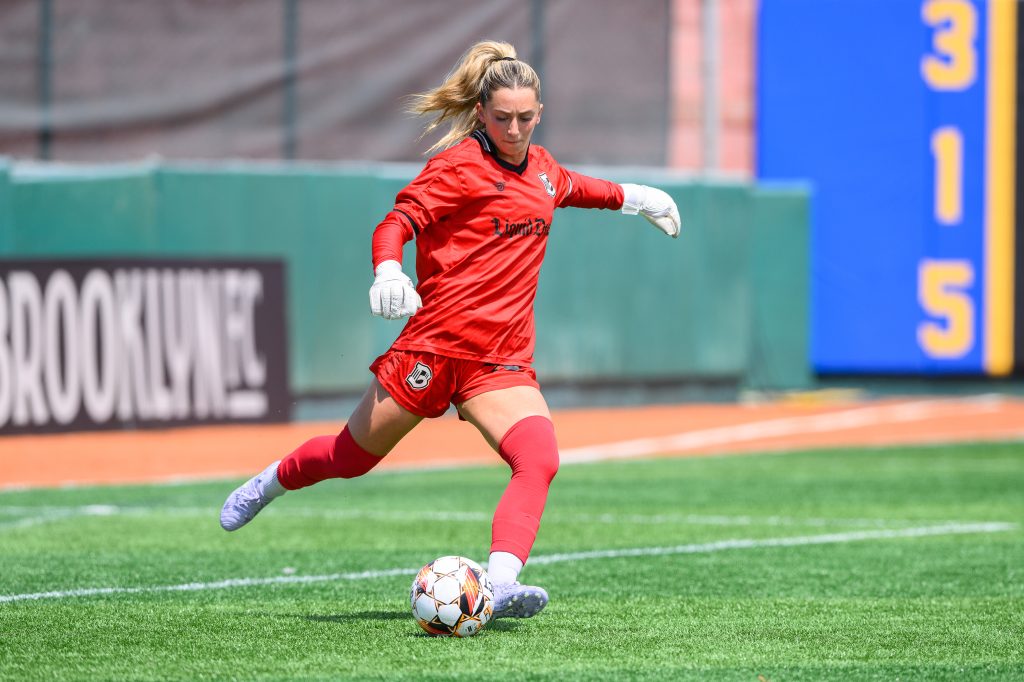
Kiwanis Club of Maspeth Awards Scholarships to 15 Local Students

BY SOFIA MONTAGNA

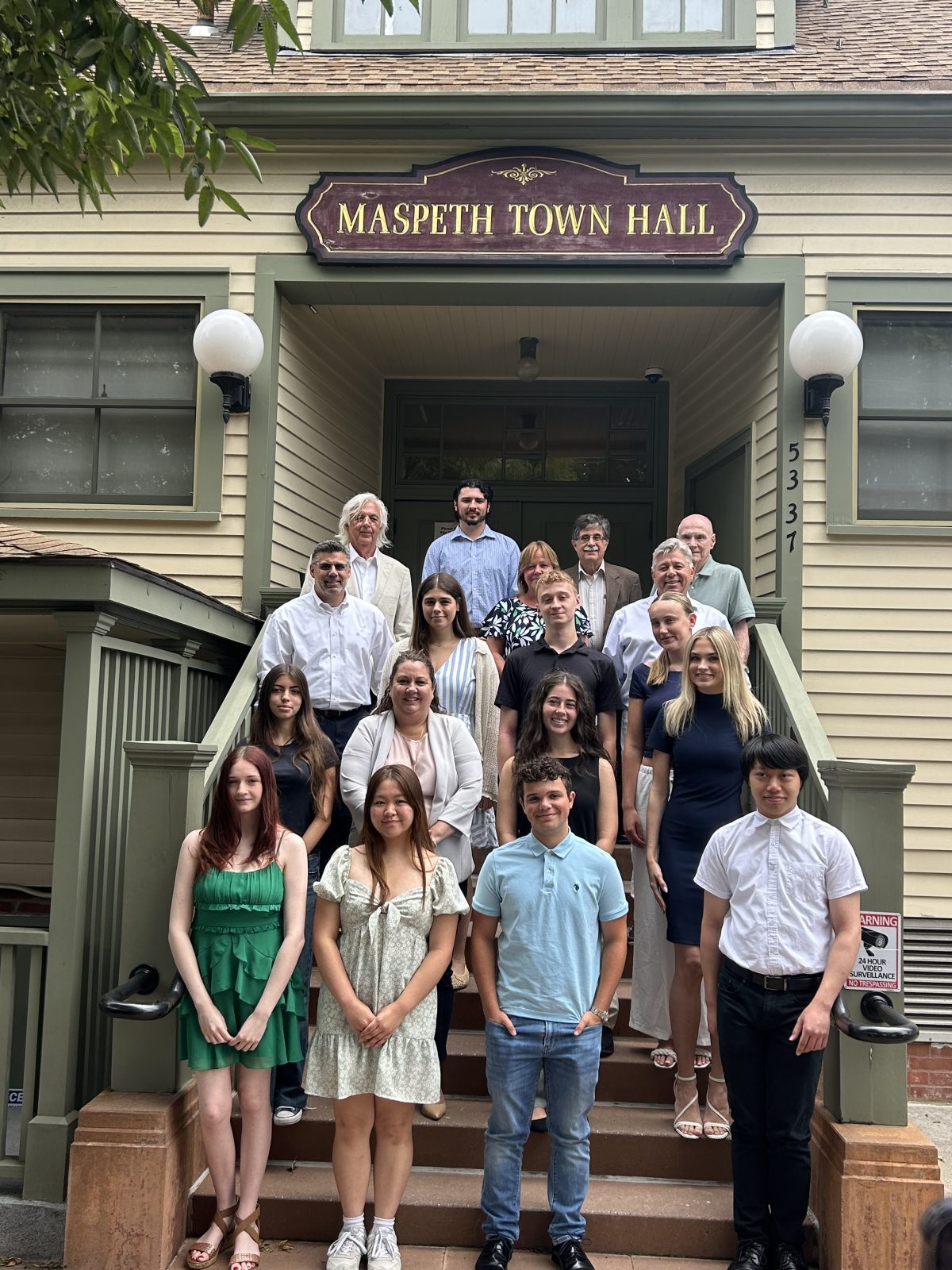
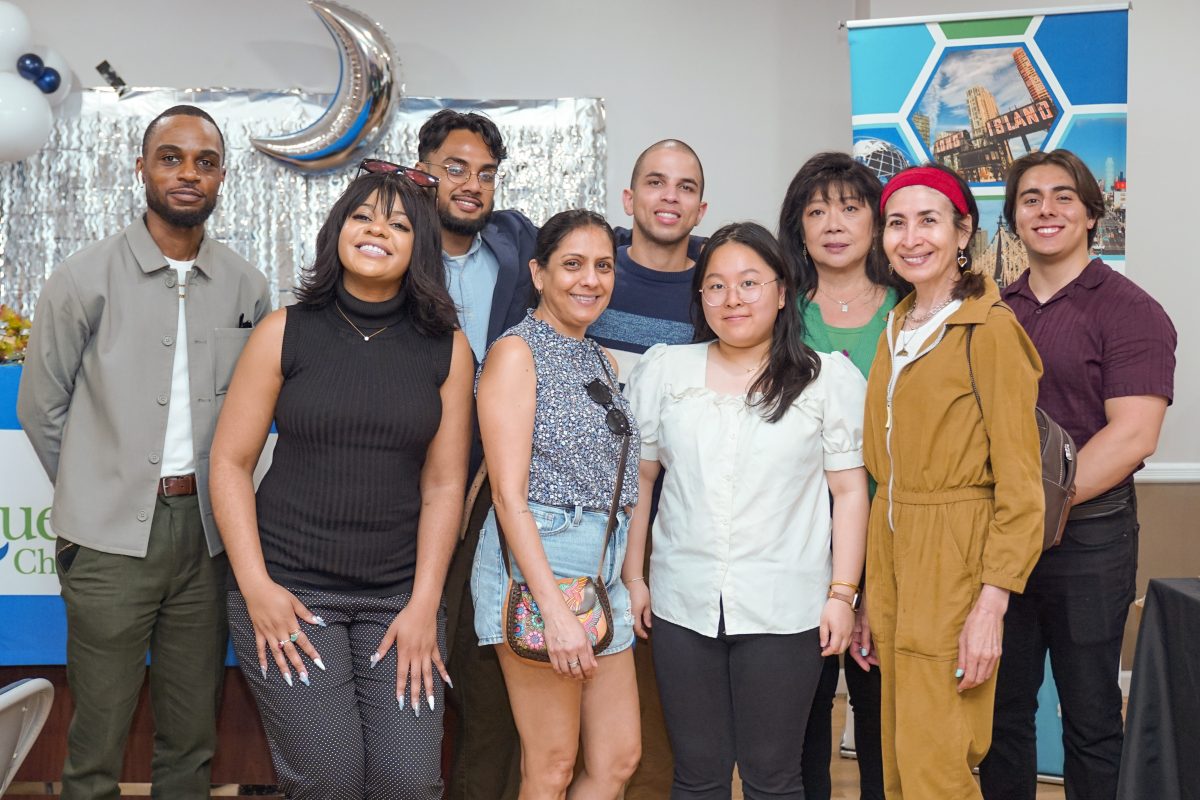
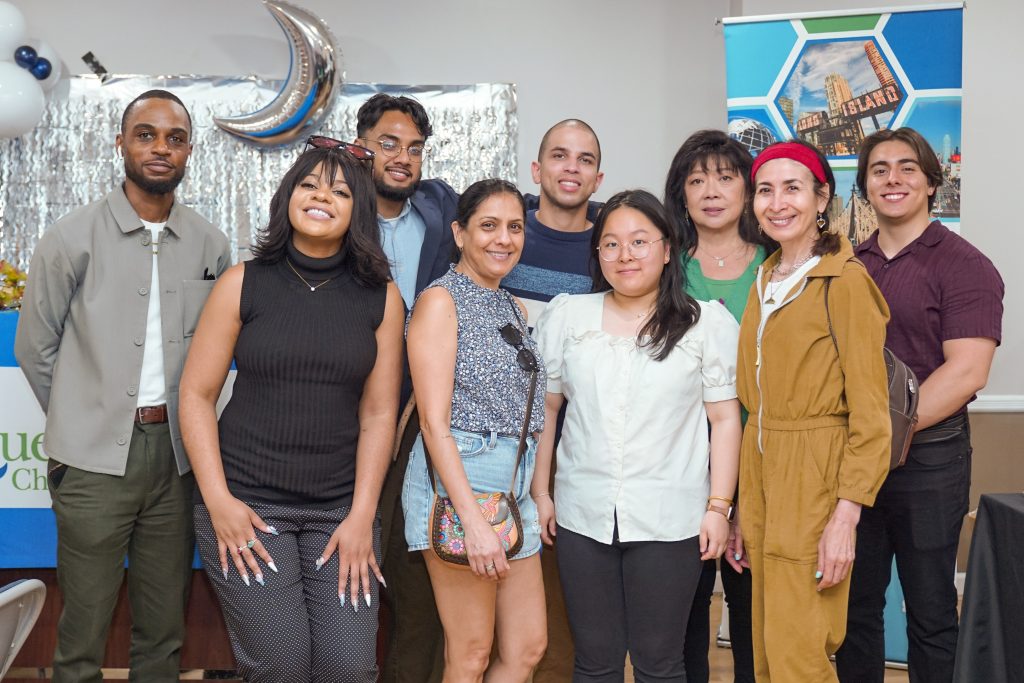
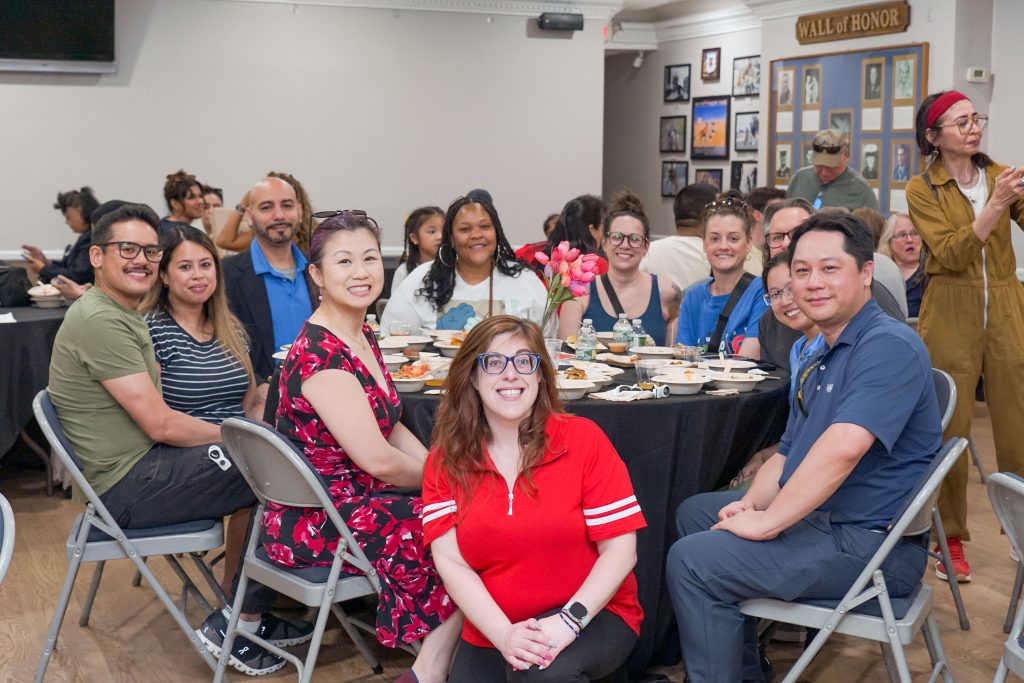
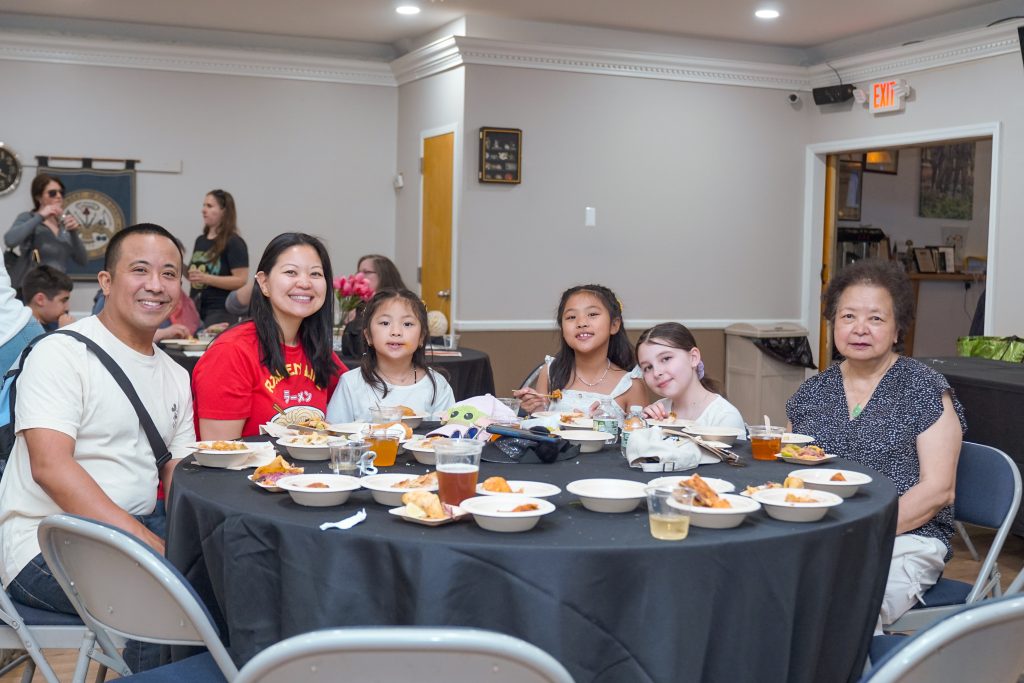
On June 26, the Kiwanis Club of Maspeth held a luncheon at Maspeth Town Hall to celebrate its annual scholarship recipients alongside recipients’ parents and other community members. The club awarded scholarships to 15 local students, each of whom received $2,000 to help cover college tuition costs.

This year’s scholarship recipients include Kate Caiafa, Victoria Da Silva, Lillian DeVivo, Keira Dillon, Jaden Farillas, Victoria Grodzki, Kayla Hauer, Joseph Hoermann, Gianna Larida, Soren Larson, Melody Leon, Xinrui Lin, Karolina Olszowka, James Pepe, and Liam Sweeney.

Scholarship Program Chairman of the Kiwanis Club of Maspeth Scholarship Foundation Michelle Masone commented, “We think it’s important to support the young people in the community and to help them achieve their next level of education. It’s a little something that we can do to help our local students be the best they can be.”

This year’s scholarship recipients come from a variety of different high schools, including High School of Art and Design, Francis Lewis High School, Archbishop Molloy High School, and The Bronx High School of Science. However, all scholarship recipients are required to reside in the Maspeth district (which includes some parts of Woodside, Middle Village, and Elmhurst).

Tom Rudzewick, Kiwanis Club member and President and CEO of Maspeth Federal Savings, spoke about the event. “It’s great to see a room full of people that all are focused on the youth and all trying to find a way to make sure that our young people become leaders of their communities, and part of that is giving back, as the Kiwanis Club does every single day,” he said.

Michelle Masone further noted, “There are very successful young people in our community, and we want to try and uplift them to their fullest potential.”

This year’s scholarship recipients are attending a number of prestigious colleges, including the University of Virginia, Fashion Institute of Technology, New York University, and the University of California Berkeley. Masone noted that although the Kiwanis $2,000 scholarship can’t cover all of a student’s college expenses, it can help them pay for all of their books and take some of the pressure off paying for college.

Michael Falco, a former Kiwanis Club scholarship recipient who has held the position of president, vice president, treasurer, and secretary throughout his 43 years of membership in the Kiwanis Club, said, “The members [of the Kiwanis Club] are really proud to be doing a lot of community services. That’s what the Kiwanis Club is all about.”

The 2025 Sunnyside Shines Business Improvement District Annual Meeting

BY SOFIA MONTAGNA

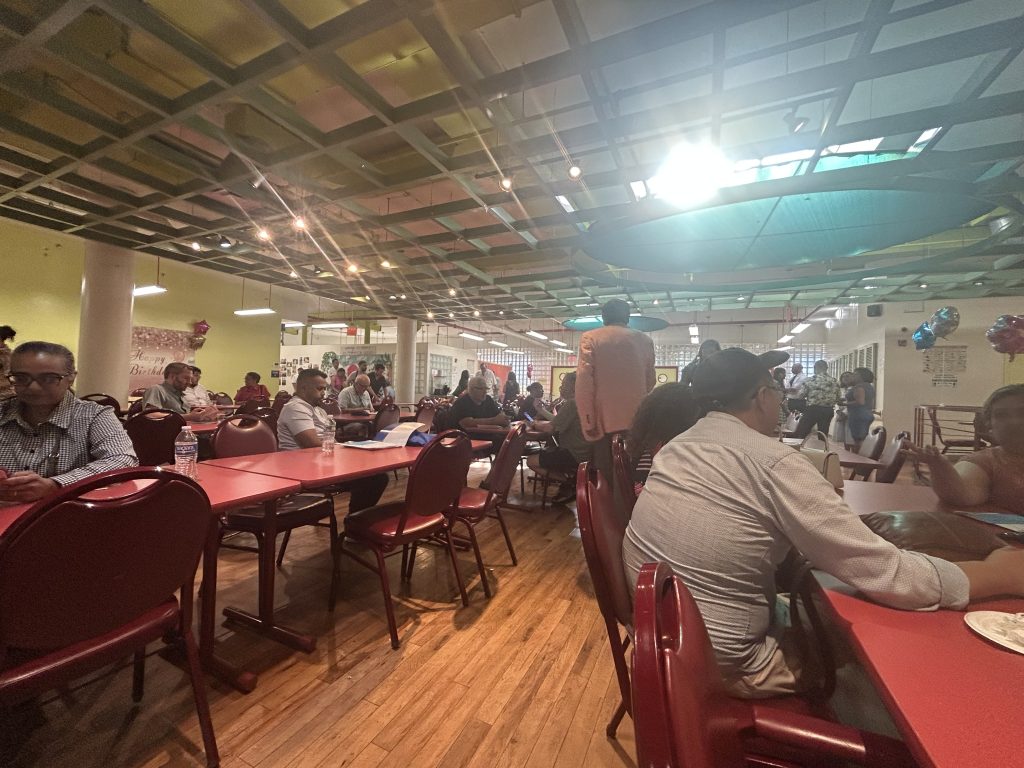
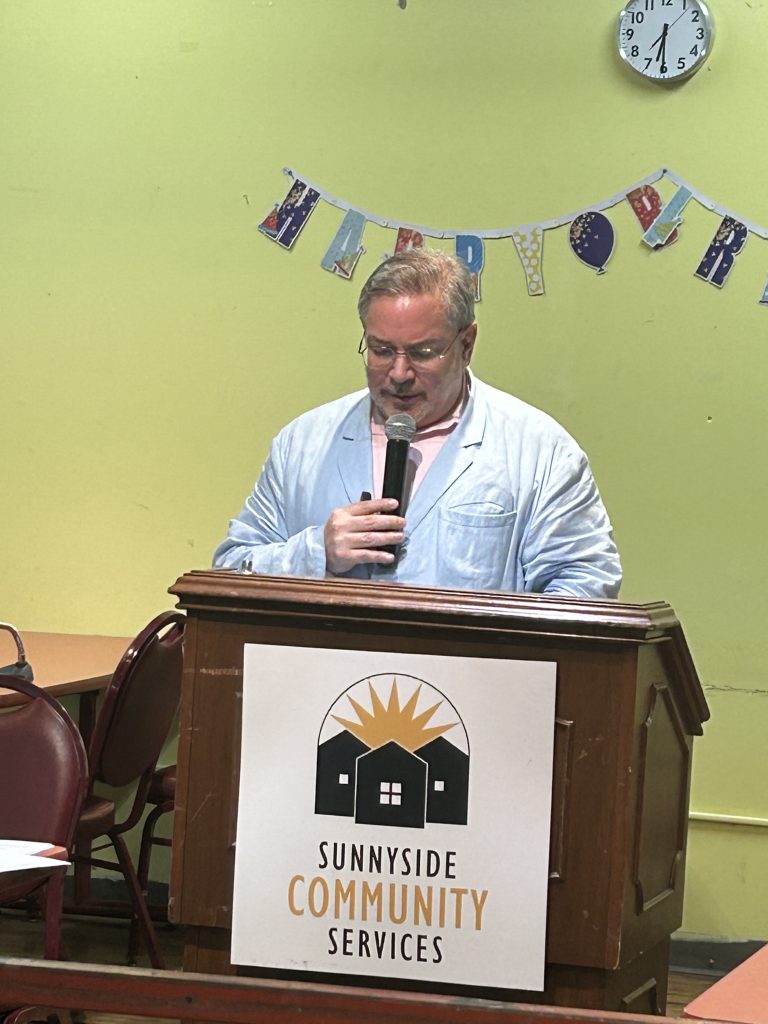
On June 25, the Sunnyside Shines Business Improvement District (BID) – a partnership of property owners, business owners, residents, elected officials, and city agencies that aims to enrich the economic life of Sunnyside – was joined by community members for its annual meeting at Sunnyside Community Services.

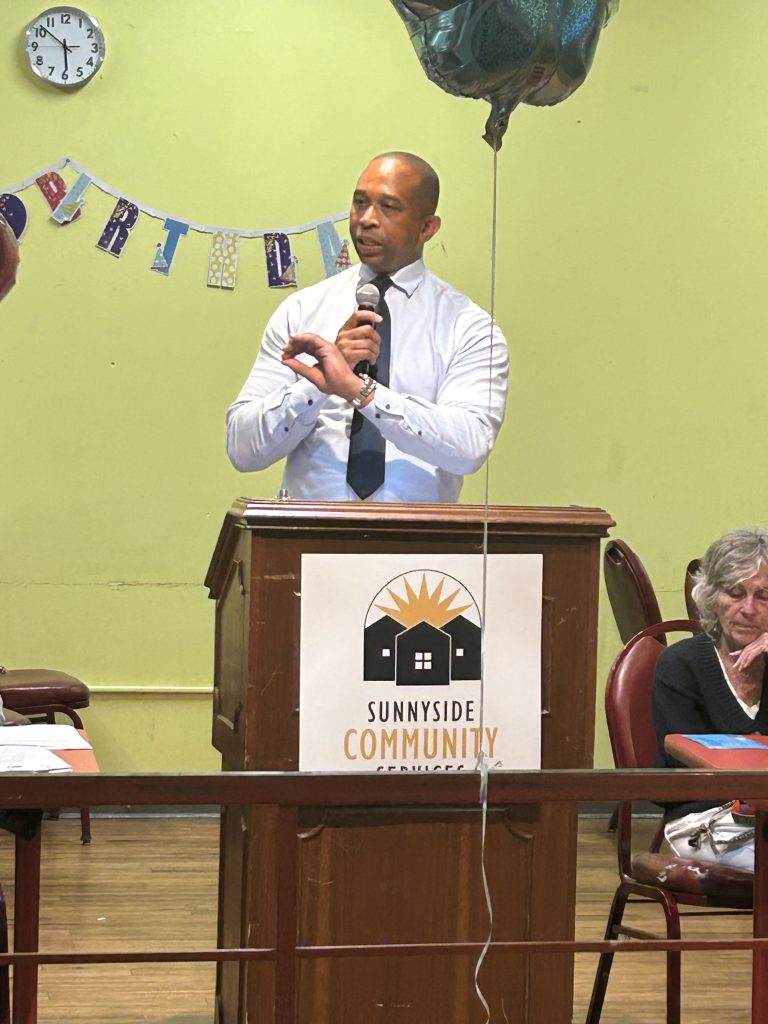
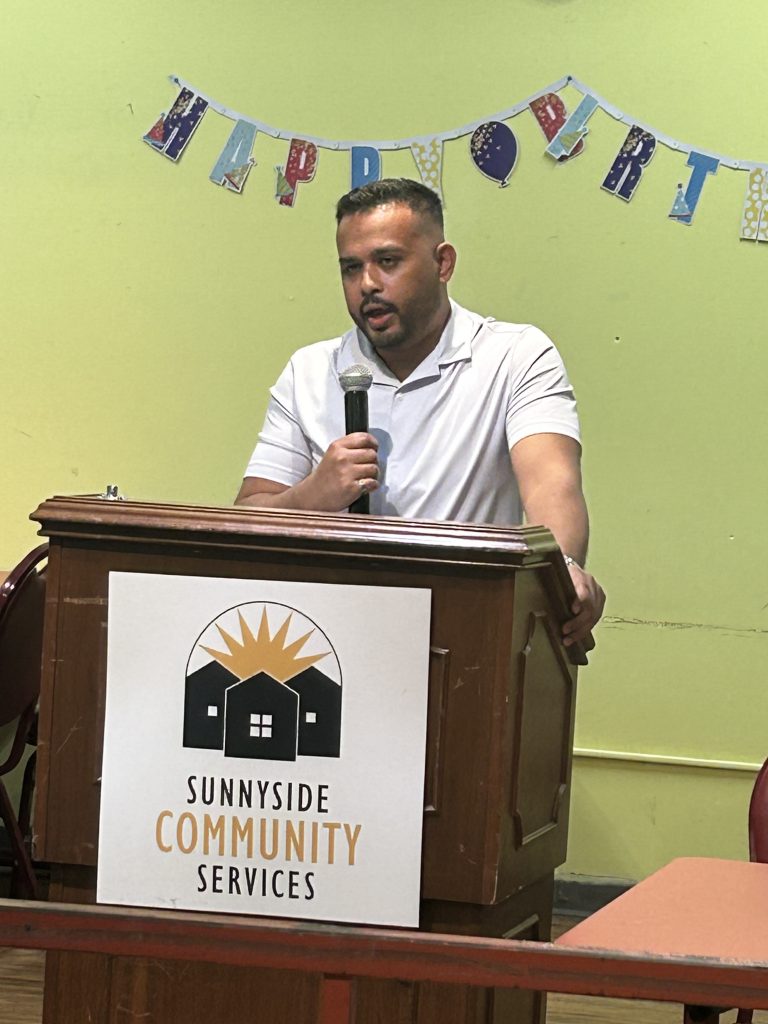
Event attendees had the opportunity to hear from a variety of speakers, including New York Secretary of State Walter Mosley and Executive Director of Sunnyside Shines BID Dirk McCall de Paloma.

In his keynote speech for the event, Walter Mosley spoke extensively about Governor Kathy Hochul’s affordability agenda, which he described as an effort to keep money in the pockets of New Yorkers. “Affordability across the state is the number one issue. As a result, the governor said, ‘We’re going to find ways to keep money in the pockets of New Yorkers, while at the same time, put money back into the pockets of New Yorkers to the degree that, on average, every single taxpaying New Yorker will probably see, on average, $5,000 back into their pockets,’” Mosley said.


In his keynote speech for the event, Walter Mosley spoke extensively about Governor Kathy Hochul’s affordability agenda.


In addition to expressing the need for New York to become more affordable, Mosley described ongoing state efforts to help make New York more business-friendly. Mosley explained, “We do that by providing new access to low-interest capital for small businesses. We enhance our performance-based associate job tax credit. We protect workers from wage theft.”

Mosley also stressed the need for strong public-private partnerships to make sure that proper revitalization takes place in communities like Sunnyside.

The meeting also featured speeches by representatives from the New York Police Department (NYPD), the NYC Department of Buildings, the New York State Liquor Authority, and the NYC Department of Consumer and Worker Protection. These speakers shared updates on their organizations’ initiatives and successes, including efforts to support local businesses.

Dirk McCall de Paloma, the Executive Director of Sunnyside Shines BID, delivered a presentation reviewing the organization’s efforts and accomplishments over the past year. In the past year, 11 new businesses were launched in the district and Sunnyside Shines BID launched the first Sunnyside Night Market (in August 2024). The organization’s initiatives also included graffiti removal, sanitation, streetscape enhancements, plaza activation, neighborhood marketing, and a robust calendar of cultural programming and live performances via the Sunnyside Community Cultural Initiative.

McCall de Paloma commented, “We are making sure that these events look like Sunnyside, and we’re making sure that we celebrate all the cultures that are here.”

“No Beard or Flannel Required”: How the Astoria Woodworkers Collective Builds Community Through Craft

John Bohlmeyer, founder and president of Astoria Woodworkers Collective.

Credit: Stella Raine Chu

Stella Raine Chu

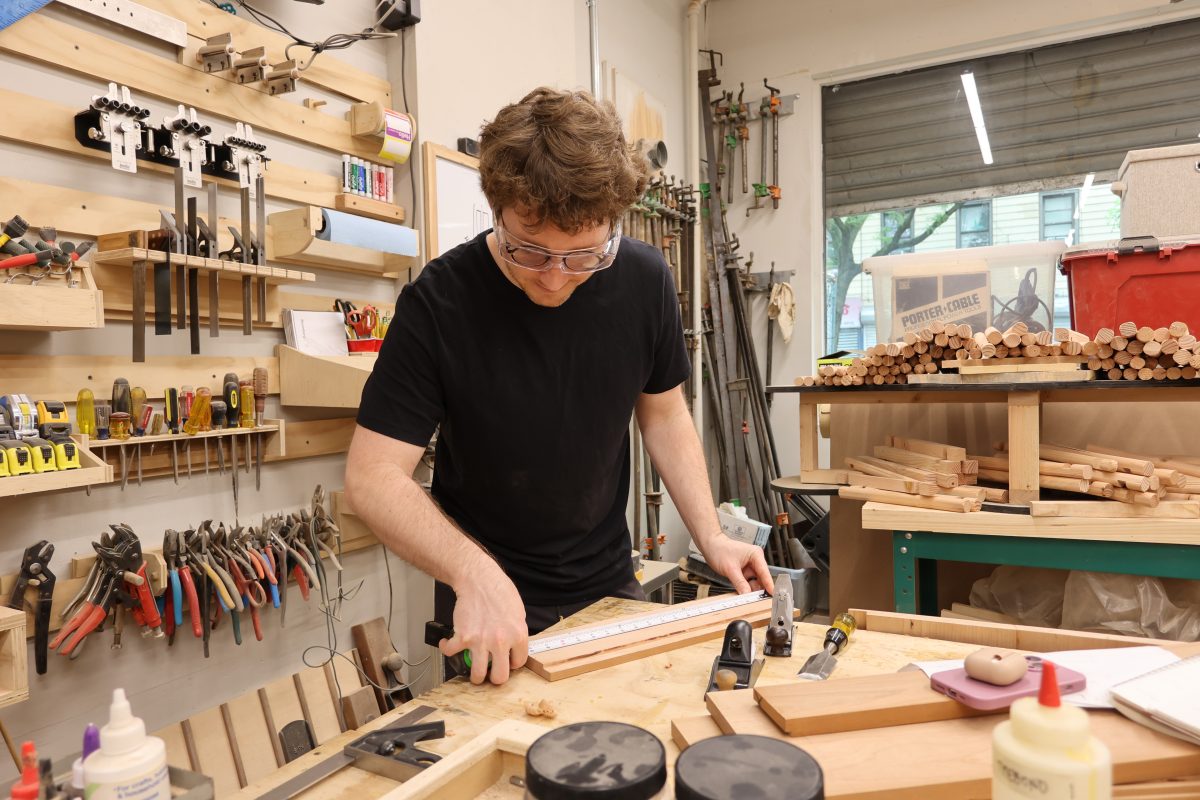
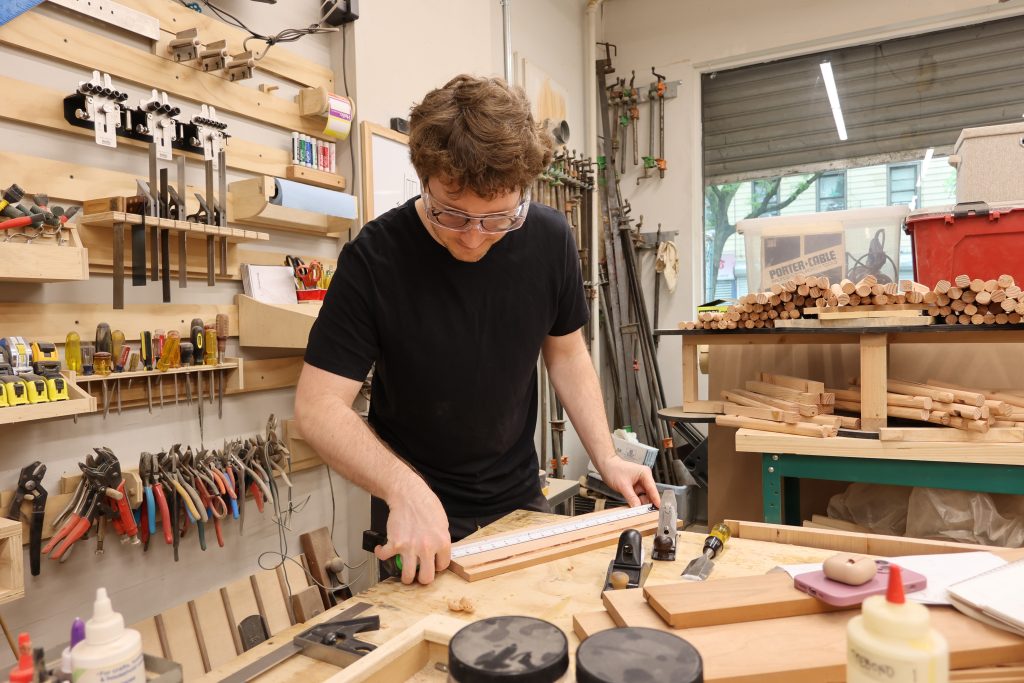
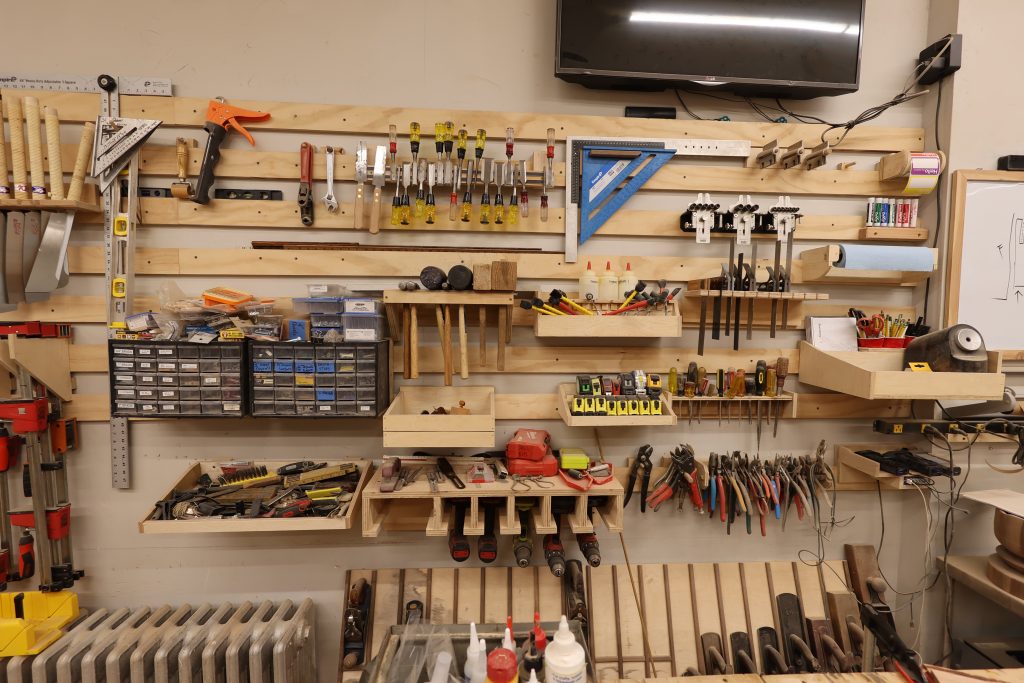
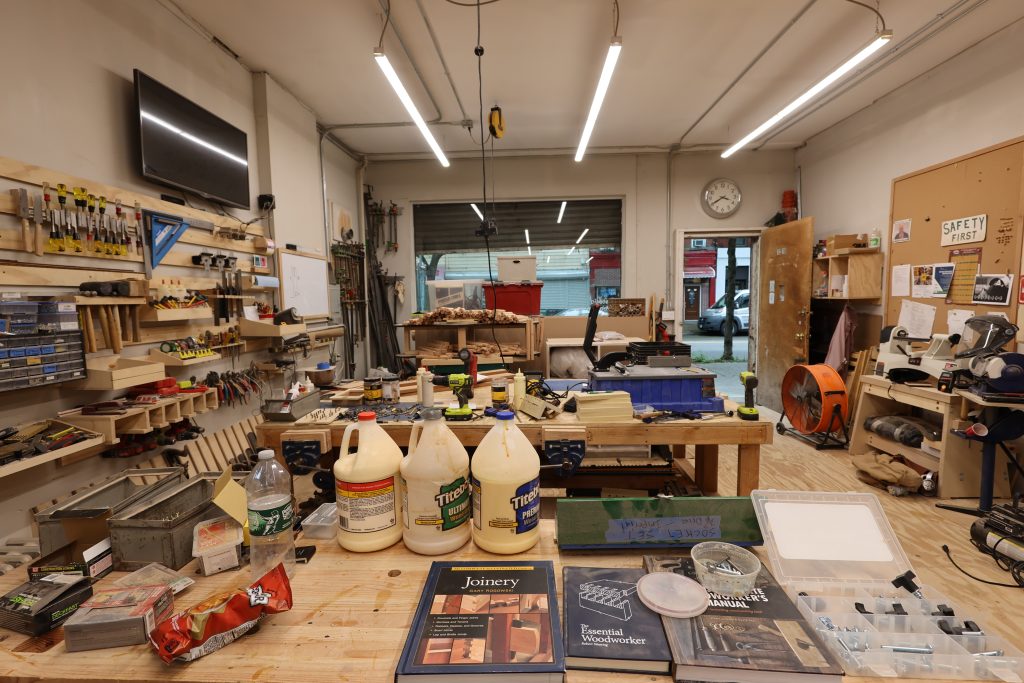
John Bohlmeyer, 36, stands at the table closest to the entranceway of 12-10 Astoria Blvd. Inside, every inch of the shop is utilized—tools, goggles, and lumber line the walls in neat rows, and tables equipped with intimidating saws sit patiently, waiting to be used.

This isn’t just any ordinary shop—it’s the home of the Astoria Woodworkers Collective, a non-profit woodworking organization run entirely by volunteers. The collective was born in the late summer of 2020, when Bohlmeyer, inspired by his time at the Kansas City Woodworkers’ Guild, reached out to Astorians to gauge interest in starting a woodworking group. Bohlmeyer and his wife, Cat Bradley, founded the group of woodworking enthusiasts, with about a dozen consistent members showing up every month. With no physical space, Bohlmeyer, Bradley and the fledgling group would meet

in places like Astoria Park; no woodworking was done, but a community had started to build nevertheless.

But finding and establishing themselves in a physical space had always been part of the collective’s mission plan; by the end of 2022, they held a Kickstarter with a goal of 36,000 dollars. By the end of the funding period, they raised more than 10,000 dollars over their initial goal, totalling at 46,810 dollars. On May 1, 2023, the collective finally opened its doors to their members. For 200 dollars a year plus 13 dollars per hour in the shop, aspiring woodworkers have access to the space, which includes a vast array of tools, machinery, and safety gear.

“We want a place like this to exist in the neighborhood,” Bohlmeyer said. “We don’t pay anybody—the board, our staff, the team that’s supervising up here—everybody’s doing this on a volunteer basis.”

The collective’s staff all have day jobs—Bohlmeyer himself works as an architect for Allied Works, an interdisciplinary studio responsible for projects like the Seattle Art Museum. Whatever free time they have is dedicated to being at the shop.

For the collective, the community response has been overwhelmingly positive. The presence of the shop fills a demand in Queens, where creative spaces are fewer and further in-between in comparison to neighborhoods like Bushwick or Williamsburg. “I feel like artists in Queens always tend to have a chip on their shoulder, because—for whatever reason—Brooklyn is seen as the cooler borough,” Bohlmeyer said.

But for Queens, this is changing. Creatives in neighborhoods long-known for their artistic scenes are being pushed out by expensive rent, leading to these communities shrinking in some and growing in others. As a result, an artistic populace has found itself in Astoria and Long Island City; since 2000, the area has seen a 40 percent increase in creatives (artists, actors, dancers, musicians, and photographers).

But the collective is a place for everyone—not just those in creative industries.

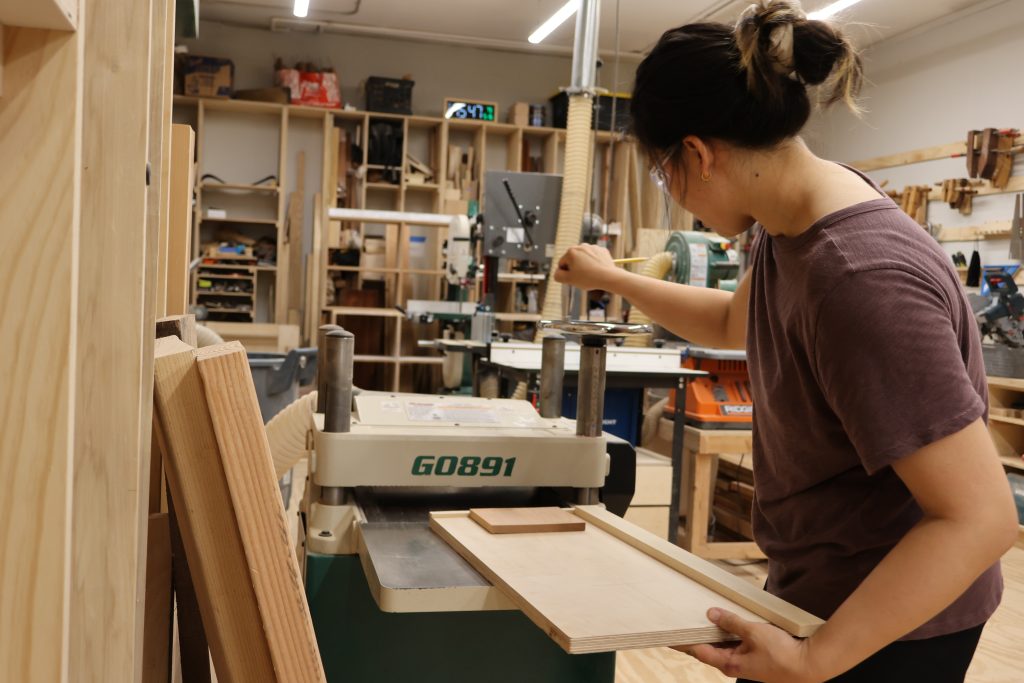
Maggie Chen, a novice woodworker and member of the collective, planing (shaving a piece of lumber to a desired thickness) wood for her coffee table.

Maggie Chen, 33, knew nothing about woodworking when she joined the collective this past January. Chen works in tech and simply wanted a coffee table—but none of the ones on the market quite fit her taste, so she decided to build one herself. When she received an email for the collective’s Something From Nothing class catered to absolute beginners, she didn’t hesitate to sign up. From there, Chen would work on her dream coffee table—from scratch.

“People are here because they want to be,” she said. “It’s not really even about the product, it’s about the process.” As she worked on her coffee table—which isn’t finished yet—she stumbled across other projects alongside other woodworking novices. “We were both beginners, so we were like, ‘You know what? Let’s get lost together.”

For members of the collective, it’s more than just a place to hone their woodworking skills—in fact, the vast majority are complete beginners, just like Chen. It’s exactly this aspect that makes the Astoria Woodworkers Collective such an inclusive and welcoming environment—it’s full of people who are going out of their way to better themselves.

“Sometimes people have more questions than answers,” Justin Elie, 40, said. Elie works as a technical director at The Julliard School, but found a community in the collective when he saw two people walking down the street wearing merchandise from the group.

“When I saw them, I stopped them in the street and I said, ‘What is this? Because I want to know more,” he said. That was more than three years ago—before they opened their physical space. Now, Elie is the Director of Assets and Safety at the collective,

supervising safety training and maintenance of the tools in the shop. He seemed like the perfect fit for such a role; Elie oversees the scenic construction at Julliard and has done so for the last 15 years. In simpler words, he maintains a wood and metal shop at the school.

For Elie, the beginner-friendly environment is exactly what makes the collective feel like a community. Their Something From Nothing class, originally Elie’s idea, illuminated just how true that was. “We had eight people come in and we started to reference simple tool use that we have been familiar with forever,” he said. “You’re going to grab the drill, and drill the hole here,” he recounted telling the class. “Most of the class was like, ‘What is a drill?’”

“It’s fun to be able to help them navigate through the answers and make the choices they want to make,” Elie said. “We have people coming in from so many different walks of life and unique experiences to share.”

Tools line every inch of the wall in the shop.

For Bohlmeyer, the physicality of woodworking is what makes the craft so rewarding. “If I’m spending all day looking at a computer, it’s nice to have an outlet to do something in the physical world and bring it into existence,” Bohlmeyer said. “It’s a different way of

thinking—it affects the way your brain works by actually having to bring things together and figure out how they fit.”

“I’ve always been hands-on, and I’ve been learning how people are not anymore.” Elie said. In a world where work can always be outsourced, building something from scratch is a radical act. Woodworking especially is a craft that takes time, space, and money, precious resources that young people often find themselves lacking. In high schools across America, woodworking classes have slowly disappeared since the 1970s. When schools are faced with budget cuts, college-bound classes take priority, and vocational classes are the first to go.

The ripple effects of slashing these classes from the curriculum may be more detrimental than we think—a decline in young, skilled tradespeople entering the workforce means labor shortages across the country. In pursuit of the home-owning, white-picket-fence-having American Dream, we’re losing the people who build them.

But the collective, whether they know it or not, is changing that. By providing a space and the materials necessary for efficient woodworking, they nurture the craft in a place that is hungry for it.

“I think in any endeavor where you’re doing something different than what currently exists, there’s a certain attitude akin to that—that you’re exploring,” Bohlmeyer said.

While the collective faces challenges—like the limits of their small space—it looks toward its future. With a membership of over 100 people, the group is only growing. They’re working on new equipment, including a recently acquired bandsaw, used to cut lumber into smaller pieces, and a dust collector to make the shop safer and cleaner to work in.

As for Bohlmeyer, he and his wife are expecting their first child. That will mean less time at the collective, but staff at the shop are stepping up and taking on roles for the transition. For the summer, the collective will also be taking on various community projects, like school benches and garden fixtures.

As the weather gets nicer, the shop gets more populated with those looking to work on their projects. While the space can only host about four people actively working at a time, it seems like plenty for their tight-knit community.

Inside the shop, Bohlmeyer, Chen and Elie discuss the best strategies for planing—shaving a piece of lumber down to a desired thickness—wood for Chen’s coffee table. She says it might be done by this weekend, a promise that sounds similar to ones made the past several weekends. Either way, she plans to stay at the collective after its completion—she’s got some projects in mind.

“The fact that you can share this, and we can share this with other people who are exploring woodworking makes it a little easier for everybody to approach it,” Bohlmeyer said. Amidst the sawdust and loud machinery, what’s being built at 12-10 Astoria Blvd is more than just a craft—it’s a community.

The Astoria Woodworkers Collective shop space.

Taste of Metro Village Kicks Off Forest Hills’ First-Ever Restaurant Week

Photos Courtesy Salman Ahmed

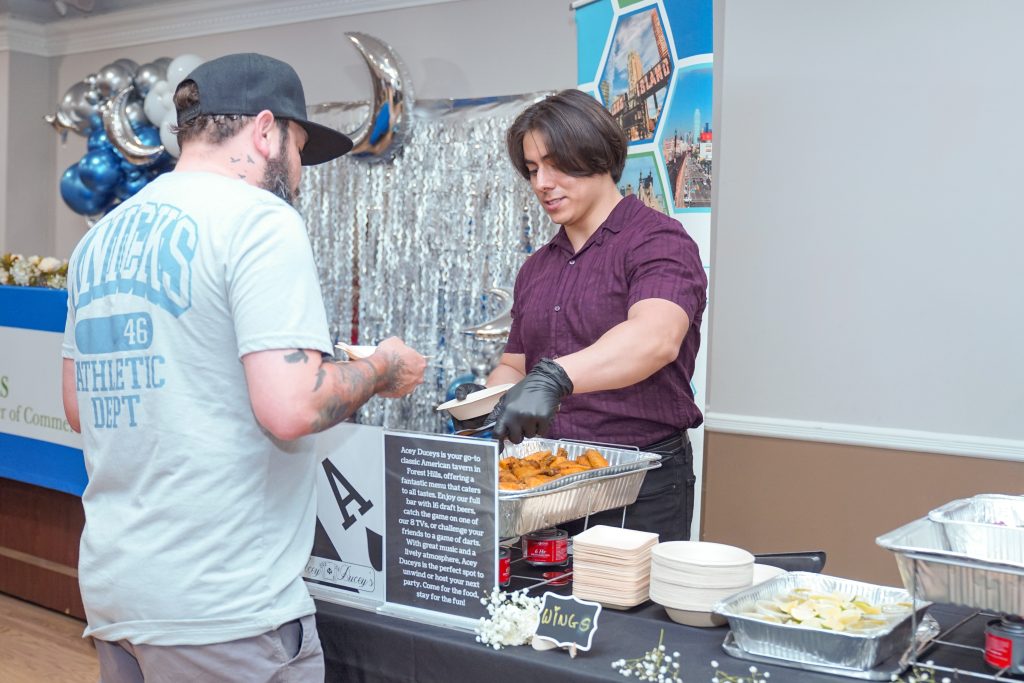
Metro Village launched its inaugural Restaurant Week with a flavorful preview event on May 17, drawing dozens of local food lovers to the American Legion FH for “Taste of Metro Village.”

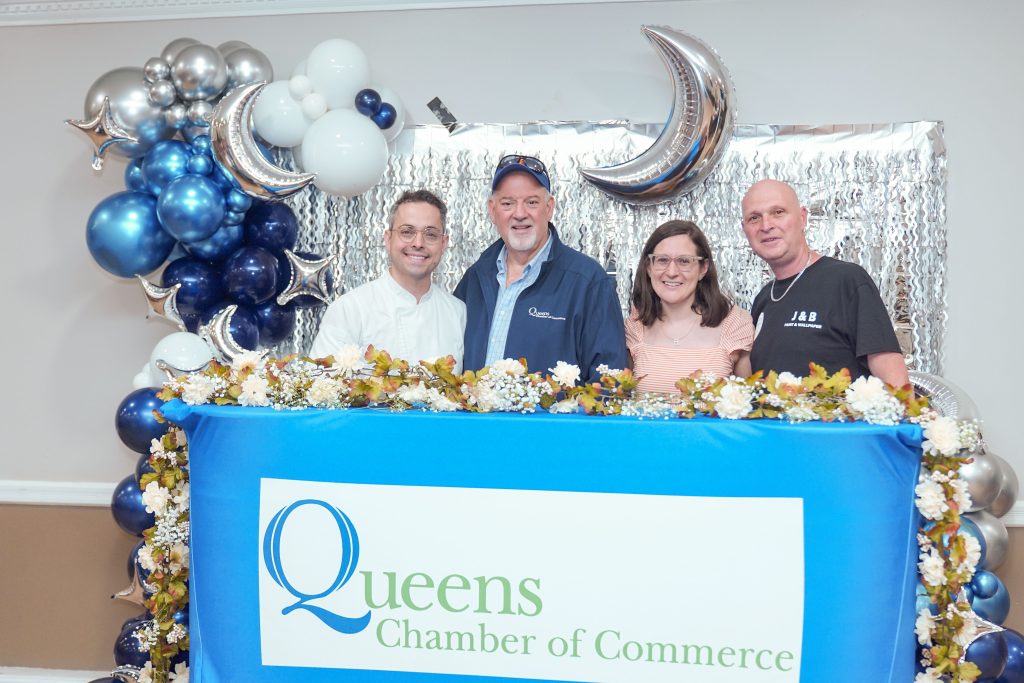
Hosted in partnership with the Queens Chamber of Commerce, the event featured a range of mouthwatering samples from neighborhood restaurants, spotlighting the area’s vibrant and growing dining scene.

Held from 3 to 5 p.m., the tasting event offered attendees a sneak peek at the culinary gems of Metro Village, with many businesses showcasing signature dishes. Organizers said the event successfully brought residents together in celebration of small businesses and local cuisine.

Brooklyn Father-Daughter Duo Builds Legacy of Care; Father-Daughter Team Uplifts Brooklyn Through In-Home Care

By MOHAMED FARGHALY

mfarghaly@queensledger.com


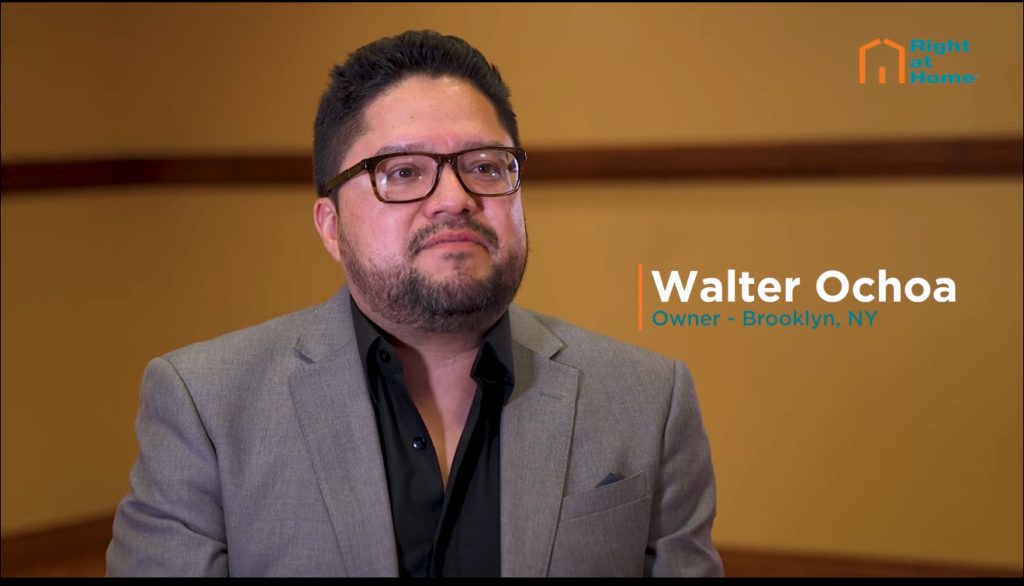
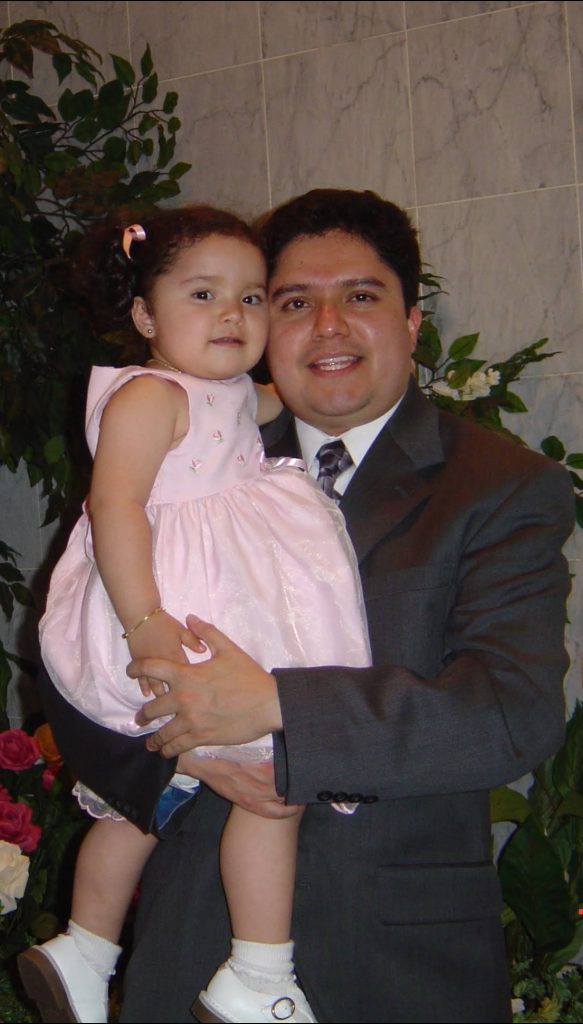
For Walter and Rebecca Ochoa, Father’s Day isn’t just a family celebration—it’s a moment to reflect on the meaningful work they share as partners in a mission-driven business that touches lives across Brooklyn and beyond.

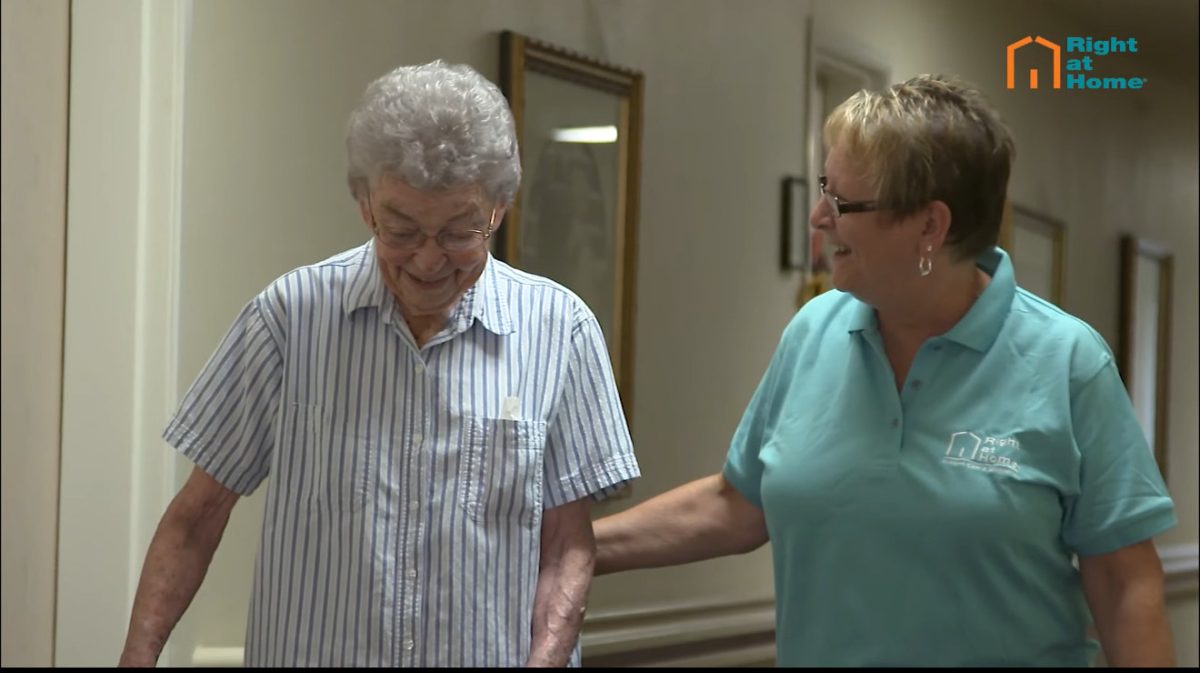
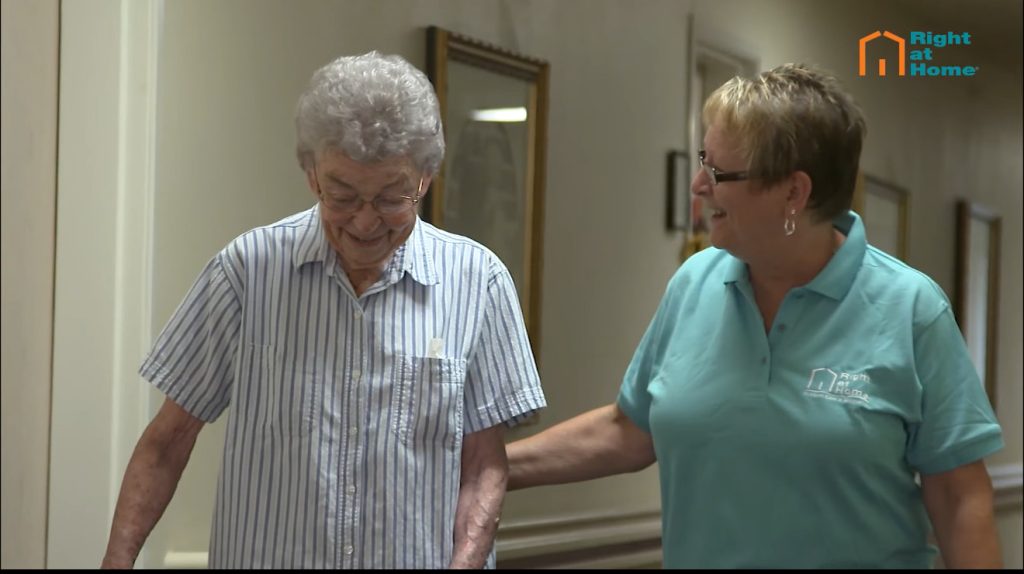
Fourteen years ago, Walter Ochoa left his Wall Street job behind to open Right at Home Brooklyn, an in-home care agency serving seniors and adults with disabilities throughout New York City. At the time, his daughter Rebecca was just eight years old—watching her father build something deeply personal and impactful from the ground up.

“I used to work for big companies in Wall Street,” Walter said. “One day I decided that I really wanted to start my own business, and I didn’t have to look any further than the community.”

The company, which started in a small Brooklyn office, has grown into a trusted local presence, providing services ranging from companionship and personal care to skilled nursing and 24-hour support. For Walter, the work is about far more than just assistance—it’s about enabling people to age with dignity and independence.

“We are trying to make sure that people who want to stay home—we keep them with dignity and, why not, the happiness,” he said.

Their business is guided by a clear mission: to improve the quality of life for those they serve. “We believe there’s more to caring for people than just providing in-home assistance,” reads the company’s statement. “You deserve a care partner that understands the course of your journey and will help navigate the road ahead.”

Rebecca, now the agency’s compliance manager, officially joined the company full time after earning her degree in Health and Human Services from St. John’s University. She brings with her a detail-focused approach to care quality and regulatory compliance, as well as a deep-rooted sense of purpose.

“I’ve always known that I wanted to do something to give back to the community, especially in the medical healthcare side of things,” she said. “I made sure to tailor my education… and I’ve been working part-time in the office since I was 16.”

Walter credits Rebecca’s leadership and knowledge with strengthening the business. “Bringing Rebecca with her expertise has helped us a lot and gave us a different perspective of growing the business,” he said.

Working together has transformed their personal bond into a powerful professional partnership.

“At home, it’s my dad,” Rebecca said. “But being here in the office, I see him as a leader, a pillar… It’s really been like a blessing to be here and be able to see this all for myself.”

Their strengths complement each other: Walter describes himself as the “visionary,” focused on strategy and community engagement, while Rebecca excels at detail-driven work in compliance and hiring.

Walter’s journey from Guatemala to successful entrepreneur is central to the company’s story and his parenting philosophy. “I came here with 300 bucks in my pocket,” he said. “If you have a willingness to do something, it’s gonna be a reward at the end.”

Rebecca says that lesson stuck. “From a young age, he always instilled in me to have that confidence in myself… I felt what he was able to do, I can do that too.”

The Ochoas’ commitment to care goes beyond New York. As part of the broader Right at Home network, they also support global causes like the Free Wheelchair Mission, which has distributed over a million wheelchairs to people with disabilities in developing countries. The organization has raised over $400,000 to fund mobility devices across nations like Vietnam, Ecuador, and Costa Rica.

Closer to home, they also participate in local philanthropy and community events. Rebecca proudly notes her father’s presence in neighborhood parades and local committees: “People know who he is, and that’s something that I take great pride in. If someone says to me, ‘Oh, you’re Walter’s daughter,’ I’m like, yes I am.”

Walter’s youngest son, 15-year-old Walter Jr., will join the business this summer—another step in a growing family legacy.

Looking ahead to Father’s Day, Walter is reflective: “I do believe that being a father is something that you need to do every day of the year. Not just by talking but by leading by example.”

He also offers heartfelt advice to others navigating elder care, especially during emotional times like holidays. “Ask for help… there’s a lot of resources in the community,” he said. “You only can do so much. Pay attention to how your parents are doing—physically, mentally, emotionally.”

Rebecca agrees. “Sometimes they’re a little too stubborn to admit it… but accepting support improves quality of life and gives peace of mind to families.”

At Right at Home Brooklyn, the Ochoas are proving that care is more than a service—it’s a calling.

Justin Brannan Runs for Comptroller to Fight NYC Corruption Brannan Pledges Zero Tolerance for Fraud and Waste as Comptroller

By MOHAMED FARGHALY

mfarghaly@queensledger.com


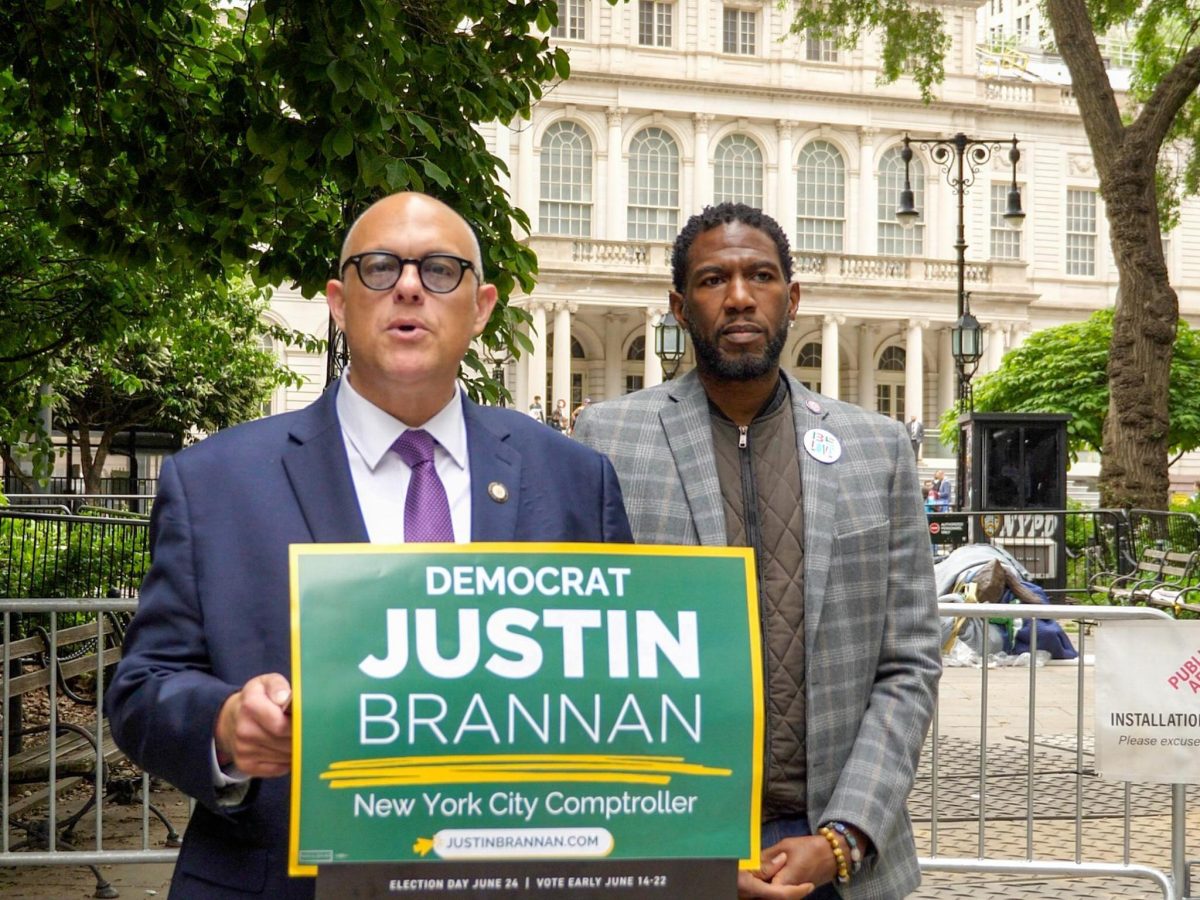
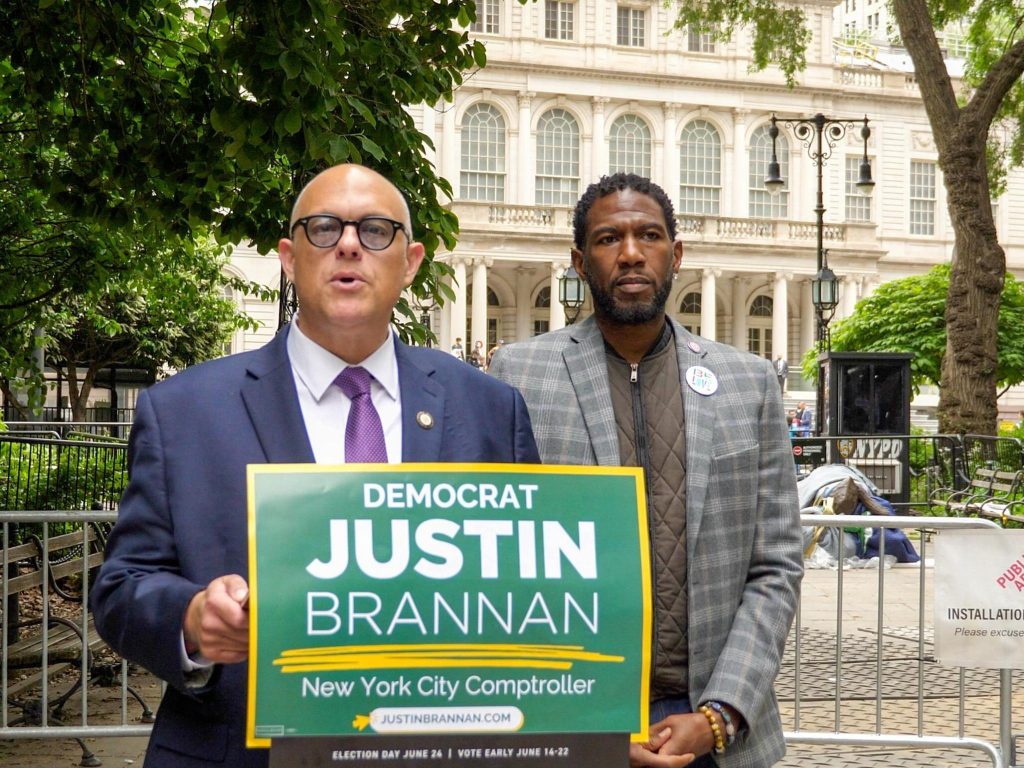
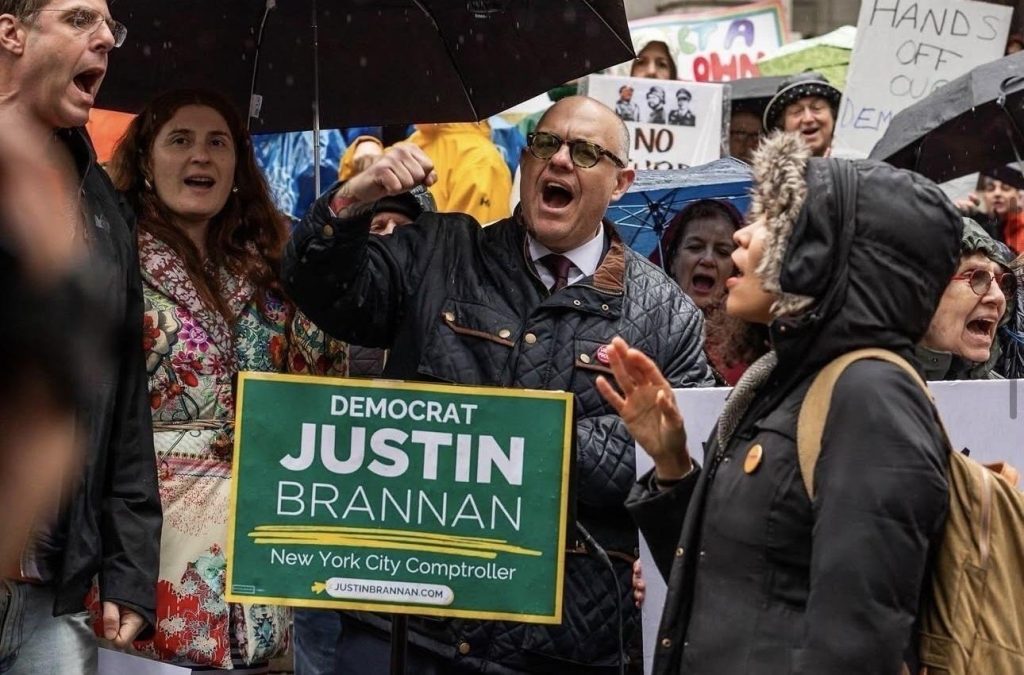
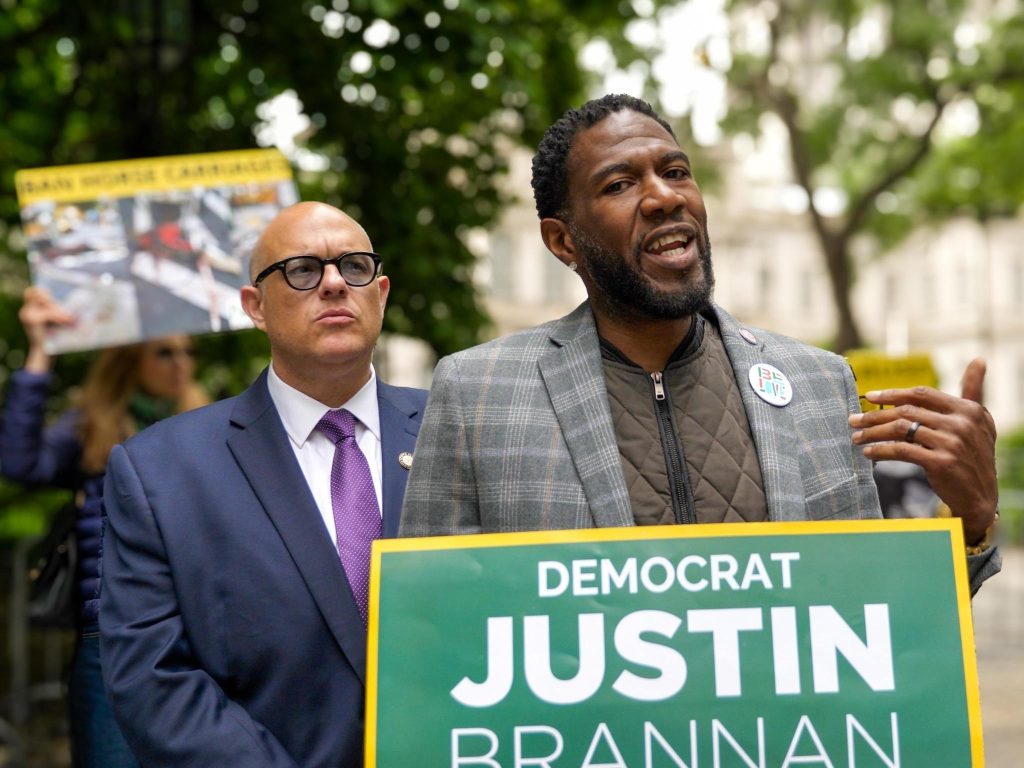
Justin Brannan, chair of the New York City Council Finance Committee and a former small business owner and musician, announced his run for New York City Comptroller, promising a new era of fiscal accountability, ethics reform, and transparency.

Brannan’s campaign centers on protecting taxpayer dollars, rooting out corruption, and ensuring equitable city services for all neighborhoods. Drawing from his years overseeing the city’s $100 billion budget, he aims to use the comptroller’s office as a “fiscal firewall” to safeguard working families and vulnerable New Yorkers.

“I have zero tolerance for fraud and waste and corruption,” Brannan said. “Public service is a public trust, and our government should be working for the people and not the well connected.” One of his signature proposals is an anti-corruption “bad actors” list—publicly naming city contractors who have records of labor violations, fraud investigations, or poor performance and barring them from future contracts.

Brannan described the current system as a “Tale of Two Cities” where large, politically connected companies receive rapid payments while many nonprofits that provide vital services are left waiting for funding. “We’ve got hundreds of nonprofits across the city that are owed millions of dollars.”

Before entering public office, Brannan spent years as a professional musician in a band, an experience that, he says, helped shape his understanding of hard work and teamwork. “I never in a million years thought I would be involved in politics,” he admitted. Yet since being elected to the City Council in 2017 for District 47, Brannan has built a reputation for fierce independence, including publicly calling on Mayor Eric Adams to resign despite having endorsed him initially.

On what makes a good comptroller, Brannan emphasized independence and results. “You need someone who has a record of showing independence and fighting on behalf of taxpayers,” he said. “I’ve always been accountable only to the voters. That’s your job as a politician.”

The 2025 New York City Comptroller election is scheduled for November 4. Incumbent Comptroller Brad Lander, who is eligible for a second term, is stepping back to pursue a mayoral run.

Brannan praised Comptroller Brad Lander for his management of the city’s pension funds, acknowledging that Lander “has done a good job managing and growing the pension funds,” a core responsibility of the office. However, he said he would expand oversight by creating a public integrity unit and new avenues for whistleblowers and residents to report waste and corruption.

“I want to put up dashboards that average New Yorkers can understand, so they know where their tax dollars go,” Brannan explained. “I want New Yorkers to have a government that works for them—not corrupt insiders and politically connected contractors.”

As chair of the Finance Committee, Brannan has led fights to protect funding for essential city services, including parks, sanitation, libraries, schools, early childhood education, and housing vouchers. He recalled battling mayoral budget cuts and successfully clawing back over a billion dollars in funding for vital programs.

“People pay taxes and want to see a return on their investment,” Brannan said. “Basic city services—garbage pickup, school resources, pothole repairs—matter. There are neighborhoods getting the full loaf of bread while others fight over crumbs. That’s wrong.”

Brannan also addressed the complicated relationship between the city and state budgets, noting the state’s outsized control. “We fund more than half of the state budget but get treated like any other county,” he said. He pointed to frustration around the Metropolitan Transportation Authority, where a senator from Buffalo has more say over the city’s subway lines than local representatives.

Looking ahead, Brannan said the comptroller’s office must be a “tool to advance equity” through efficient, transparent government spending. “You can’t have racial or borough equity unless the city spends its money fairly and efficiently,” he said.

Brannan’s campaign is ultimately about preserving New York City as a place for working families. “This city will never survive as a playground for the rich. It’s got to remain a palace for working people,” he said. “Working families are the bedrock of our economy, and if we lose them to other cities, we lose the whole ball game.”

With a sharp eye on current national politics, Brannan vowed to use the comptroller’s office to fight back against federal policies that threaten New York. “Elected officials have a responsibility to defend our city and bring down the cost of living for New Yorkers,” he said.

Queens Chamber of Commerce 2025 Business Expo Luncheon

BY SOFIA MONTAGNA

Last week, industry leaders shared key updates about various transformative projects that aim to make Queens a premier sports and entertainment destination.

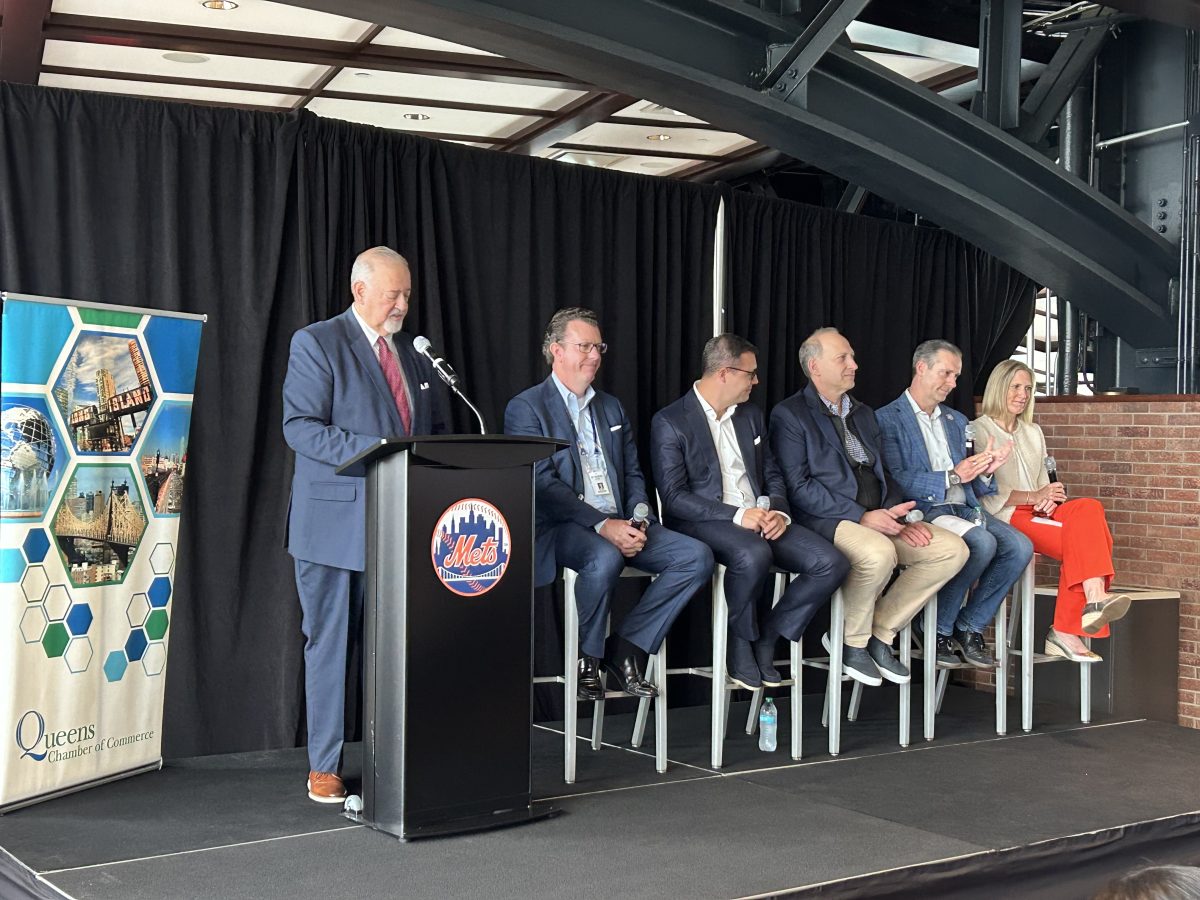
On June 17, community members joined the Queens Chamber of Commerce for its 2025 Queens Business Expo event at Citi Field. This event provided a space for local entrepreneurs and business people to come together to network and learn from industry leaders.

The luncheon section of the business expo featured a panel with five industry leaders: Brad Sims (President & CEO of the New York City Football Club), Sean Caffery (Senior Vice President of Business & Casino Development for Hard Rock International), Jennifer O’Sullivan (COO and Chief Legal & Administrative Officer at New York City Football Club), Daniel Zausner (COO at the US Tennis Association Billie Jean King National Tennis Center), and Michael “Sully” Sullivan (Chief of Staff to New York Mets Owner Steve Cohen). The panel was moderated by Tom Grech, President & CEO of the Queens Chamber of Commerce.

During the panel discussion, the panelists shared updates on major developments that could shape the future of Queens as a premier sports and entertainment destination. The projects highlighted included the proposed Metropolitan Park near Citi Field, a new 25,000-seat soccer stadium in Willets Point in Queens, and renovations to Arthur Ashe Stadium. 

Panelist Michael (“Sully”) Sullivan gave Business Expo Luncheon attendees an overview of the process of creating Metropolitan Park – a proposed 25-acre sports and entertainment complex that has received strong community support. “The first three years of this process was about listening, meeting our neighbors, and asking the very simple question, ‘If we’re going to try to transform the area around Citi Field, what would you want to see here?’” Sullivan explained.

The proposal, which has cleared several city and state government hurdles, now awaits a community advisory council process. Sullivan expressed hopes that Metropolitan Park will be granted a license by the state at the end of this year. 

Tom Grech told event attendees that the Metropolitan Park project is expected to create 23,000 union jobs during construction, with 6,000 careers post-construction.

Panelist Jennifer O’Sullivan spoke about the new 25,000-seat stadium that the New York City Football Club is building in Willets Point. “It’s the first soccer-specific stadium in the five boroughs. It’s the first all-electric stadium in New York City,” she said. “So we’re really proud of that.”

O’Sullivan also explained that the New York City Football Club hopes to open the stadium by 2027 and potentially host women’s sports in addition to men’s sports. The club hopes to expand the stadium’s use beyond soccer, potentially hosting lacrosse, American football, rugby, other sporting events, and concerts. The New York City Football Club’s headquarters will also be based at this stadium.

Finally, panelist Daniel Zausner added that the Arthur Ashe Stadium will undergo a full renovation by 2027. As a part of this project, the USTA will build a 150,000-square-foot player performance center on the site of an existing parking lot. The new facility is intended to free up space in the stadium for enhanced hospitality and fan experience.

If you’re interested in the New York City Football Club’s new stadium, check out their next game on July 3 at Yankee Stadium.

Brooklyn FC Wraps up Inaugural Regular Season with a 0-0 Draw Against Top-ranked Carolina Ascent, Comes up Short on Playoff Bid

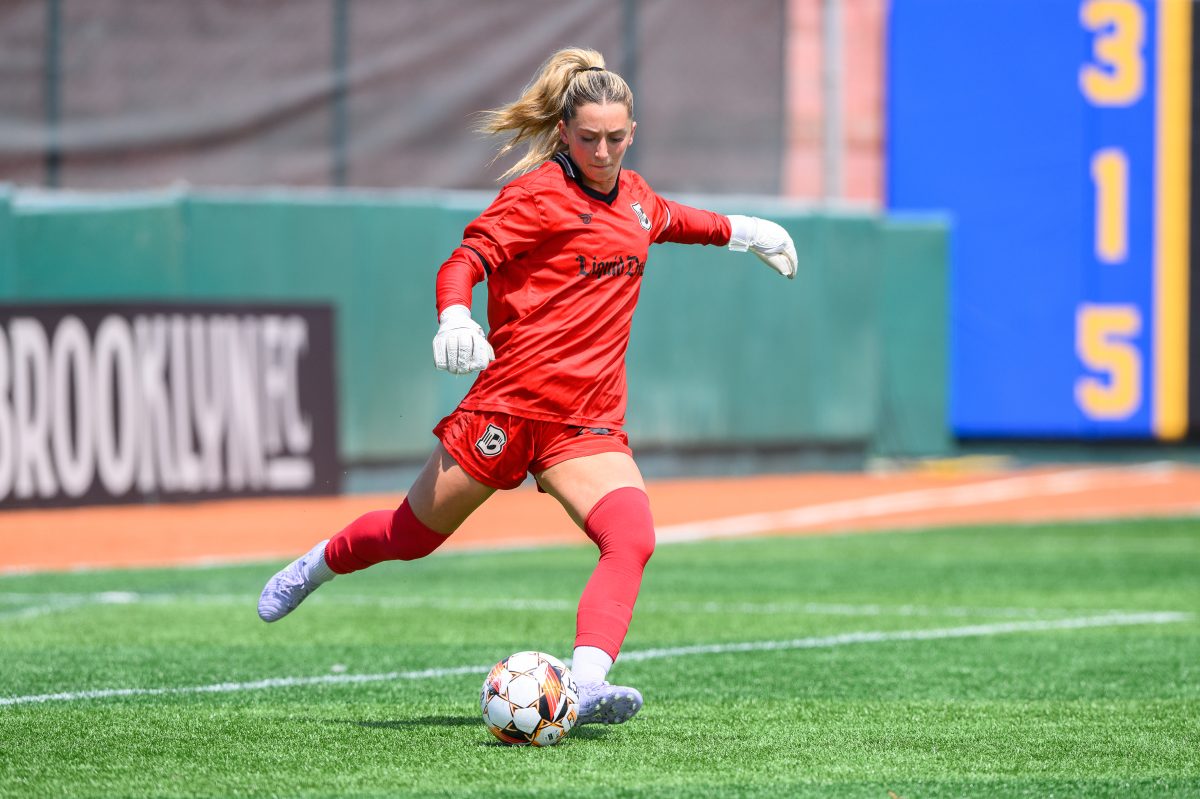
Brooklyn FC goalkeeper Alexa Goldberg showed poise and promise in her professional debut on Saturday, May 24, at Maimonides Park in Coney Island, holding top-tanked Carolina Ascent scoreless. Photo: Michael F. McLaughlin

By NICHOLAS GORDON

In what has been a tale of two seasons, the Brooklyn Football Club (10-9-9) earned a 0-0 draw against top-ranked Carolina Ascent FC (13-5-9) in a match that was a tale of two halves, on Saturday, May 24, at Maimonides Park in Coney Island. Approximately 1,500 fans were in attendance.

After weathering the storm of Carolina’s high-pressure first half, Brooklyn dominated the second half, racking up thirteen corner kicks and creating a flurry of goal-scoring chances. Though they were unable to convert a goal for their efforts, Brooklyn’s second half performance evinced the kind of talent and grit that had them as league leaders for the first half of the season.

Brooklyn defender Leah Scarpelli said that coming into the match the team’s confidence was as high as it’s ever been. “Yes, Carolina is on top of the table numbers-wise, but we know we’re just as good as them at every position,” Scarpelli said in the post-match press conference. “We didn’t get the result that we wanted, but I think we showed up today, and we were the better team today.”

Despite Carolina’s overall edge in possession of the ball, Brooklyn created the best scoring opportunities. In the 36th minute, defender Kelsey Hill headed a strong shot on goal from a cross on a free kick by midfielder Jessica Garziano. Carolina’s keeper Samantha Murphy made a diving stop on the goal line to keep the match scoreless. 

Two minutes later, on a heads up play in a quick transition, Brooklyn midfielder Samantha Kroeger launched a shot from forty yards out that sailed over the deep-playing Murphy’s head but just missed the mark, landing on the top netting.  

At the start of the second half, Brooklyn forward Mackenzie Pluck cracked a shot from thirty yards out that bounced off the crossbar, setting the tone for the mostly one-sided Brooklyn attack that would last for the duration of the match. 

Brooklyn forward Mackenzie George was ubiquitous in that attack, giving Carolina’s defenders fits with her quickness as she zipped around the box on the hunt for a goal that proved elusive. George finished the season with four goals and five assists, among the league leaders.

Brooklyn goalkeeper Alexa Goldberg made her professional debut with a performance marked by poise and promise. Throughout the hectic first half, Goldberg deftly handled numerous backpasses in traffic, smoothly distributing balls to her backline as they recentered with possession.

“Those exact scenarios are what I think of myself as a specialist in,” Goldberg said. “I love being able to get a ball at my feet and find an open player. It’s something I work on a lot. Fortunately, I have the personnel on this team to help me make those plays.”
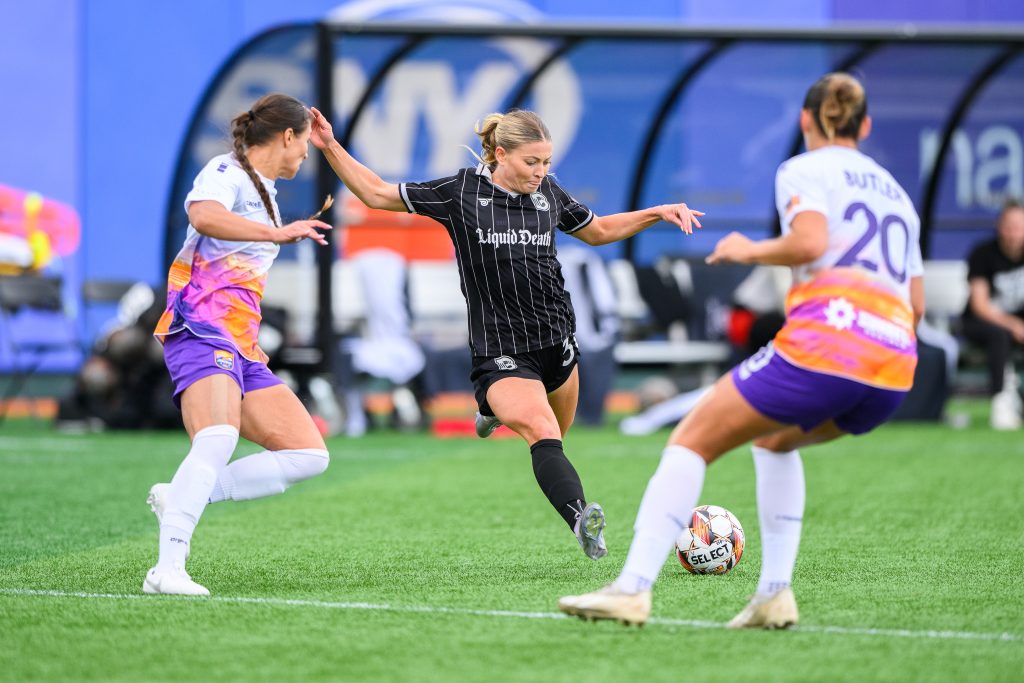
Brooklyn forward Mackenzie George was ubiquitous in the second half attack.
Photo: Michael F. McLaughlin

Currently sitting in sixth place in a league of eight teams, with their playoff hopes dashed, Brooklyn FC has had an up-and-down season on par with the Coney Island roller coasters whirling around just beyond their home field.

Before the season started last September, the team learned that due to turf issues on their pitch at Maimonides Park, they would instead be playing their home matches at Rocco B. Commisso Soccer Stadium in Upper Manhattan for the remainder of the calendar year. Despite this last-minute shift, Brooklyn FC delivered a terrific first half of the season, finishing in first place with a comfortable six-point lead on the table.

Returning to their home pitch in Coney Island after the lengthy winter break, Brooklyn FC – the borough’s first professional women’s soccer club – appeared poised to continue their stellar play with the support of their Brooklyn fan base.

The whys and the wherefores for what happened next are anyone’s guess: Brooklyn went winless in its next eleven matches, slipping through the league standings, and “parting ways” with their head coach Jessica Silva along the way. Suddenly, goals were hard to come by, while many were conceded.

But if it’s been a mercurial ride for Brooklyn FC in the USL Super League’s inaugural season, resilience and togetherness have been the squad’s calling card throughout.

“I wouldn’t say it’s been one thing specifically, it’s just the name of the game sometimes,” Scarpelli said, reflecting on their less successful second half of the season. “Seasons can go one way, and then go another way a few games later. But I think what’s most important is that no matter the score of the game at the end, we stick together. Just knowing that as a team, win, lose, or draw, we are one.”

Heading into the offseason, another important thing for Brooklyn will be finding their new head coach. The club’s sporting director, Kevin Tenjo, has been filling in that role since Silva’s departure.

“We’re looking for a coach that represents Brooklyn FC in the best way possible,” Tenjo said.  “We’re looking for a coach that feeds our identity, our philosophy, and our culture.”

It’s a community-first team philosophy that includes the tagline, “Grow the game, uplift Brooklyn, and inspire a brighter future through soccer excellence.”

Goldberg believes that with the team’s culture and foundation in place, Brooklyn will come out strong at the start of next season.

“I think this season the team laid the groundwork for the culture of the club and what it means to be part of a startup,” Goldberg said. “All the girls fought tirelessly for each other this year, and going forward that’s going to be the standard.”
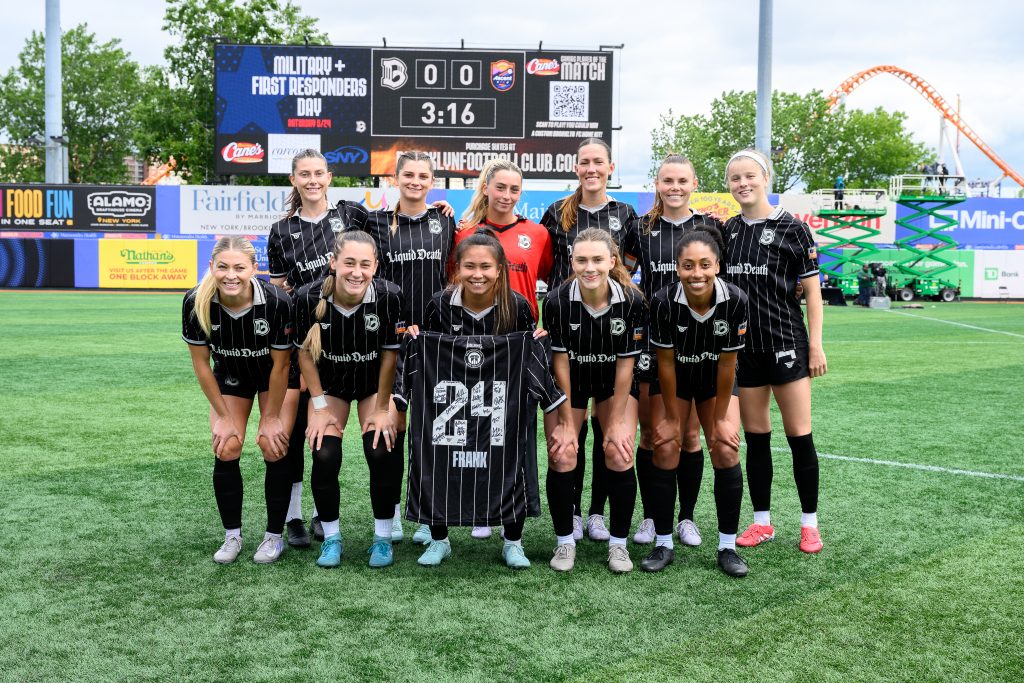
Brooklyn FC’s starting eleven at their home field, Maimonides Park in Coney Island, before their match against Carolina Ascent FC on May 24. The team is holding a jersey to honor their equipment manager, Frank, who has been struggling with health issues recently.
Back row (left to right): Leah Scarpelli, Jessica Garziano, Alexa Goldberg, Allison Pantuso, Kelsey Hill, Caroline Kelly; Front row (left to right): Mackenzie George, Hope Breslin, Sam Kroeger, Mackenzie Pluck, Ginger Fontenot
Photo: Michael F. McLaughlin


Center for Communications Hosted Media Career Summit

The Center for Communications hosted a Media Career Summit in partnership with BRIC on June 10 from 8:30 am to 5 pm. The event took place at BRIC house at 647 Fulton street Brooklyn. The Media Career Summit is a chance to give students and recent graduates the opportunity to connect and learn from people in the media industry. The event started with a complimentary breakfast of mini croissants, muffins, coffee and fruit followed with an opportunity to network with peers. Afterwards everyone is led into a theater to listen to opening remarks given by the Associate director of Bric Arts Media Robb Gilmore and the Executive Director of the center for communications J. Max Robins. 

Robbins talks about how these seminars are made to help people get their foot in the door when in the media industry. “My advice for anyone starting out their career journey in the media business is to be passionate, work very hard, you’re going to hear a lot of no’s don’t take them personally, and just keep doing it, keep going,” Robins said.

“To see us play a fundamental role in such a diverse, smart group of young people get the opportunity to jump start their careers and when we hear that they made that connection lead to an interview or a job, I’m over the moon with that,” Robins continued.

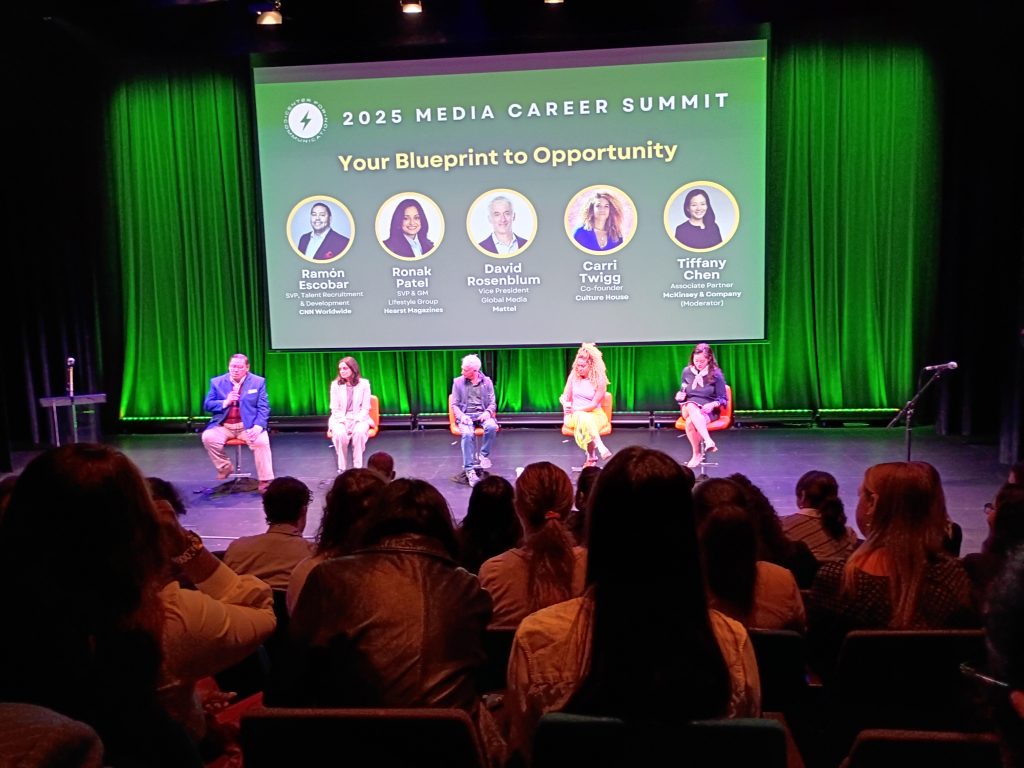
A panel was held after the opening remarks called ‘Your Blueprint to Opportunity’. The four people on the panel were the Vice President of Mattel David Rosenblum,  a talent recruiter from CNN worldwide Ramon Escober, SVP & GM lifestyle group Ronak Patel from Hearst magazine and the CEO of Culture House Carri Twigg. The panel went on to discuss the work environment that students and recent grads would be going into as well as give advice and answer any questions from the crowd. Each of the panelists talked about how your individual experiences and things that make you different are the key to success. After that was finished we were informed by the speaker that we would be split into two groups based off of the sticker on our badges and would either network first or attend a workshop.

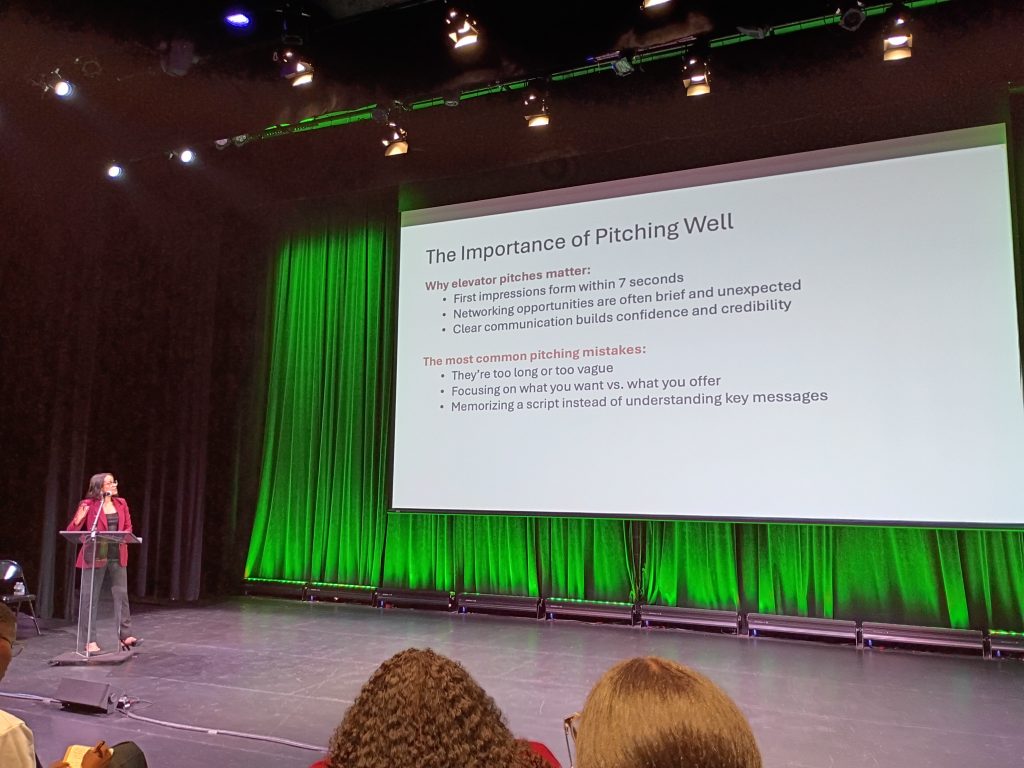
The Workshops provided were how to overcome imposter syndrome or how to perfect your elevator pitch. The elevator pitch seminar hosted by Alexandra Merceron taught participants how to have a clear and precise intro when meeting a potential employer or a new connection. Merceron explained that having a clear and concise pitch helps you come across as confident, leaves a lasting impression and can help you gain a job or have a connection to one in the future. 

The networking portion of the event had representatives from companies such as Warner Brothers, Mattel, Hearst media, BRIC, Rubinstein communications, REEL Works, DGA Training program, and Hollywood and Radio Television Society. Each table had one or two representatives from the company to answer any questions as well as hand out pamphlets and business cards. Gilmore, who was representing BRIC, gave advice for young creatives that want to break into the industry;  “ I think especially when you’re young and you’re creative, you wait for opportunity you should create opportunity. So I think the best thing is if you see somewhere you want to go you gotta do your study, see where they’re lacking, and make your offer.”

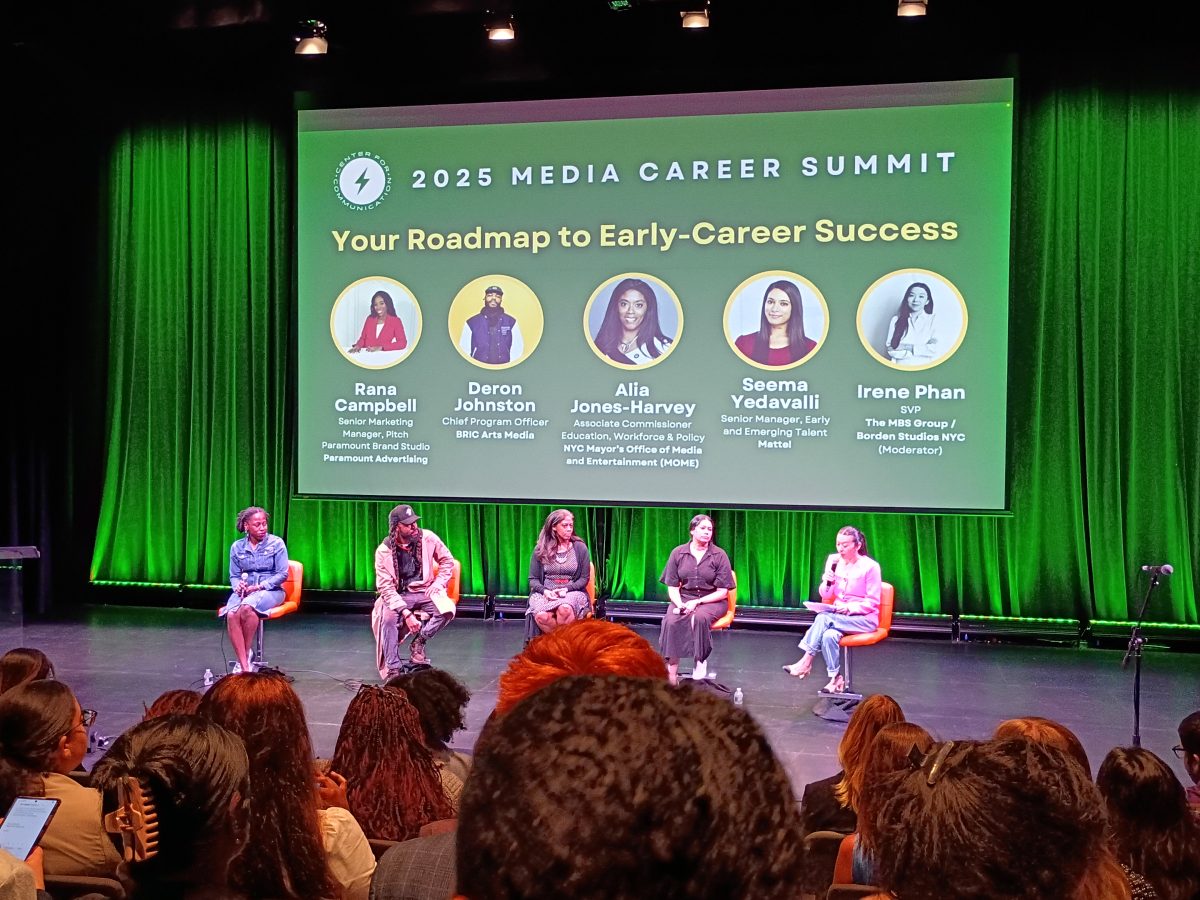
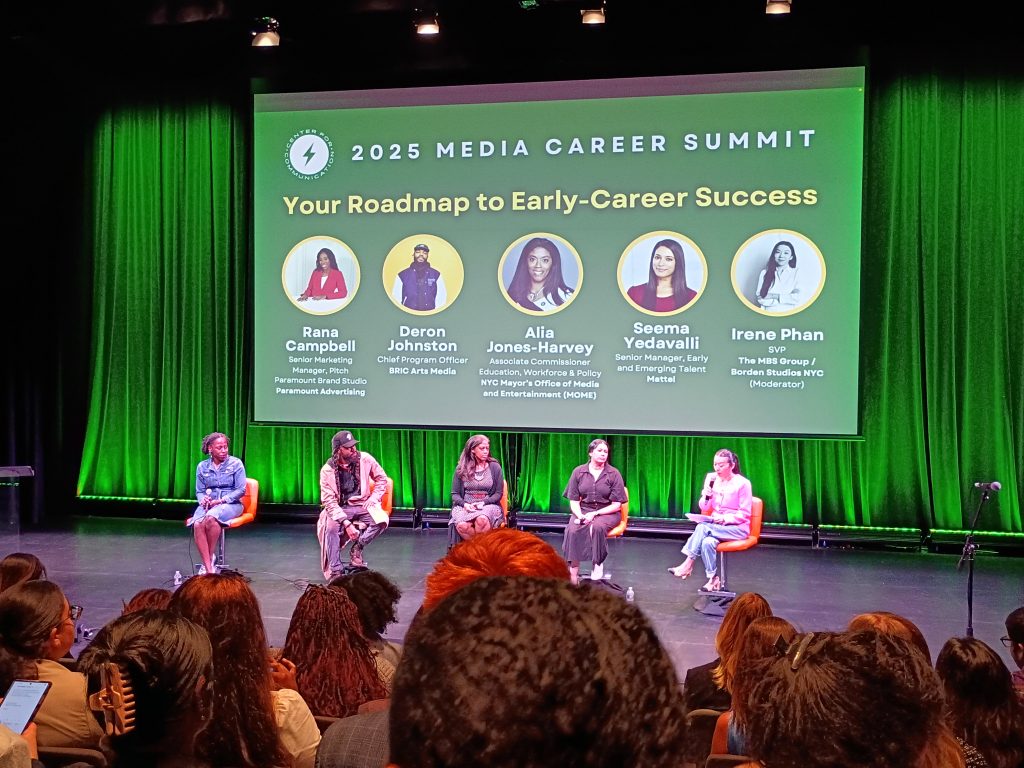
The event had another panel called ‘Your road map to Early-Career success’ with the senior marketing manager pitch paramount brand studio at paramount advertising, chief program manager of BRIC Deron Johnson, Associate commissioner education workforce and policy for NYC mayors office of Media and Entertainment Alia Jones-Harvey, and Senior manager and emerging talent at Mattel Seema Yedavalli. The seminar focused on ways that we can become successful in the field we end up in while emphasizing that pivoting will happen but that’s expected. Being able to remain curious about new things is critical to your success. Another point that was brought up was to uplift those that are around you and that your peers are not your adversaries but your allies and we should help each other. While answering questions one thing that was brought up is how to deal with hiring managers not giving you a response after applying for a position. One response from Johnson was to not expect a response to keep yourself from burning out. 

“To see us play a fundamental role in such a diverse smart group of young people get the opportunity to jump start their careers and when we hear that they made that connection lead to an interview or a job im over the moon with that” Robins said.

Astoria Park Carnival: A Photo Essay

ALICE MORENO

Astoria Park Carnival is back, marking the arrival of summer in New York City. 

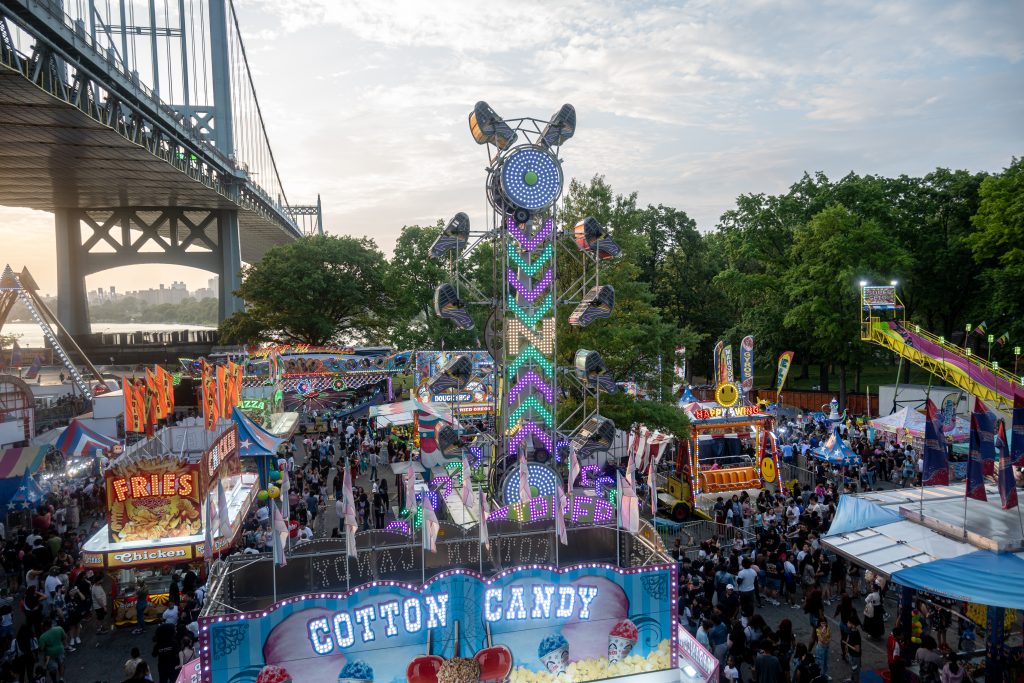
Running from June 4 to June 8 on the corner of Hoyt Avenue and 19th Street under the RFK bridge, the carnival featured a plethora of rides — from softer, slower rides, to fast-paced thrill rides — enjoyed by people of all ages. 

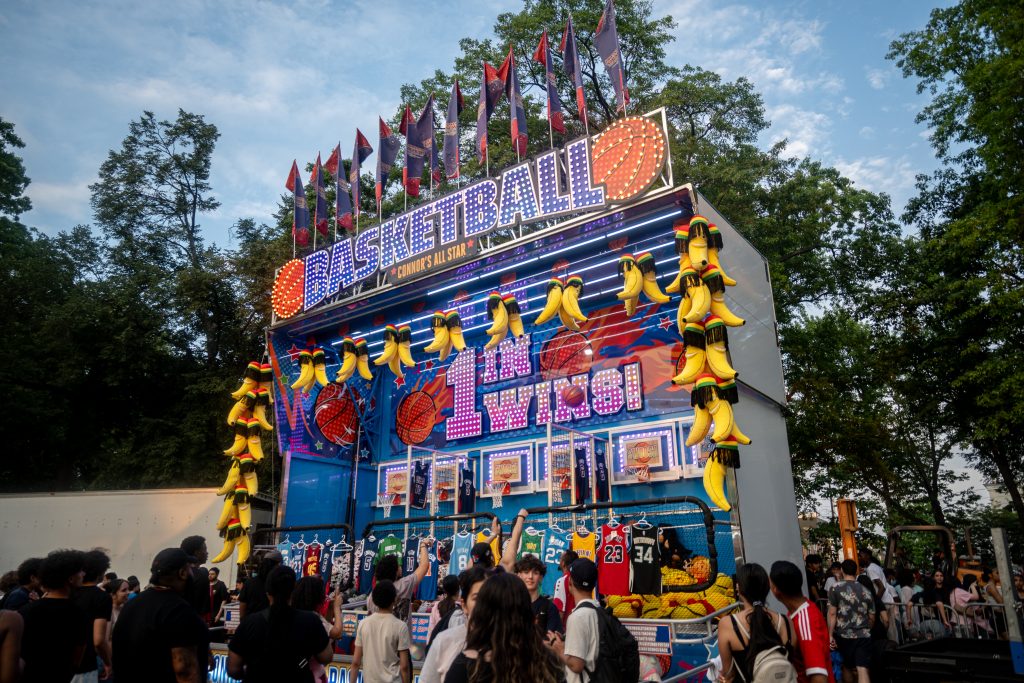
This year, the carnival hosted two brand new rides: Zeus, a spinning ride inspired by the Greek God of thunder, and FlashDance, a ride that sends you into orbit, circling in different directions. The carnival also included a bevy of food and drink options, such as the classic carnival food items, funnel cake, cotton candy, and candy apples. A variety of games — such as balloon pop, basketball, and fishing — were also featured, in which one can win prizes from the tiniest stuffed animals to the largest. 

Astoria Park Carnival is held by Dreamland Amusement and presented by the Central Astoria Local Development Coalition, which, according to the press release, is a “ not-for-profit community organization dedicated to preserving and enhancing the neighborhood of Astoria.”

Witness the fun of the brightly lit, colorful carnival come to life through this photo essay.

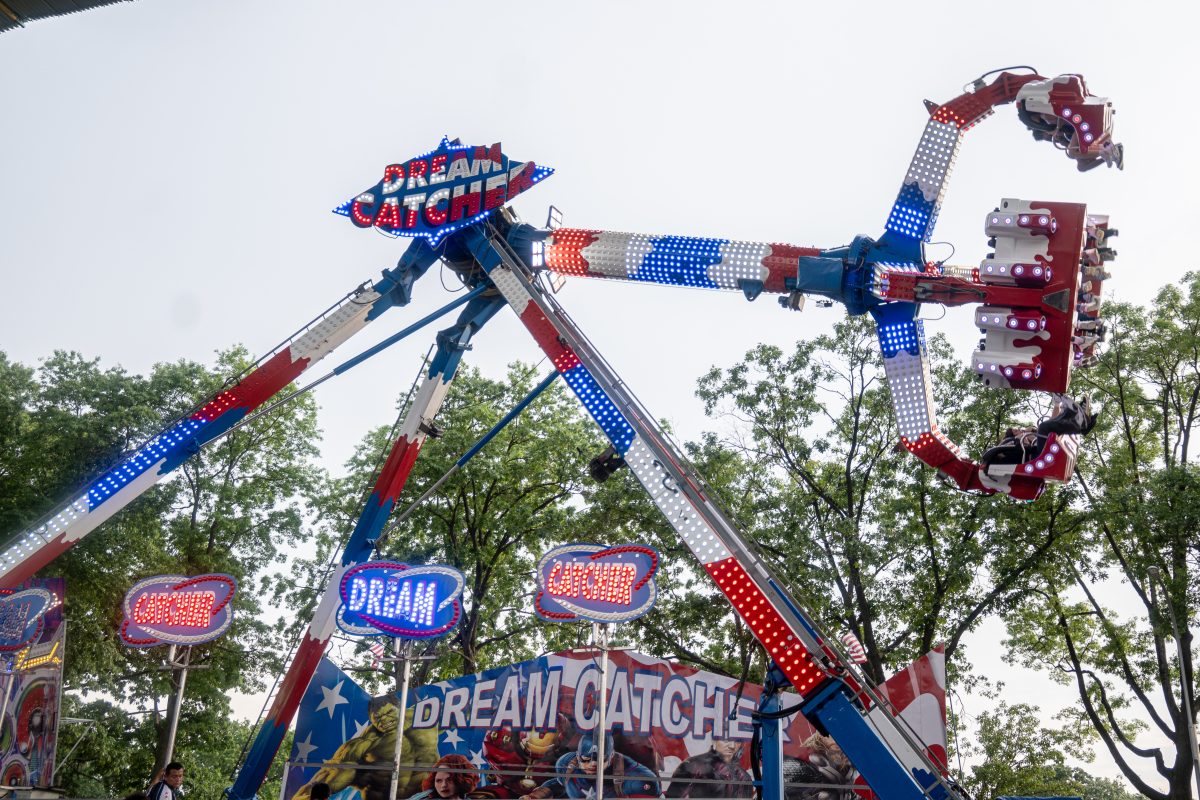
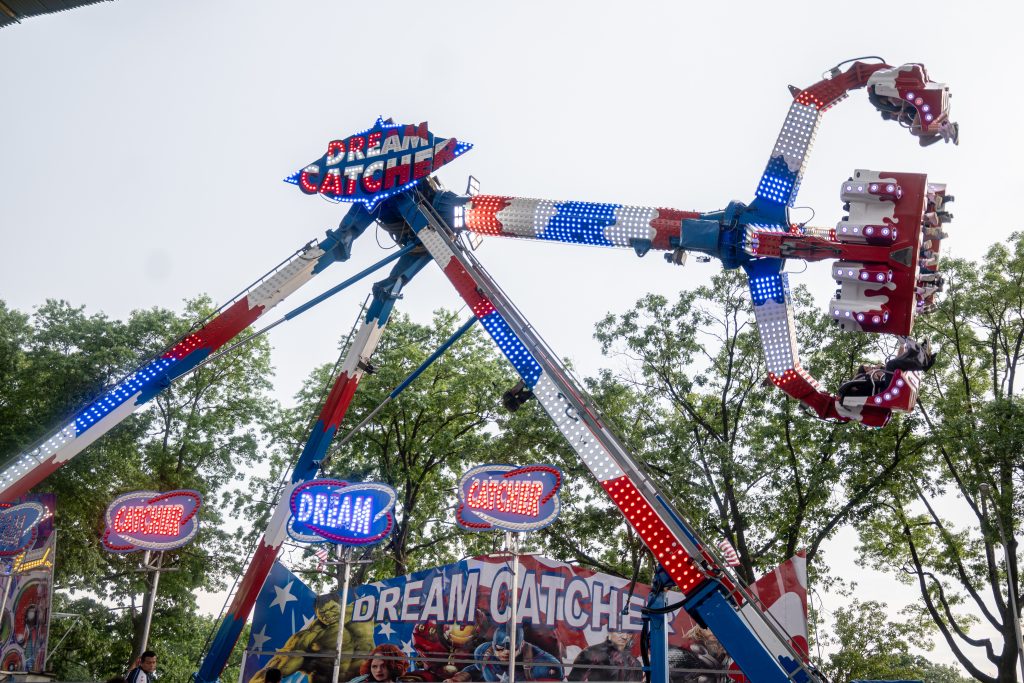
The Dream Catcher uses a claw-like mechanism that spins in circles, taking carnival-goers upside-down.


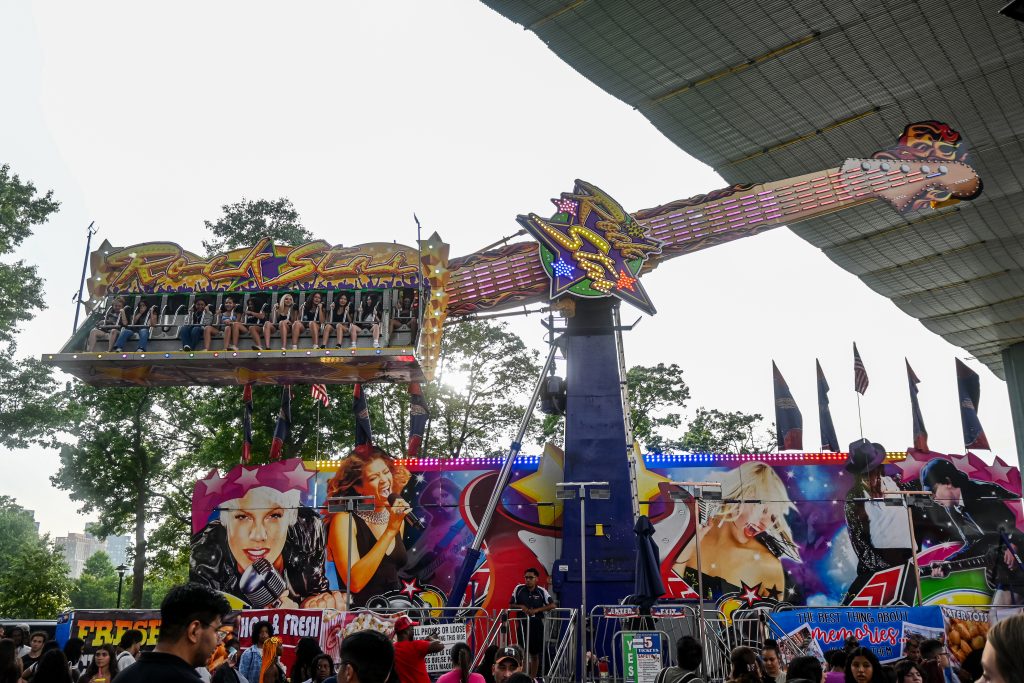
The Rock Star is a classic carnival ride. The guitar-shaped ride goes round and round, even tilting a little down to add an extra element of thrill.


The Pharaoh’s Fury rocks back and forth over and over.


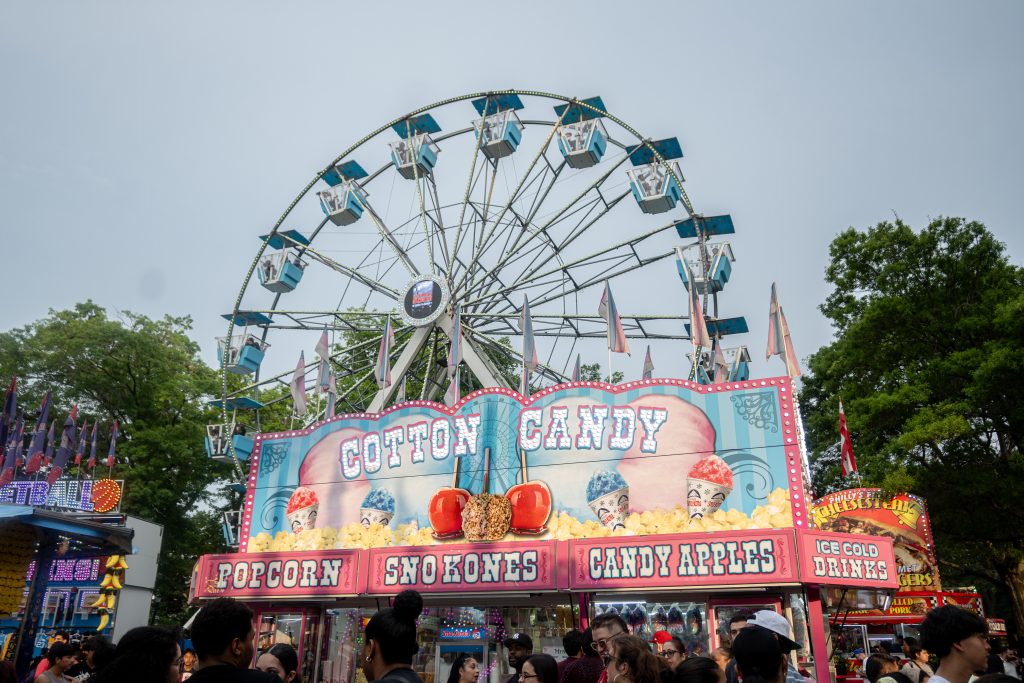
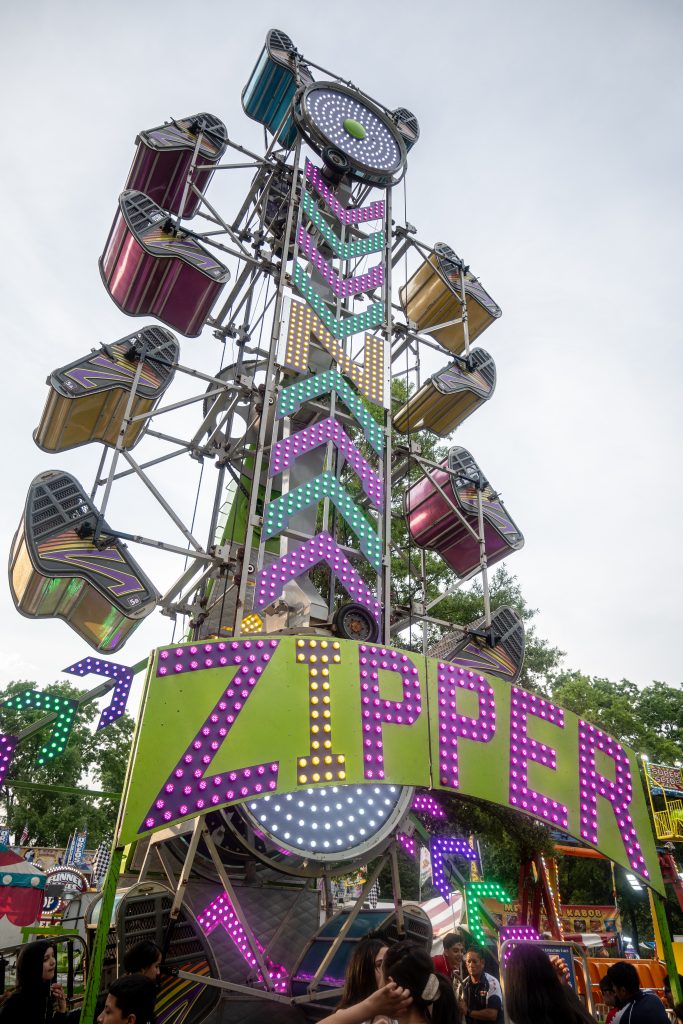
Carnival classics, such as the Zipper, the Ferris wheel, and a cotton candy stand, are featured in the park.


The Ferris wheel stands in display behind a cotton candy stand.


The Zipper is known as the most thrilling ride, as it goes in circles, flipping guests upside-down.


A view of the Astoria Park Carnival from the Ferris Wheel.


The carnival is located right under the RFK bridge.


One of the games presented at the carnival is “Liam’s Fishy Fishy.” Guests catch a fish, and depending on the color underneath it shows what kind of prize they get.


A basketball game is featured at the carnival. Many guests attempt to get the ball in the hoop in hopes of winning the prize: a banana toy.


The Zipper is shown behind the candy apple stand.


The Ferris wheel is the icon of the Astoria Park Carnival.


Many food options were offered at the park, including this fries stand.

Fill the Form for Events, Advertisement or Business Listing