

Queens Lawmaker Proposes Five-Point Community Health Plan
By MOHAMED FARGHALY
mfarghaly@queensledger.com
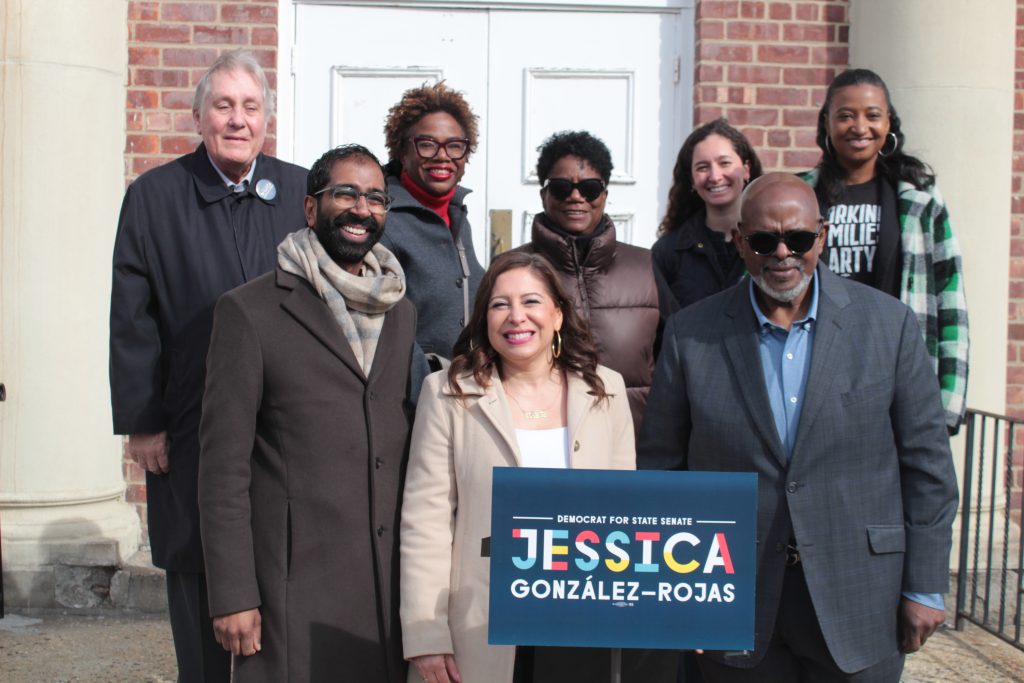
On the anniversary of the COVID-19 pandemic, State Assembly Member and Democrat for State Senate Jessica González-Rojas unveiled a comprehensive five-point plan to rebuild neighborhood health care infrastructure in Queens, aiming to ensure communities like East Elmhurst, Corona, and Jackson Heights are better prepared for future public health crises. The announcement was made Tuesday at a press conference at First Baptist Church in East Elmhurst, a hub for community outreach and support during the pandemic.
These neighborhoods were among the hardest-hit in New York City during the early months of COVID-19. Hospitals were overwhelmed, families lost loved ones, and essential workers—including nurses, airport staff, grocery clerks, and delivery drivers—faced extraordinary risks. Many residents had limited access to primary care, preventive services, and culturally competent medical resources, leaving them vulnerable when the virus surged.
“Six years ago, our communities became the epicenter of the epicenter of the COVID pandemic,” González-Rojas said. “We remember the loved ones we lost. We remember the fear and the uncertainty. We remember the extraordinary courage of our neighbors who showed up for each other every single day. Public health doesn’t start in Albany or in Washington. Public health starts in our neighborhoods. This is about building a health system rooted in community, prevention, and equity.”
The five-point plan proposed by González-Rojas focuses on building and strengthening local health infrastructure while addressing systemic disparities:
González-Rojas’s Five-Point Community Health Plan
Build a new primary care clinic in East Elmhurst: The clinic will provide accessible primary care in a neighborhood that experienced some of the highest COVID-19 infection and mortality rates in the city.
Expand community health services in Corona and Jackson Heights: The plan calls for partnerships with trusted community organizations to provide additional primary care, mental health services, and preventive care directly where residents live and work.
Strengthen public health emergency preparedness: Investments will ensure hospitals, clinics, and community providers are better coordinated and prepared for future public health crises.
Expand mental health services for youth and families: Recognizing the long-term effects of the pandemic, the plan emphasizes school- and community-based mental health resources.
Support and protect frontline health workers: Measures will provide resources and support for the workforce that keeps the health system running, including hospital staff and community health workers.
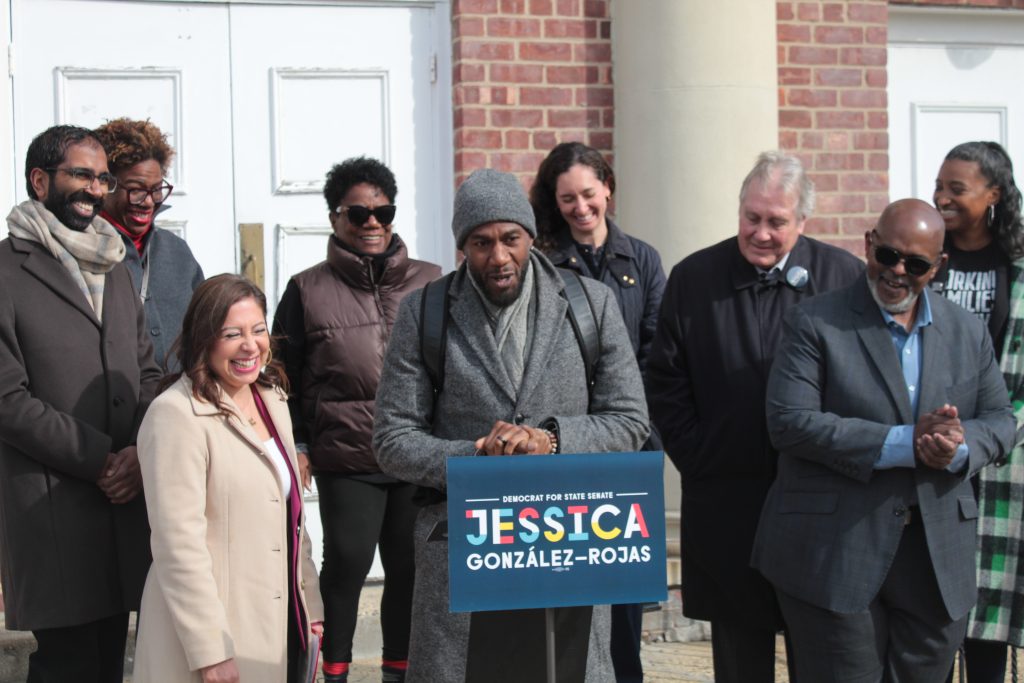
State Assembly Member Catalina Cruz, a longtime advocate for Queens communities, highlighted the ongoing need for equitable investment: “Thank you for bringing us together when this first hit. I don’t think any of us knew quite what to expect. And there are plans like this that will make sure that we are working together, not just as elected officials, but as community leaders, and that we care about people to make sure our community can survive.”
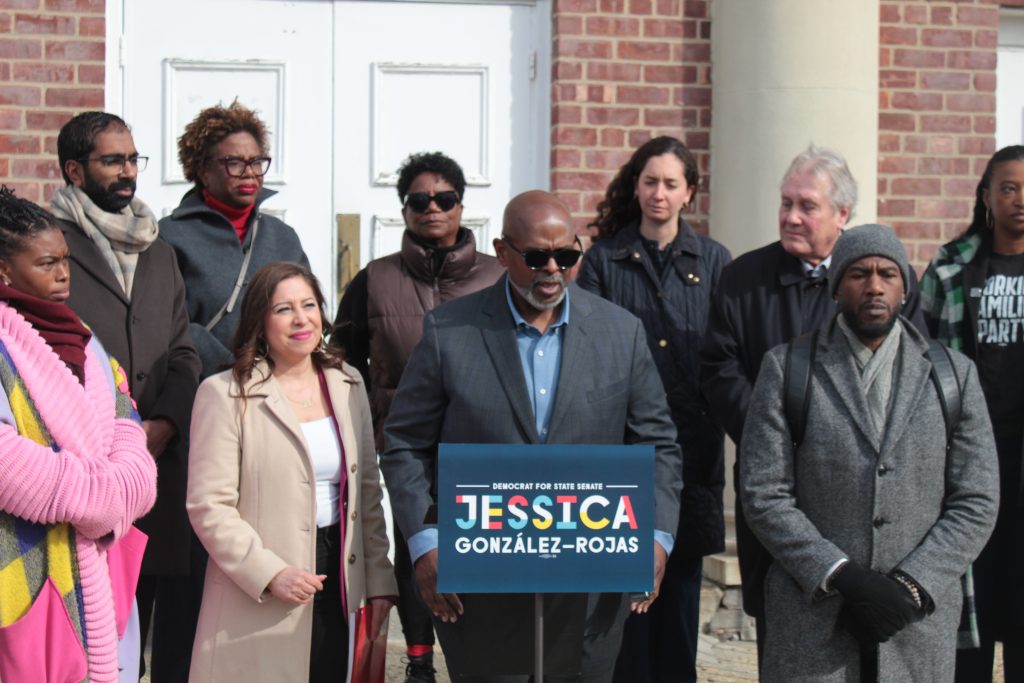
Pastor Patrick H. Young, who led First Baptist Church’s COVID response, emphasized the role of community institutions in filling gaps left by the public health system. “We became the lifeline for our community. We still provide mental health centers, free for 12 weeks. I just had a meeting this week to plan and move forward to execute this wonderful health clinic here in our community,” he said. During the pandemic, the church provided food, clothing, and makeshift medical support to thousands of families, serving as a model for community-based intervention.
Former City Council Member Daniel Dromm, who represented Queens during the early weeks of the pandemic, stressed health care as a fundamental right. “Healthcare is a human right. This community has traditionally been overlooked for healthcare. Finally, we have someone who also believes that health care is a human right. Thank you for doing this, and I’m very proud to be here,” Dromm said, recalling the long lines outside Elmhurst Hospital and the struggles faced by residents who lacked primary care.
Public Advocate Jumaane Williams praised the community-driven focus of González-Rojas’s plan. “Jessica Rojas is putting together a five-point plan. So we’re not just remembering people in vain. We’re doing something so we don’t add any more names. This is a well thought out plan that is community based. Community we provide investment,” Williams said, emphasizing that strong local coordination is key to preventing future crises.
Working Families Party State Director Jasmine Grapper highlighted González-Rojas’s leadership and dedication to her district. “She’s not afraid of hard work, she’s not afraid of showing up. We are proud to support you. Thank you for your vision and your leadership, and we’re excited to get you into this seat so that you can continue to lead this community and lead our people,” Grapper said.
González-Rojas’s announcement also underscored the importance of immigrant and working-class families in the district. Many residents were essential workers during the pandemic, balancing jobs with caregiving responsibilities while facing barriers to health care access. González-Rojas said her plan is designed to ensure language access, culturally competent care, and neighborhood-based services that reflect the realities of the community.
“There are so many that I’m thinking of today, so many of our neighbors that are no longer with us, but I’m here to deliver a five-point plan, to say that you matter, your life matters to us, and that we want to make sure there are no more lives lost to a pandemic that we were unprepared for,” González-Rojas said as she closed the event.