

Courtesy Freepik
MOHAMED FARGHALY
mfarghaly@queensledger.com
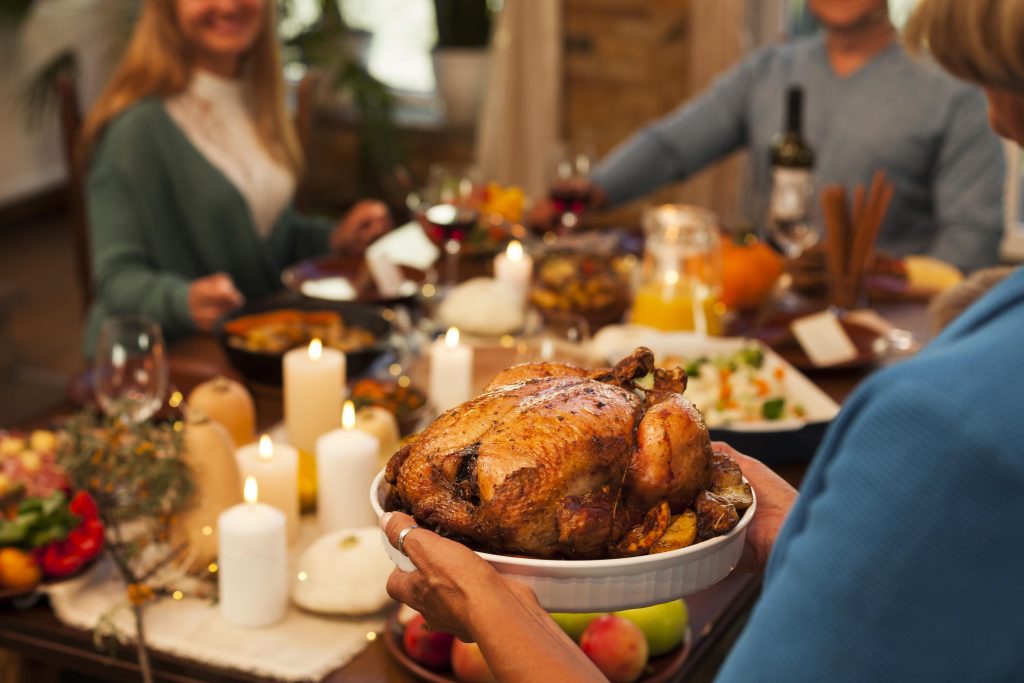
For many, Thanksgiving is a time for family, celebration, and a feast of traditional dishes. But for patients with heart disease, the holiday can bring hidden risks alongside the pumpkin pie. Dr. Inna Bukharovich, a cardiovascular specialist at NYC Health + Hospitals/Kings County, said planning and moderation are key.
“So it’s very important for patients with heart disease to be meaningful of the diet they consume,” Bukharovich said. “Especially with high salt, fluid intake, calories — they definitely have to watch the intake: smaller portions, low salt, more fruits, vegetables, less carbohydrates and high sugar. Diet is what we kind of hope for for patients with heart disease.”
The holiday season, she added, can also disrupt routines. “Thanksgiving is a stressful time. Everybody wants to be with their families. They’re cooking, they’re celebrating. So they kind of forget about taking their meds, which is very important, also paying attention to exercise. For heart health, we recommend at least 30 minutes a day of walking and taking their medications on time.”
Bukharovich said the indulgent meals themselves can pose risks. “A lot of the meals for Thanksgiving taste good, but they’re very big meals, heavy on carbohydrates, have a lot of salt intake, and that’s what creates a problem, especially for patients with weak hearts, patients with heart failure, and patients with high blood pressure.”
She sees the consequences shortly after the holiday. “Usually a couple of days after Thanksgiving, we have a lot of patients who present with very elevated blood pressures, or patients with heart failure presenting fluid overloaded from all the intake of foods they had over the holidays. When you eat a lot of salty food, that keeps the water in your body, and that’s what creates problems for patients with weak hearts. Heart attacks also increase during the holiday time — it’s probably a combination of stress, medication noncompliance, and lack of following a regular diet and exercise.”
For those seeking healthier options without missing out on tradition, Bukharovich offered some practical swaps. “Lean turkey is good. You can always keep on the gravy, even though it tastes good. Less potatoes, mashed potatoes, pumpkin — more like salad without dressing, and less stuffing because that’s full of bread, salt, and high calories. Apples are good — maybe not apple pie, but just apples. Be meaningful of what people eat and substitute healthy versions for traditional Thanksgiving meals.”
She also stressed the importance of portion control. “Yes, usually small meals, like portion control, is more important for the heart. When you have a very heavy meal, all your blood gets diverted to the stomach. People with weak hearts, at risk for heart attack, kind of get this steal phenomenon where all the blood circulates to the stomach instead of the heart. Reducing that is very important. Alcohol can interfere with medications as well.”
Exercise, she said, can help mitigate holiday indulgences. “Thirty minutes a day of walking — it doesn’t have to be excessive, just at your own pace. Even walking in the lobby of your apartment building will provide positive benefits for the heart.”
Bukharovich also offered guidance for alcohol, a common holiday indulgence. “Red wine has antioxidants and is good for the heart, but no more than a glass a day. A lot of medications interfere with alcohol, since they’re processed by the liver. Patients need to discuss it with their doctor if their medication will interfere, because alcohol can increase medication levels to dangerous levels.”
She warned that holiday overeating and skipping doses can have serious consequences. “Prevention of heart disease and dangerous effects is much more important than dealing with the event itself. Holiday is a good time, but you have to eat in moderation, plan your food around your medications. Some medications, like blood thinners, interfere with green leafy vegetables. Patients need to be aware of what they can eat or not. Bananas and plantains, for example, are high in potassium and can interfere with heart failure medications.”
Signs that require urgent attention include shortness of breath, chest pain at rest, or unusually high blood pressure. “Never delay treatment just because it’s the holiday season,” Bukharovich said. “The hospital is open, doctors are here, and it’s very important to have it checked out in time.”
Family support can also make a difference. “Check on your family members: Did you remember to take your medications? Do you know what you can eat and what you cannot? Being aware helps families accommodate and provide different varieties of food during the holiday season.”
Ultimately, Bukharovich emphasized balance and connection. “It’s very important for patients to celebrate with their family. Mental health is a big part of overall patient health, and there’s a lot of connection between mental health and heart disease. Being around family, celebrating, creates positive effects — just be meaningful of your limitations and let your family help.”