
Rising Fighter Elijah Gonzalez Prepares For April Bout

By MOHAMED FARGHALY

mfarghaly@queensledger.com

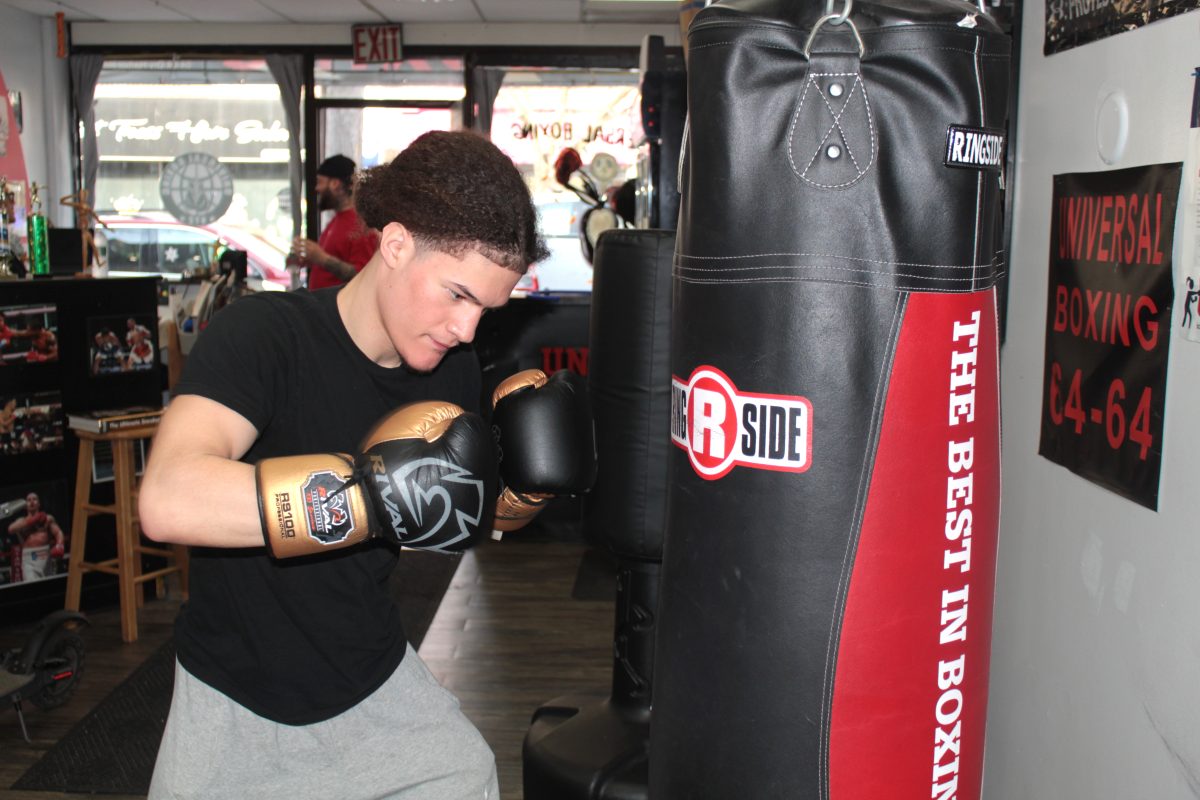
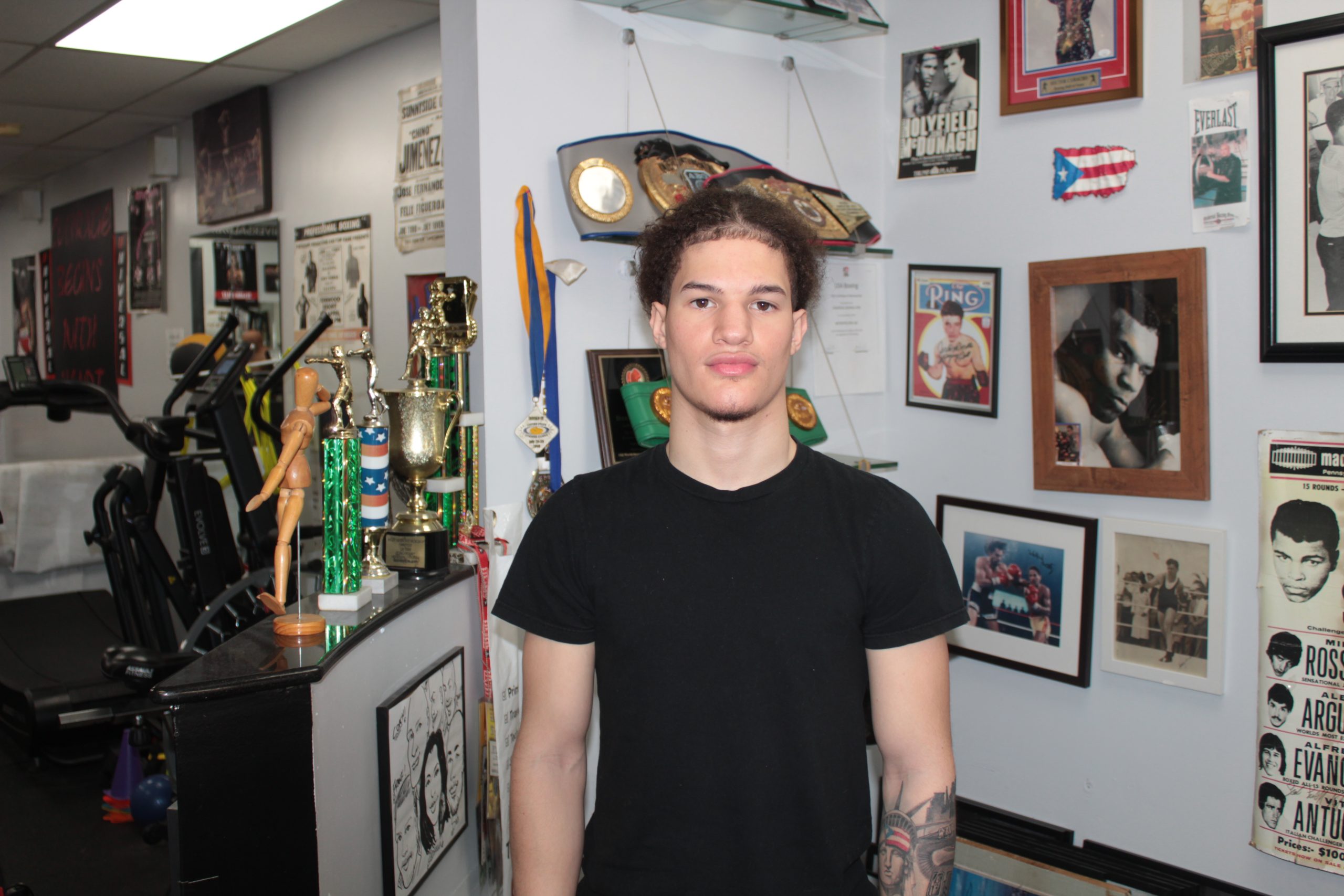
For Elijah Gonzalez, boxing has been a part of life for as long as he can remember.

The 19-year-old Coney Island resident grew up around the sport through his father, who spent years inside boxing gyms and introduced him to the discipline at a young age. What started as time spent watching and learning quickly turned into a passion that now drives the young fighter’s daily routine.

“My father grew up in a boxing gym,” Gonzalez said. “I tried a whole bunch of different activities and sports, and I just grew up in the gym with him. I picked a liking toward it. I started fighting and got really good.”

Today, Gonzalez splits his training between several gyms across the boroughs but considers Universal Boxing Gym in Middle Village Queens his home base, where he works closely with his coaches and teammates.

“This is my home,” Gonzalez said. “I have a few gyms I go to for sparring, but Universal Boxing Gym is my home. It’s a little crazy ride from Coney Island, but it’s worth it. This is family over here.”

Gonzalez first stepped into a boxing gym at age seven while living in Pennsylvania. Training alongside his father, he began learning the fundamentals before eventually catching the attention of a coach who saw potential in the young fighter.

After several years of training, Gonzalez stepped into the ring for his first amateur bout at age 10 in Philadelphia, winning the match and quickly building momentum.

A few months later, he entered the Sugar Bert Nationals tournament, where he fought three consecutive days and emerged with his first championship belt.

“It was really fun and exciting, especially the environment,” Gonzalez said. “I saw a whole bunch of kids in different weight classes and all the different talents. It’s a different feeling when you wake up early, weigh in with everybody and then fight. Winning that and coming home with my first belt was an amazing moment.”
From there, Gonzalez continued competing in amateur bouts, traveling to regional and national competitions while facing increasingly experienced opponents.

Eventually, he and his father relocated to Brooklyn, seeking stronger competition and better training opportunities in New York City’s boxing scene.

“My dad grew up in a boxing gym over here,” Gonzalez said. “We came here for the coaches he worked with, to get better sparring and see different gyms. We heard about this gym and Coach Mo, and we came here and started working.

At Universal Boxing Gym, Gonzalez trains with a tight-knit group of fighters, including fellow professionals and longtime teammates.

“Everybody here grinds together,” he said. “It’s brotherly love. Coach Mo, Danny Gonzalez, my father, everybody pushes each other. It’s like another home to me.”

His training routine reflects the discipline required to compete at the professional level. Strength and conditioning sessions include treadmill work, resistance bands and medicine ball drills, while sparring sessions twice a week allow fighters to sharpen their skills inside the ring.

But the work doesn’t stop once Gonzalez leaves the gym.


“All year round I’m making sure to eat right,” he said. “Of course I have snacks here and there, but I’m always running and staying in shape so when I come back after a fight I still feel good.

Discipline, he said, has been one of the most important lessons boxing has taught him.

“Discipline is doing things without being asked,” Gonzalez said. “When I was younger my father would wake me up to go run, and sometimes I didn’t want to do it. But over time you build that inside yourself. You learn to wake up early, eat healthy and stay focused.”

Dieting, he admits, is often the hardest part of preparing for a fight.

“I love eating food,” he said with a laugh. “When I’m in camp we weigh everything, four strong meals a day, lots of water, no snacks in between. My dad cooks my food for the week so I can maintain my weight.”

That strict preparation has been in place for months as Gonzalez readies himself for his next professional bout.

He is scheduled to fight April 10 at the Prudential Center in Newark on a major fight card, a step up that he believes reflects both his hard work and the strength of his support team.

“I’ve been working really hard,” Gonzalez said. “I had a two-month camp for this fight. Everything I’ve been going through with the training and the food, I’m going to put it all in that fight.”

The bout is expected to draw family and friends from across New York and New Jersey, many eager to watch the young fighter continue building his career.

“I have a lot of family and friends coming,” he said. “They love to come out and support.”

After the fight, Gonzalez already has a simple plan.

“I’ve been craving a big cheeseburger and some pancakes,” he said. “After the fight I’ll hang out with my family and celebrate my sister’s birthday. Then it’s right back to work.”

Despite his growing confidence and early success, Gonzalez says he remains focused on improvement and the long road ahead.

For young athletes considering boxing, he says perseverance is key.

“No matter how hard the work is, you have to keep pushing forward,” Gonzalez said. “It’s a rocky road and it’s really tiring sometimes, but you have to stay focused and dedicated. You have to see your dreams in the future and know you can be great if you keep putting in the work.”

And on April 10, the Brooklyn boxer hopes to prove just how far that work has taken him.

No More Wars, No More ICE: Chuck Park Comes for NY-6

BY COLE SINANIAN

cole@queensledger.com

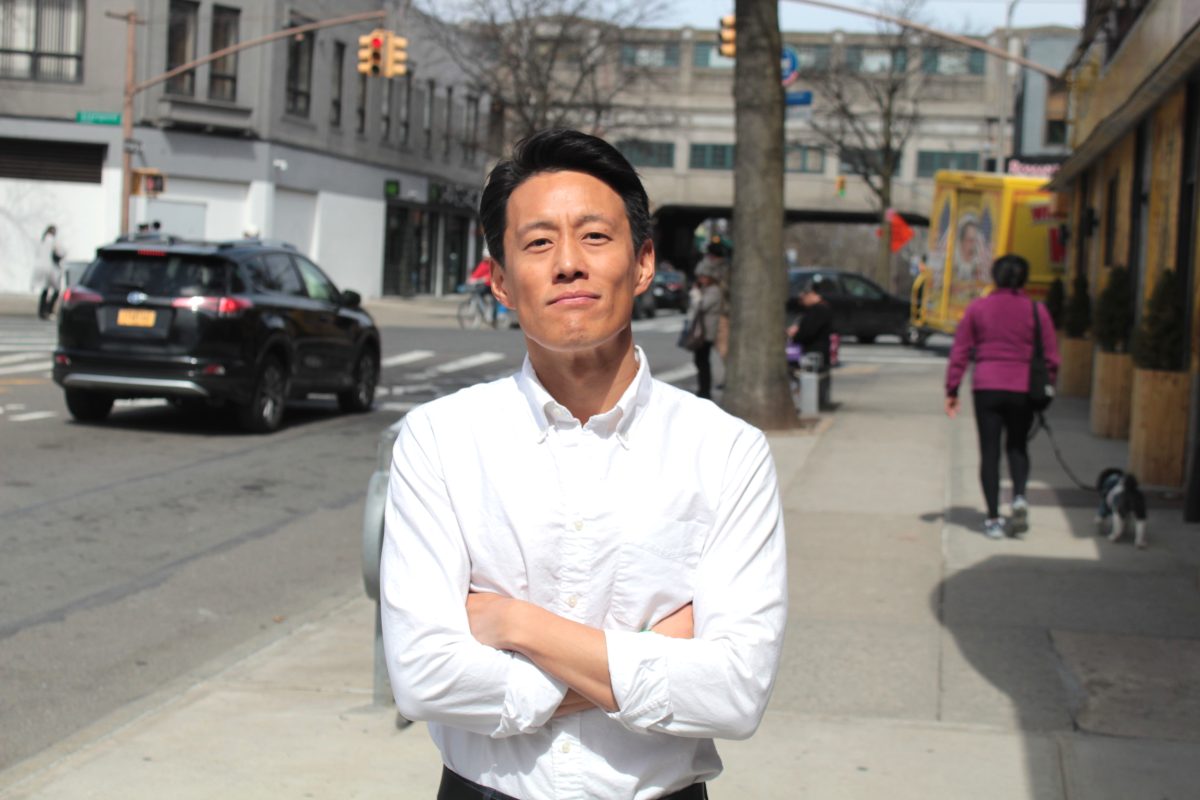
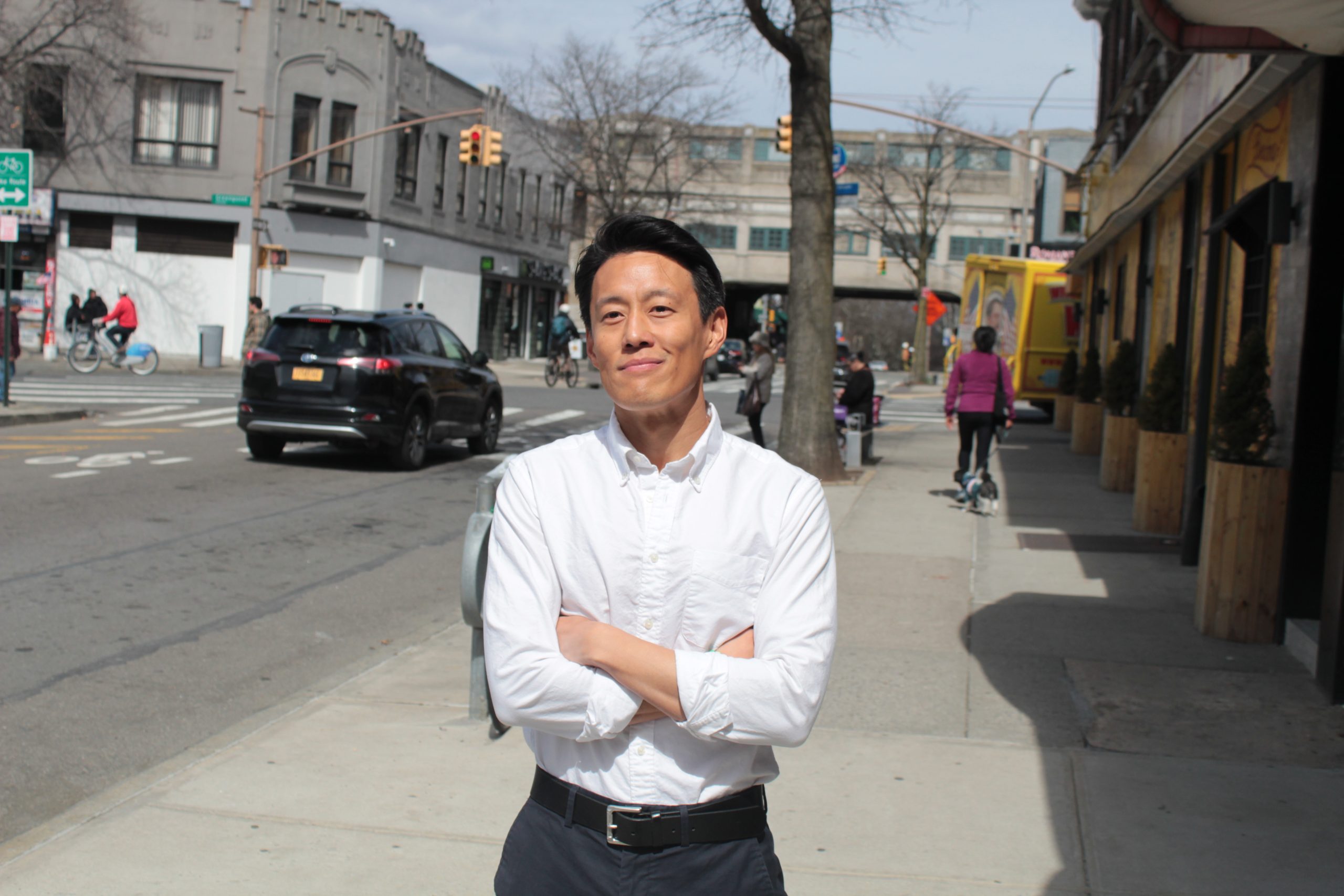
Take a stroll down Roosevelt Avenue in Jackson Heights and amongst the street vendors selling momos and tamales, you may run into Chuck Park, a 40-year-old for- mer foreign service officer running for New York’s 6th Congressional District, which includes Flushing, Elmhurst, Forest Hills, Maspeth, Middle Village, Kew Gardens, Bayside, and parts of Woodside.

If not, you’ll surely see his Instagram reels, in which he looks directly into the camera, often while walking, and delivers blistering, highly quotable condemnations of the Trump Administration, corporate super PACs, or his opponent, the incumbent centrist Democrat Grace Meng.

“Hey Representative Meng, let’s break the ICE,” he says in one. “A few months ago, you signed on to this resolution, thanking ICE. A whole lot’s happened since then.”

It was this clip, which goes on to show a montage of brutality by federal agents, that first caught the attention of Thuy Petersen, a mom of three who described herself as, until recently, largely apolitical.

Not unlike those of Mayor Zohran Mamdani and the slew of insurgent progressives challenging incumbent Democrats from the left, Park’s campaign was, to Petersen, a breath of fresh air. It’s grassroots and laser-focused on ending foreign wars, boosting social welfare, abolishing ICE, and getting big money out of politics — an appealing message to those who’ve felt squeezed by an ever-rising cost of living and abandoned by the Democratic establishment as federal agents kid- nap immigrant schoolchildren and war rages on in Iran, largely on the behalf of Benjamin Netanyahu’s far- right government in Israel.

“You can’t make decisions for the people you represent when you are accountable to the people that give you money,” said Petersen, who’s now a volunteer for Park’s campaign. “With Chuck, I felt like here’s someone who is brave enough to stand up for what he believes in.”

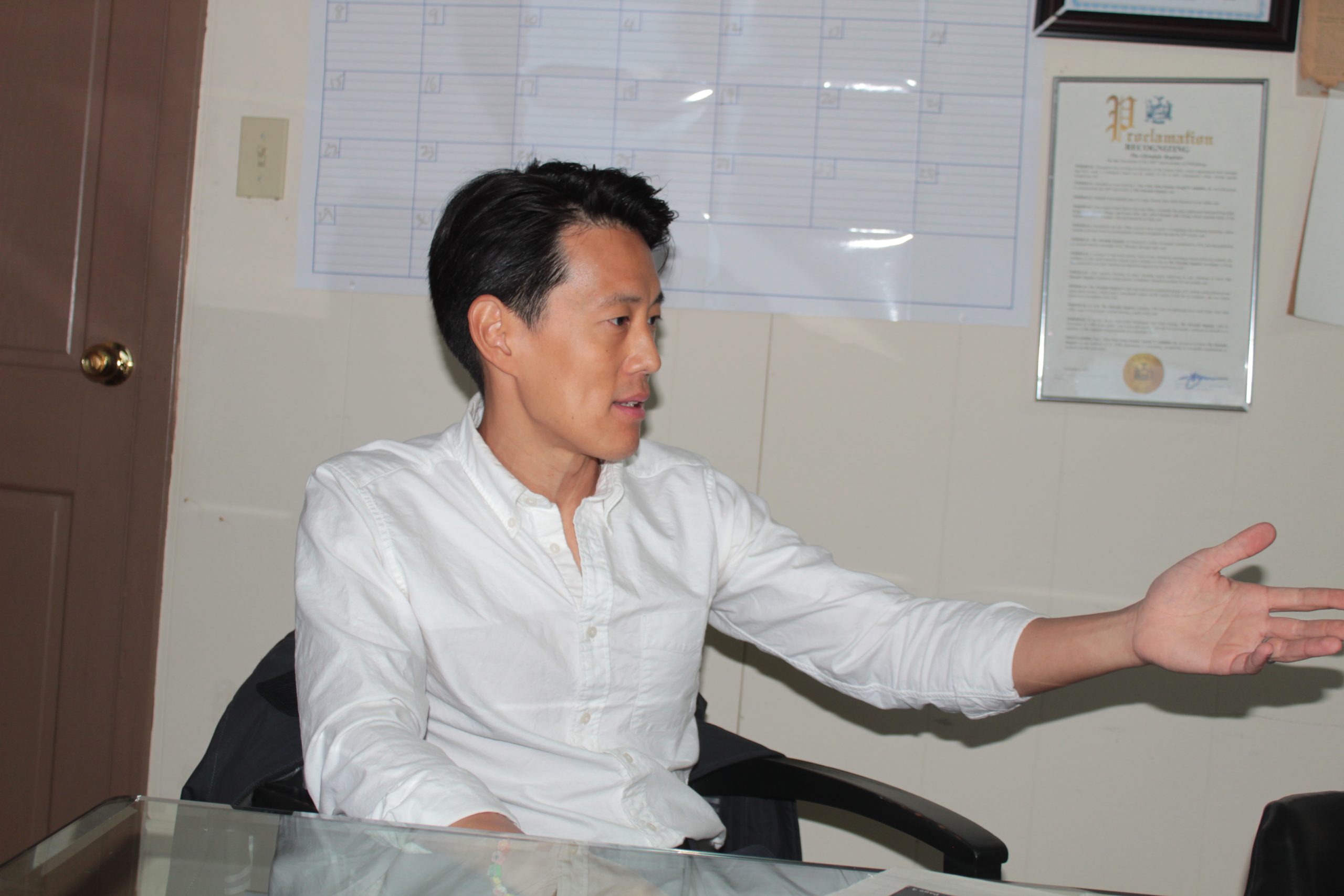
In person, Park is energetic, tan and clean-cut. During an interview at the Queen’s Ledger’s Sunnyside office, he was quick to admit his black corduroy-lined jacket was in fact a Uniqlo knockoff of a designer brand.

One of five, Park was raised by Korean immigrants in Woodside. Back then his parents sold jackets and jeans on Canal Street in Manhattan. When ICE raided China- town last October, Park couldn’t

help but see his own family’s experience in the merchants facing down armored vehicles and masked men in military fatigues.

“That’s where my dad used to sell T-shirts,” Park said as tears welled in his eyes. “When I see them grabbing a dude, they’re grabbing my dad. They are destroying our stories before they can even start.”

Park’s decision to run for Congress came in August, when ICE detained a seven-year-old elementary school student in Elmhurst with her mother. A chorus of elected officials issued statements calling for her swift return, but Representative Meng said only that her team had contacted the family and “we are seeking more details.”

The next day, Park filed his candidacy with his wife as treasurer.

“They murdered Alex Pretti and Renee Good,” Park said. “They’re shooting high school kids in the face with pepper spray, point blank. That needs to be wiped clean. I want to abolish ICE. That is a clear difference between me and my opponent.”

Park studied economics at the University of Pennsylvania and got a consulting job in Manhattan after graduation. Politics wasn’t a huge part of Park’s life until Barack Obama started campaigning for the presidency in 2007. At the time, Park saw Obama’s rhetoric as the embodiment of the optimism that underpins the American Dream. Park cited Obama’s landmark “A New Beginning” speech in Cairo in 2009, during which the president confronted historic tensions with the Islamic world and vowed to fix them, as an expression of this optimism.

Inspired enough to take the foreign service exam and begin a career abroad, Park worked first in

Juarez, Mexico at the US consulate, processing immigrant visas. He described sitting on the other side of a pane of bulletproof glass and speaking to Americans who also grew up in Queens, who spoke no Spanish, but whose parents had brought them across the border as children and had to return to Mexico to process their US citizenship requests.

“It definitely taught me in a very personal way how broken and stupid our immigration laws are,” he said. “What the hell are the two of us doing on the opposite side of this window? We have the same exact freaking story.”

After Juarez, Park worked in Portugal and Canada before returning to the US in 2019. By this point, Donald Trump was president and the hopefulness of the Obama era felt distant, Park said. The US government, despite Obama’s wishes expressed in “A New Beginning,” was not the force for good Park had wanted it to be.

“There’s no confusion among the Democratic base,” Park said. “We want health care and child care. We don’t want to be engaged in these endless wars overseas. It’s our leadership that’s not meeting the moment.”

Despite his progressive politics, Park has been passed over for key endorsements. In a rare break with its membership, the Working Families Party’s top state officers opted not to endorse Park in this cycle even though 90% of its local chapter voted to back him.

Seeking an endorsement from the Democratic Socialists of America, meanwhile, is off the table for Park. Although he’s attended DSA meetings and aligns the organization’s values, he is not a dues-paying member and, as he put it, doesn’t want to “pop up and be considered a poser.”

Still, Park’s grassroots approach remains popular among working families in his district. For Petersen, he’s the only candidate that seems truly willing to listen.

“People are really tired of being ignored,” she said. “People are tired of having to struggle while the interests of the uber-rich continue to be the priority.”

Queens Residents Forced to Choose Between Groceries and Rent, Poll Finds


John Tully for No Kid Hungry.

Poll Shows Growing Food Insecurity Across Queens and Brooklyn

By MOHAMED FARGHALY

mfarghaly@queensledger.com

A growing number of New Yorkers are struggling to afford food as prices continue to climb, forcing many households to choose between groceries and basic expenses like rent, utilities, and transportation, according to a new poll commissioned by No Kid Hungry.

The survey, conducted in February by Aspect Strategic, found that 67 percent of New Yorkers said they had to choose between buying enough nutritious food and other household necessities over the past year. In Queens, the financial strain appeared particularly pronounced. Nearly two-thirds of residents, 65 percent, reported making those trade-offs, while 71 percent said their financial situation worsened due to rising food costs.

Advocates say the findings mirror what families are experiencing across New York City neighborhoods, including Queens and Brooklyn, where the rising price of groceries is colliding with already high housing and transportation costs.

“These findings make clear that families across New York are struggling to keep up with rising food costs and are making impossible choices between groceries and other basic needs,” said Rachel Sabella, director of No Kid Hungry New York. “No child should go hungry in our state. New Yorkers overwhelmingly agree that we need strong, effective food assistance programs and bipartisan action to ensure every child has the food they need to learn, grow and thrive.”

In Queens, 40 percent of residents said they have taken on more debt in the past year because of the cost of food. Citywide, the problem is even more widespread, with 52 percent of New York City residents reporting they accrued additional debt over the same period.

Sabella said the stories behind those numbers show how households are stretching their budgets in increasingly difficult ways.

“Two thirds of Queens families with children told us that they had to make difficult decisions. Do they pay their rent or do they buy food?” Sabella said. “These are unfathomable choices for families. It’s devastating that they’re faced with this right now.”

Across the city, many residents are cutting back on fresh and protein-rich foods because of the cost, opting instead for cheaper staples that can stretch further.

“I see people when they are at the register, and you can see they are waiting to see what the price of something is, and then sometimes they are putting it back on the shelf because of the cost,” Sabella said. “Especially hard are families telling us when it comes to protein and fresh produce and those healthy items.”

The survey also found that rising food prices are affecting more than just household finances. In New York City, 78 percent of residents said their financial health suffered due to food costs, while 60 percent reported impacts on their mental health and 54 percent said their physical health had been affected.

Families of color reported facing the greatest strain. Statewide, 87 percent of Black families and 84 percent of Latino families said they had to choose between buying nutritious food and paying for other basic needs.

Sabella said hunger often remains invisible in communities like Queens, where economic hardship can be hidden behind the appearance of stability.

“We often say that hunger hides in plain sight,” she said. “Three quarters of families in New York are making trade offs each day in order to afford food for their families. That’s somebody that lives next door, somebody whose child is in school with yours.”

The poll also found broad public support for federal food assistance programs. Sixty-two percent of New Yorkers said they oppose cuts to the Supplemental Nutrition Assistance Program, or SNAP, including 52 percent who strongly oppose them. In New York City, opposition to cuts to food assistance programs such as SNAP, WIC, and Summer EBT reached 77 percent.

Advocates say those programs are especially important as federal lawmakers debate the next federal farm bill, which determines funding levels and rules for SNAP.

“As the cost of food continues to rise, these programs are critical to helping families put food on the table,” Sabella said. “When we talk about SNAP, it supports families but it also supports the local economy.”

Local grocery stores and bodegas in neighborhoods across Queens and Brooklyn rely heavily on SNAP spending, she added, with some businesses reporting that as much as 70 percent of their monthly revenue comes from SNAP purchases.

For many residents, the financial pressure is already showing up in everyday decisions about how to pay for groceries. One Brooklyn resident who responded to the poll said they have begun relying more on credit cards to cover food costs while completing a college degree.

“As of six months ago I’ve started using more credit to pay for my food and meal purchases and have been alternating between two cards in order to have more time to pay them off,” the resident said. “Credit card debt is not ideal but at least I am able to feed myself to continue working full time as I earn my Bachelor’s degree.”

The poll surveyed 1,512 New Yorkers from Feb. 3 to Feb. 10 and has a margin of error of plus or minus 2.5 percentage points.

Despite the challenges highlighted in the findings, Sabella said the survey also shows widespread agreement among New Yorkers that hunger should be addressed collectively.

“More than 90 percent of respondents said solving child hunger should be a bipartisan solution,” she said. “New Yorkers don’t see this as a political issue. They see it as a moral issue.”

Civil war is Brewing Between the Left’s Factions

Robert Hornak

Former executive director of the queens republican party

rahornak@gmail.com

Robert Hornak is a veteran political consultant who previously served as deputy director of the Republican assembly leader’s NYC office and as executive director of the Queens Republican Party. He can be reached at rahornak@gmail.com and @roberthornak on X.

It’s not even 100 days into Zohran Mamdani’s first year as mayor and his agenda appears to be hitting the fan.

One of Mamdani’s top prom- ises, which became more of a rally cry for his candidacy, was to tax the rich. What should be seen as a mere means to an end–and not a particularly good one depending on the economists you listen to – has be- come an objective of its own to this radical mayor.

So much so, in fact, that when it became clear that Gov. Hochul would oppose his agenda for raising taxes on income and businesses, one dependent on approval from Albany, Mamdani had a fit and threatened to raise property taxes on everyone. It was a move that directly under- mined his main campaign theme to make NYC more affordable.

But now the City Council, previously assumed to be more amenable to Mamdani’s tax schemes, has in- stead declared itself a no go zone for property tax increases. At least for now. And it’s not sitting well with this temperamental mayor.

Council Speaker Julie Menin put her financial brains to work, and they came up with an alternate $127 billion budget plan with no service cuts, doesn’t raid cash reserves, and, ready for this, is balanced without raising property taxes.

While cutting any of the $7 billion increase over FY2026 would have been a better way to go, this at least shows that “tax the rich” isn’t the only path forward. And that makes Mamdani and his allies very unhappy.

Mamdani responded on social media, posting a video where he accused the Council of planning to cut billions from city agencies. Numerous Council members responded, claiming Mamdani was outright lying.

Newly elected Councilwoman Virginia Maloney maybe said it best, saying in a drop the mic post “I know math is hard, but the @NYC- Council finance team did the work” and “The City’s not broke, we’re just badly managed. And we can balance this budget responsibly without put- ting our long-term fiscal health at risk.”

Even Tiffany Cabán, Alexa Avilés, Shahana Hanif and Chi Ossé, the DSA members of the council, were not jumping to Mamdani’s defense, issuing a joint statement “We appreciate that the Council budget seeks creative solutions to closing the budget deficit. We are also encouraged that the Mayor and Speaker are both working towards a balanced budget that maintains essential programs for New Yorkers.”

And the group most aligned with the Mayor, the Democratic Social- ists, is reported to be unhappy with Mamdani also. The word is they also are unhappy he’s not delivering on his tax the rich promises.

The DSA’s main agenda is Tax the Rich. That and opposing Isra- el appear to be all they really care about. They have swag including Tax the Rich t-shirts, and hold Tax the Rich phone banks, door knocking, and socials. More experienced pols understand that just raising taxes doesn’t immediately solve problems. And it chases productive people out of the state. The numbers don’t lie. But DSA wants what they want.

Mamdani is arguably the second most powerful elected official in NY, and all his allies are putting distance between him and them. Meanwhile, he needs things from Hochul to move his agenda. And the DSA is attacking Hochul as if she were a MAGA Trump supporter.

In one of their recent Tax the Rich emails they say, “Raising tax- es on the rich is a no-brainer, but Kathy Hochul is playing games with the budget to protect her billionaire donors. Hochul is using every trick in the book to slash healthcare, food aid and other social services while giving massive handouts to the rich from the Trump cuts.”

Mamdani is going to war with the progressive City Council while failing to deliver for the DSA. All this infighting doesn’t bode well for him this early.

Normally, Democrat factions find a way to come together as long as they can divide up the spoils. But the “tax the rich” faction doesn’t want to share in the spoils. They want total control over the agenda and are willing to burn the house down to get it. This might be the fault line that reshapes the Democratic Party in NY and beyond.

Michelle McSweeney-Ortiz For Judge

JACK DELANEY

Jdelaney@queensledger.com

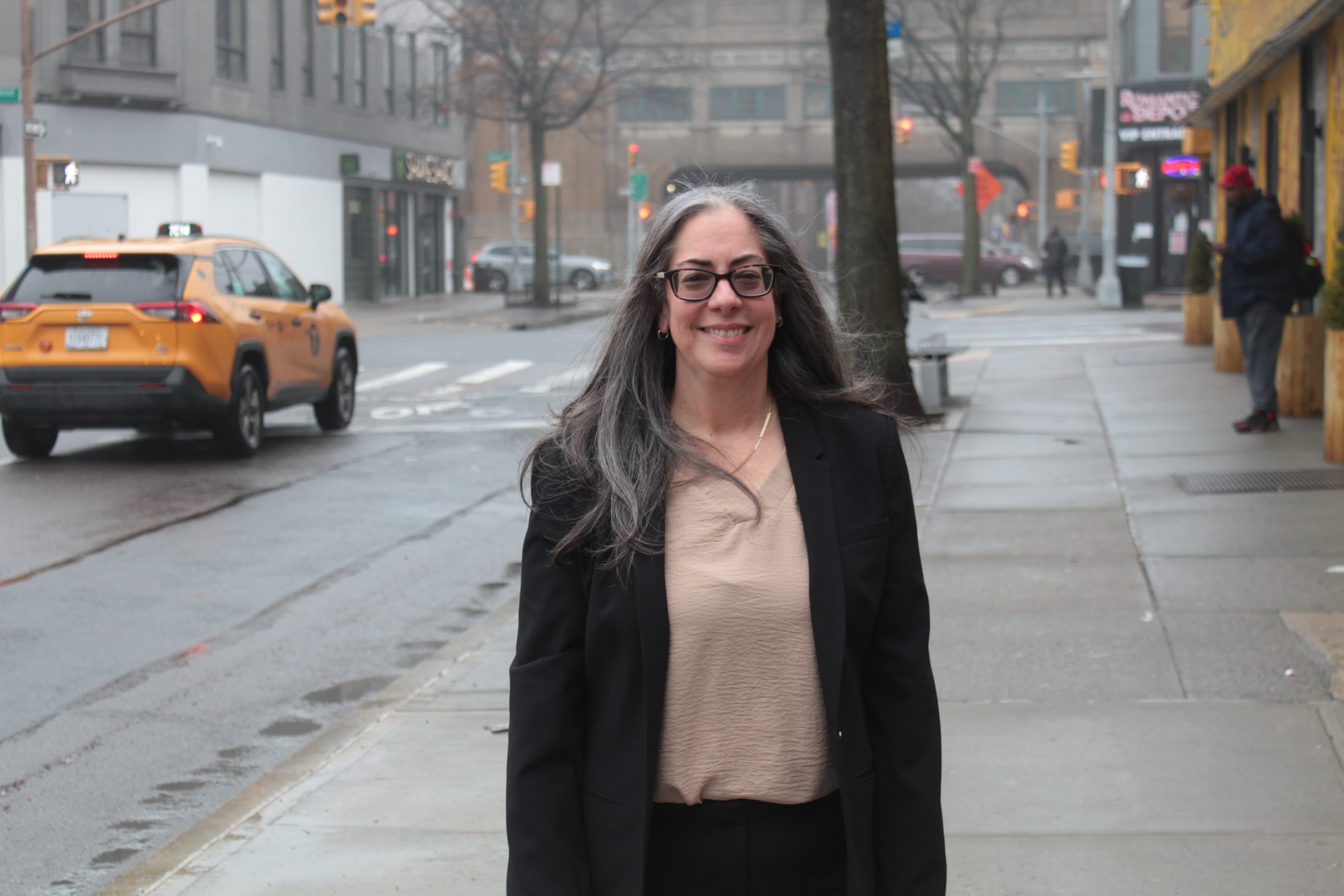
Michelle Ann McSweeney-Ortiz, a lifelong Queens resident and veteran lawyer, is vying for an open seat as a New York City Civil Court judge in the upcoming election on November 3, bringing broad experience in private practice and as a court attorney within the Queens County Supreme Court. 

While McSweeney-Ortiz, who currently lives in Flushing with her husband and three kids, is running as a Democrat with the Queens party’s endorsement, she aims to serve as a nonpartisan arbiter who approaches every case with an even hand. 

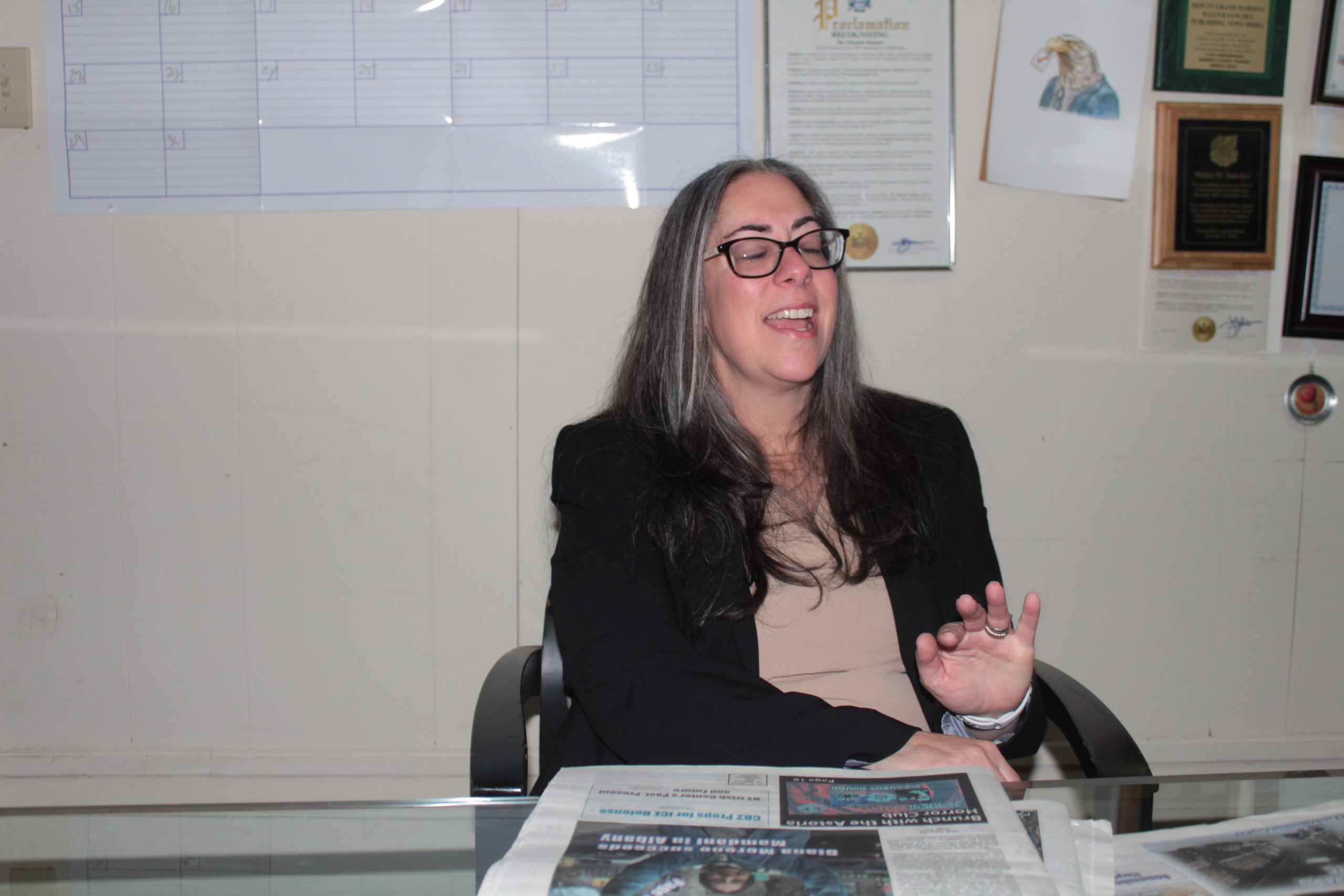
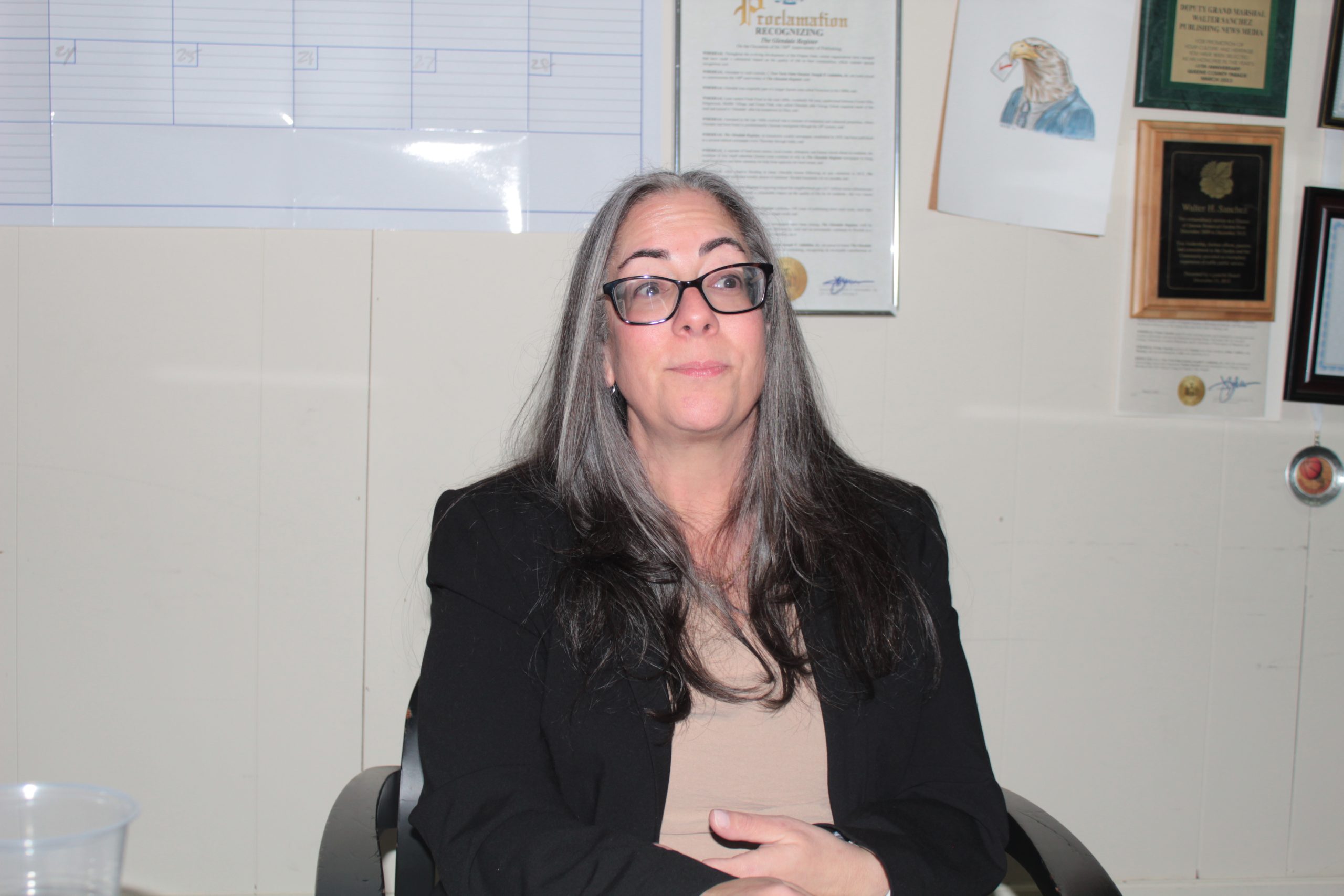
“Although you might not have any interest in the law, you never know if you’re going to be sued,” said McSweeney-Ortiz, in a recent roundtable with the Queens Ledger. “You want to make sure that the people who are listening to your case are being fair and impartial, and interpreting the law properly to make sure that you’re being heard.”

New York City’s civil court system comprises 120 elected judges, though more than half are often reassigned to other divisions — supreme, family, or criminal — due to high caseloads. 

The civil court itself is split into three parts: General Civil covers cases where someone is seeking damages up to $50,000; Housing handles disputes between landlords and tenants; and Small Claims deals with small suits with damages up to $10,000.

This November, voters in southern Queens will see ballot lines for both county-wide and district-wide civil court judges. McSweeney is running within the 3rd Municipal Court District, which encompasses Howard Beach, Ozone Park, South Ozone Park, and slivers of several other neighborhoods like Richmond Hill, but the position is functionally the same as the county-wide seat. 

McSweeney-Ortiz knew she wanted to attend law school from a young age — “Too many episodes of ‘Law & Order’ and ‘L.A. Law,’” she reflected, laughing. “Even if the glamorous aspect of a TV show wasn’t realistic, the argumentation and the thought process of how you get from A to B did interest me.”

But McSweeney-Ortiz’s path to law involved first gaining a broader perspective. Born and raised in Woodside, she attended Mary Louis Academy and earned her undergrad degree from SUNY Albany, majoring in Spanish with a minor in business. She had planned to enter law school directly after graduating, but instead decided to take a break from academics, briefly working at a bank in the city. 

When McSweeney-Ortiz enrolled in Queens College to continue her studies, it was with a new goal in mind: a master’s in education in Spanish, which she used to teach the language at Holy Cross High School for seven years. 

Halfway through McSweeney’s tenure at Holy Cross, however, she decided to pursue her dream of law school and began taking night classes at St John’s. Degree in hand, she plunged headlong into a legal career, working at a private practice for 10 years before transitioning to serve as a court attorney, which she has done for the past decade.

“When you’re a private practitioner, you are very much an advocate, one way or the other,” she explained. “The biggest difference, I would say, between being that zealous advocate and being a judge is to really be open to listen. We all go into most situations with preconceived notions, and you have to take that off the table.”

Sometimes, McSweeney-Ortiz noted, neutrality involves understanding that the paperwork doesn’t tell the full story. In cases where one side lacks a competent advocate, that can mean eliciting more details to fill in the gaps; when the parties know each other, the root problem may not be the alleged infraction at hand — who threw what into someone else’s yard, for example — but a deeper grievance that goes back years. 

“Part of this is utilizing the other facets that the court has. I don’t think enough cases are sent to mediation,” said McSweeney-Oritz, who worked as a mediator while in private practice. “[And] seeing the inner workings of what their issues are helps us recognize what cases are ripe for mediation, versus what cases will not settle.”

If elected in November, McSweeney-Ortiz would serve a 10-year term in the city’s civil court system. What keeps her motivated to tackle an endless, ever-growing thicket of thorny legal disputes? 

“I love the people I work with, first and foremost,” said McSweeney-Ortiz, “but I think it’s really being able to sit and listen — I still feel like I learn something new almost every day.”


Battle of the Badges Brings Fire and Police Teams to Queens for Charity Showdown

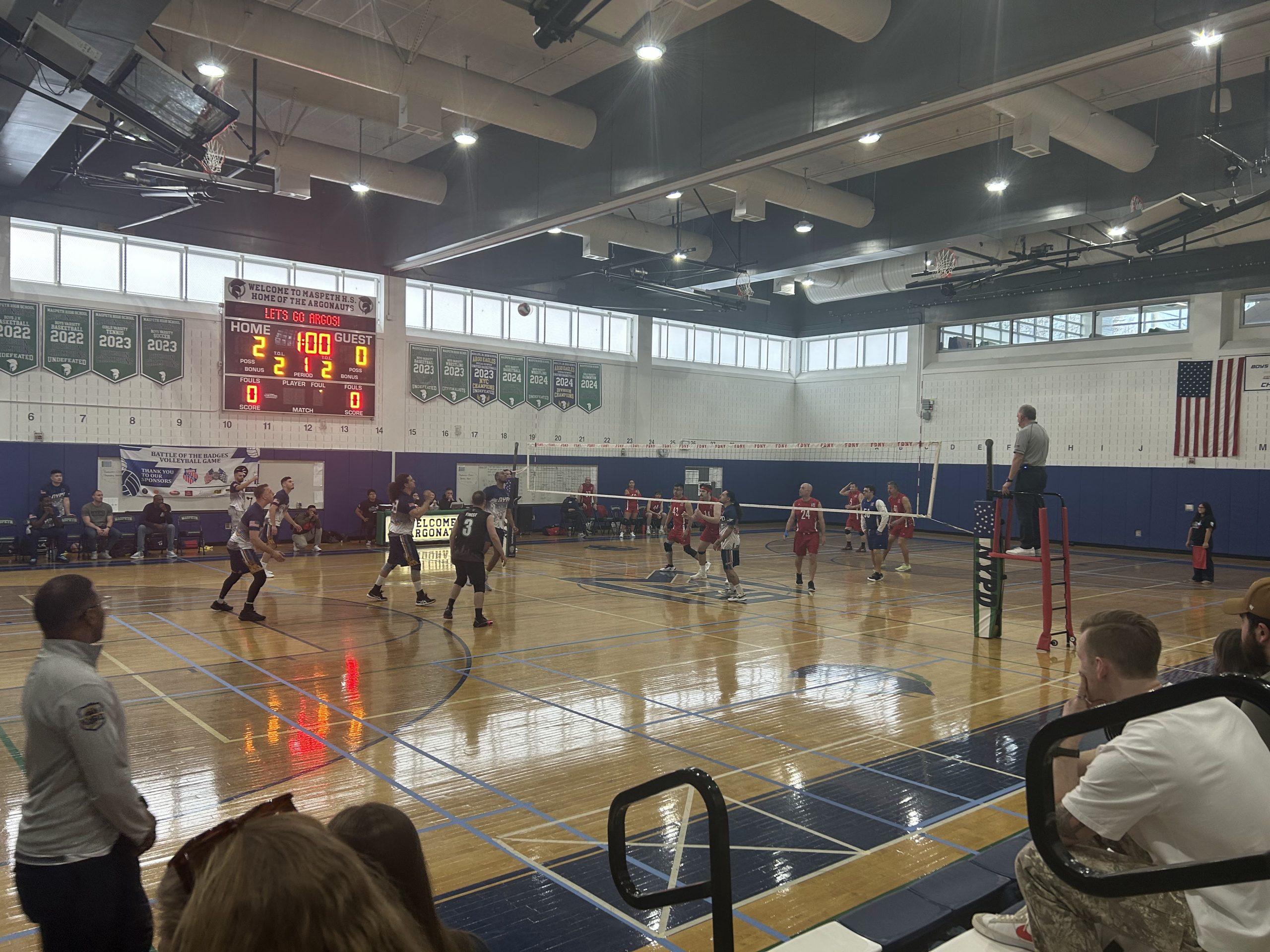
NYPD and FDNY players went head-to-head in a spirited volleyball match at Maspeth High School Gym, turning the Queens gym into a hub of energy, community pride, and friendly rivalry.

By Christian Spencer

The NYPD is the winner of the fifth annual Battle of the Badges against the FDNY that drew fans on Saturday, March 21.

Doors at the Maspeth High School Gym opened around 4 p.m. for a pregame ceremony honoring fallen first responders.

Supporters filled the gym with anticipation, cheering loudly as officers and firefighters competed while raffles, music, and refreshments added to the lively atmosphere.

Tickets suggested a $10 donation, with proceeds benefiting the FDNY Widows and Children’s Fund and the NYPD Police and Fire Widows and Orphans Fund.

Kresimir Mustac, a phys ed teacher and basketball coach who announced the event, offered a view from the scores table in the midst of the halftime of the game.

“I think it’s good. I’m watching the game from the scores table, so I got a really good… The view of what’s going on, right now, it’s a toss-up,” he said. “I think, honestly, I think the FDNY got a wild card player in their back pocket, and I think he’s showing out really in the next two sets. I think they’re going to win this one.”

“I think that’s the biggest thing. I think it’s about unity. I think it’s about bringing a community together for a good cause and great volleyball action,” Mustac said. “All the proceeds to this event go to the PBA Widows’ and Children’s Fund.”

The PBA Widows’ and Children’s Fund – specifically the FDNY Widows and Children’s Fund and the NYPD Police and Fire Widows and Orphans Fund – provides financial assistance and support to widows, widowers, and eligible dependents of police officers who have lost their lives in the line of duty.

FDNY coach and organizer Gerry Matacotta praised the day.

“I thought it was a great match. One of the best matches we’ve ever played with them. And it was an exciting match. And the event worked out 100 percent. We had Councilman [Bill] Wong here. We had the color guard. It was a great, great event for this community,” he said. “It’s a community event. The fans, everybody is one, and the backing of the police and fire departments is very important in a community. These guys work hard. They don’t get a lot of kudos, and this is one way of doing it, to make sure that they have a way to have fun and also that they see the community backing them up.”

Volleyball official Andrew Wilder Batiuk broke down the action. “FDNY won the first two sets,” he said. “The PD was in better shape and just outlasted the FDNY because you noticed they had a very deep bench, whereas FDNY only had three subs on the bench. So I think that was the difference.” On the meaning behind the event, Batiuk said.

“You can have competing services come together to actually compete in an athletic format. It’s a wonderful thing. It gets the community involved. And it’s a nice day of sports for just about anybody who wants to show up.” His observation captures the energy and excitement that resonates beyond the gym.

NYPD officer Malcolm Brissett-Ortiz, president of the NYPD volleyball team, pointed out why the tournament matters for morale.

“Regardless of who wins and loses. We do, we host these games for the police and children. We started hosting this game for our fallen officers and first responders, I would say, from the FD, from the police department as well,” he said.

Ortiz continued, “That, at the end of the day, I want everybody to understand that outside of uniform, we are also people. We live within the community, we work in the community. We [are] here for them. So we just want to say that don’t just look at the uniform, also look at the person behind the uniform.”

As Queens Ledger previously reported, the NYPD is on a winning streak, having won the fourth annual event.

The promotion for the event was depicted as an epic showdown, a fight for New York as it were. FDNY on the blazing red left, with a firefighter holding an axe, and cool blue for NYPD on the right, with an officer holding a rifle. The colors were used to distinguish the opposing teams.

But as Ortiz put it, “Don’t just look at the uniform; also look at the person behind it.”

Fill the Form for Events, Advertisement or Business Listing