
Patrick Stachniak
For close to a year now, some members of District 30 have been vocally against a battery energy storage system (BESS) that is being built on 69th Pl. in Middle Village across the street from PS/IS 128. Councilmember Phil Wong released a joint statement with several other Queens politicians and civic associations condemning its placement near the school and residences, and most recently sent a letter to Department of Buildings (DOB) Commissioner Ahmed Tigani to reassess the site’s environmental risk.
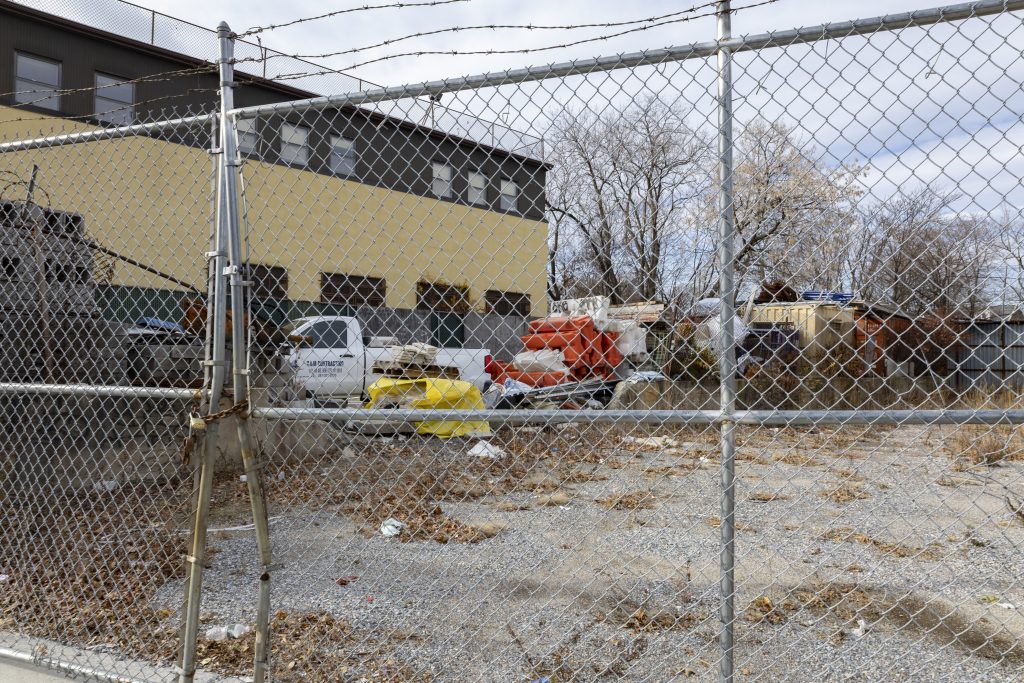
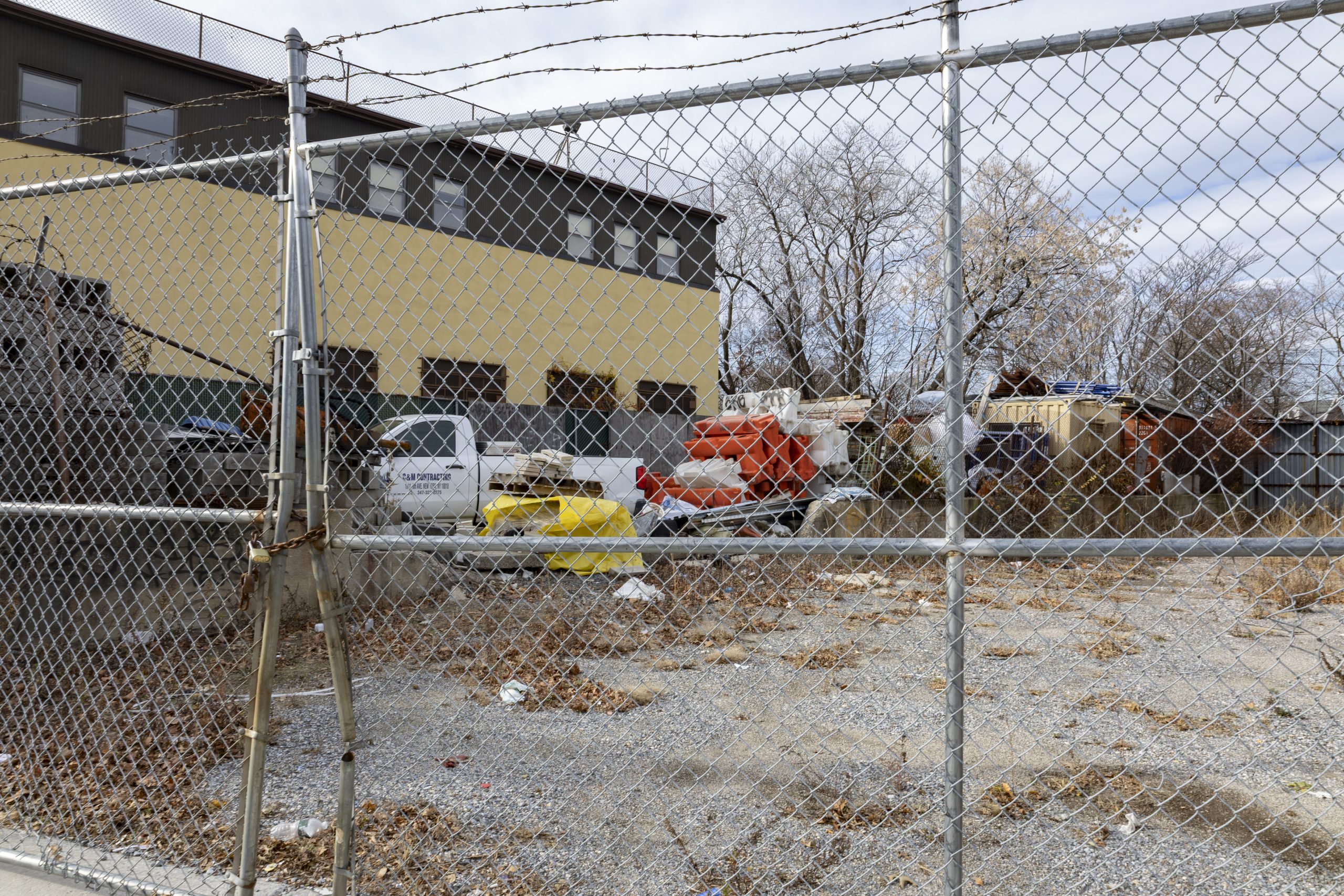
The site of the BESS on 69th Pl., currently being used as storage for a contractor.
A phase 1 Environmental Site Assessment (ESA) is performed for all new development projects and requires an inspection of the site, to look for potential contaminants, and documentation on its use. A phase two report requires sampling of the soil and surface/ground water for a full testing of hazardous substances.
Typically, a phase two inspection only occurs when the inspector notices potential contamination and is not required for the permitting process. All reports are done by private contractors licensed by the EPA, and are reviewed by the DOB. The ESA did not recommend NineDot’s site move forward with the second phase.
The DOB is still reviewing the application and has not yet responded to Wong’s letter.
Wong later questioned the Department of City Planning (DCP) on the placement of BESS near schools at the Council’s Land Use Committee hearing. Wong previously stated BESS has potential to “burn down whole neighborhoods.”
“They’re a really important tool to get our city to carbon neutrality… these systems require extensive, extensive oversight by FDNY and DOB,” said DCP Executive Director Edith Hsu-Chen, who stated BESS are “appropriate” to be installed near schools. “There’s been no fire incidents in New York City for a BESS. In fact, schools can benefit from BESS.”
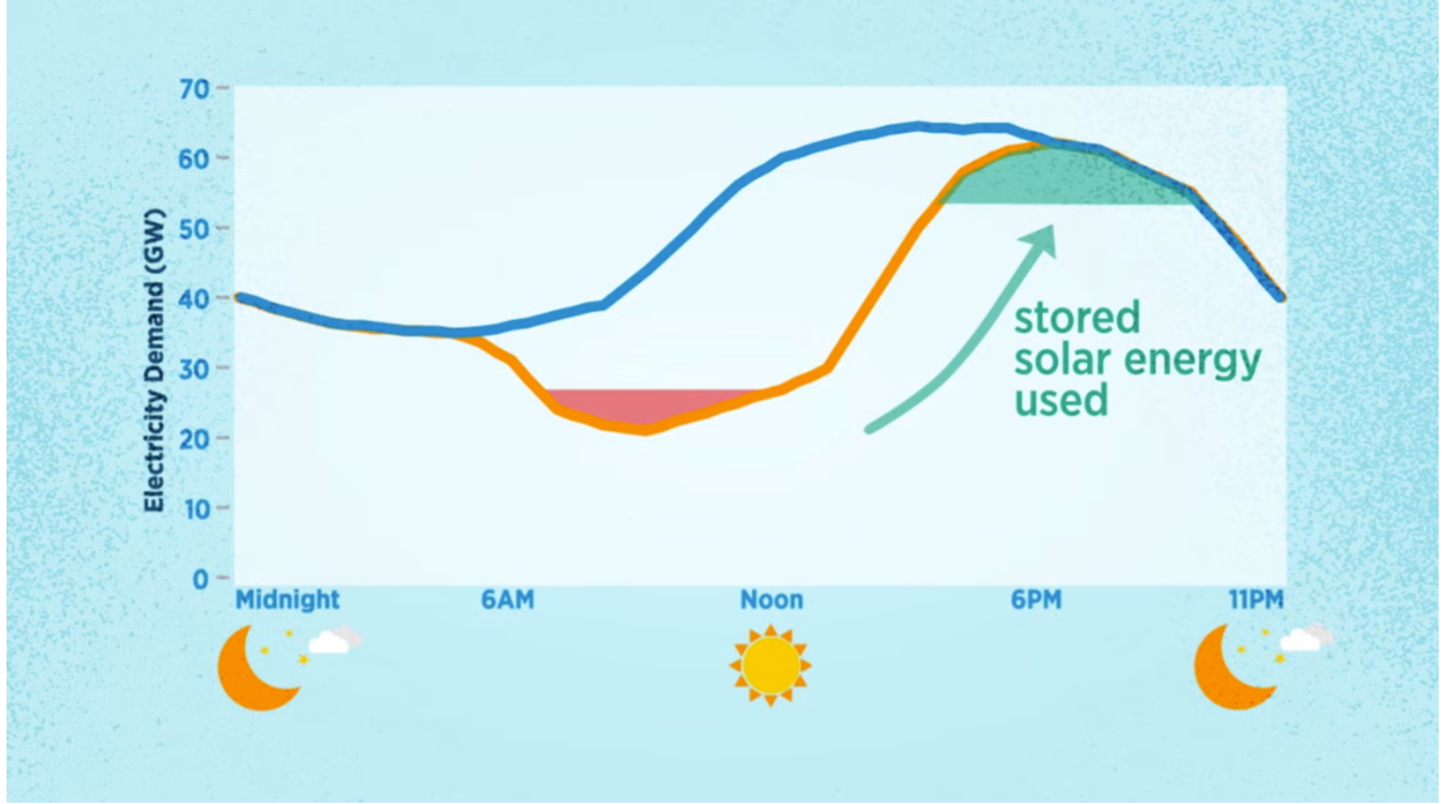
In June 2025, 10,000 people lost power during the summer heatwave and one person died due to the exposure. NineDot’s BESS alleviates the risk of black outs and brownouts in a half-mile radius, including the school, meaning it could provide Middle Village residents a fully operational cooling center during such emergencies.
Some Middle Village residents question if the BESS would cost them more money by raising their home insurance, due to safety risks, and increasing energy bills. However, there is no documented case of a homeowner’s insurance being raised after a nearby BESS installation. And similar to New York’s plan, he large-scale investment Texas made on these systems saved consumers $750 million in just the summer of 2024.
“This flexible resource is both boosting the reliability of the grid and delivering cost savings for families and businesses.,” said Noah Roberts, VP of Energy Storage for American Clean Power (ACP). It has truly been a game changer for [Texas] and ERCOT’s ability to navigate moments of stress on the power grid.”
Texas invested in building about 30 gigawatts (GW) of solar and energy storage in 2024. Currently, New York City has around 10 GW of energy storage, about 36% of the State, despite Con Edison having the highest grid interconnection cost.
The Climate Act mandates 600 GW of energy storage needs to be built throughout the City by 2030 to keep up with demand as the City transitions from fossil fuels. Con Ed estimates that there will be around 4,000 individual BESS sites across all zoning districts. The alternative: building a multi-billion dollar substation and new high-voltage wires ratepayers would subsidize.
But if ratepayers are saving money, who is fronting the bill for this new infrastructure?
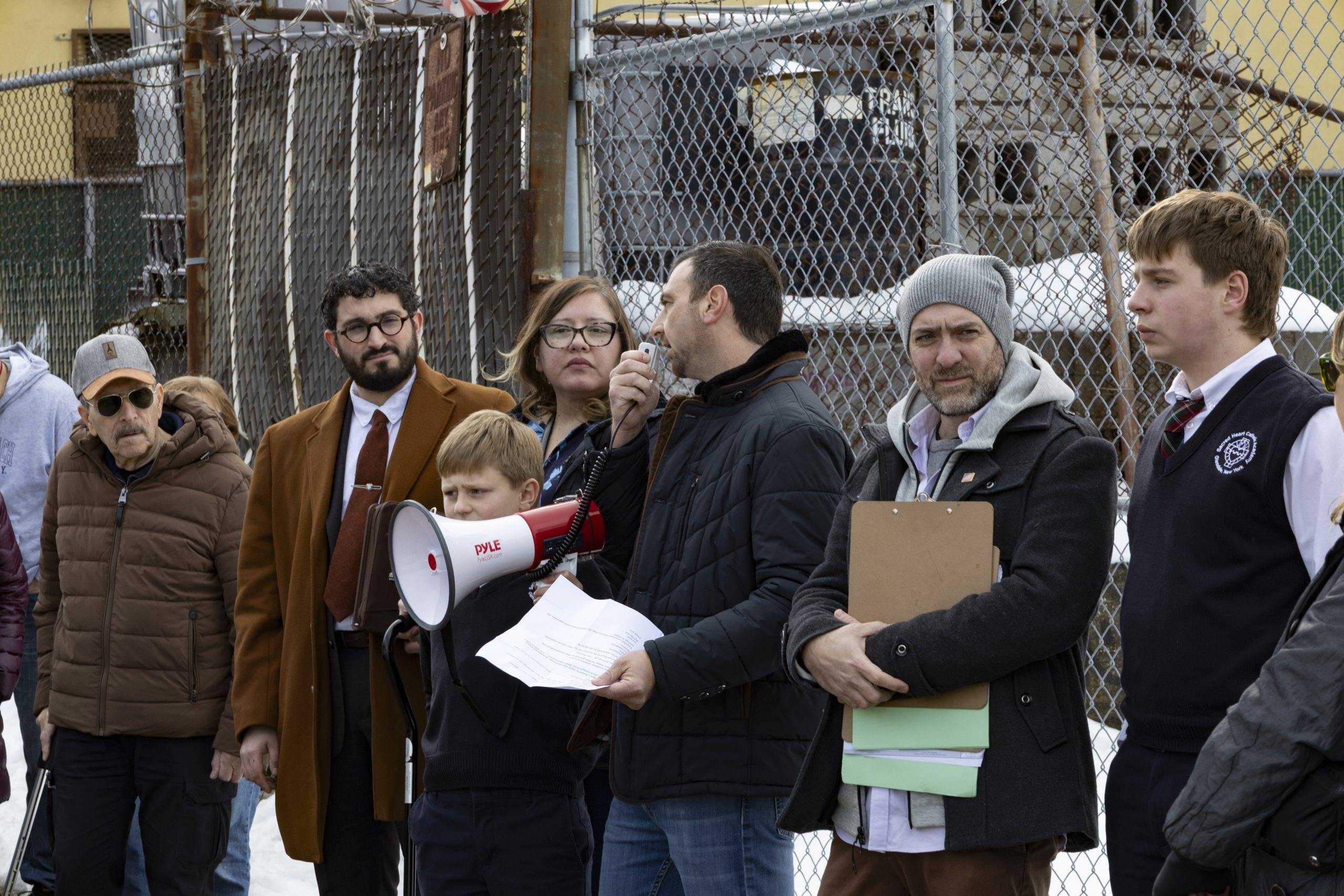
NineDot is. During a protest at the 69th Pl. site, Middle Village Residents Association President Paul Pogozelski raised concerns of private-equity firm Carlyle’s $100 million investment in NineDot. But a spokesperson from NineDot stated that investors have no say in day-to-day operations or site placement.
While NineDot does make a profit selling energy back to Con Ed during peak hours, the cost is cheaper than New York’s natural gas “peaker plants,” as transmission and distribution accounts for 10-15% of energy costs alone. The company also opted to join the Statewide Solar for All (S-SFA) program and estimates its new BESS projects will offer $60 million in energy credits for low-income New Yorkers over the next decade.
Projects enrolled in the S-SFA program contribute a percentage of revenue to a fund for EAP customers who also reside in a disadvantaged community and qualifying residents automatically receive the credit.
“It’s the gas that’s driving up our bills,” said Sane Energy Project Executive Director Kim Fraczek. “And that’s what is creating dangerous situations in our communities… We’re not having a real honest conversation about our energy future and this is all completely tied to affordability.”