

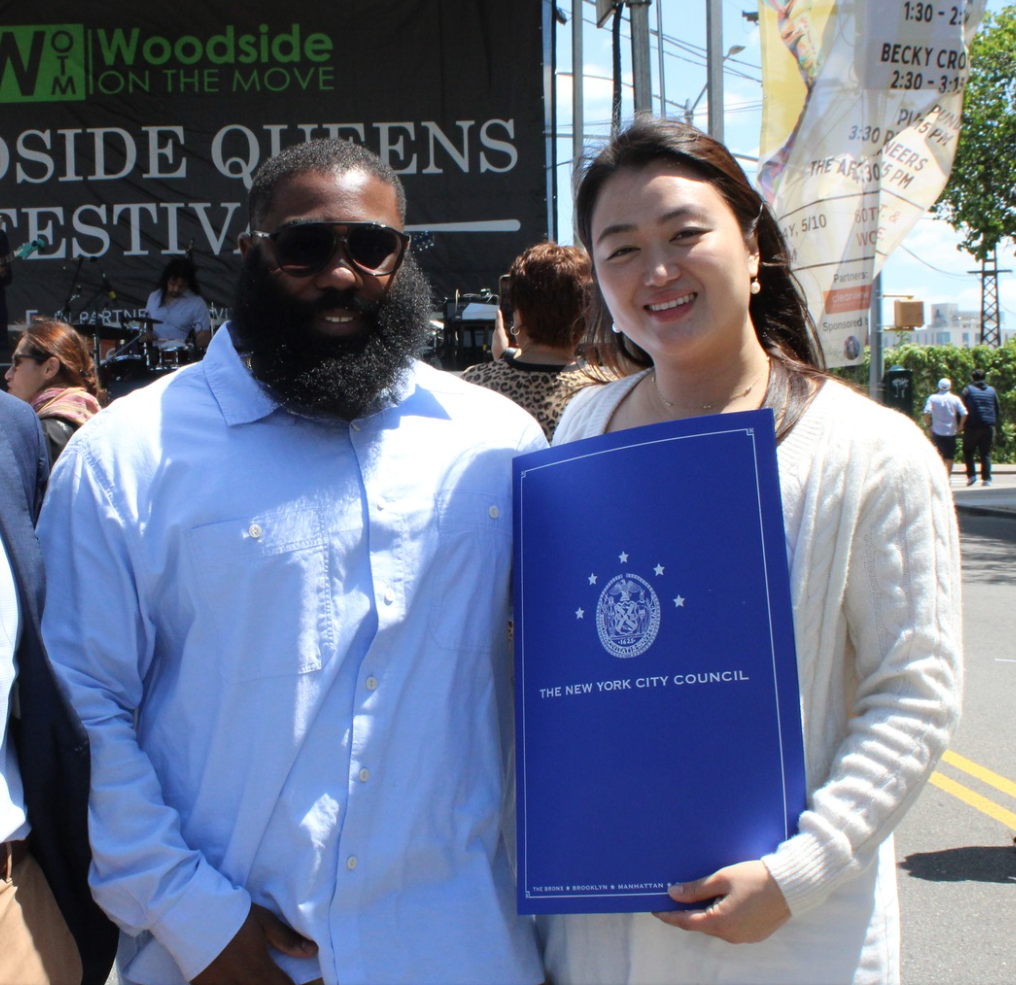
The Woodside On the Move executive director talks housing, infrastructure, and community engagement.
SUNNYSIDE — NYC Mayor Zohran Mamdani recently revived a pre-pandemic plan to build 12,000 units of housing on an elevated platform over the Sunnyside Yards, the railyards utilized by Amtrak that separate LIC from Sunnyside. The proposal would include 6,000 units of Mitchell Lama-style affordable housing, and would require $21 billion in federal funding. Initially proposed in the 2010s but shelved during COVID, the Sunnyside Yards development would almost certainly become one of the Mamdani Administration’s landmark housing achievements if completed.
But not everyone’s pleased with the idea. City councilmember Julie Won — who took the lead on the massive OneLIC redevelopment — has criticized Mamdani’s plans for its failure to sufficiently engage the Sunnyside community. Representative Alexandria Ocasio-Cortez, meanwhile, opposed the development back in 2020 over gentrification concerns.
Addressing the housing crisis — so often a politically charged discussion in NYC — will take deliberate and calculated housing construction. In an effort to better understand the community’s housing needs and whether Sunnyside Yards would address them, we spoke with fierce community advocate and executive director of local nonprofit Woodside on the Move, William Jourdain.
This interview has been edited for clarity and length:
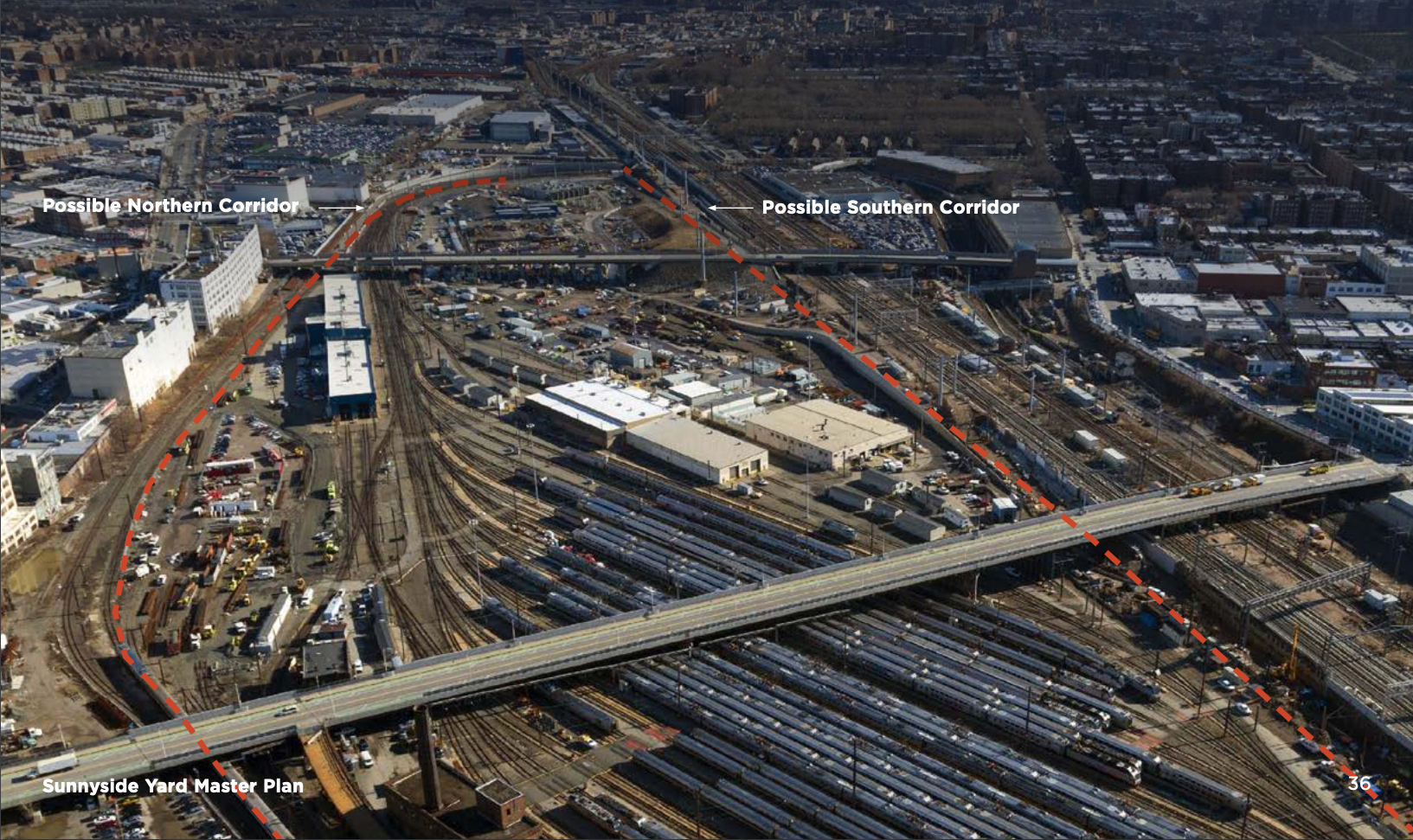
The site of the proposed Sunnyside Yards development. Photo via NYC EDC.
CS: When the news broke that Mamdani had pitched the original Sunnyside yards plan from back in 2020 to Trump, what was your initial reaction?
WJ: I was generally surprised. It really came out of left field. It wasn’t something that was on anyone’s radar. Surprised primarily because, I mean, the mayor suggested during his campaign wanting to really focus on truly affordable housing and development, wanting to hold landlords accountable. And a project like this is really the opposite of that. In retrospect, we want to hear more about what the specifics and the details are around the proposal, but I think at this point we don’t have enough information.
CS: What were your criticisms of the initial Sunnyside Yards redevelopment proposal back in 2017?
WJ: Any activist or advocate from the community was basically saying that this was an overly developed project that had no real community needs or incentives involved. And like many other folks, we wanted to ensure that whatever project was being proposed at the time, that it was in fact going to be fully community involved. Back then, folks were already seeing an over development of LIC, and with this sort of being an astounding addition to what that mass development looked like, this would be just on a completely, entirely different level.
I don’t think LIC could really take much more of these types of developments, because infrastructure is something that no one is discussing and with massive, over-developed projects throughout Western Queens, we’re going to probably see, in my opinion, a complete breakdown in the infrastructure, because that was a concern then, and it’s still a concern now.
CS: Which infrastructure specifically?
WJ: We know that flooding is a huge, prominent issue, but we don’t even have to go too deep into the details. The 7 train itself is already overly strained. The MTA is strained. The reality is a Sunnyside yards project at this scale, at this moment, without us focusing on our train services, it would be a huge disservice to everything else that’s happening simultaneously. I think the flooding issues are still a very huge issue in LIC, and the MTA is not accessible to everyone. The service is not reliable. The sewer systems are completely antiquated. They’re overloaded, and that’s because of high density development. We don’t have enough schools to seat everyone. So the schools are overcrowded. We don’t have enough open space for residents to truly enjoy their community. These are some of the main concerns that I can think of off the top of my head.
CS: The NYC Economic Development Corporation (EDC) would lead the Sunnyside Yards redevelopment. Are you satisfied with the EDC’s community outreach and engagement process?
WJ: The EDC is a really interesting organization, and I don’t want to swing at them, because I think there is a necessity for the EDC. But I mean, they’re a quasi government entity. Unfortunately, cities and states have to rely heavily on private-private public partnerships for any type of economic development. Because we know the government has — and this has been a trend for the past 30-50 years — not been able to meet the needs of cities and states, and they’ve divested from cities and states, right? They created public housing throughout the country, very much a huge need post World War II, and it’s still a need. But back to the issues I was talking about. The fact of the matter is, the EDC knew and understood all these then, and they understand it now. But whenever they talk about development, they have these workshops, community listening sessions. We know what the issues are. We know what the problems are because they’ve been clearly laid out through research and studies. They do these community listening sessions, and none of the input and feedback is ever included in any development. So it’s an interesting organization, because they’re behind a lot of the massive overdevelopment that New York City has seen in the past, I would say, 20 years. But they’re still a private entity, which is also concerning, because at the end of the day, they still have to bring in revenue to be able to operate. So I do question them, as stakeholders in development projects, how much they actually care about the community.
CS: What does good community engagement look like? Can you think of any recent examples?
WJ: I think we’ve learned through previous projects that community engagement is critical and essential to the whole process, because it is the residents that live here that are going to be the most affected and impacted, whether good or bad, right? But it is the folks who live here who are going to be the most impacted, not the people that they’re planning, that they’re planning to build for. Councilmember Julie Won did a really great job with the OneLIC project. And Community Board 2 — especially the land use and zoning committee — did an excellent job at going through the whole process. So I think when you have both the community board and the local council member involved in these processes, they can bring folks collectively together to really dissect what the concerns and issues are. But it’s not enough for the community board to be the only one. There’s got to be way more involvement with local community based organizations and local advocates.
CS: With that said, what kind of housing do Sunnyside and Woodside need specifically?
WJ: I can speak from the lens of Woodside on the Move in the work that we do and from myself as a resident; Seniors in general need affordable housing. Queens has the oldest population. One out of four seniors are living food and housing insecure. And so essentially, what I think is really important for this type of project, if we’re going to talk about affordable housing, is to include seniors into this space. And I know that that’s not sexy. No one wants to talk about that. But for us, over 80% of our constituents are seniors, and they’re all in very, very dire situations. Also really we need to talk about what truly affordable means and what it looks like, which means we cannot base our development merely off of the AMI (area median income). It needs to really reflect what the prevalent socio-economic background of folks are, the working class. And I know AMI is a federal thing, so it’s a way bigger conversation. But there are a lot of people who are living here, and the only way they’re doing it is if they’re working three jobs, or if there’s like, seven different people living in one unit. And that could be a cultural thing, but the reality is, it’s just unaffordable, period. I mean, that’s just a reality. So we’ve got to get real with what truly affordable housing looks like and how to make that accessible through projects like this.