
Running through Ramadan, a Marathon of Faith
By MOHAMED FARGHALY
mfarghaly@queensledger.com
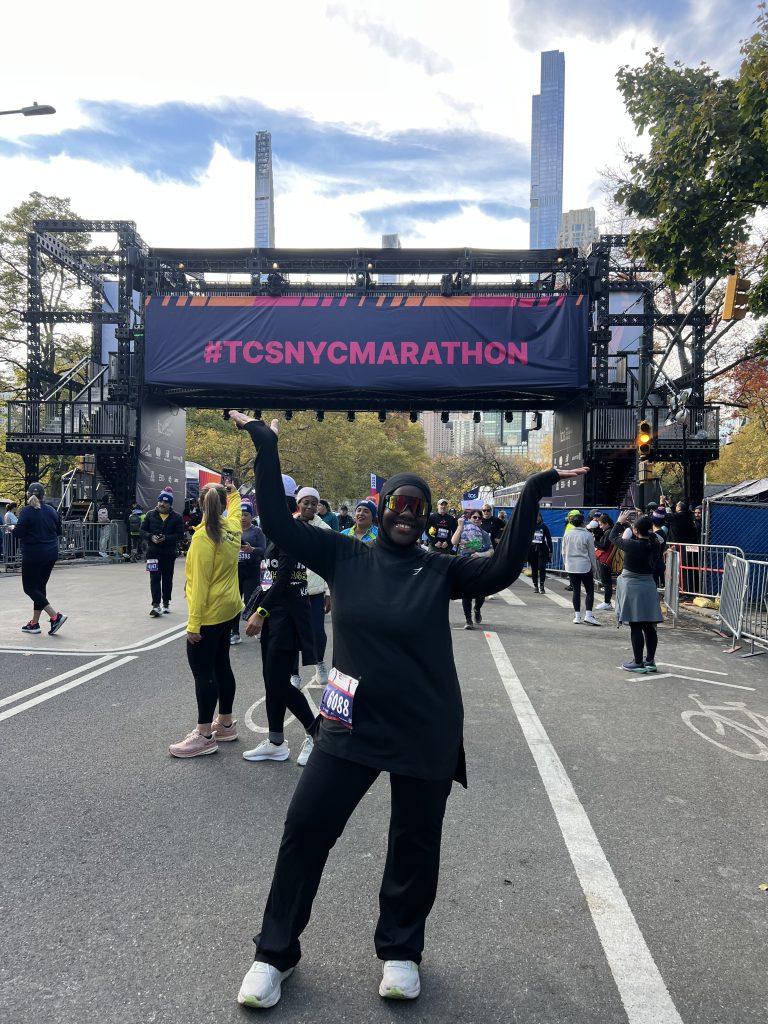
Before dawn during the holy month of Ramadan, Safiatu Diagana fills a large bottle with electrolytes and water, sipping steadily in the quiet hours before sunrise. The hydration has to last all day. By daylight, the Queens native is fasting. But she is also preparing to run 13.1 miles through New York City.
Later this week, Diagana will join thousands of runners at the starting line of the United Airlines NYC Half on March 15. The United Airlines NYC Half Marathon is produced by New York Road Runners. For the recent New York University graduate and postpartum nurse, the race marks her first half marathon. It also arrives in the middle of Ramadan, when Muslims abstain from food and water from sunrise to sunset.
For Diagana, the challenge is less about speed and more about showing up.
“I’m not trying to hit a PR or do this crazy marathon thing,” she said. “I just want to show up for myself and see what I’m capable of.”
Diagana grew up in Richmond Hill in Queens, the daughter of a low-income immigrant family. Sports were never central to her childhood. Aside from two years of high school volleyball, most physical activity came from simple routines encouraged by her parents, like walking in the park.
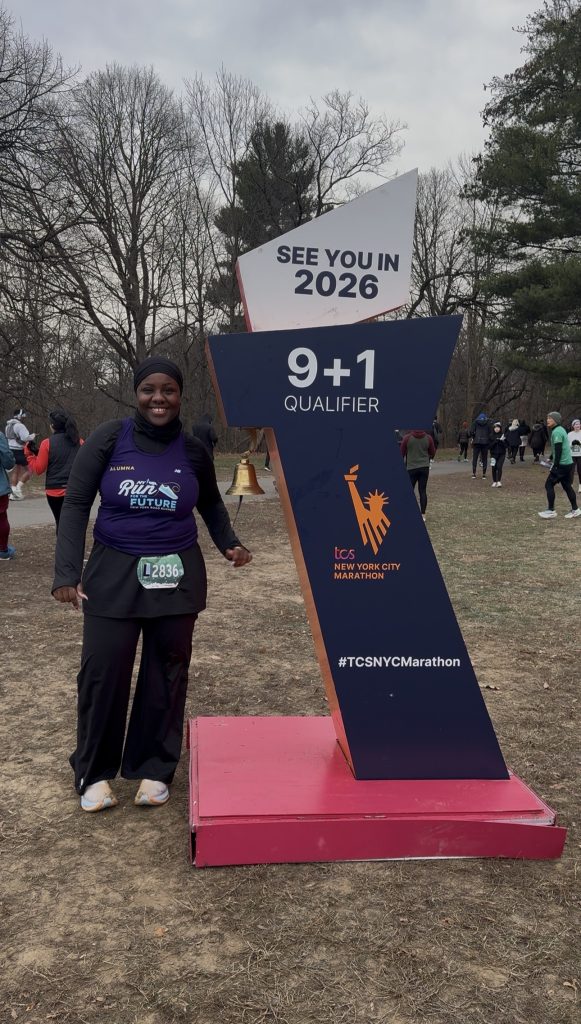
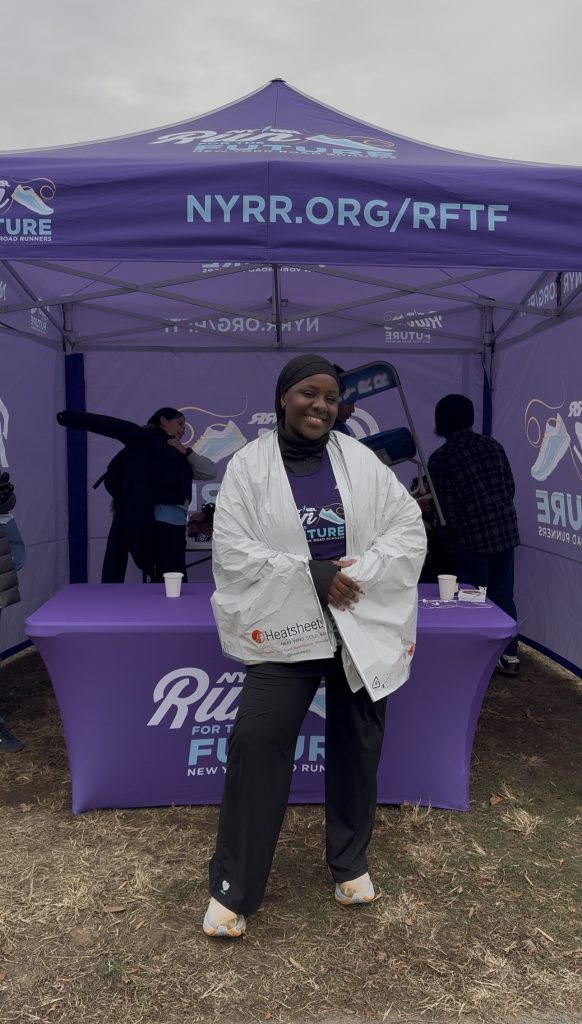
Running entered her life unexpectedly in 2018 through Run for the Future, a youth program aimed at bringing young women into the sport. At the time, Diagana was focused on academics and had never imagined herself as a runner.
“Running has just been something that I never saw myself honestly partaking in,” she said. “But learning more about my health and learning more through nursing school, it was a journey that I wanted to take.”
That journey has steadily grown from casual runs to organized races. Still, she remembers the moment the possibility first crossed her mind: watching runners glide through an unusually empty Times Square during the half marathon years ago.
Screenshot
“I saw people running in Times Square, and I’ve never seen Times Square that empty before,” she said. “I was like, how is this even happening?”
At the time, she could not picture herself among them. But months ago she signed up for the race, eager to test herself. Only later did she realize the date would fall during Ramadan.
Instead of backing out, she leaned into the challenge.
“You know what, I can put myself to the challenge,” she recalled thinking. “If it happens, it happens. If it doesn’t, it doesn’t. I just wanted to push myself.”
Training has looked different since the start of the fast. Before Ramadan, Diagana followed structured workouts through a running app designed for beginners preparing for a half marathon. Recently, though, she has slowed down, trading long runs for walks, stretching and careful hydration during the limited hours when she can drink.
“A key thing of fasting is not drinking water,” she said. “So during suhoor and after iftar, I have a 60-ounce water bottle with electrolytes, and I’m just sipping that the entire time. At the end of the day, I just want to be hydrated.”
She is also adjusting her expectations. Completing the race, even at a slower pace, will be enough.
“If it means doing a walk-run, if it means walking the entire time, that’s totally fine,” she said. “As long as I’m willing to complete it.”
The discipline required for distance running, she said, has mirrored the spiritual discipline of Ramadan itself. Nights spent standing through extended prayers have reinforced the same mindset she uses during long runs.
“If I can run for an hour or an hour and a half, I can definitely stay for 20 prayers,” she said with a laugh.
The connection between physical endurance and spiritual commitment has changed how she views both.
“If I put my mind to it, I can definitely get it done,” she said. “It’s just how bad do I want it.”
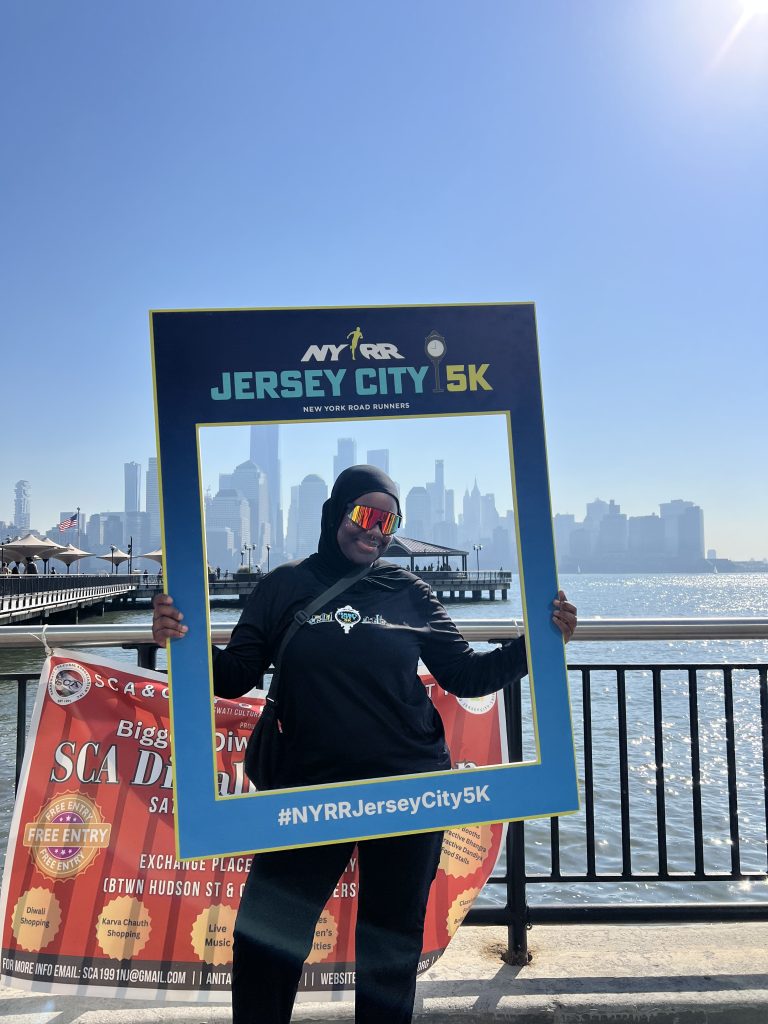
By day, Diagana works as a postpartum nurse in Manhattan, caring for new mothers and newborns. The job, she said, constantly reminds her how remarkable and fragile the human body can be.
“It’s so crazy how our bodies move and change,” she said. “Seeing a new baby every day, it just makes you grateful for your health.”
The work has also reinforced the value of perseverance, something she carries into her running.
“I feel like being in the healthcare world, you really start to see you have to be grateful for a lot of things that you take for granted,” she said.
For Diagana, crossing the finish line will mean more than finishing a race. Growing up, she rarely saw women who looked like her in endurance sports.
Now, she hopes someone else might.
“Sometimes you want to see representation,” she said. “But sometimes you have to be that representation.”
Among the tens of thousands of runners expected at the NYC Half, she knows she will be only one person in the crowd. But even one runner, she said, can make a difference.
“There’s going to be one person who sees a hijabi at the race and thinks, ‘She was able to run it. I can also do it,’” she said.
When Diagana finally reaches the finish line, her thoughts will turn to family and faith.
“The first thoughts are my family,” she said. “Even if they don’t understand why I’m waking up early to go run in Central Park, I’m doing it for them.”
And perhaps for someone else watching from the sidelines, seeing themselves in a runner for the first time.
Screenshot