Pia Rahman Aims to Be First Bengali in Albany From Queens
By MOHAMED FARGHALY
mfarghaly@queensledger.com
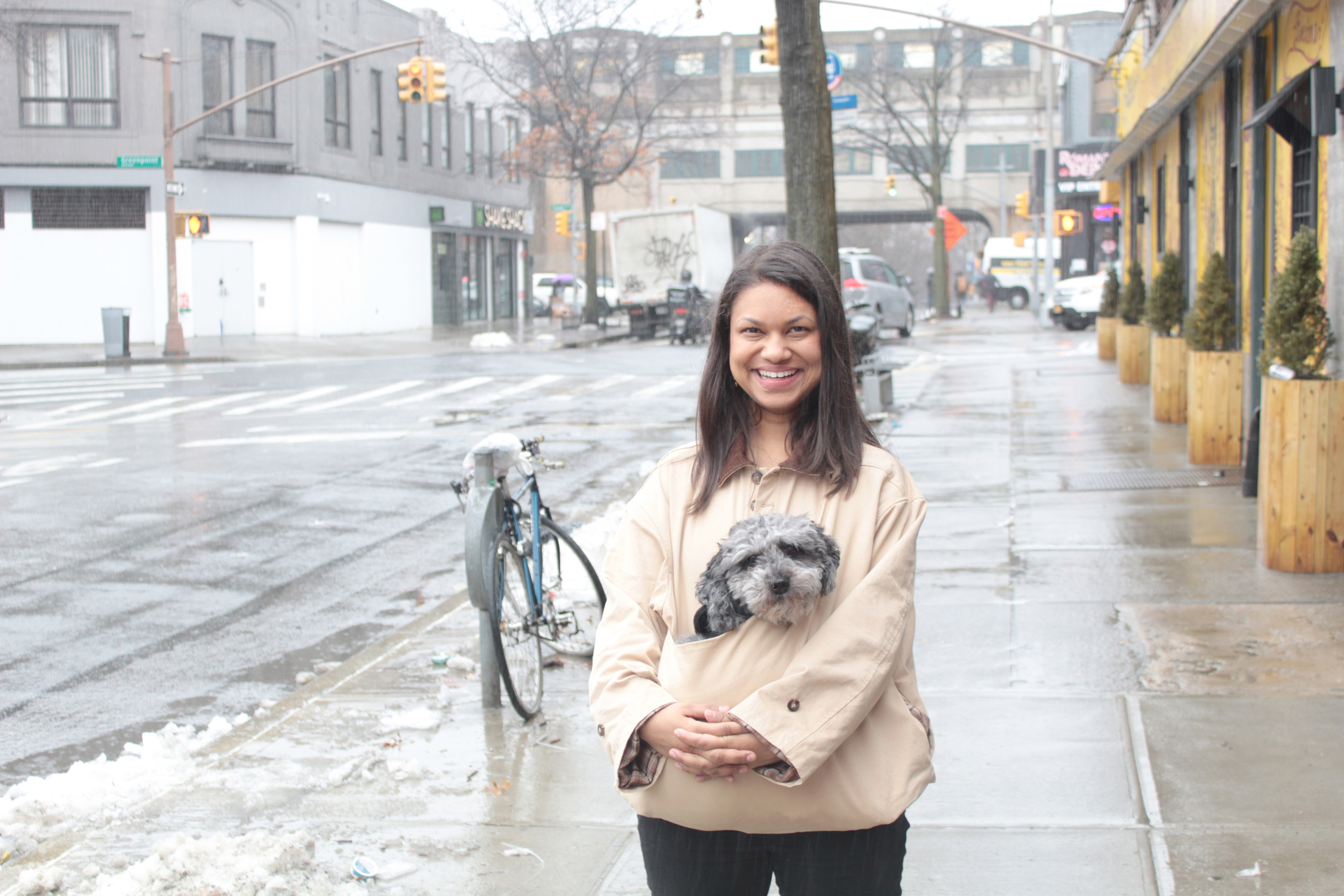
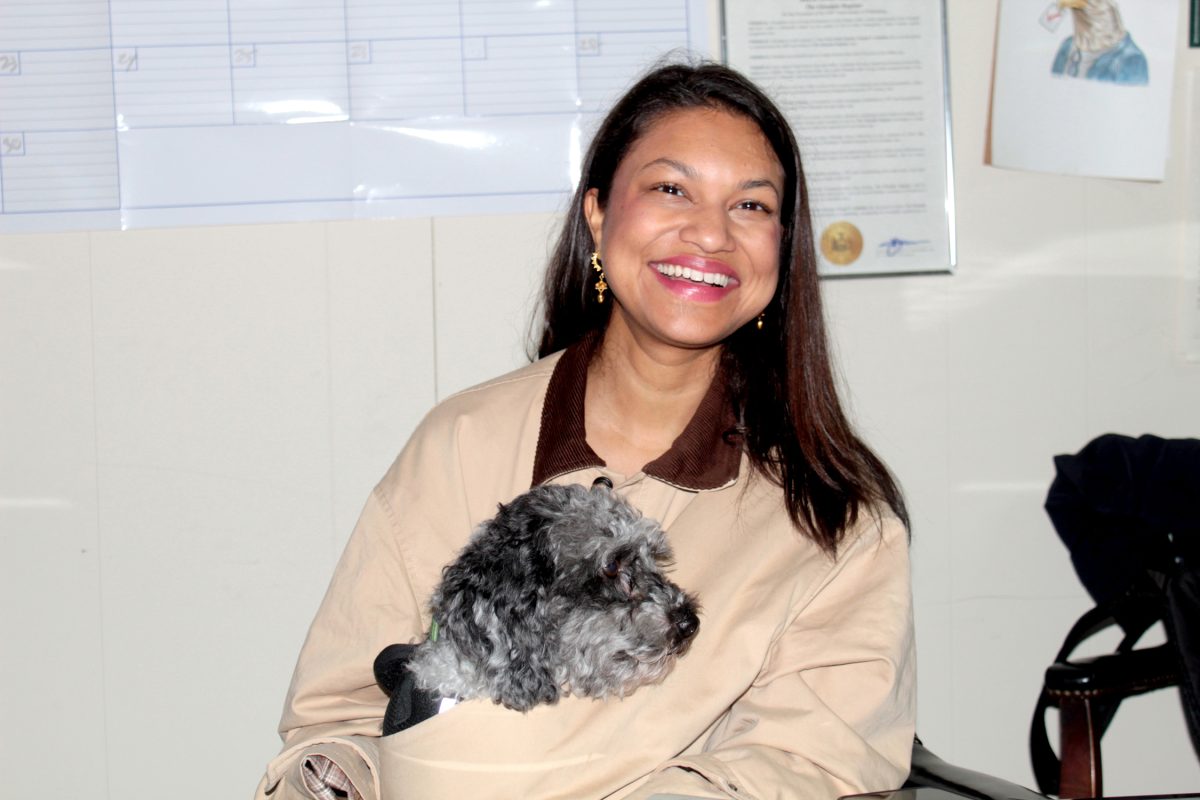
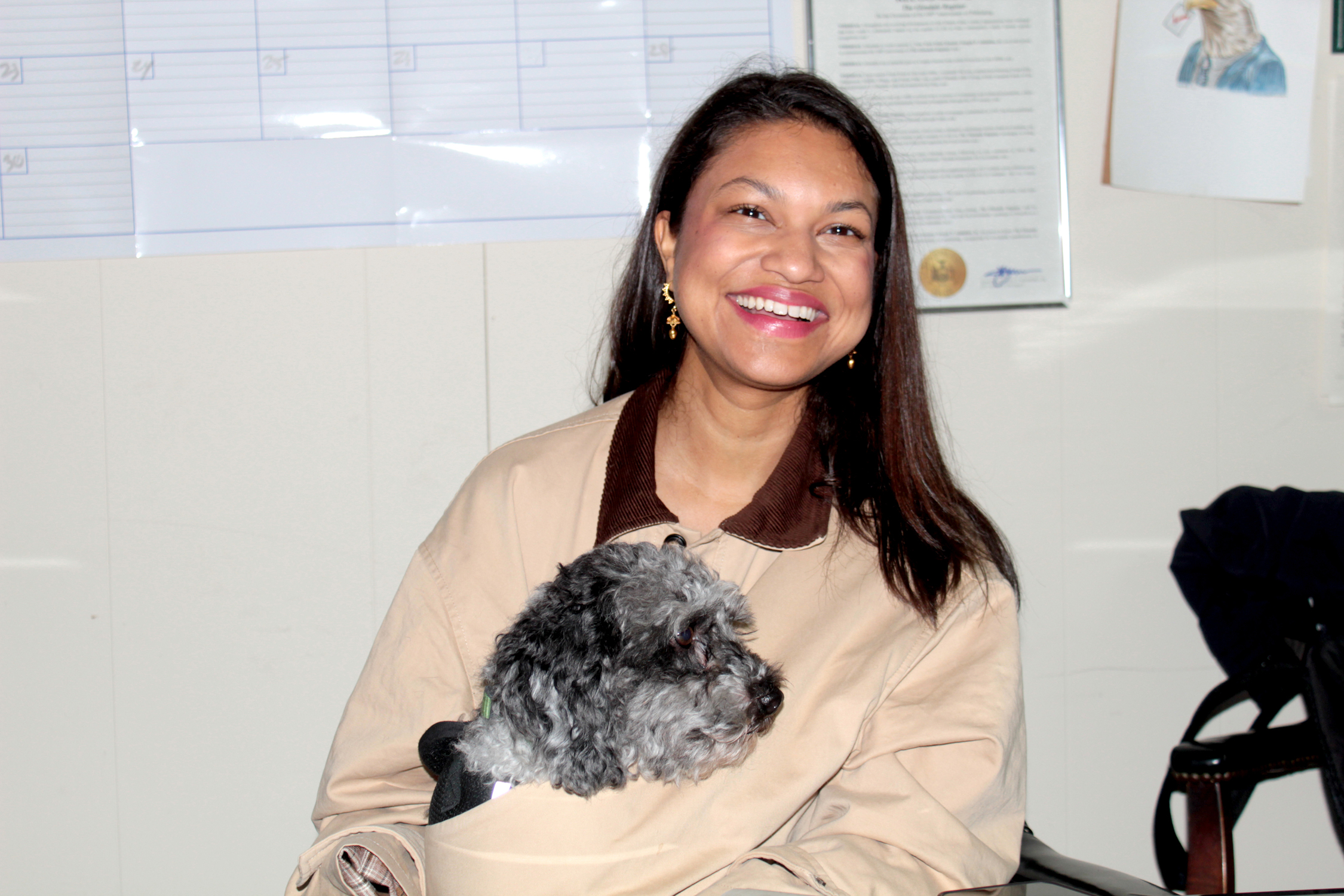
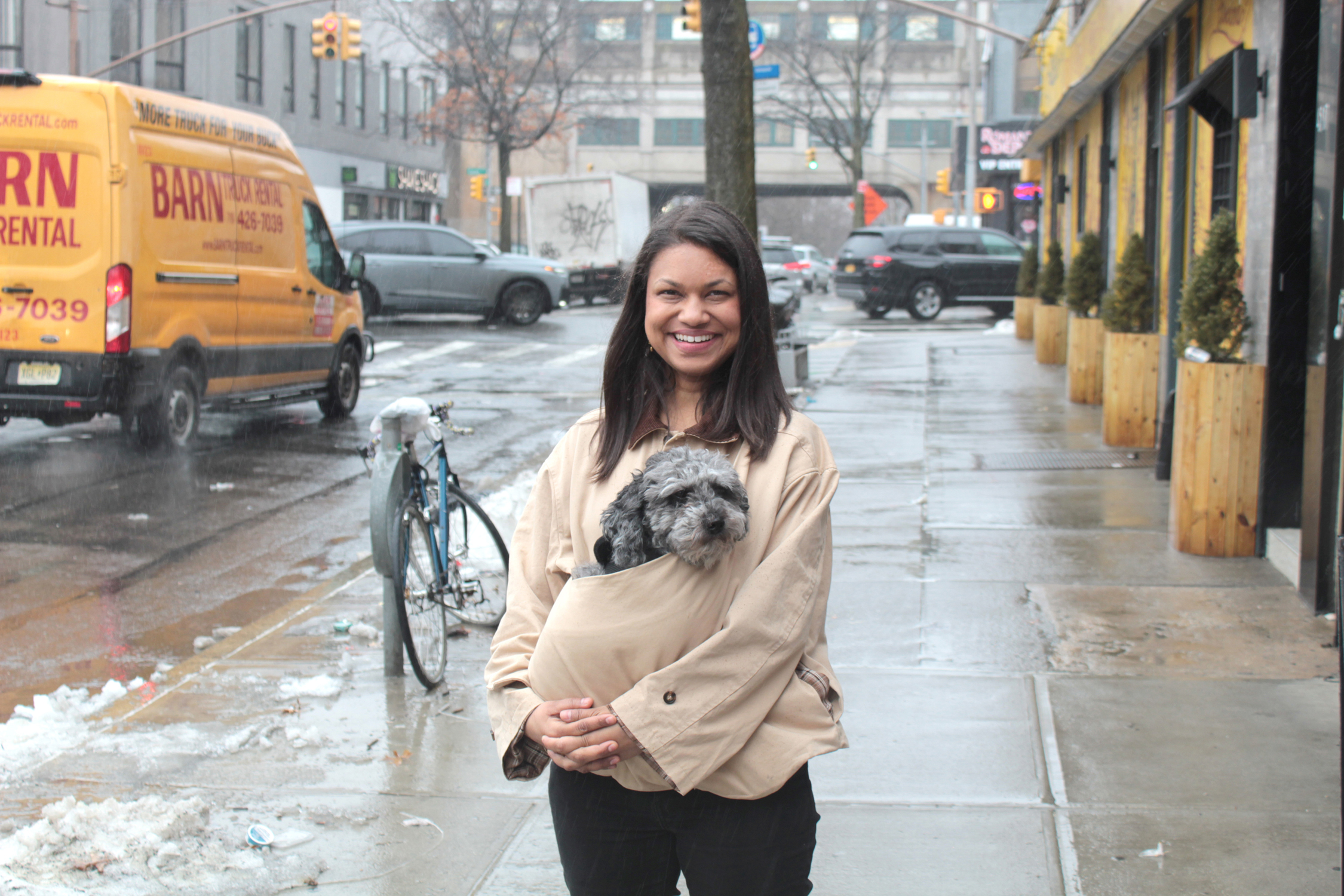
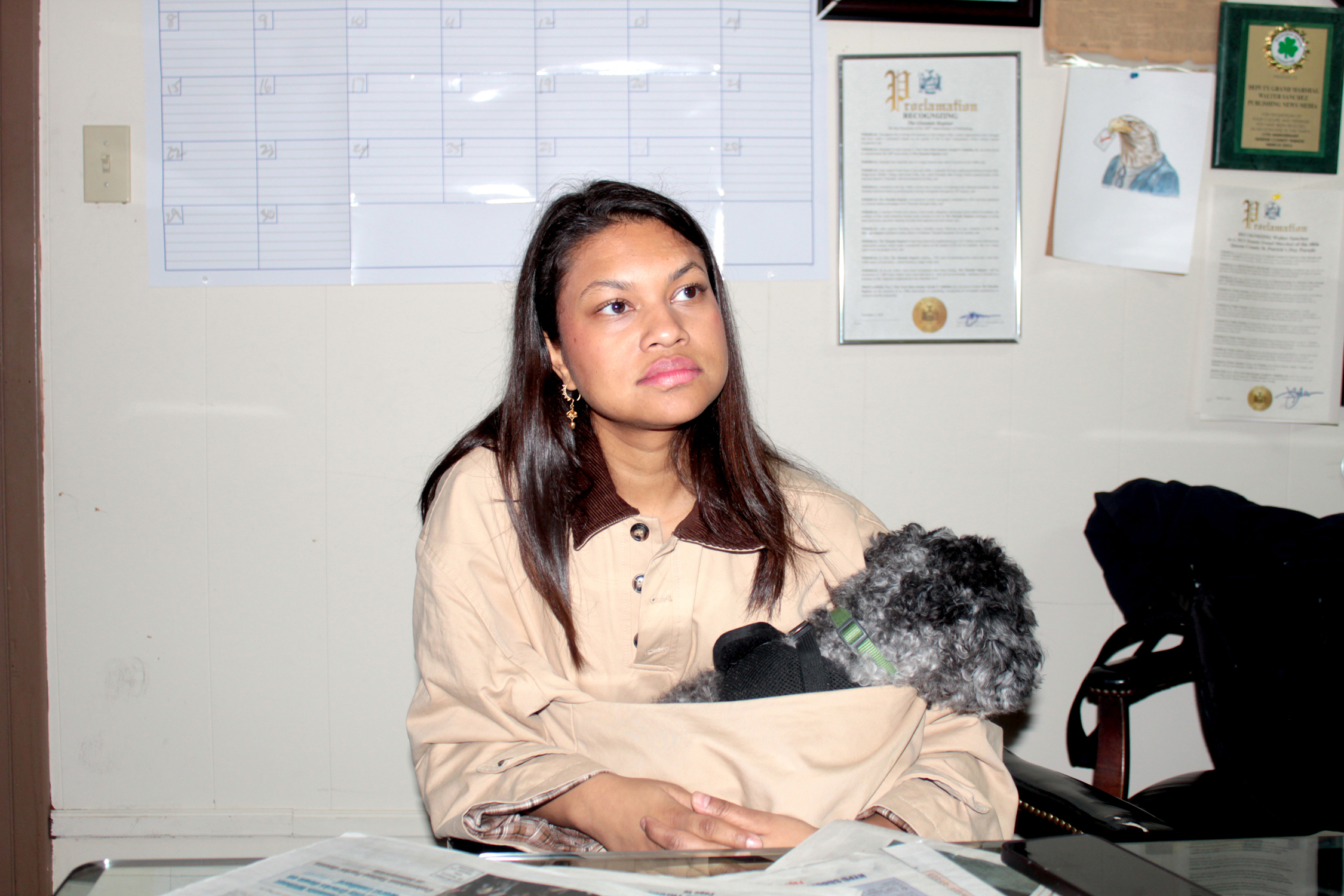
Pia Rahman is running for New York State Assembly in District 37, pitching herself as a stabilizing force in a seat that has seen rapid turnover. When she stopped by the Queens Ledger’s Woodside newsroom, her newly adopted dog Otto trotted in beside her, a small reminder of the neighborhood life she says she wants to represent.
Rahman, a registered dietitian and Community Board 2 member, is running to represent a rapidly growing swath of western Queens that includes Long Island City, Sunnyside, Maspeth and Ridgewood.
Her message is simple: stability, healthcare and trust.
“This seat has been playing musical chairs and this community needs stability,” Rahman said. “My commitment is Queens and my commitment is the district.”
If elected, Rahman would become the first Bangladeshi-American and the first dietitian nutritionist to serve in the Assembly.
Rahman calls herself a native New Yorker, a phrase she uses expansively. Born in Parkchester in the Bronx, she has lived in every borough except Staten Island. She spent her middle and high school years in Utica before returning downstate for college and now resides in Long Island City, where she has lived since 2018.
“It’s important to understand the lay of the land,” she said. “You’re dealing with all of New York.”
That perspective, she argues, matters in Albany.
“New York State has a big rural population that we forget,” Rahman said. “Whether it’s a cab driver in Queens or a dairy farmer in New York, we are still viable, we are still able to succeed.”
She recalls watching an upstate dairy farm sit unsold for years before eventually being converted into a solar field, a sign, she said, of changing economic realities and the need for legislators to think creatively about agriculture, climate and workforce transitions.
“I consider myself a New Yorker before I consider myself an American,” she said.
Rahman’s path to politics runs through public healthcare.
A proud CUNY and SUNY graduate with a master’s degree in clinical nutrition, she was born in a public hospital and later worked in one during the COVID-19 pandemic. In the nutrition department, she said, the crisis exposed systemic weaknesses.
“During COVID, you saw how we were not prepared for the virus,” she said. “We didn’t have preventive care ready for a public health crisis. I remember running into the hospital thinking about all the lives we’ve lost, whether they were patients or healthcare workers, and thinking, ‘I can’t believe this is America.’”
The experience, she said, was transformative.
“I would love to bring my clinical judgment to Albany,” Rahman said. “Not just for healthcare now, but for years coming.”
She supports the New York Health Act, Cover for All and expanded SNAP access, arguing that preventive nutrition and universal coverage are long term cost savers.
“Nutrition is one of the most effective preventive healthcare tools we have,” she said. “If we’re not covering everyone, the diseases we worked so hard to eradicate become a liability for all.”
Healthcare is personal for Rahman. Her mother, an oncologist retiring this spring, worked upstate. Her sister is a doctorate level psychologist specializing in traumatic brain injury. During the pandemic, she said, she watched retired Black doctors return to hospitals, and some died doing so.
“I think about them a lot,” she said.
She has stood alongside nurses on strike lines and rallied with home care workers in Brooklyn, arguing that underpaying predominantly older women of color in caregiving roles is morally wrong.
“They have the most intimate relationships with patients,” Rahman said. “We always make excuses when we don’t want to address a problem, especially when it’s a vulnerable community.”
Rahman frames her campaign around three pillars: affordability, healthcare equity and transportation.
On affordability, she warns that Long Island City’s rapid growth risks pricing out the families who built it. She supports more social housing and says development projects like OneLIC must include adequate hospitals, childcare centers and schools.
“It depends on the resources around the neighborhood as well,” she said. “When you’re building, you want to make sure we have enough hospitals, enough childcare, enough education.”
Queens, she noted, lacks a transplant center and a dedicated birthing center.
“The fact that we have to cross a borough to go to a transplant center,” she said, trailing off.
She has even floated the idea that one day the district may need a child bearing center as it continues to grow.
On transportation, Rahman is a traffic violence survivor. At age seven, she was injured when her family’s car was struck by a school bus in Sheepshead Bay, leaving her with a scar she still carries.
“A little kid shouldn’t be thinking about these things,” she said, recalling how the crash changed how she viewed the world. She still notices ghost bikes marking fatal crashes across the city.
She commutes with an unlimited OMNY card, regularly rides the 7 train and wants to see a more reliable G line and greater inter borough connectivity, including support for projects like the Interborough Express.
“I want every resident to walk out their door and, within 20 minutes, reach what they need,” she said, whether that is transportation, healthcare, groceries or green space.
At the same time, she emphasizes community input on major decisions such as free buses or rezonings.
“My commitment is the people in the district,” Rahman said. “When you are elected, you are representing them, not anything else. I’m not making decisions based on a movement but what people want. I am accountable to the people.”
Rahman’s organizing roots trace back to the pandemic, when she sought volunteer hours at a food pantry and ended up joining Team AOC’s operation in Parkchester. Six years later, she is on the ballot herself.
She has worked in Queens politics, she said, before people were widely known, and is a top donor to several Democratic Socialists of America backed candidates, though she no longer identifies as a DSA member.
“I want to build a bigger coalition,” she said, describing her campaign as grassroots and neighbor driven.
She has hosted and helped lead Know Your Rights trainings across the district, from PTAs to tenant groups.
“Despite the budget deficit, despite what’s happening to our neighbors, there is still hope,” Rahman said. “When I see people come together and organize, I do think we will find a way out of it.”
Queens has one of the largest Bangladeshi populations in the country, Rahman noted, yet has never sent a Bengali to Albany.
“We have yet to send a Bengali to Albany,” she said. “Queens is populated with Bengalis, yet we don’t have a seat at the table.”
She thinks about cab drivers who have donated to her campaign and neighbors who stop her on the street.
“My legacy would be sending a Bengali to Albany to represent Queens,” she said.
On a lighter note, Rahman names Takumen, a Japanese restaurant in Long Island City, as a favorite, along with walks through Gantry Plaza State Park and trips on the 7 train to Patel Brothers for Indian groceries or to a Vietnamese market near Court Square for baby bok choy.
But for voters wary after years of turnover, this will be the fourth person to hold the seat in four years, Rahman knows the central question she faces.
“People ask, ‘Will you stay?’” she said. “New York is my forever home.”
Asked why residents should vote for her, she described knocking on doors in her own building, introducing herself simply as Pia, a neighbor running for Assembly.
“I am a native New Yorker,” she said. “I serve on Community Board 2. I’ve been involved in local Queens politics. My commitment is Queens. My commitment is the district.”