Thousands Visit NYC’s First Free Grocery Store

One Bag Per Person, Hours In Line, Zero At Checkout

By MOHAMED FARGHALY

mfarghaly@queensledger.com

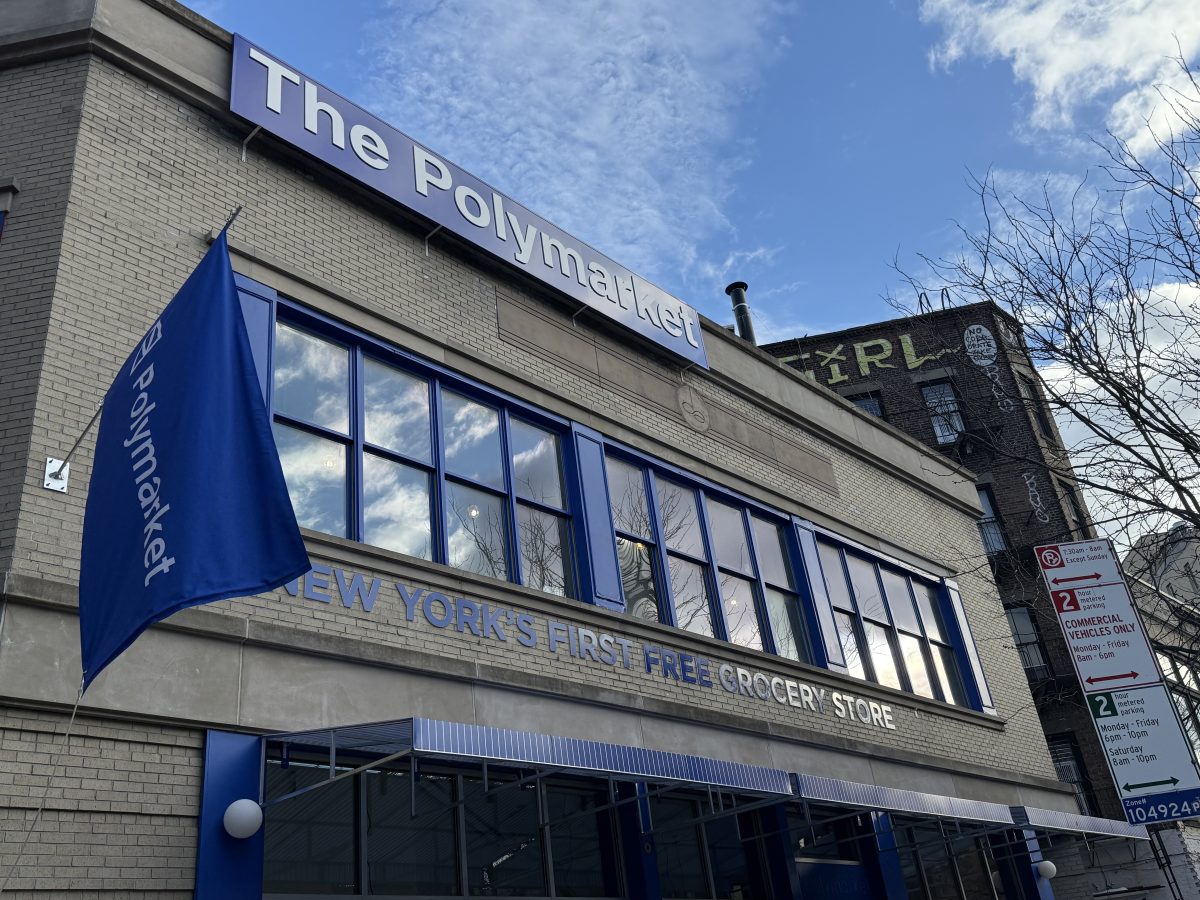
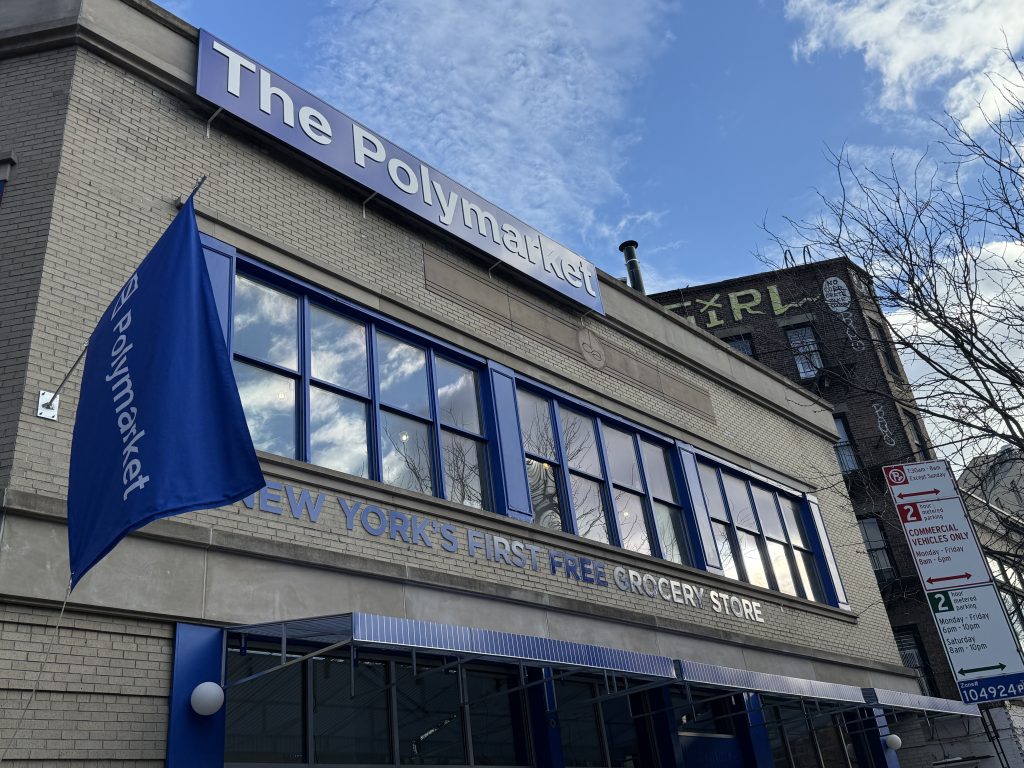
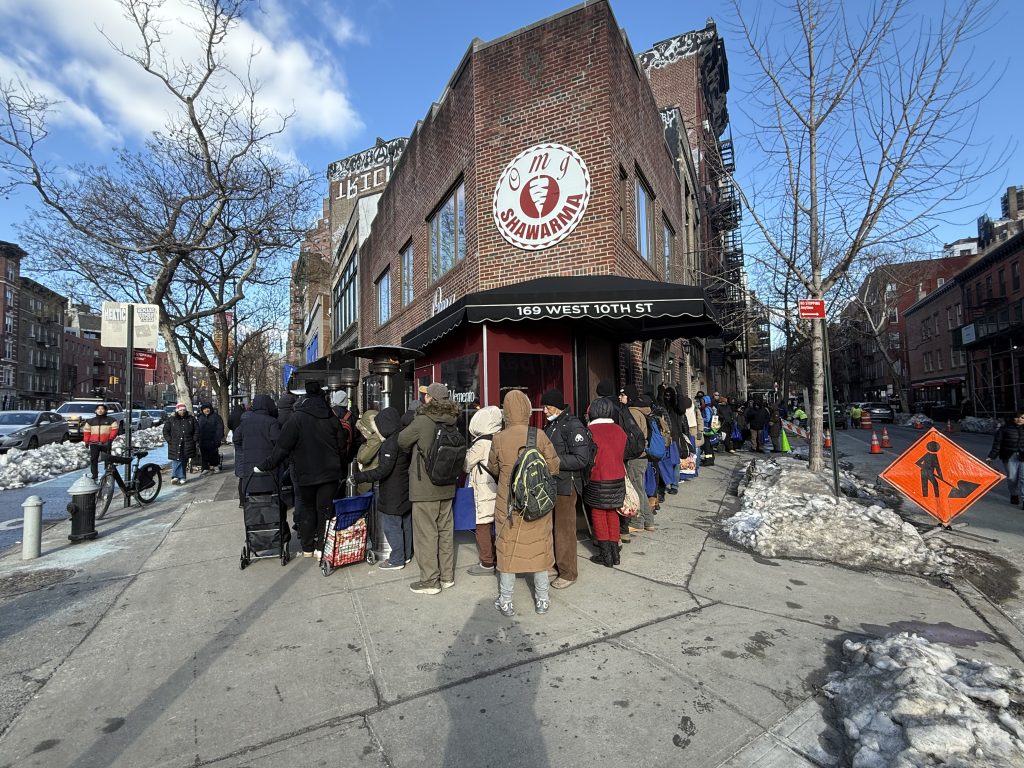
A line wrapped three city blocks in the West Village on Thursday as hundreds of New Yorkers waited hours for a chance to shop inside what organizers billed as the city’s first free grocery store, a two-day pop-up stocked with staples, produce and household goods funded by prediction market company Polymarket.

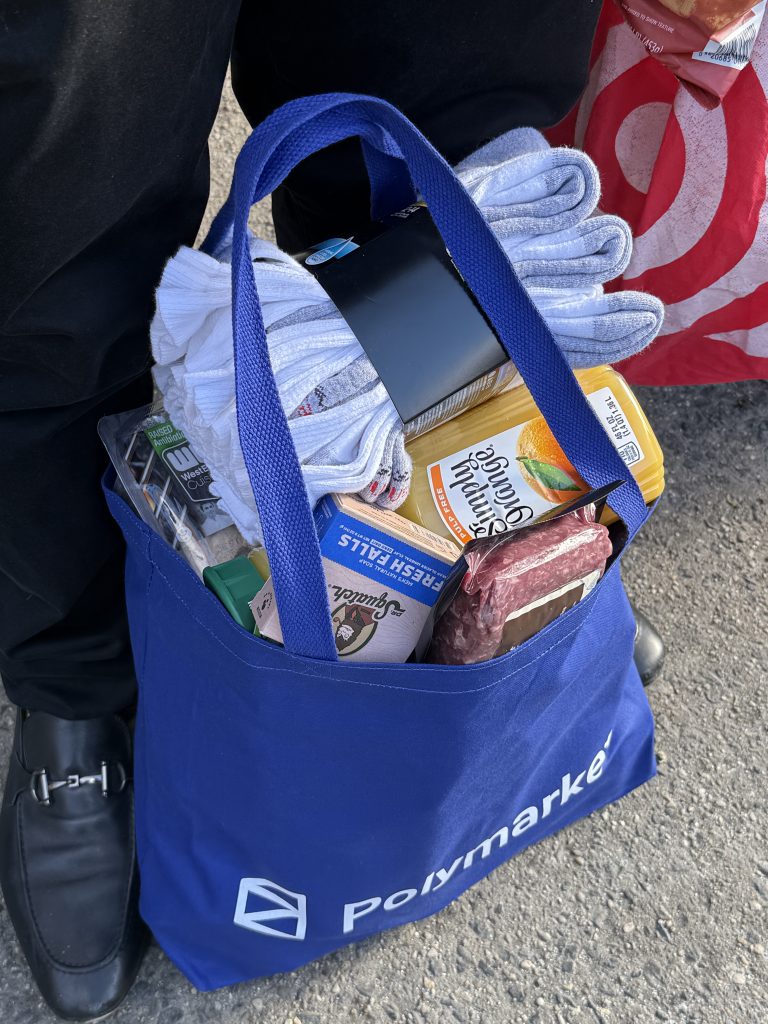
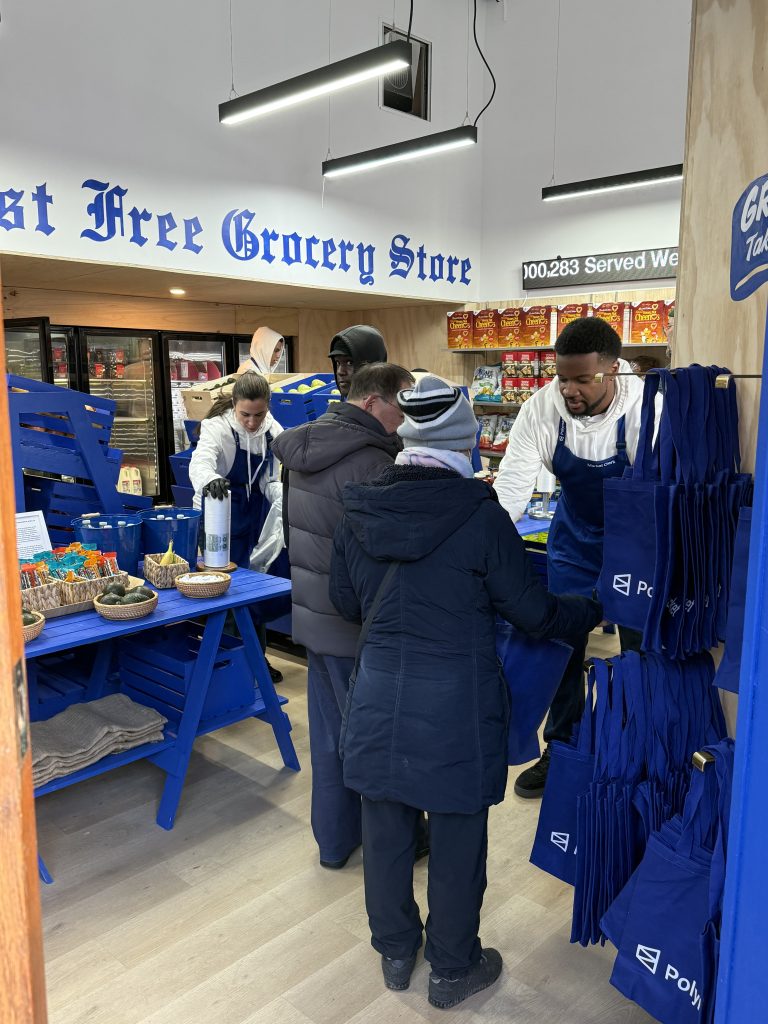
The temporary market at 137 Seventh Ave. South opened Feb. 12 for the weekend and immediately drew crowds, with some customers arriving as early as 10 a.m. for afternoon entry. Shoppers were allowed to fill one provided bag at no cost, with a limit of two per item. Inside, rows of fruit baskets, refrigerators filled with meat and eggs, and shelves stocked with rice, pasta, cereal, snacks and cleaning supplies resembled a standard neighborhood supermarket. Valentine’s Day flowers sat near the entrance. At checkout, there were no registers, only staff helping shoppers pack their bags and keep the line moving.

Organizers paired the promotion with a $1 million donation to Food Bank For New York City and said the combined effort is intended to help fund the equivalent of millions of meals. The pop-up was scheduled to run through Feb. 16 or while supplies last.

Jesus, who traveled from downtown Brooklyn after spotting the event in group chats that track free happenings across the city, said he came straight to the line after a job interview. He arrived shortly after noon and found the queue already snaking down the block.

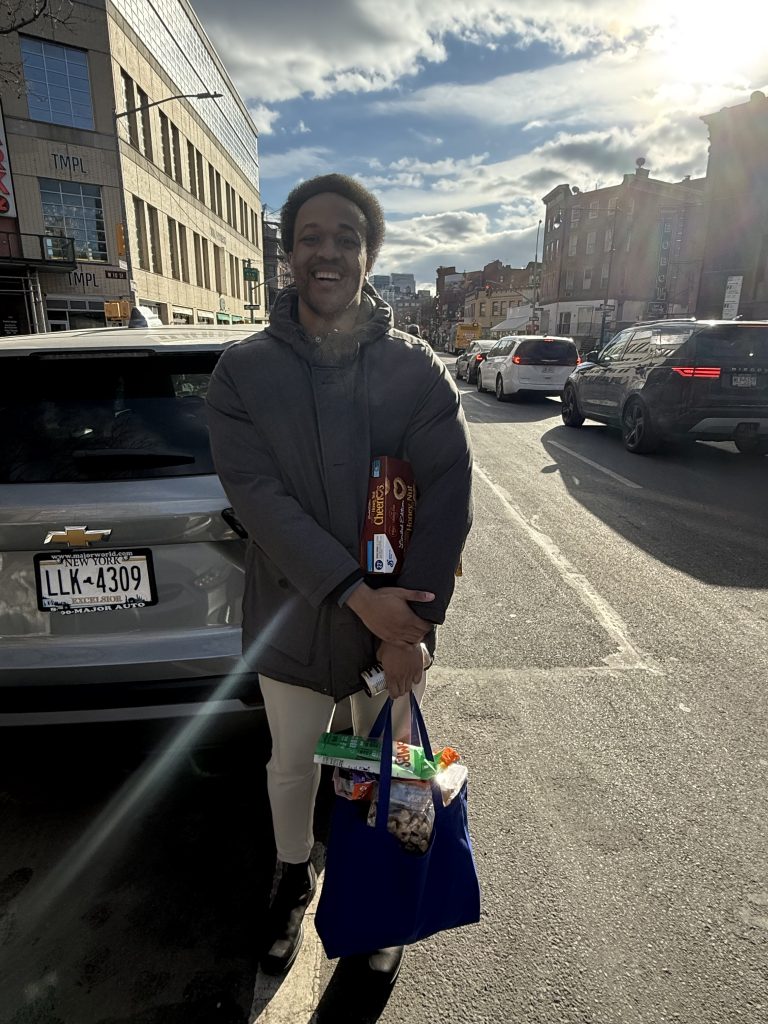
“I’m already used to lines,” he said, noting he previously worked as a full-time reseller and often waited hours for limited releases. Inside, he described the setup as indistinguishable from a regular grocery store, stocked with vegetables, chicken, ground beef, eggs and paper goods. His bag filled quickly, leaving no room for produce he wanted to grab. Even so, he estimated the haul could stretch his food supply for weeks while fasting. “This is actually good for the community,” he said. “But we need it more often.”

For many in line, the event doubled as a small protest against rising grocery costs. Phast and Khy, two Brooklyn residents who regularly hunts for free events online, said they attended a similar grocery promotion by another company the previous week and were eager to take advantage of this one.

A typical weekly grocery run now costs at least $80, they said, an amount that buys only a handful of essentials. “That’s like a few items,” Phast said. “It’s insane.” They hoped the free bag would cover the basics, canned goods, cereal and other nonperishables — for at least part of the week.

Khy said they view the giveaway as helpful but temporary, reflecting a broader frustration with affordability in the city. “There’s people out there that really need this,” they said. “If we have excess resources, we should be able to give that to people.”

Mark, a Queens resident who said he took two trains to get to the West Village, shifted his tote bag from shoulder to shoulder as the line inched forward and said the wait felt worth it. He estimated he spends more than $100 a week on groceries for himself and his partner, a number that has crept up steadily over the past year. “Every time you go to the store, it’s another $10, another $20,” he said. “You start putting stuff back and doing math in your head.”

Mark said he doesn’t usually chase giveaways but made an exception after seeing the event mentioned on social media during his morning commute earlier that week. Even a single bag of food, he said, could free up cash for rent and transit this week. He called the promotion generous but also telling. “The fact that this line is this long in the middle of a workday says everything,” he said. “People are working, people are trying, and groceries are still too expensive.”

The effort follows a similar one-day grocery promotion earlier this month by rival prediction platform Kalshi, which allowed shoppers to take up to $50 worth of food from a Manhattan supermarket. Together, the back-to-back promotions have sparked online debate about tech companies using high-visibility giveaways as marketing tools, while also underscoring how quickly word spreads when essentials are offered for free.


Polymarket has faced criticism in the past for operating as an unregulated online prediction market, with some lawmakers and consumer advocates warning that its platform can encourage speculative betting on events without sufficient oversight.

Some shoppers acknowledged mixed feelings about a gambling company funding the event. Charles, a commercial litigation lawyer from the East Village who said he waited nearly four hours, described himself as personally opposed to gambling but appreciative of the immediate help.

“I don’t believe in it,” he said of betting platforms. “But what I do believe in is just getting the free groceries right now.”

Charles said the store felt like a scaled-down but generous supermarket, with frozen meals, cereal and even clothing items like socks available. He estimated his bag could last two to three weeks, largely because it included products he normally skips to save money. On an average month, he said, he spends $200 to $300 on groceries. “This has helped tremendously,” he said.

The pop-up arrives as New York officials debate broader solutions to food affordability and access. Mayor Zohran Mamdani has proposed city-run grocery stores that would operate with public support to keep prices near wholesale levels by reducing overhead costs, a plan that has drawn skepticism from critics across the political spectrum. Supporters argue the concept could address grocery deserts and stabilize prices in low-income neighborhoods.

Several shoppers said even if the Polymarket store is temporary, it highlights the scale of need.

By mid-afternoon, staff periodically paused entry to control crowds as the line continued to grow. Some shoppers left carrying frozen meals, cereal and canned goods; others said they simply wanted relief from a grocery bill that has become harder to manage each month. For a few hours, at least, the routine act of shopping felt less like a financial calculation and more like a rare break, a moment where necessity outweighed politics, branding and debate, and the only currency that mattered was getting through the line.

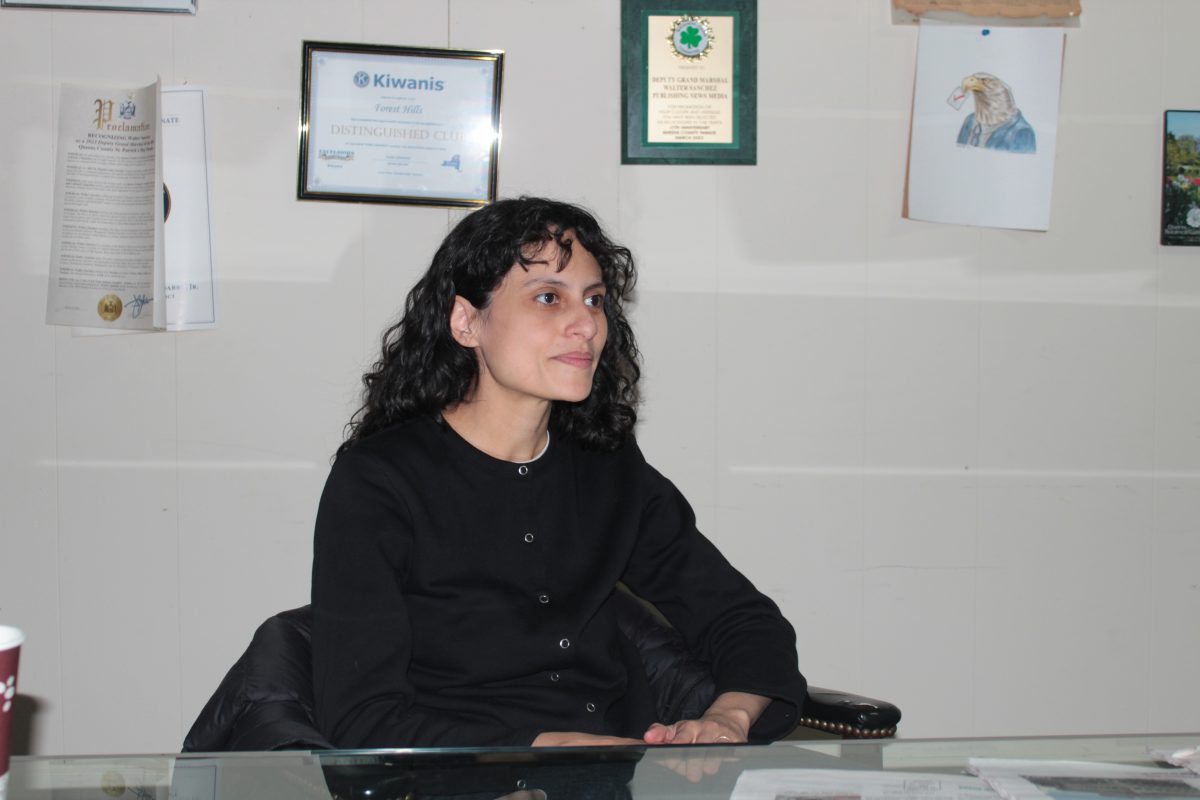
New Mom, Veteran Organizer: Kattan Seeks Queens Assembly Seat

Housing Advocate Samantha Kattan Enters District 37 Contest

By MOHAMED FARGHALY

mfarghaly@queensledger.com

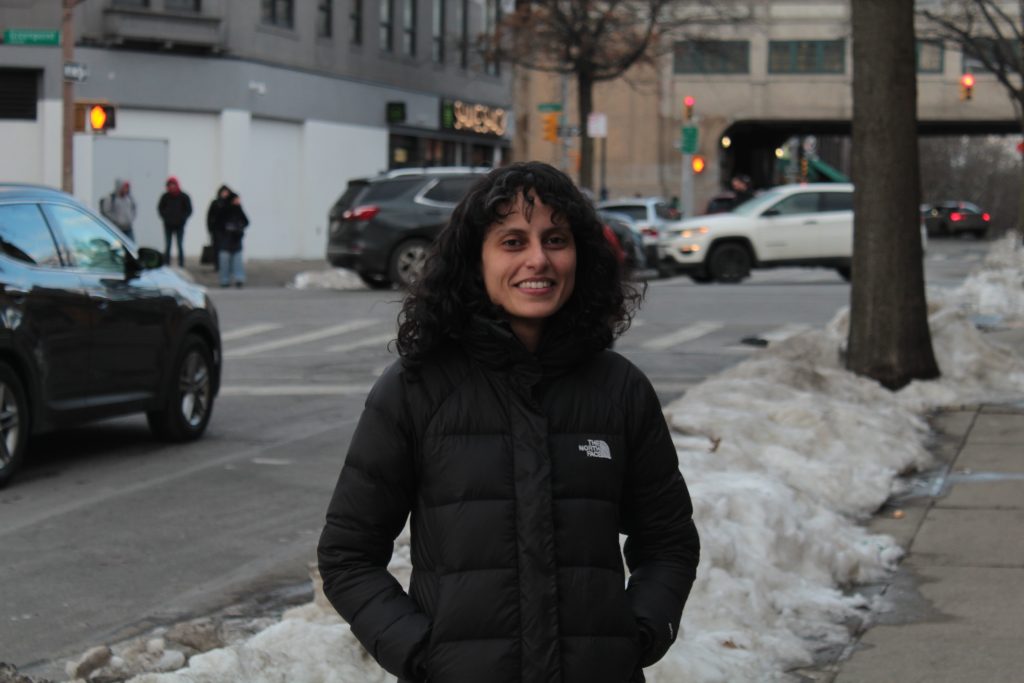
Samantha Kattan says the first political education she received came from watching her hometown transform. Growing up in Austin, Texas, she saw a once under-the-radar city rapidly gentrify and swell in population, reshaping neighborhoods and pricing out residents. That experience pushed her toward urban planning and, eventually, tenant organizing in New York, work that now anchors her campaign for the seat currently held by Assemblymember Claire Valdez in District 37.

Kattan, who has lived in New York for more than a decade, is running as a Democratic Socialist with a platform centered on housing justice, universal child care and expanded social services. She argues her years knocking on doors as a tenant organizer prepared her for Albany more than traditional political pathways.

“There’s more tenants than landlords,” Kattan said. “When people know their rights and figure out smart strategy together, we actually have a lot of power as tenants. The tenant movement is in a very strong place right now.”

Kattan studied urban planning at University of Texas at Austin, drawn to questions about how cities grow and who benefits. But she left graduate school wanting to push for change from outside government.

After moving to Brooklyn in 2014, she helped co-found tenant associations and neighborhood groups, including a Brownsville and East New York coalition called HOPE — Housing Organizers for People Empowerment. The work often began simply: gaining access to a building, knocking on doors and asking residents about leaks, heat outages or landlord disputes.

She said she was struck by how often strangers welcomed organizers inside.

“People are very grateful that there’s someone at their door asking them about this,” she said. “They’ll say, ‘Yes, actually, let me show you what’s going on with my ceiling.’”

Kattan later worked with limited-equity housing cooperatives, a model she sees as a blueprint for long-term affordability. When those co-ops function well, she said, they preserve community in neighborhoods that would otherwise turn over rapidly.

“You can compare a rental building in a gentrifying neighborhood that’s next door to one that’s been a co-op for decades,” she said. “They look identical from the outside, but one has been able to cultivate this long-term community.”
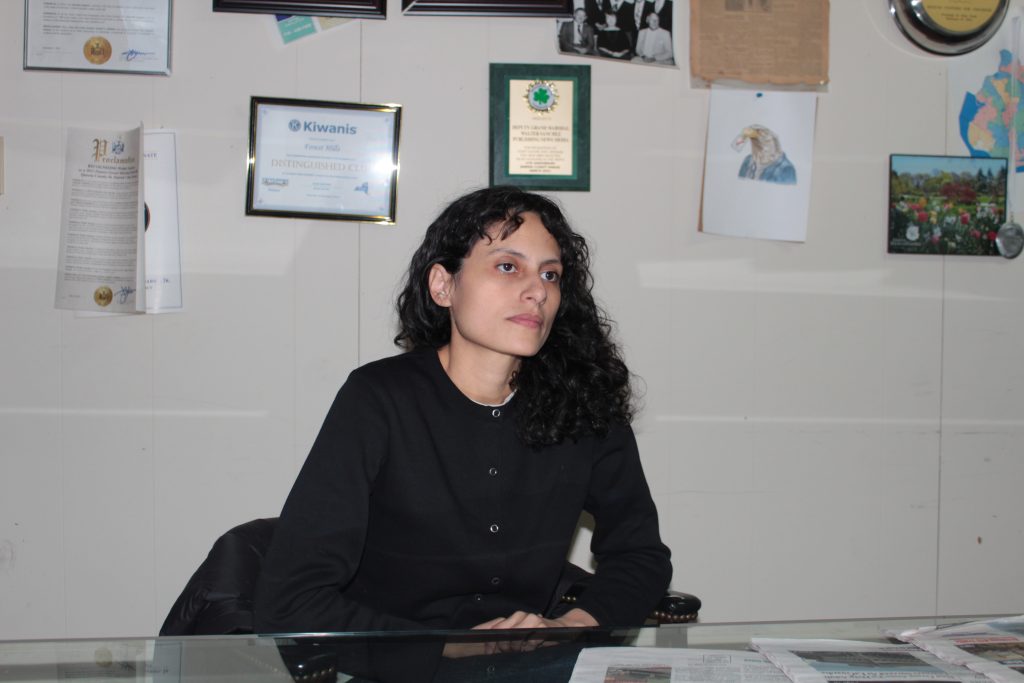
She supports policies that would expand alternative ownership models and tenant opportunities to purchase buildings. She also backs a rent freeze for stabilized units, dismissing landlord arguments that it would simply push up market-rate rents.

“Landlords are already charging as much rent as they can,” she said. “We need to question why we believe that housing needs to be so profitable. It’s rooted in the idea that housing should be extremely profitable for a small number of people.”

Kattan lives in Ridgewood, where she has spent about six years, after earlier years in Brooklyn. She works for the Urban Homesteading Assistance Board, where she previously directed organizing and now handles contracts and administration.

Her campaign priorities expanded after the birth of her daughter, now 14 months old. She is calling for permanent funding for universal child care and longer guaranteed parental leave in New York, saying temporary commitments leave families uncertain.

“When people are planning their futures and whether to have kids, it’s good to know that whatever is in place now is going to be there in a few years,” she said.

Her own child care currently relies on help from her mother, who lives nearby. Kattan pairs her push for child care with calls to raise taxes on corporations and the wealthy to fund social housing and family programs.

She is also campaigning on immigrant protections, backing the New York for All Act, which would limit cooperation between local law enforcement and federal immigration authorities, and the MELT Act, which would bar masked immigration agents from interacting with civilians. Both proposals are aimed at curbing the reach of U.S. Immigration and Customs Enforcement.

Kattan says she would run her district office less as a traditional constituent service shop and more as a hub for civic organizing. She envisions interactive budget town halls structured like workshops, where residents work in small groups to identify priorities and strategies.

“I love the idea of structuring those in a way that are more interactive,” she said. “I want people to say ‘I’m an active part of this process too. What do I want to see in the budget, and how can I get involved?”

She said housing clinics in her office would include support for tenants who want to form associations, linking individual complaints to collective action.

Kattan has been endorsed by Valdez, whom she met through neighborhood organizing and the Democratic Socialists of America. She describes her campaign as part of a broader socialist slate focused on coordinated strategy in Albany.

Something planners taught her, she said, is how deeply issues overlap.

“Housing intersects with racial justice and immigration issues and environmental issues,” she said. “You really get a sense for that when you study planning.”

District 37 stretches from Long Island City through Sunnyside, Ridgewood and parts of Maspeth encompassing renters, co-op owners and working-class homeowners. Kattan says her experience helping co-op residents navigate taxes and insurance gives her credibility beyond tenant organizing.

She has criticized proposals to place casinos on public land in Queens, calling them a missed opportunity for community-oriented development, though she acknowledges supporters point to job creation. By contrast, she supports expanding public transit and is broadly in favor of the proposed Interborough Express rail link connecting Queens and Brooklyn.

She is also wary of large lithium battery storage facilities proposed in residential areas and said safety concerns should be taken seriously as lawmakers debate siting rules.

Outside policy, Kattan points to the everyday spaces that anchor her neighborhood life. She and her husband frequent Mount Everest Deli for chicken tikka masala and chai, visit a favorite pupusa spot on Fresh Pond Road and spend time at the bookstore cafés Topos, local gathering places run by friends.

As a new mother, she said she is frustrated by the shortage of small parks and green space in Ridgewood and wants to expand family-friendly public areas.

“I want my legacy to be social housing,” she said, before adding another goal: “More little parks within the neighborhood that have grass. More community spaces. Family-oriented public spaces.”

Kattan has been active in advocacy since arriving in New York, traveling to Albany as a tenant organizer and joining electoral work with DSA in 2017. She previously declined suggestions to run for office. Motherhood changed her calculus.

“It changed my idea of what I’m capable of and what kind of role I want to play in the world,” she said. “I’m feeling more ready to take on these fights in a different way.”

She frames her candidacy as an extension of organizing rather than a departure from it.

“My experience as a housing organizer roots me in issues people feel all over the district,” Kattan said. “I approach this work like an organizer. I’m running very proudly as part of a slate that has a strong strategy for passing legislation that’s going to improve the lives of working-class New Yorkers.”


Villa Russo Café – Queens’ Ambassador at JFK International Terminal

In 1954, George Russo’s father and uncle opened an Italian pizzeria in the Richmond Hill section of Queens. By the mid-1960’s they expanded into a full service restaurant, serving authentic Italian dishes from family recipes that drew diners from all over New York City. By 1975, they broke ground on Il Palazzo Villa Russo, the catering hall that over five decades later, along with a second family run catering venue, Russo’s On The Bay, has continued to host generations of their clients’ special family occasions.

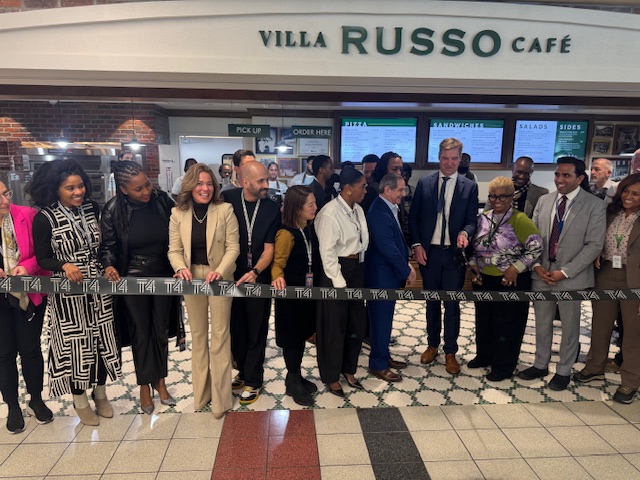
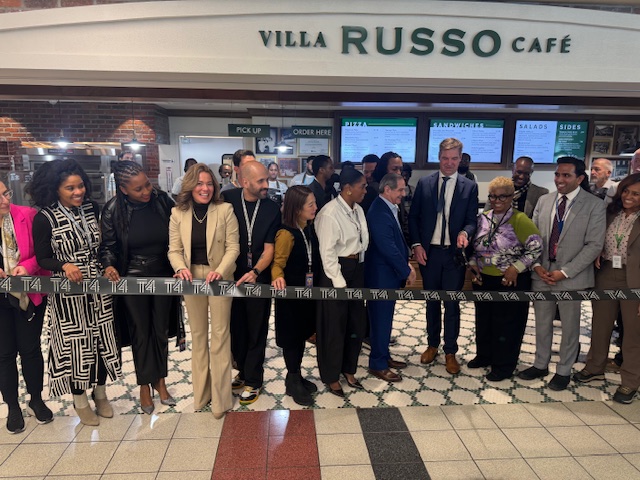
Villa Russo embodies the words “caterer of distinction” by capturing the proud tradition of serving old-world Italian specialty dishes that lovingly embrace the recipes and heritage passed down through generations. The Russo family will now be bringing that same sense of pride and authentic cuisine to the JFK International Air Terminal with Villa Russo Café. The quick-serve cafe will now introduce their culinary fervor to those passing through JFK’s terminal 4 at Gate B24, and capture a side of Queens travelers rarely get to see. We snapped a picture at their grand opening in late January.

Caption: Welcome to Queens – with authentic Russo family recipes, Villa Russo Café officially opened last month at the JFK International Terminal at Gate B24.

The borough of Queens is celebrated as one of the most diverse urban areas worldwide, hosting communities and cuisines from over 130 countries. The sense of community in Queens is palpable, with a strong emphasis on the support for local ventures and the maintaining of cultural traditions.

From humble beginnings …. hard work and dedication

Villa Russo Cafe will act as a kind of ambassador within JFK T4, offering passengers a glimpse into Queens’ rich Italian-American heritage. In this eclectic setting Villa Russo Cafe stands as a proud beacon of Italian-American culture, contributing to the borough’s cultural mosaic and mirroring Queens’ own history of immigration and custom amalgamations. “I’m proud and excited to be bringing my family’s legacy into the global market at JFK’s T4,” said George Russo. “Nearly 75 years ago, my father and uncle, two sons of Italian immigrants, opened a small, local Italian pizzeria, from humble beginnings and through dedication and hard work they built a reputation for excellence in the service of their patrons. To think that now, over seven decades later, we’d be serving our family’s inspired recipes to international travelers at the gateway terminal to New York City is truly a testament to the American success story, as well as a personal dream come true for myself and my family.”

At JFK IAT, Gate B24, Villa Russo Cafe will deliver a dining experience that will make passengers feel like they’ve walked into a traditional Sunday dinner at the Russo family table. George tells us to make sure to stop by and visit on your next traveling journey, or book your family’s next special event at their catering hall, still located at its original location in Richmond Hill, Queens.

They Met In Forest Hills To Launch a Republican Club

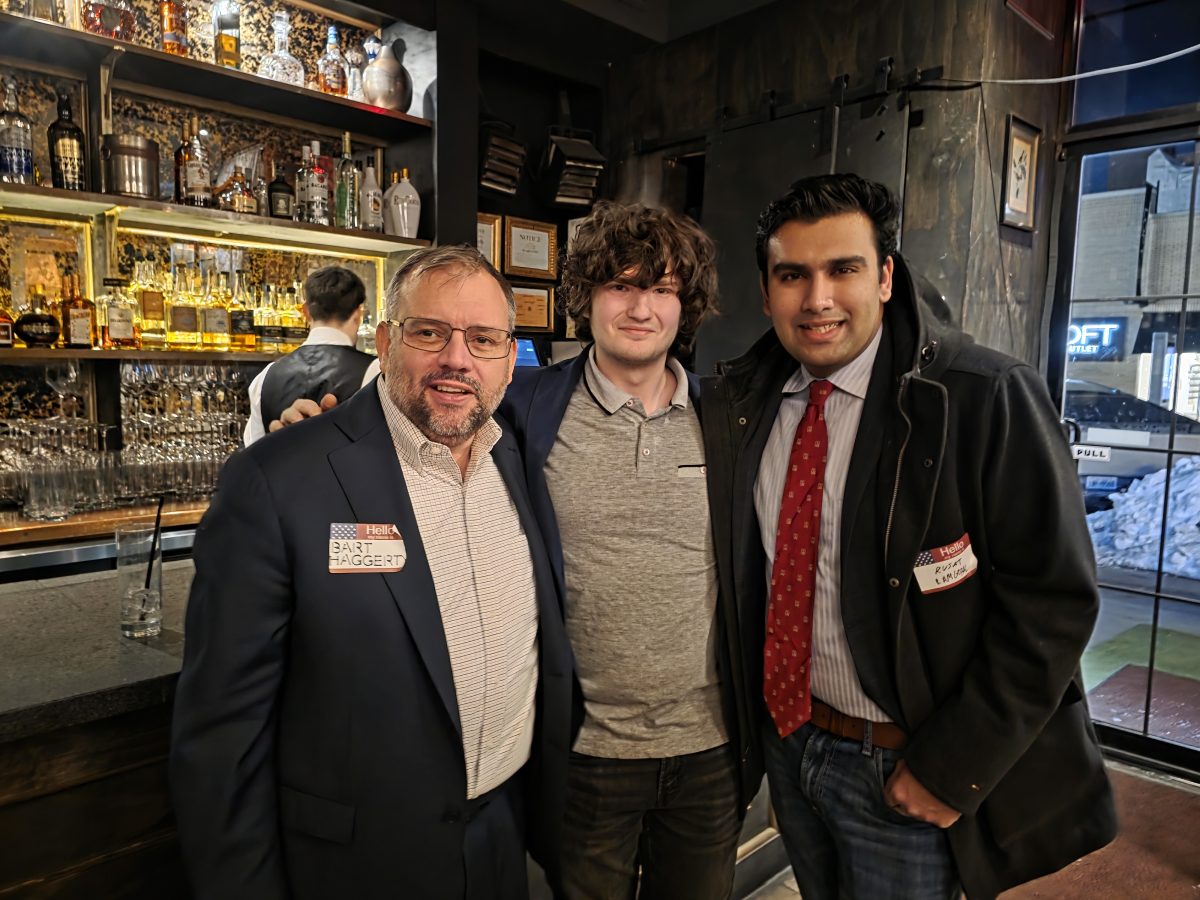
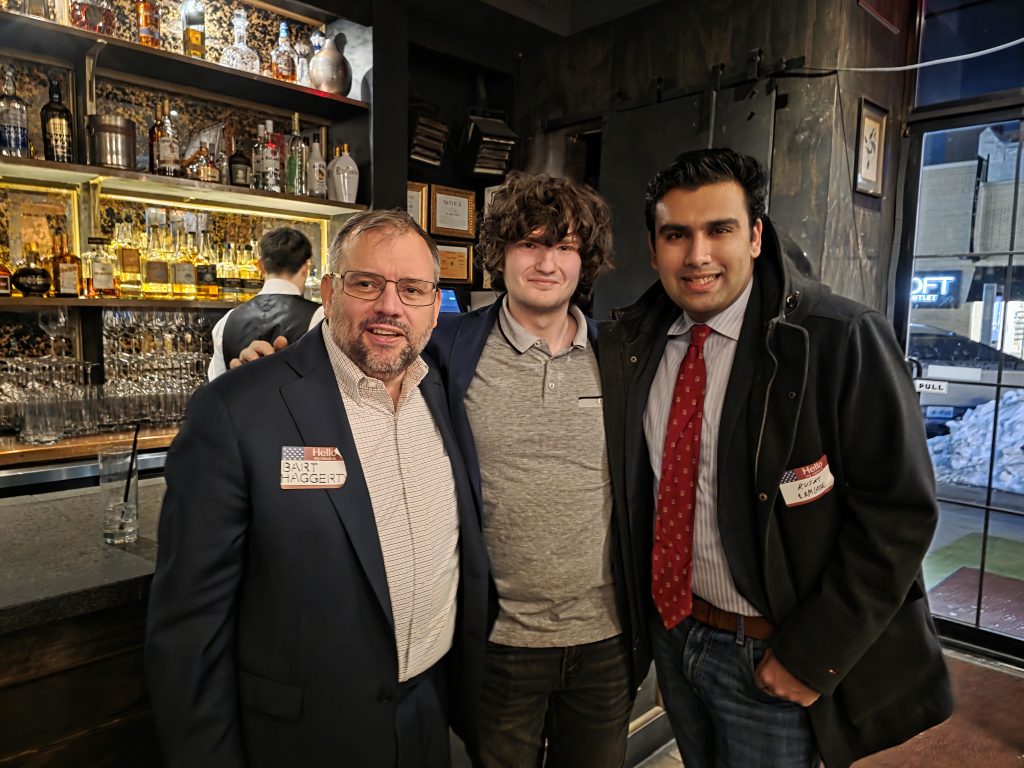
Pictured here with District leader Bart Haggerty, Rusat Ramgopal and Joe Casper Jr.

It’s been a half-decade since the last time a local republican club was formed in Queens. Curtis Sliwa and friends opened the Ronald Reagan Republican Club of Astoria, Queens. When asked why he would open such a club in Western Queens, which is ground-zero for the DSA (Democratic Socialists of America), he said to us, “ Ya have to go to the heart to feel its beat.”

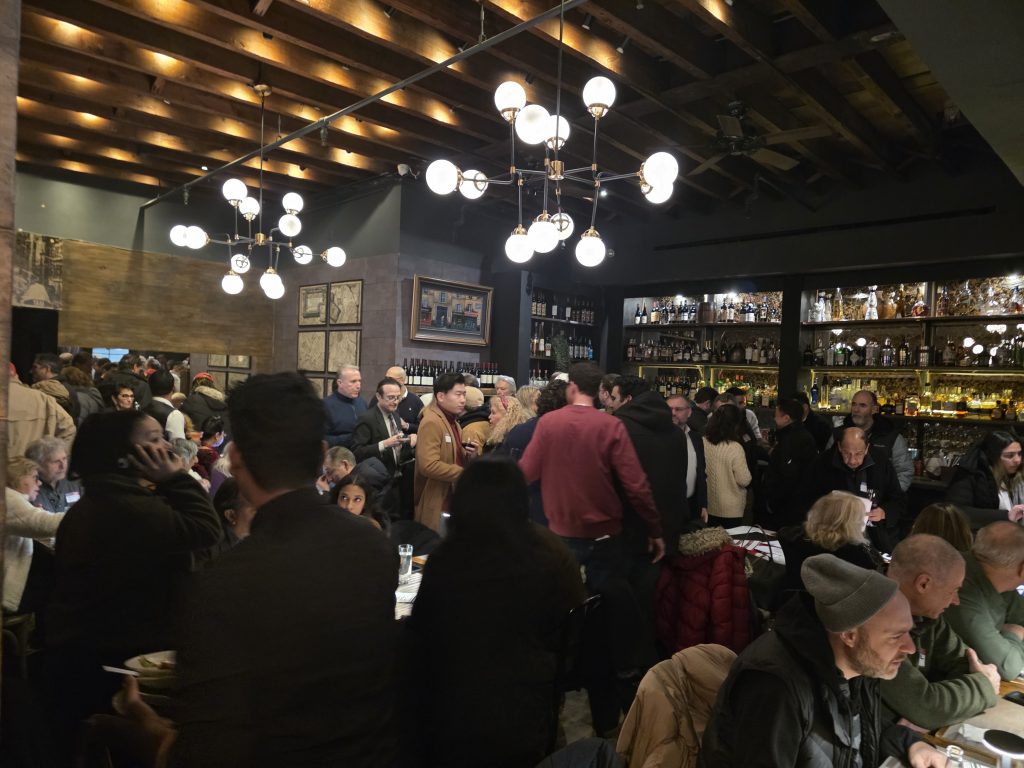
Just a few weeks ago a group of ‘political enthuiasts’ launched a Republican Club in Kew Gardens and Forest Hills.  Nearly a hundred veterans and newbies to politics met to form the Kew Forest Republican Club at Aged Steakhouse, 107-02 70th Road, which locals call ‘Restaurant Row’ in Forest Hills.

At this inaugural meeting the energy in the room was obvious and there were barely enough seats for all who attended. What excited some about having a Republican presence in this community is that the numbers for the mayoral election stuck out. Mamdani only won this area by ONE percentage point. This group was founded by a group of business professionals who intend to provide a home for voters with conservative values and moderate ideologies. They claim as Democrats drift further and further left in their ideology, many feel abandoned.  There are many traditional Democrats who the say, feel that way as well. There are two Republicans who represent areas of Queens. Both are council people. While Queens still has significant pockets of more conservative voting trends only Howard Beach, with Joanne Ariola and College Point, with Vicki Paladino hold political offices. “The time appears ripe for another Republican to win in Queens County,” said Ryan Walsh – one of the club’s organizers. The Club’s philosophy is simple: support the rule of law, local police and first responders, fiscal responsibility and small businesses. They feel that too many City residents are leaving New York for ‘Red’ states where they can finally afford a home and live the American dream. “It is time to elect candidates who propose more than tax hikes and spending cuts while diverting funds to murky NGOs and nebulous nonprofits,” said Kathryn Donnelly. “The Club’s goal is to find those candidates, encourage voter engagement in the community and to support the candidates who espouse the Club’s principles.” The first general Club meeting is set for March 4th at White Radish on Ascan Avenue in Forest Hills.

There were more than a hundred interested in the Kew Forest GOP Club.

The Colorful, Controversial History of New York’s Presidents

ROBERT HORNAK

FORMER EXECUTIVE DIRECTOR OF THE QUEENS REPUBLICAN PARTY

RAHORNAK@GMAIL.COM

Robert Hornak is a veteran political consultant who previously served as deputy director of the Republican assembly leader’s NYC office and as executive director of the Queens Republican Party. He can be reached at rahornak@gmail.com and @roberthornak on X.

This week we celebrate President’s Day. With the very odd relationship New York has with the fifth president we sent to the White House, it’s worth looking back to see if this really is an unprecedented time and the grass was greener, or if this is just par for the course.

We tend to look back on our past leaders as if they were larger than life figures better than ordinary men. We celebrate them, naming monuments and schools after them. But people are just people, some polite and humble, others vulgar and venal, including those who served as president. Not all of them were George Washington.

Five American presidents have come from New York. The only states with more are Ohio with seven and Virginia with eight. The New Yorkers to serve were Martin Van Buren, Millard Fillmore, Theodore Roosevelt, Franklin D. Roos- evelt, and most recently, of course, Donald Trump. They all had their controversies.

Van Buren, from Kinderhook, was our 8th president, and the second Democrat to hold the office following Andrew Jackson. He was notable for being the first president actually born a United States citizen, the first not being of English decent (he was Dutch), and the first who didn’t speak English as his native language.

Van Buren was unpopular for his continuation of Indian removal policies, including what was called the trail of tears, and for the panic of 1837, a financial crisis that began under Jackson that led to a seven year depression known for bank failures, falling wages, deflation, rising unemployment and failing businesses. He was nicknamed Martin Van Ruin and lost his race for reelection.

Millard Fillmore, from Buffalo, was our 13th president, and the last of the four Whigs to hold the presidency. He was very controversial for his support of the Compromise of 1850, a set of bills intended to avoid conflict between the states, but wound up creating more disunity, especially over the Fugitive Slave Act of 1850, which empowered Federal Marshals and required ordinary citizens to capture, detain, and return escaped slaves. This was so controversial it led the dissolution of the Whig party, which declined to nominate him for reelection.

Possibly the most complicated and controversial New Yorker to hold the office was Theodore Roosevelt. Remembered more for his legacy of conservation, Roosevelt also had his controversies. He was accused of accepting illegal campaign contributions in his 1904 reelection campaign, and of not paying NY property taxes in 1898. He expanded the Monroe Doctrine with the Roosevelt Corollary, which declared a U.S. right to intervene in Latin America to stabilize their economies and to block future European efforts at colonization. It established his “Big Stick” concept of diplomacy and the justification to use American military power to protect U.S. interests.

TR was also controversial for his belief in eugenics, supporting sterilization of “less desirable” people and considered Indians to be savages. While he was applauded for inviting Booker T. Washington the White House, he was also excoriated for the Brownsville Incident of 1906 where it was claimed he ordered the dishonorable discharge of an entire regiment of 167 Black soldiers without due process.

Then came Franklin Roosevelt, the only president to serve more than two terms. FDR was known for interning 120,000 Japanese Americans by executive order, considered by many to be one of the darkest moments in U.S. history. He also ordered the mass deportation of Mexican Americans and enforced strict immigration policies against Jews trying to escape the Holocaust.

When several of his New Deal policies were struck down by the Supreme Court, he tried to pack the court with Justices of his choosing, a move seen as violating the separation of powers. He also tried to have the Attorney General pursue sedition prosecutions against the Chicago Tribune, the New York Daily News, and the Hearst newspapers for opposing many of his policies.

As we celebrate Presidents Day let’s remember that every president was a human first. Many were course, vulgar, racist, and subject to the same temptations we all are. Looking back, even just at the New Yorkers who held the office, today’s controversies seem very par for the course.

Fill the Form for Events, Advertisement or Business Listing