
By Christian Spencer
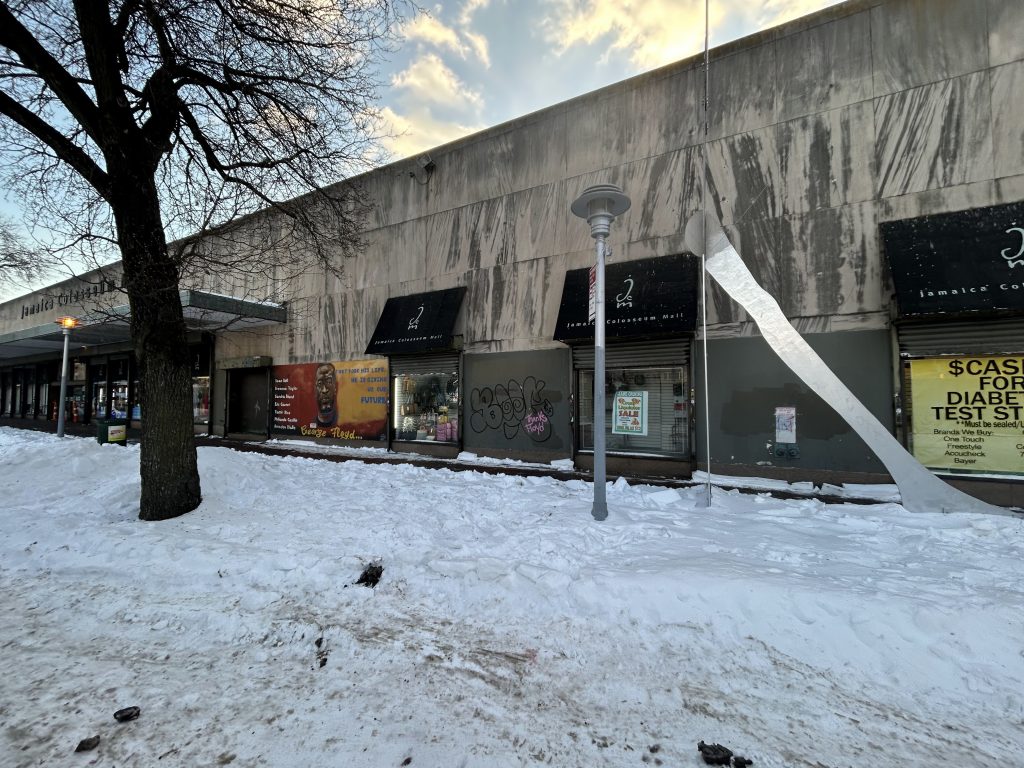
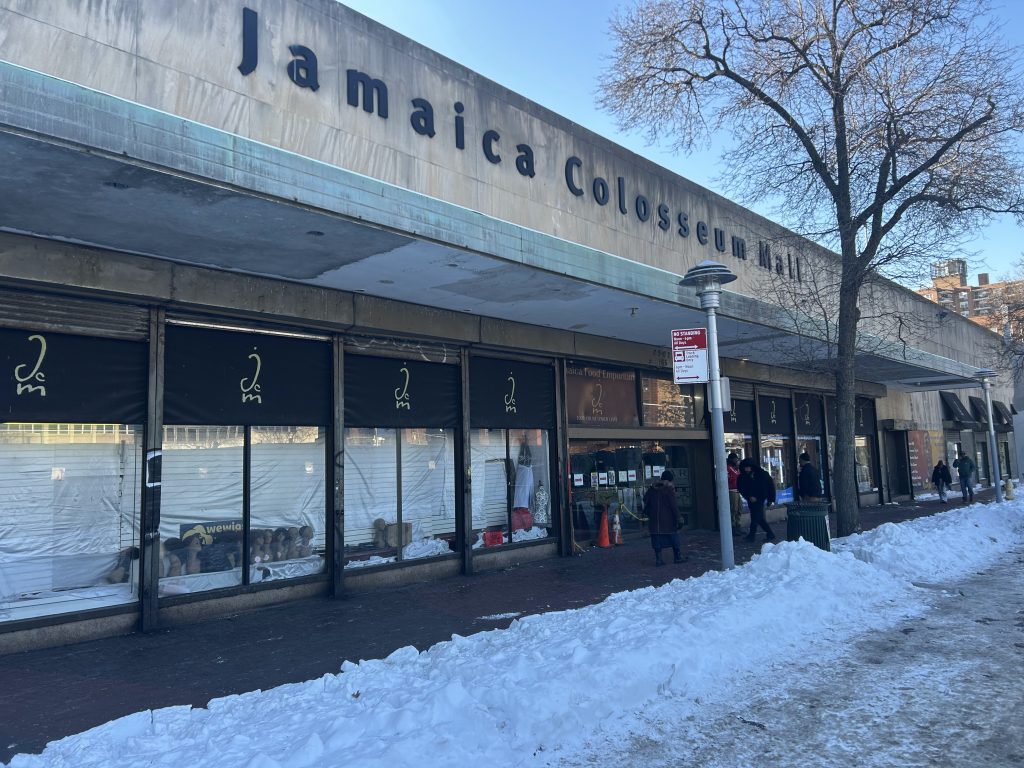
The sudden closure of the Jamaica Colosseum Mall has left longtime vendors—some of whom have operated there for more than three decades—confused, saddened, and angry after being given less than 20 days to relocate.
Once a former Macy’s in Downtown Jamaica, the Jamaica Colosseum Mall opened in 1984 as a retail destination for up-and-coming Black, Asian, and Jewish merchants.
Over the decades, it became a hub for small businesses and a cultural landmark where entrepreneurs built livelihoods, customer bases, and generational businesses near Jamaica Avenue.
According to several business owners, the mall’s owner, Allied Jamaica LLC, delivered a verbal notice on Jan. 6, informing tenants that the mall would be shutting down and that all businesses would be required to vacate by the end of the month.
Vendors said no formal written notice was provided.
That identity, vendors say, has steadily eroded in recent years as redevelopment projects reshaped the surrounding neighborhood and redirected foot traffic away from the mall.
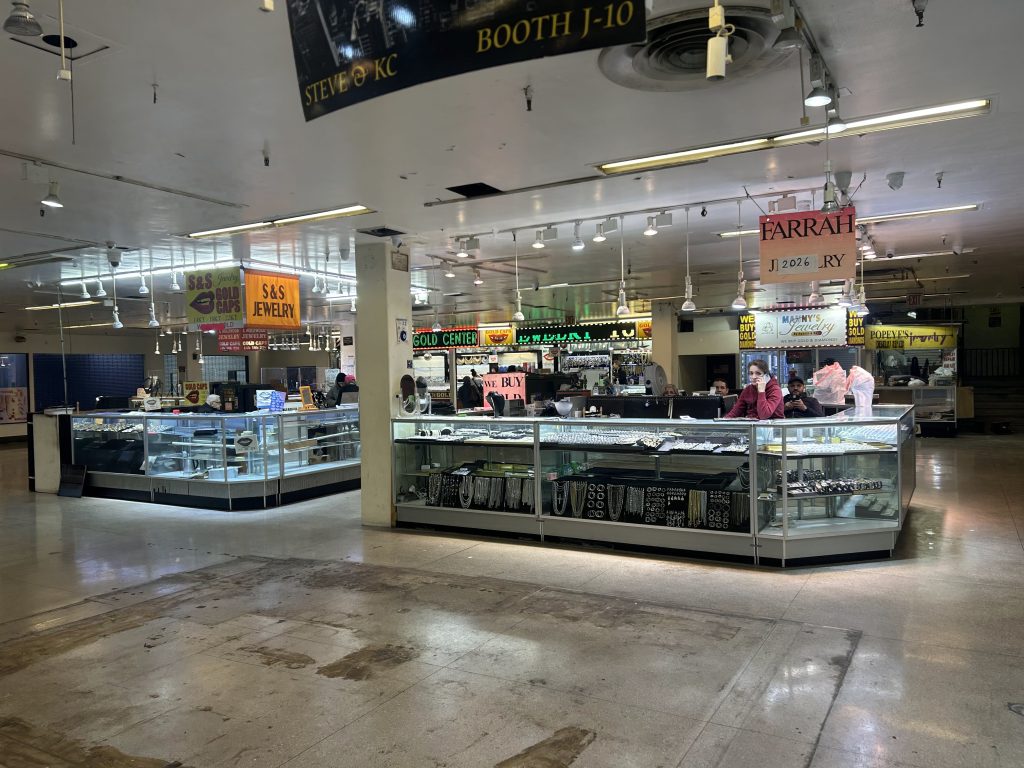
Several merchants told The Queens Ledger that the MTA’s decision to relocate service from the old 165th Street Bus Terminal to a temporary terminal on 168th Street delivered a major blow to the steady stream of commuters who once sustained the mall’s shops.
“The Colosseum has been a beacon for small businesses for the last 40 years,” said Peter Lohani, son of Prakash Lohani, owner of Hitech Jewelers, which has operated inside the mall for 15 years. “Every business that you have patronized in the Colosseum has been a mom-and-pop and mostly immigrant business. This is a dying breed in New York City.”
“He’s absolutely right,” said William E. Salmon, owner of Bill Boutique, which has operated a clothing and fur business in the mall for the past 10 years. “They relocated all the traffic to Archer Street, to the Archer train station. So nothing comes this way.”
For years, Salmon said, commuters exiting nearby transit hubs would naturally spill into the mall, creating steady business throughout the day and into the night. “Many years ago, everything used to come down 169th Street and would just trickle into here,” he said. “They used to have nightlife. They don’t have that no more.”
The demolition of nearby buildings to make way for a large private redevelopment project further accelerated the mall’s decline, leaving once-busy corridors increasingly quiet.
The mall was already facing uncertainty during the pandemic, when shifting traffic patterns caused some loyal shoppers to drift away.
As foot traffic continued to fall, the property at 89-02 165th St. was listed for purchase or lease in July 2025, as reported by The Queens Chronicles, signaling the owner’s intent to transition the site to new uses. The mall had previously been listed for sale in 2015 at $45 million.
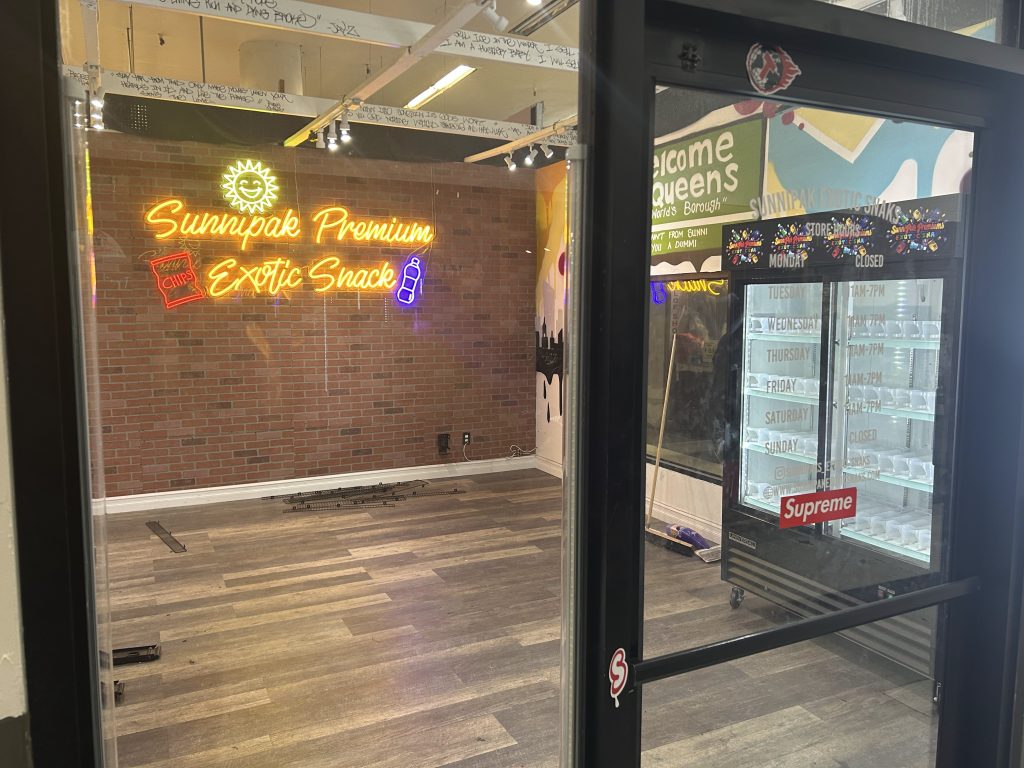
For vendors, the downturn created an impossible equation: how could they continue paying rent on time when fewer people were walking through the doors each day?
Brij Nayyar, owner of Ace Leather Inc., said the sudden shutdown came after years of mixed messages from management.
Despite persistent rumors that the mall might be sold, vendors were repeatedly reassured it would remain open.
“Every year we asked, because there were rumors,” Nayyar said. “They always told us, ‘No, it’s not sold. Don’t worry.’ And then all of a sudden, they give us 20 days and tell us to leave.”
Nayyar, who has operated his leather business in the mall for more than 33 years, said the timing of the closure was especially damaging.
Ace Leather’s business is seasonal, with winter traditionally bringing the strongest sales.
“The whole year I pay the rent, and this is the time I make money. Now they are throwing us out in the winter. We have nowhere to go in 20 days.”
Despite the mall’s reputation among some as a flea-market-style shopping center, Salmon said his business operated at a higher end and attracted customers from across the region.
“I sell furs from $2,000 up to $20,000,” he said. “Rappers have bought stuff from me. I never really felt that effect because I had high-end merchandise.”
Salmon said he had no direct relationship with the building’s owners and was contacted only by management regarding the closure.
He was told Jan. 31 would be the final day of sales, followed by a 60-day window to remove merchandise.
Now preparing to relocate his business to Lynbrook on Long Island, Salmon said he is focusing on what comes next rather than dwelling on what’s being lost. “Everything comes to an end,” he said. “They’re changing the whole climate around here. There’s really nothing you can do.”
“Some of the vendors I spoke to have announced that they’re going to retire from the business altogether,” Lohani said. “Others have already found new locations. And then there’s people like myself who have no clue where we’re gonna go.”
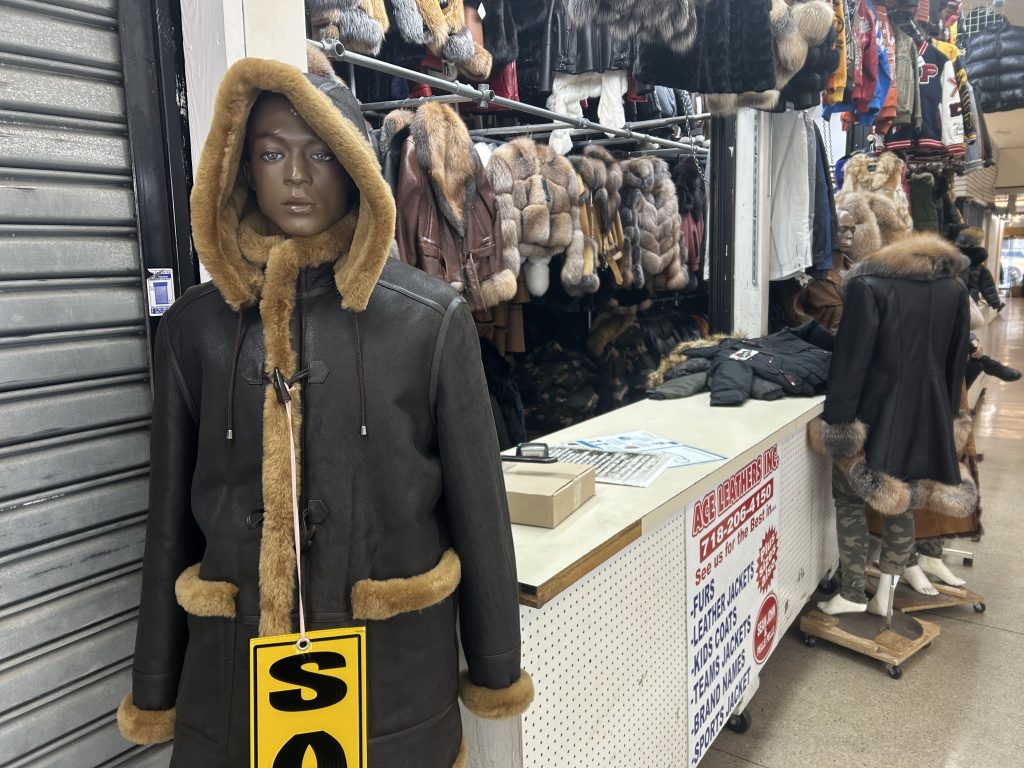
As the Jamaica Colosseum Mall prepares to shutter its doors, the space that once revitalized Downtown Jamaica after widespread disinvestment and abandonment in the 1970s and contributed to the borough’s hip-hop legacy, The Amsterdam News reported.
The mall played a notable role in hip-hop culture, hosting music videos by LL Cool J and Wu-Tang Clan, serving as a hangout for locals like 50 Cent and Run-DMC, Jay-Z was known to shop at the mall with his rap mentor Jaz-O, launching FUBU (For Us By Us, founded by Daymond John).
As the Jamaica Colosseum Mall prepares to shutter its doors, the space is expected to play a role in the broader redevelopment of Downtown Jamaica under the Jamaica Neighborhood Plan.
According to Tom Grech, president and CEO of the Queens Chamber of Commerce, the rezoning initiative will transform 230 blocks into 12,000 housing units and other infrastructure projects.
“I would not be surprised if it had a component of first-floor retail, but also some housing in that area,” Grech told the Chronicle.
The Queens Ledger has reached out to Jamaica Colosseum Mall administrators for comment.