
Residents Asked to Weigh In on Local Service Gaps
By MOHAMED FARGHALY
mfarghaly@queensledger.com
New York City officials are urging residents to take part in a citywide Community Needs Assessment, an effort designed to give communities a direct voice in how public resources, programs and services are prioritized across neighborhoods.
The assessment, led by the Department of Youth and Community Development, is conducted every three years and plays a central role in guiding funding decisions, particularly in communities experiencing high levels of poverty. City officials say participation from residents is critical to ensuring programs reflect real, local needs.
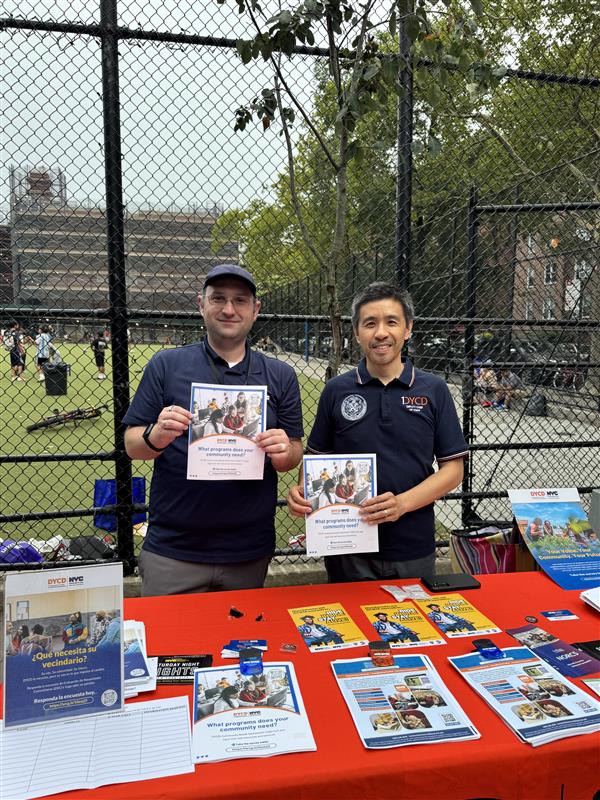
“This is an opportunity for us to ask New Yorkers who live and work in different neighborhoods what the highest presenting needs are in their community,” said Mike Bobbitt, DYCD’s deputy commissioner for community development.
DYCD oversees a broad range of youth, workforce and community development initiatives, working extensively through nonprofit organizations across all five boroughs. Bobbitt said the agency funds thousands of nonprofits and delivers services ranging from after-school programs and workforce development to literacy, entrepreneurship and support for older adults.
“We work extensively through nonprofits to get the job done,” Bobbitt said. “We believe nonprofit organizations understand local needs, and when they apply for programs like after-school or workforce development, they have people who really understand, in a very hyper-local way, the populations they serve.”
As the city’s designated community action agency, a role dating back to President Lyndon B. Johnson’s War on Poverty, DYCD is required to conduct the assessment to help determine how federal and city funds are allocated. Bobbitt said the process is central to the agency’s anti-poverty mission.
“We are always trying to listen very carefully and respond directly and helpfully to individuals and families experiencing poverty,” he said.
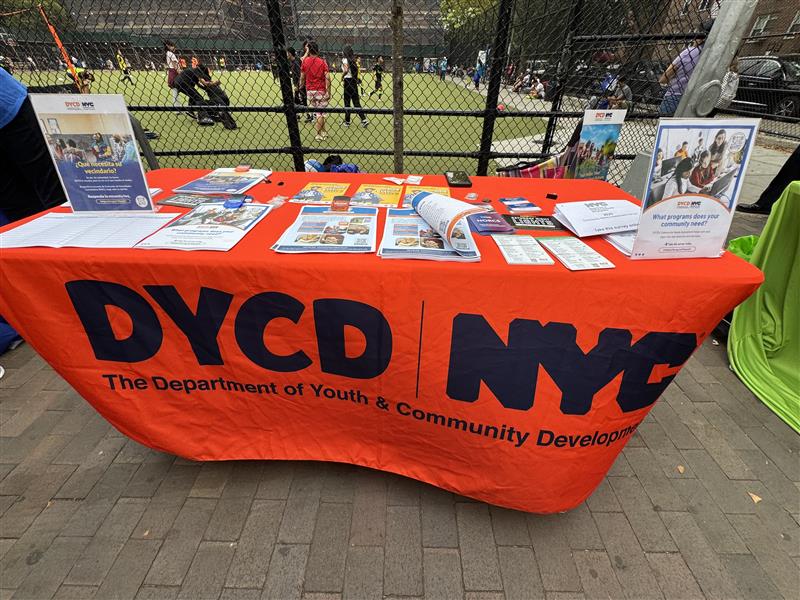
Residents can participate through street canvassing, public hearings in 41 high-poverty neighborhoods, or an online survey that takes about 10 minutes to complete. Public hearings are offered in a hybrid format, allowing participants to attend either in person or virtually.
“The most important question residents can answer for us is what they needed but haven’t been able to get,” Bobbitt said.
That feedback is analyzed to identify what DYCD calls “needs gaps,” which directly influence where funding is directed through programs such as the Neighborhood Development Areas initiative. If a neighborhood shows high unmet demand for food assistance, housing help or employment services, DYCD works to ensure funded programs in that area are positioned to respond.
“When we see many people in a particular neighborhood saying they needed something and didn’t get it, that informs our funding decisions,” Bobbitt said.
DYCD has expanded outreach in recent years by partnering with other city agencies, faith-based organizations and the private sector to reach residents who may not otherwise participate.
“We want to hear from the educational sector, the faith sector, the private sector, as much as we want to hear from New Yorkers generally,” Bobbitt said. “The more feedback we get, the clearer it becomes which needs should rise to the top.”
Participation is open to all New Yorkers ages 14 and up, and Bobbitt emphasized that individual responses collectively lead to tangible outcomes.
“It’s about 10 minutes of your time,” he said. “When we tally the results, we can align programs we already know work with the needs residents are telling us matter most.”
Once completed, the assessment results will be published on DYCD’s website and shared with other city agencies. The findings will also guide future requests for proposals, allowing nonprofits to apply for funding based on clearly identified neighborhood priorities.
“This is a tool we can use to direct resources where they are needed most,” Bobbitt said. “It helps ensure programs are fair, transparent and focused on serving New Yorkers.”
The survey can be found at tinyurl.com/DYCDSurvey.