
Mayor and Governor Fast Track Universal Child Care in NYC

Courtesy Governor and Mayors Office

Mamdani, Hochul Launch Free Child Care Program 

By MOHAMED FARGHALY

Mfarghaly@queensledger.com

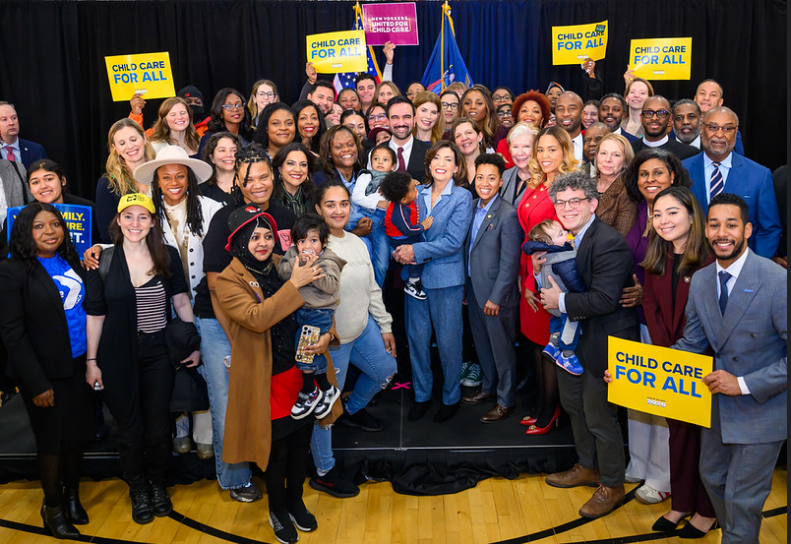
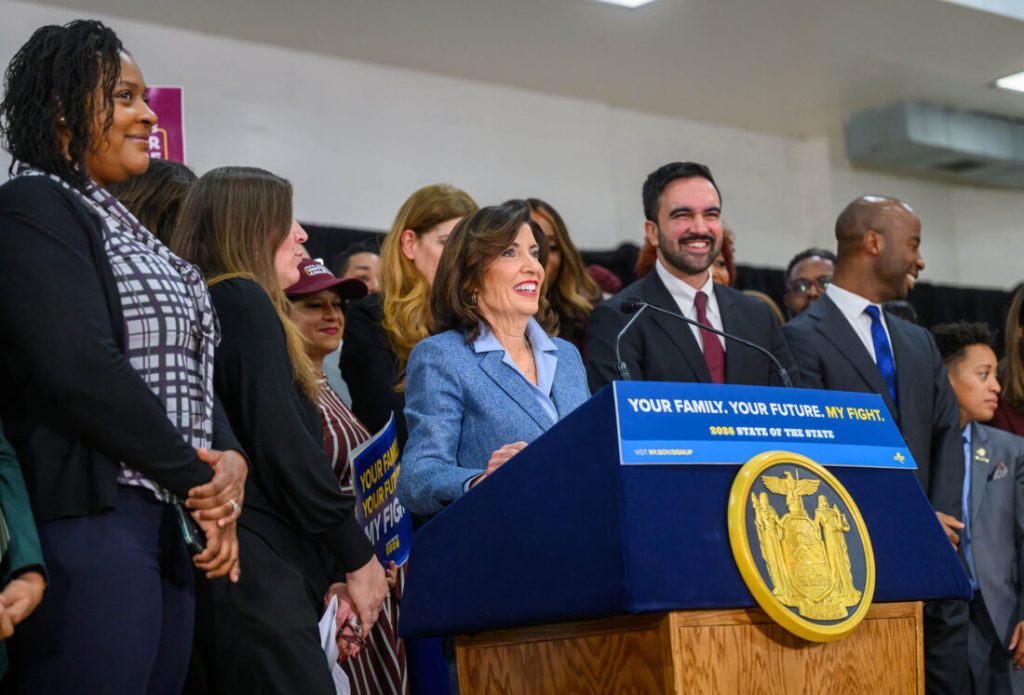
Just days after taking office on Jan. 1, Mayor Zohran Mamdani and Gov. Kathy Hochul announced a far-reaching partnership to launch free child care for two-year-olds in New York City, fast-tracking one of Mamdani’s central campaign promises and signaling an unusually swift alignment between City Hall and Albany.

The initiative, part of a broader statewide push toward universal child care, will expand New York City’s early education system by introducing a new “2-Care” program while strengthening the existing 3K program to finally achieve universal access. Hochul committed the state to fully funding the first two years of the city’s rollout, with the program initially targeting high-need neighborhoods before expanding to all interested families citywide by its fourth year.

The announcement comes less than two weeks into Mamdani’s mayoralty and reflects an early effort by the new administration to translate campaign pledges into policy. Free child care was a centerpiece of Mamdani’s bid for office, framed as a necessary response to rising living costs and the financial strain facing working families across the city.

The city-state agreement is also a major component of Hochul’s latest plan to deliver affordable, universal child care for children under five across New York. Through a combination of universal Pre-K expansion, the launch of 2-Care in New York City, new community-based care pilots and expanded child care subsidies, the state estimates nearly 100,000 additional children will gain access to affordable care.

“There’s one thing that every family in New York can agree on, the cost of childcare is simply too high,” Hochul said. “As New York’s first mom Governor, fighting for New York’s families has always been at the core of my agenda. Since taking office, I’ve put families front and center, fighting to make our state more affordable and laying the groundwork to deliver universal childcare. Today, I’m proud to partner with Mayor Mamdani and leaders across our state to make this a reality, turning that foundation into a concrete roadmap that will transform the lives of working parents and kids across our state.”

Mamdani described the agreement as the culmination of a grassroots political movement and a demonstration of what coordinated government action can deliver. “Over the past 14 months, a movement was born to fight for a city where every New Yorker could afford a life of dignity and every family could afford to raise their kids. Today, Governor Hochul and I meet that movement as we celebrate our joint commitment to universal child care,” he said. “This victory represents much more than a triumph of city and state government working in partnership—it is proof that when New Yorkers come together, we can transform the way government serves working families.”

Beyond New York City, Hochul’s plan commits the state to making Pre-K truly universal. While four-year-olds in many districts already have access, dozens of school systems statewide still lack full programs. Under the proposal, all four-year-olds in New York will have access to Pre-K by the start of the 2028–29 school year.

To achieve that goal, the state will fund additional seats while also increasing support for existing programs, raising per-pupil funding to at least $10,000 or the district’s foundation aid level, whichever is higher. The combined investment is expected to total roughly half a billion dollars and is aimed at ensuring children enter kindergarten ready to learn.

Hochul’s announcement builds on years of increased state spending on child care. Since taking office, she has more than doubled the number of children served by child care vouchers, expanded eligibility by raising income thresholds, capped weekly costs at $15 for most families receiving subsidies and increased reimbursement rates for providers by nearly 50%. The state has also invested more than $150 million in capital funding to support the creation of thousands of new child care seats.

In New York City, the new 2-Care program is designed to extend the city’s early education system downward in age, complementing universal Pre-K and 3K. The state’s commitment to fund the first two years of implementation is intended to stabilize the program as the city builds capacity and enrollment. At the same time, Hochul and Mamdani said they will work together to address long-standing challenges within the 3K system to ensure it delivers on its promise of universal access.

The governor also announced plans to expand child care assistance statewide, with an additional $1.2 billion investment that will bring total spending on subsidies to more than $3 billion. That funding would support tens of thousands of additional families, most of whom would pay little or nothing out of pocket for care.

Outside of New York City, the state will pilot new community care models beginning in 2026, partnering with counties ready to move toward universal, full-day, year-round child care regardless of family income. Those programs will be developed jointly by local governments, child care coordinating entities and the state.

To oversee the sweeping changes, Hochul said the state will launch a new Office of Child Care and Early Education, tasked with coordinating universal Pre-K, 3K expansion, the rollout of 2-Care, subsidy programs and workforce development.

For Mamdani, the early announcement underscores an effort to demonstrate momentum at the start of his term. For Hochul, it reinforces a broader vision of universal child care as both an economic policy and a quality-of-life issue. Together, the two leaders framed the agreement as a turning point — and as proof that rapid city-state collaboration can deliver tangible results for families almost immediately after an election.

Super Flu Surges Through NYC 

Courtesy NYC.Gov

Record Flu Cases Hit New York City 

By MOHAMED FARGHALY

Mfarghaly@queensledger.com

Millions of Americans are grappling with influenza as the 2025-2026 flu season intensifies across the United States, sending hospitalizations soaring and prompting renewed public health warnings. Health experts say the outbreak, fueled by a particularly severe strain of the virus, may continue for weeks as people return to work, school, and other public spaces following the holiday season.

According to the U.S. Centers for Disease Control and Prevention, at least 41 states are reporting “high” or “very high” flu activity, and visits to doctors for flu-like symptoms have reached levels not seen in nearly three decades. Nationwide, the CDC estimates that influenza has already sickened more than 15 million people, led to roughly 180,000 hospitalizations, and claimed the lives of at least 7,400 individuals, including 17 children. Experts caution that the actual numbers are likely higher, as many cases go unreported.

The 2025-2026 season is outpacing last year’s epidemic, which the CDC had classified as “high severity.” Public health officials are urging vaccinations, especially as some of the most heavily impacted areas, including New York, are experiencing record-setting outbreaks.

“When people refer to a ‘super flu,’ they’re describing how intense and widespread this flu season feels, not a new virus. What we’re seeing in New York is a combination of high community transmission, lower vaccination rates, and winter conditions that allow flu to spread more easily. Together, those factors can lead to more severe illness” said  Dr. Maja Castillo, Healthfirst Medical Director.

In New York State, hospitals in the Capital District have reinstated mask requirements for visitors amid the surge, signaling a temporary return to precautions reminiscent of the COVID-19 pandemic. “Masks are making a comeback in 2026,” one official noted, highlighting the seriousness of the current outbreak.

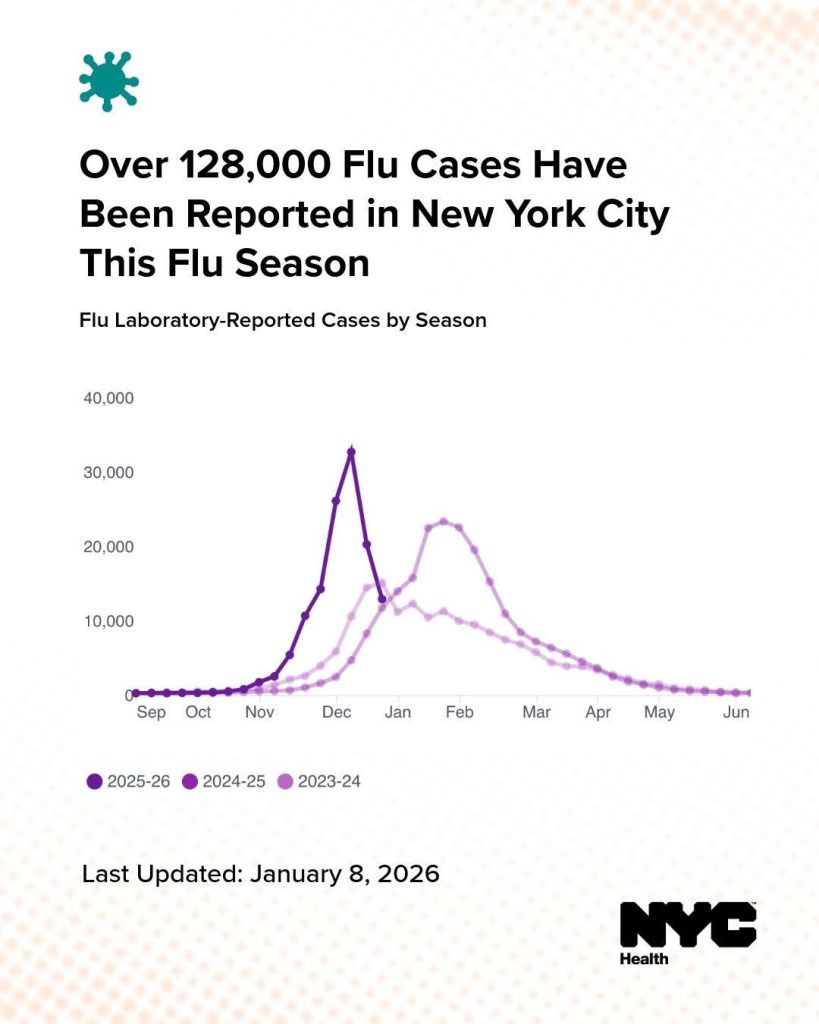
The New York City Department of Health and Mental Hygiene reported that flu cases this season have already exceeded the peak levels of the previous two seasons. A strain of Influenza A, known as H3 or H3N2, has dominated the state’s cases. Ninety-five percent of reported cases in New York have been Influenza A/H3, while just 5% were Influenza A/H1, according to the department’s latest data. Nationwide, H3N2 has also been the dominant strain, accounting for roughly 86% of Influenza A infections.

Influenza, a contagious respiratory illness caused by influenza viruses, can infect the nose, throat, and lungs, leading to mild to severe illness and, in some cases, death, the CDC said. Typical symptoms include cough, sore throat, runny or stuffy nose, body aches, headache, and fatigue.

This season, some doctors have noted unusual gastrointestinal symptoms among patients infected with the H3N2 “super flu.” Reports indicate that many individuals, particularly children, have experienced vomiting of yellow bile, likely caused by suppressed appetite and stomach irritation. Diarrhea has also been observed more frequently in children than adults, raising concerns about dehydration and complications such as bacterial pneumonia.

Data from the New York State Department of Health shows Staten Island alone reported 1,297 flu cases in a single week ending Dec. 27, including 1,035 Influenza A cases, 24 Influenza B cases, and 238 unspecified strains. New York City, unsurprisingly, leads the state in overall cases due to its population density, though statewide totals have reached unprecedented levels this season. Flu activity generally peaks between December and February, suggesting the outbreak may continue for several more weeks.

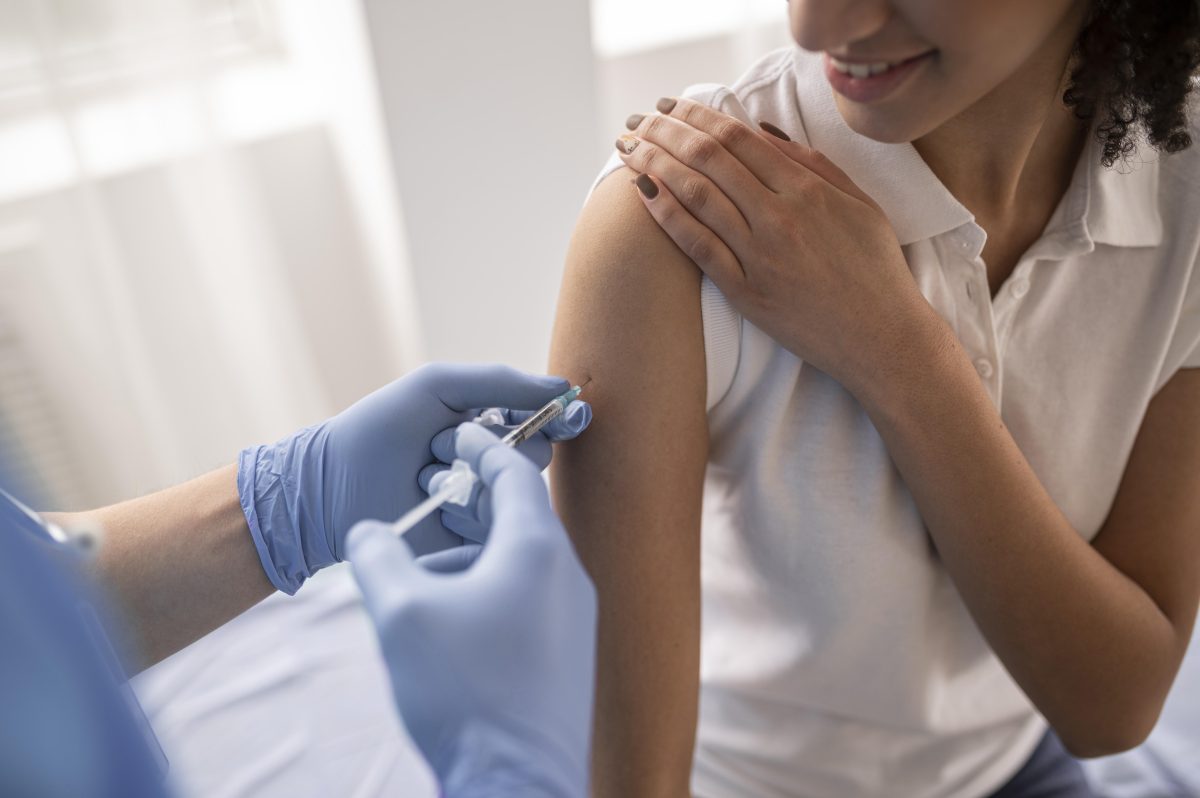
Medical experts caution that the current H3N2 strain is only moderately covered by this year’s flu vaccine, which was formulated months in advance. Combined with declining vaccination rates nationwide, this leaves more people vulnerable to infection and increases the potential for widespread transmission. The CDC recommends that individuals at high risk—such as older adults, young children, pregnant people, and those with underlying medical conditions—seek antiviral treatment promptly if they develop flu symptoms.

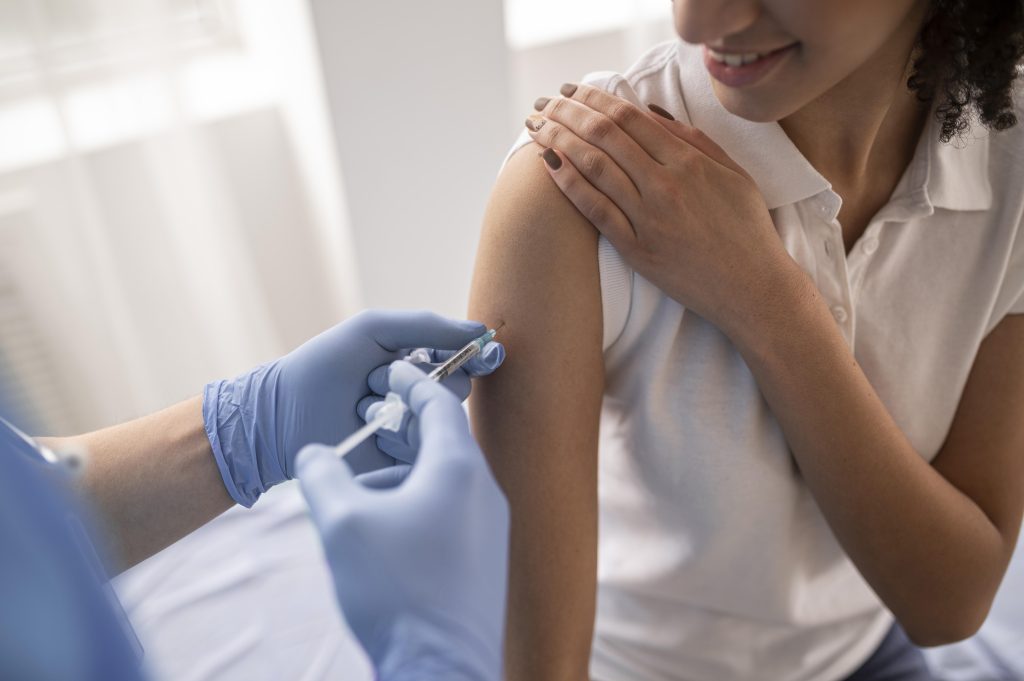
Public health officials are urging all eligible individuals to get vaccinated, practice hand hygiene, and stay home when sick to limit the spread of the virus. While antiviral medications can reduce the severity of illness if administered early, prevention remains the most effective tool.

Courtesy Freepik 

“This flu season has already proven to be more severe than many expected, but we still have effective tools. Vaccination, early recognition of symptoms, and antiviral treatment—especially when started within the first 48 hours—can significantly reduce complications and prevent hospitalizations, particularly for children, older adults, and people with chronic conditions,” Castillo said.

As the flu continues to sweep through communities, hospitals are preparing for sustained high patient volumes. The CDC reminds Americans that influenza can affect anyone and encourages vigilance, particularly in crowded settings such as schools, offices, and public transportation.

This flu season serves as a stark reminder that, even after years of navigating COVID-19, seasonal influenza remains a significant public health threat. Experts say that staying current with vaccinations, wearing masks in high-risk settings, and seeking early medical care for flu symptoms are key to mitigating the impact of this year’s outbreak.

The New York Governors Race is Heating Up Quickly

We are barely halfway through January and the first poll in the race for governor of New York has dropped. Zogby Strategies, a well- known national polling firm conducted an online poll of 844 likely NY voters. What is shows will come as little surprise to most, that head to head Gov. Hochul is up 53% to 39% over the expected Republican nominee, Nassau County Executive Bruce Blakeman.

It is, of course, ridiculously early in the process. The state conventions will be held in early February, where the constituted party organizations will decide who will automatically be on the primary ballot. Hochul is likely to be the only Democrat to be voted onto the ballot at the convention, and with Rep. Elise Stefanik out of the race the same goes for Blakeman, who should have the Conservative Party line locked up as well.

For Hochul, it remains to be seen what will happen with the Working Families Line. They endorsed Jumaane Williams in 2022, but he withdrew after Hochul won the Democratic Primary that June. Doing otherwise could have jeopardized their ballot status going forward. But the relationship between the left wing WFP and the more moderate Hochul has been very transactional. Hochul just signed legislation benefitting the Party and their ability to control who gets their line. That and her willingness to work with socialist NYC mayor Mamdani should win her their good will in the short term.

Then comes the petition process, where anyone can petition to get on the ballot either against one of the party organizations pick in a primary, or as an independent candidate in the November General Election. And that’s where this could get more interesting.

Should Hochul get another Democrat in the primary, it would most likely be seen as an annoyance for her. She is popular with her party base and has balanced herself fairly well between the socialists and the moderates in the Party. A primary for Blakeman would be a different situation. Blakeman is still not well known outside of Long Island and while a primary could fast-track his introduction, it could also change how he introduces himself to the voters he needs to be competitive come November.

Then there are the third party candidates. They often don’t have a big impact in elections, but in this election that could be different. Perennial candidate Larry Sharpe, who was the Libertarian Party candidate for Governor twice before, is running again. Sharpe has built a following, can raise money, and the new matching funds program could be a huge boost for him. The Zogby poll numbers change dramatically with Sharpe factored in, with Hochul dropping to 49%, Blakeman to 34%, and Sharpe taking 8% of likely voters.

Again, it’s extremely early in the process, and any decent political consultant will tell you that this is why we have campaigns. The next nine months are when the candidates need to make their case to the voters. Some candidates do that very well and the outcome of the race is different than originally expected. And sometimes they do that poorly and get number below what anyone thought possible. The 2025 race for mayor is the perfect example of how that dynamic can change over the course of the year.

Right now Sharpe is taking votes almost equally from both candidates, but again, that can change. If either major party candidate shows any vulnerability or weakness, that will surely be exploited just as Mamdani was able to successfully do so against Cuomo, twice.

This is where politics most resembles professional sports. Sometimes things go exactly as expected, and sometimes we get a huge surprise. But you never really know which until the game is over. Teams wining big at halftime sometimes still lose, and sometimes the leader never looks vulnerable and coasts to victory. It’s the uncertainty that makes it all very interesting and makes the political game fun to play. And fun to write about.

New Laws Take Effect in NYC in 2026


Courtesy Freepik

Minimum Wage, Sick Leave and Health Rules Change

By MOHAMED FARGHALY

mfarghaly@queensledger.com

A sweeping set of new laws taking effect in 2026 will bring significant changes for New York City residents, expanding worker protections, reshaping health care coverage and strengthening consumer rights as the city and state continue to respond to rising costs and workplace concerns.

One of the most consequential changes for city workers is the expansion of New York City’s Earned Safe and Sick Time Act. Beginning in late February, employers will be required to provide workers with up to 32 hours of unpaid safe or sick time in addition to existing paid leave. The unpaid time will be available immediately upon hiring and at the start of each benefit year, while the law also broadens the reasons workers may use safe or sick leave. The changes replace the city’s Temporary Schedule Change Law and are expected to affect hundreds of thousands of employees across industries.

Minimum wage increases will also directly impact city residents. Starting Jan. 1, the minimum wage rises to $17 per hour in New York City, matching increases in Long Island and Westchester County. Tipped workers will see corresponding increases in cash wages and tip credits, while salary thresholds for certain exempt employees will rise, expanding overtime eligibility for many workers.

Beautiful family standing at the cash counter buying groceries at the supermarket

Health care costs and access are another major focus. New laws taking effect at the start of the year require insurers to cap out-of-pocket costs for medically necessary EpiPens at $100 annually and mandate coverage for breast cancer screening and diagnostic imaging when recommended by a physician. Large group health plans will also be required to cover scalp cooling systems used during chemotherapy, a benefit aimed at reducing the financial burden of cancer treatment for patients.

Beyond insurance coverage, the state is moving to strengthen health care systems that serve city residents, including investments in Medicaid, expanded mental health initiatives and new workplace violence prevention requirements for health care employers. Hospitals will be required to implement comprehensive violence prevention programs later in the year, reflecting growing concerns about worker safety.


New York will also allow terminally ill residents with less than six months to live to access medical aid in dying. The law, set to take effect six months after its January signing, permits eligible patients to request prescribed medication to end their life under strict medical oversight. It includes safeguards to ensure that patients are fully informed and capable of making the decision, requiring confirmation from multiple health care providers and opportunities for patients to rescind their request at any time. The legislation marks a significant expansion of end-of-life options for city residents, providing a legal framework for those facing terminal illness to make deeply personal choices about their care and quality of life in their final months.

Consumer protections are also expanding, with several laws designed to address common frustrations for city shoppers. Online subscription cancellations must be easier, retailers will be required to clearly post return and refund policies, and new rules will govern “buy now, pay later” loans. Another law targets so-called surveillance pricing by requiring businesses to disclose when prices are set by algorithms that use consumers’ personal data, a practice increasingly common in online commerce.

For New Yorkers navigating daily work and city life, additional protections are coming into force. Health care employers must implement workplace violence prevention plans and provide training on sexual harassment and assault. Employers will be barred from retaliating against workers who request reasonable accommodations, and new limits will apply to the use of consumer credit history in employment decisions, extending protections already familiar to city workers.

Several city-specific measures are also set to roll out. Amendments to the safe and sick leave law codify paid prenatal leave requirements and expand permissible uses of leave for caregiving, housing-related legal proceedings and public emergencies. New minimum pay standards and safety rules will take effect for grocery delivery and other contracted delivery workers, while proposed legislation could give drivers and app-based delivery workers new rights to challenge wrongful deactivations if enacted.

Not all planned changes are moving forward on schedule. A state law requiring certain new buildings to rely on electric heat and appliances has been temporarily suspended while legal challenges play out, delaying its impact on new developments in the city.

As 2026 begins, the volume and scope of new laws underscore a rapidly evolving legal landscape for New York City residents. From paychecks and paid leave to health care bills and online purchases, the changes are expected to touch many aspects of daily life in the nation’s largest city.

Queens Teens Targeted in Weeklong Knife Robbery Spree

New York City police are searching for two suspects accused of carrying out a string of robberies across Queens last month, targeting teenagers and young men for their winter jackets, sneakers and other valuables.

According to police, the robberies occurred within the confines of the 110th Precinct over the course of a week in December, primarily in the neighborhoods of Corona and Elmhurst. In each incident, the suspects allegedly approached their victims as a group, surrounded them and demanded property, often while displaying a knife.

The first reported robbery took place on Dec. 12 at about 4:20 p.m., when a 14-year-old boy was confronted near 42-01 99th St. in Corona. Police said the suspects displayed a knife and forcibly removed the teen’s North Face jacket, valued at approximately $220, along with other property. No injuries were reported.

Roughly an hour later, a 13-year-old boy was robbed near 99-31 Corona Ave., also in Corona. Police said the suspects again displayed a knife and stole a backpack valued at about $140, along with other belongings. The victim was not injured.

The suspects resurfaced three days later in Elmhurst. On Dec. 15 at around 2:35 p.m., a 16-year-old boy was robbed near 93-35 Lamont Ave., where police said the suspects demanded his property and forcibly removed a pair of Jordan sneakers valued at $100. No injuries were reported.

Less than an hour later, at approximately 3:30 p.m., a 19-year-old man was robbed near 43-13 Elbertson St. Police said the suspects displayed a knife and stole a North Face jacket valued at about $330, along with other property.

About 15 minutes later, a 21-year-old man was robbed near 46-01 102nd St. in Corona. Police said the suspects displayed a knife and punched the victim multiple times in the face and body before forcibly removing his Balenciaga sneakers, valued at approximately $1,200. The victim was not hospitalized.

The final reported incident occurred on Dec. 19 at around 7:25 p.m., when a 14-year-old boy was robbed near 96-23 42nd Ave. in Corona. Police said the suspects demanded his property and forcibly removed a North Face jacket valued at about $280 and Jordan sneakers valued at approximately $270. No injuries were reported.

Police described the first suspect as a light-complexioned male last seen wearing a black Moose Knuckles jacket, black jeans and white Jordan sneakers. The second suspect is also described as a light-complexioned male who was last seen wearing a black hooded sweatshirt, shorts and black sneakers.

Images of the suspects, obtained from the Dec. 19 incident, have been released by police.

Anyone with information is asked to call the NYPD’s Crime Stoppers Hotline at 1-800-577-TIPS (8477), or 1-888-57-PISTA (74782) for Spanish. Tips can also be submitted online or on X at @NYPDTips. All tips are confidential.

Fill the Form for Events, Advertisement or Business Listing