
How NYC Youth Are Rewriting the Subway Map

How a Youth-Led Group Is Fast-Tracking Subway Fixes
By MOHAMED FARGHALY
mfarghaly@queensledger.com
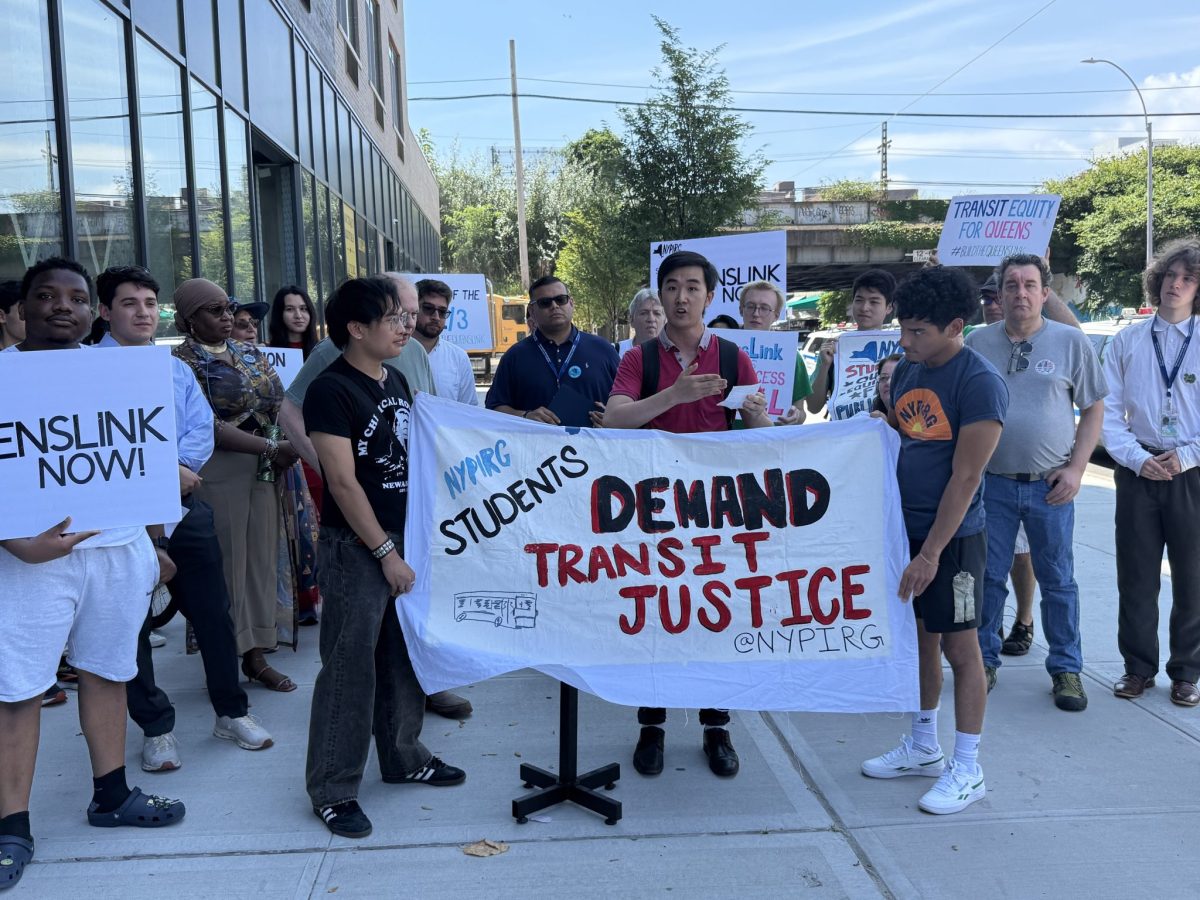
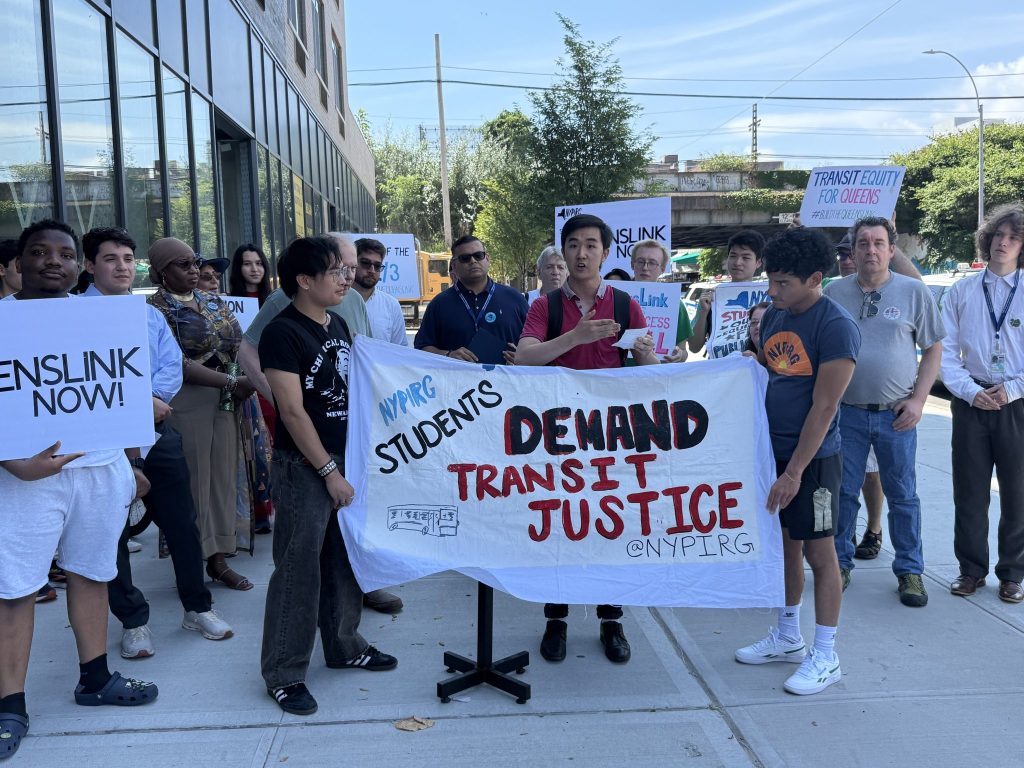
A youth-led transit advocacy group that started as a high school club is making waves in New York City transit circles, building support for a major subway service change while keeping a slate of other improvement campaigns in motion.
The Joint Transit Association (JTA) — formerly the Tech Transit Association — is made up of students and alumni from New York City public schools. The group was officially formed in 2023, when transit clubs at Brooklyn Technical High School and Stuyvesant High School joined forces to create a citywide organization.
Edward Zheng, a member of JTA, traces the origin of his advocacy back to his middle school years, when he first learned about the QueensLink proposal — a plan to convert a disused rail corridor in Queens into a new transit connection.
“I found myself really impressed about how some of a group of people were advocating to build a rail line that’s not too far from where I live,” Zheng said. “Is there any group out there that’s willing to, you know, advocate? Is there any interest in trying to get Queens its, you know, subways, because we don’t have much subways here in Queens?”
That curiosity led Zheng to launch a transit issues club at Brooklyn Tech during the pandemic. “Without much advertisement, we were able to get 30–35 people in a meeting, and I found myself being like, well, wow, I’m not the only weirdo who has an interest in trains,” he said.
When he connected with the Stuyvesant club in 2022, the two groups decided to merge, creating the Joint Transit Association with a broader base of members and a shared focus on advocacy.
One of JTA’s most significant campaigns has been the push for the “F and M Swap,” a service change that would reroute the F and M trains to reduce bottlenecks at Queens Plaza, where multiple subway lines converge.
“Queens Plaza is an absolute mess,” Zheng said. “You have E trains and F trains merging … E and M trains merging … and M and R trains merging … these are absolutely atrocious.”
Zheng said the swap would remove two of the three merges, improving reliability and reducing crowding. The idea gained traction after the MTA temporarily rerouted the F train during a 63rd Street tunnel repair, which demonstrated the benefits.
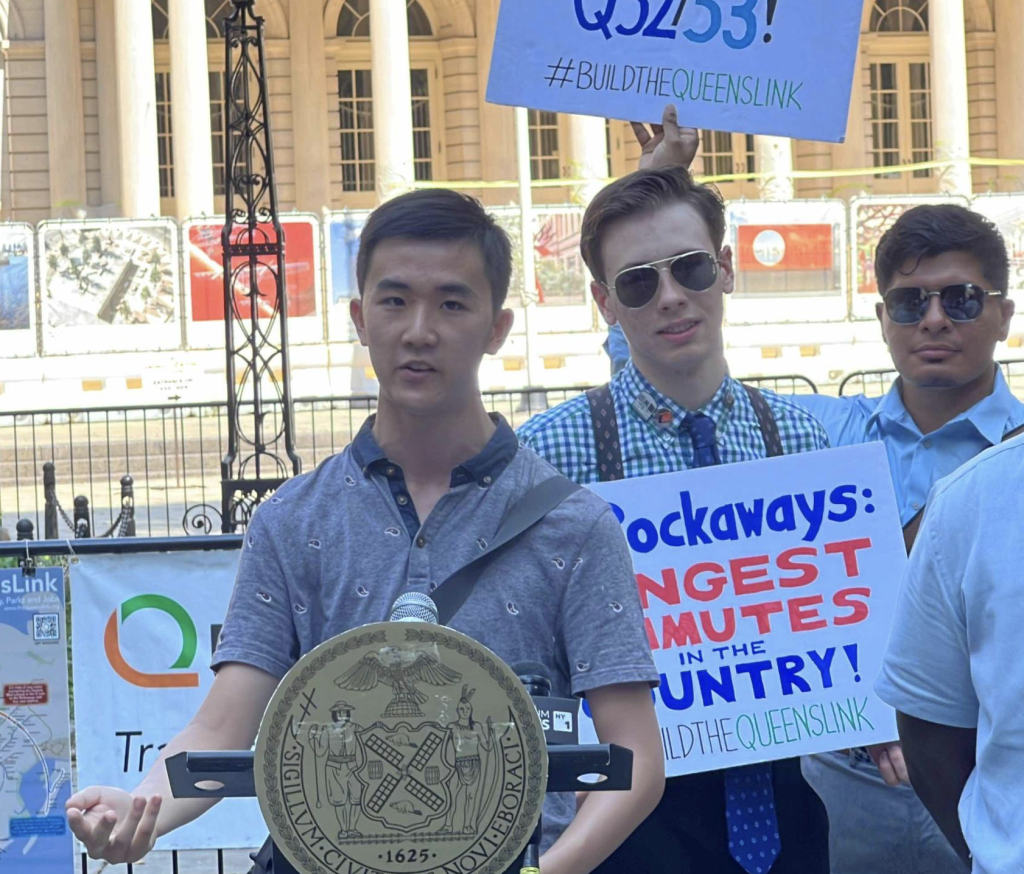
The group’s advocacy included writing proposals, sending dozens of daily emails to officials, and lobbying elected leaders. Zheng credited JTA members — Jeffrey, Justin, Alexa and Scott — for the behind-the-scenes work that kept the effort alive.
“Knowing that all these benefits are happening in part because we, you know, we just constantly talked about this, first to different politicians, then to the public — you know, it works, and that’s like one of the most rewarding parts,” Zheng said.
In June 2024, the MTA confirmed its intent to move forward with the F/M Swap, aiming for implementation in December 2025 pending board approval.
While the swap has been their flagship issue, JTA’s advocacy extends to other projects, including the QueensLink, the 7 Train Project, and the Interborough Express. Zheng said the group supports building the IBX on schedule, automating its operations, and using it as a model for future subway automation in New York. They also support boosting housing construction near IBX stations to address the city’s housing shortage while guarding against displacement.
The group is currently developing a proposal to increase F train frequency during off-peak hours and add more F express service in South Brooklyn. They are also researching ways to restore subway service frequencies cut during the 2010 budget crisis.
“The most rewarding part is showing that politics matters. You know, our voice, it matters,” Zheng said. “That makes it definitely worth it.”
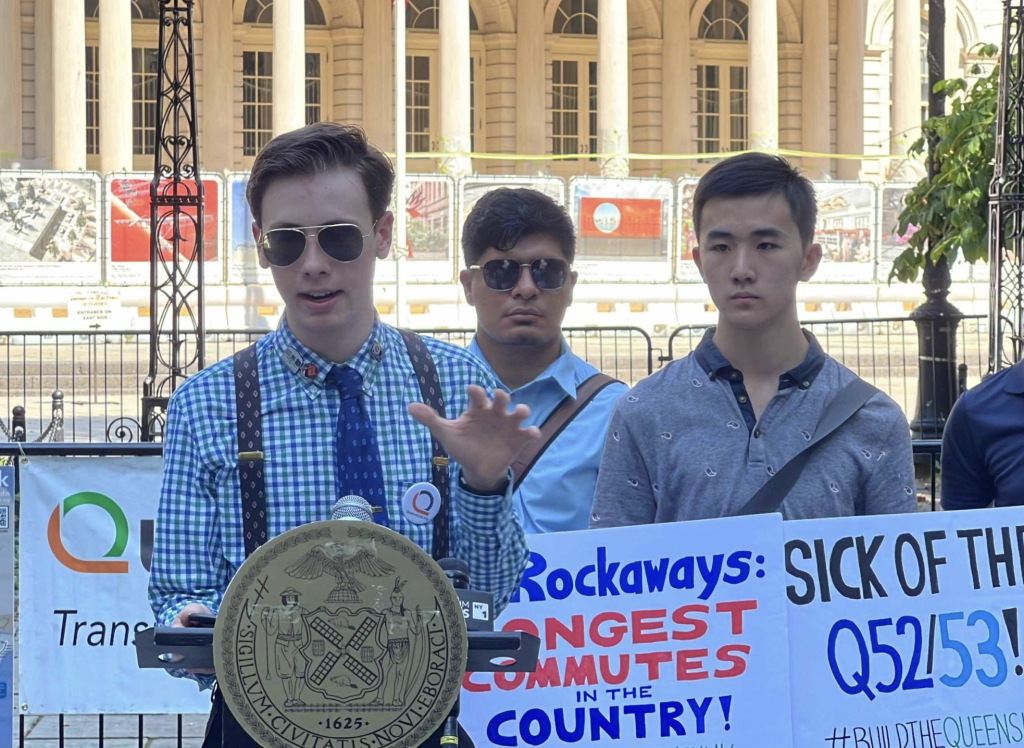
For Zheng, the fight is personal. He remembers waiting at Roosevelt Avenue for an E train to Court Square while several F trains passed by, wishing the swap had been in place.
Edward runs JTA’s YouTube channel and is the group’s primary video producer, handling most of the content himself after asking other members to help and finding few volunteers. The channel serves as JTA’s main outreach tool — publishing explainer videos, launching campaigns such as the F/M Swap, gauging public response, and helping drive petitions, rallies and canvassing efforts. Edward leans on other members for proposal writing, emailing and event work; he also says that after he posts a video he often signs off, but finds seeing audience reactions and support rewarding.
The JTA engages with students, alumni, and the public through its YouTube channel, petitions, rallies, and canvassing at transit-related events. They also collaborate with politicians and community leaders to refine proposals and build political support.
Zheng emphasizes that while he produces much of the group’s video content, the JTA is a team effort. “JTA itself can’t, you know, be functional without other people who constantly help me advocate and write emails and plan events,” he said.
Readers interested in getting involved can email TTA@jointtransit.org.