
MOHAMED FARGHALY
mfarghaly@queensledger.com
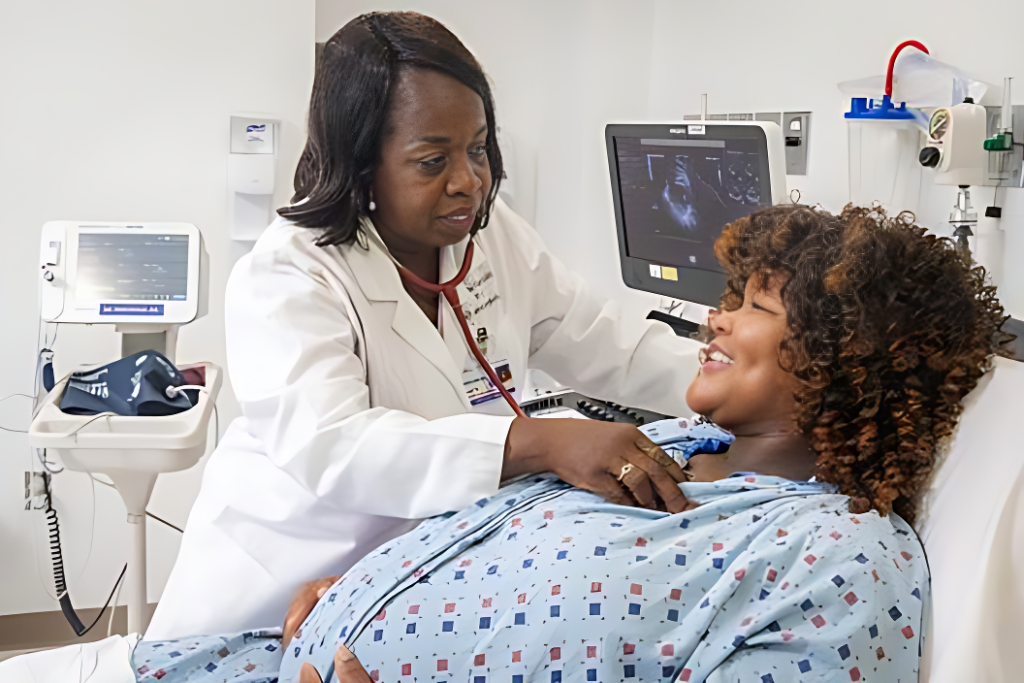
Five hospitals in New York City’s public hospital system have been recognized by U.S. News & World Report as 2026 Best Hospitals for Maternity Care, highlighting the city’s efforts to provide high-quality maternal services across Queens, Brooklyn, and the Bronx. The hospitals named are NYC Health + Hospitals/Elmhurst in Queens, Kings County, South Brooklyn Health, and Woodhull in Brooklyn, and Lincoln in the Bronx.
The recognition comes as part of U.S. News’ evaluation of 817 hospitals nationwide, with only half earning the Best Hospitals designation. Hospitals were assessed on measures including C-section rates for lower-risk pregnancies, severe newborn complications, exclusive breastfeeding rates, birthing-friendly practices, vaginal birth after cesarean, and attention to racial and ethnic disparities. All five NYC Health + Hospitals facilities were recognized for avoiding unnecessary C-sections and achieving above-average rates of vaginal birth after cesarean, a key indicator of safe and patient-centered maternity care.
“So, New York City Health + Hospitals is the largest municipal health system in the United States and the public hospital system for New York City. We’re also the safety net for the city. It is truly significant that five of our 11 hospitals were recognized as best maternity care centers,” said Dr. Wendy Wilcox, chief women’s health officer for NYC Health + Hospitals.
The recognition highlights the system’s work in providing equitable care to some of the nation’s most diverse patient populations. Queens’ Elmhurst Hospital and Brooklyn’s three recognized hospitals serve communities with a mix of languages, cultures, and socioeconomic backgrounds. Wilcox said the hospitals have focused on integrating equity into their practices, including high-fidelity simulation training that uses mannequins representing Black and Brown patients to prepare staff for real-world scenarios. The system also provides extensive translation services and patient education materials written at a sixth-grade reading level to ensure accessibility.
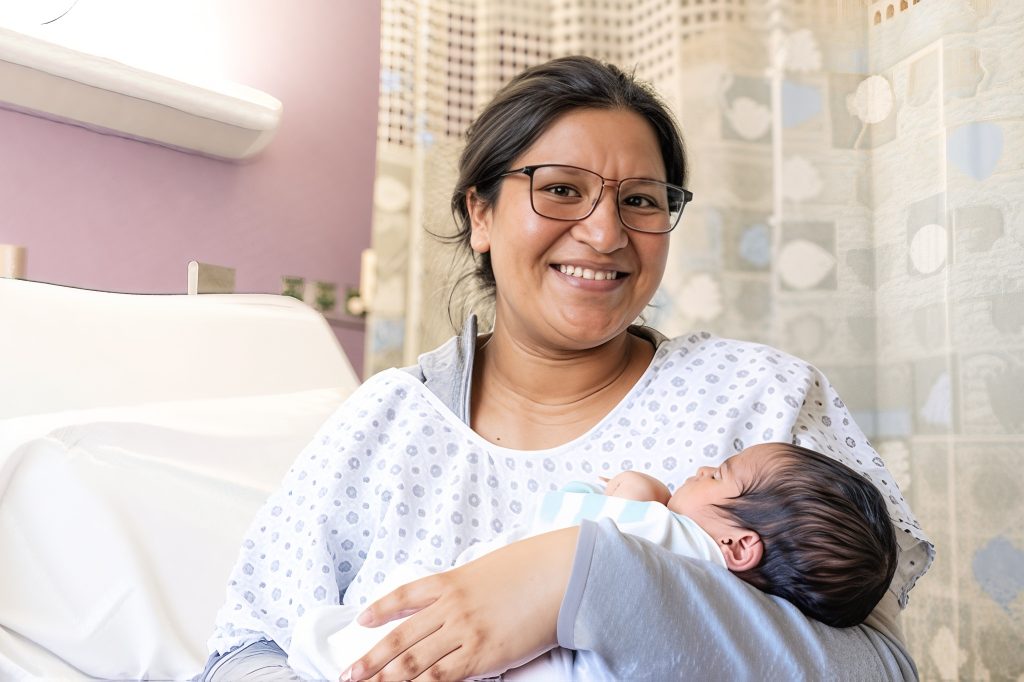
Beyond clinical standards, NYC Health + Hospitals has implemented programs to support families after birth. “We’ve partnered with the city of New York to give out these baby boxes, which contain all the supplies that a newborn and new mother will need in the first few months after birth,” Wilcox said. The boxes include diapers, clothing, blankets, books, and guidance on postpartum care and community resources, distributed to roughly half of the 15,000 annual births at the system’s hospitals.
Wilcox emphasized that patients do not have to prove financial need to receive the boxes, reflecting the hospital system’s approach of providing support without barriers. The hospitals also offer crib distribution programs for families lacking safe sleep options, breastfeeding support, and connections to neighborhood resources including food and diaper banks, shelters, and other social services.
The Brooklyn hospitals recognized by U.S. News have benefited from recent capital investments from Brooklyn Borough President Antonio Reynoso, aimed at improving maternity care services. Renovations at Woodhull and Kings County include new centers for low-intervention births supported by midwives, creating options for families seeking a less medicalized birth experience. South Brooklyn Health has also undergone upgrades to expand patient access and enhance maternity care services.
All 11 acute-care hospitals in the system have received the Baby-Friendly designation from Baby-Friendly USA, reflecting high breastfeeding rates and adherence to safe sleep practices. NYC Health + Hospitals also offers comprehensive obstetric and gynecologic services, including prenatal and delivery care, midwifery, postpartum support, family planning, menopause care, specialty gynecologic treatments, and preventive health services.
“We know that we serve the most diverse patient population in New York City, and probably in the country. Equity is always top of mind,” Wilcox said. She added that the hospitals participate in statewide initiatives such as the New York State Perinatal Quality Collaborative, which promotes respectful care and reduces unnecessary cesarean deliveries.
Wilcox also highlighted the system’s approach to managing high-risk pregnancies and supporting patients with social or behavioral health needs. Programs such as the Maternal Home connect patients with social workers and care coordinators who provide access to housing, nutrition assistance, and behavioral health services, ensuring that families have support both in the hospital and at home.
With these recognition’s, NYC Health + Hospitals aims to continue improving maternal care outcomes while addressing health disparities in some of the city’s most under served neighborhoods. “It’s a full team effort—from doctors and nurses to midwives and social workers—to make sure every mother and baby has the best start possible,” Wilcox said.