
ZARA Charitable Foundation Launches Monthly Food Pantry at Queens Public School as Holiday Costs Rise

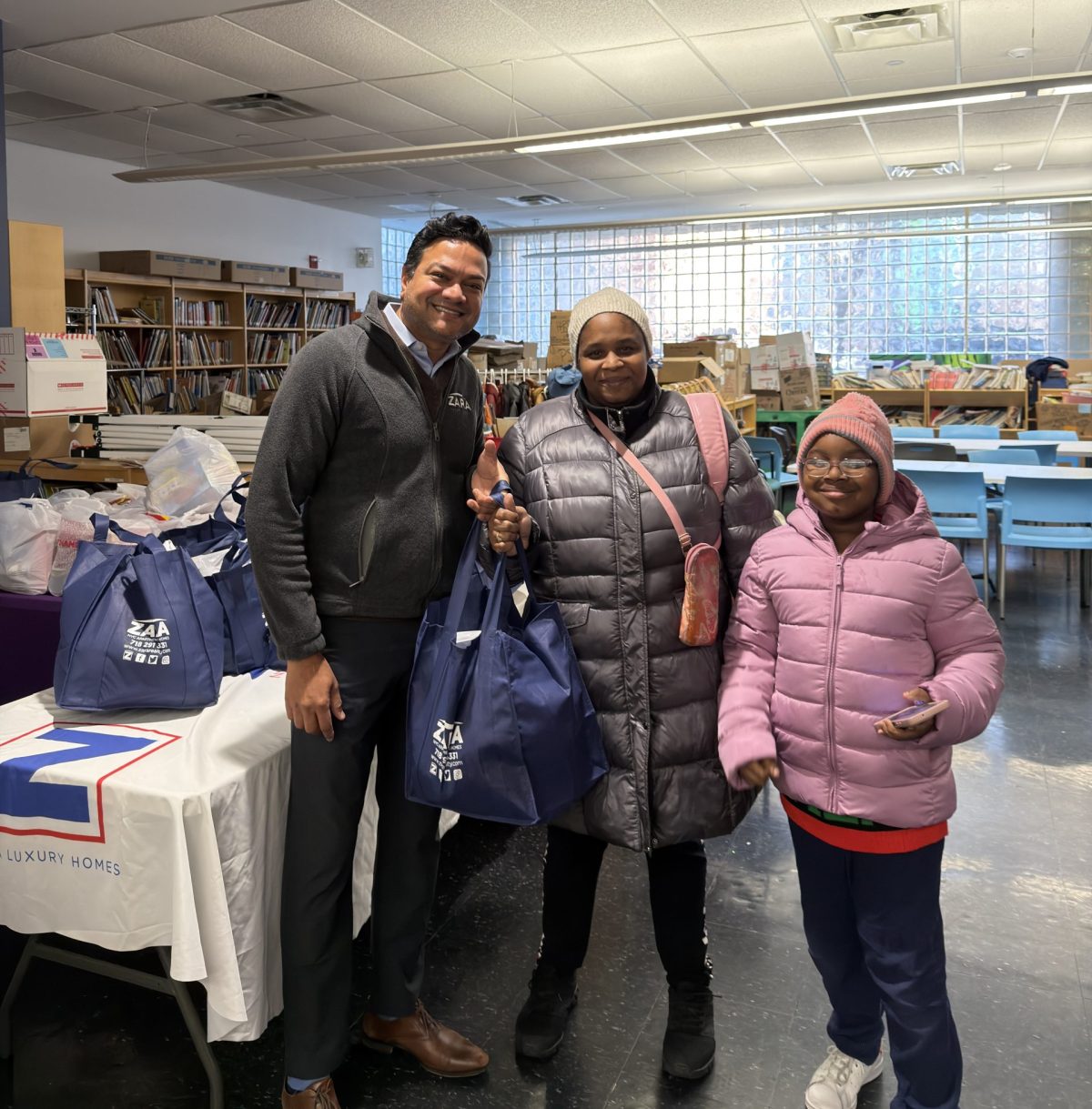
As rising grocery prices and holiday expenses continue to strain family budgets, a new food pantry is opening its doors at a Queens public school to help ease the burden.

The ZARA Charitable Foundation announced this week the launch of a monthly food pantry at P.S. 182Q, the Magnet School of Discovery and Applied Learning, expanding food relief efforts for families in the neighborhood. The program is being run in partnership with The Child Center of New York and Mannan Supermarket, a Queens-based halal grocer that will supply culturally familiar foods.

The pantry will begin service immediately and is expected to assist more than 80 families this month—about 250 individuals—with room to grow as demand increases.
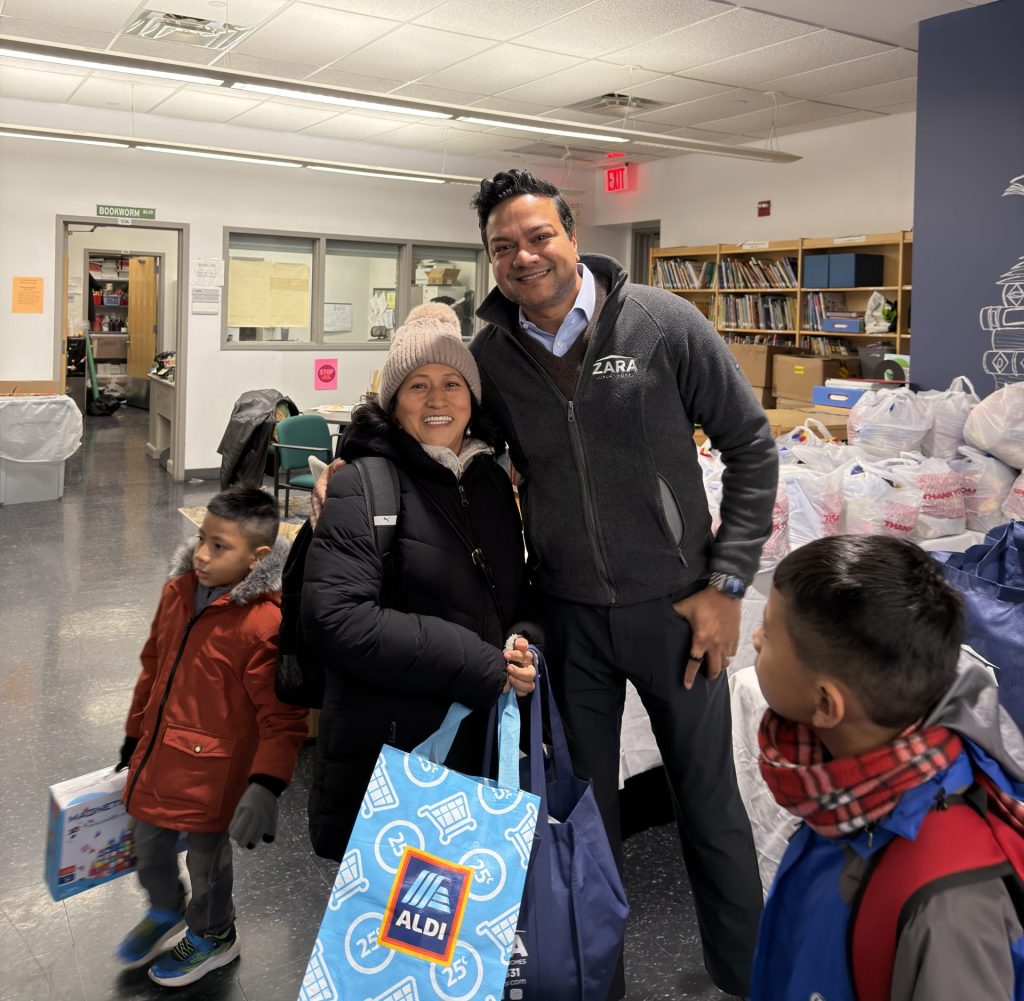
 

“Hunger is a barrier to learning,” said P.S. 182Q Principal Andrew Topol. “This pantry is practical support for our families and a direct investment in student focus, well-being, and success.”

The launch comes at a time when many households are struggling to keep up with food costs. While SNAP benefits recently resumed after a government shutdown, grocery prices remain elevated, running about 2.7 percent higher than last year and roughly 25 percent higher than in 2021.

\
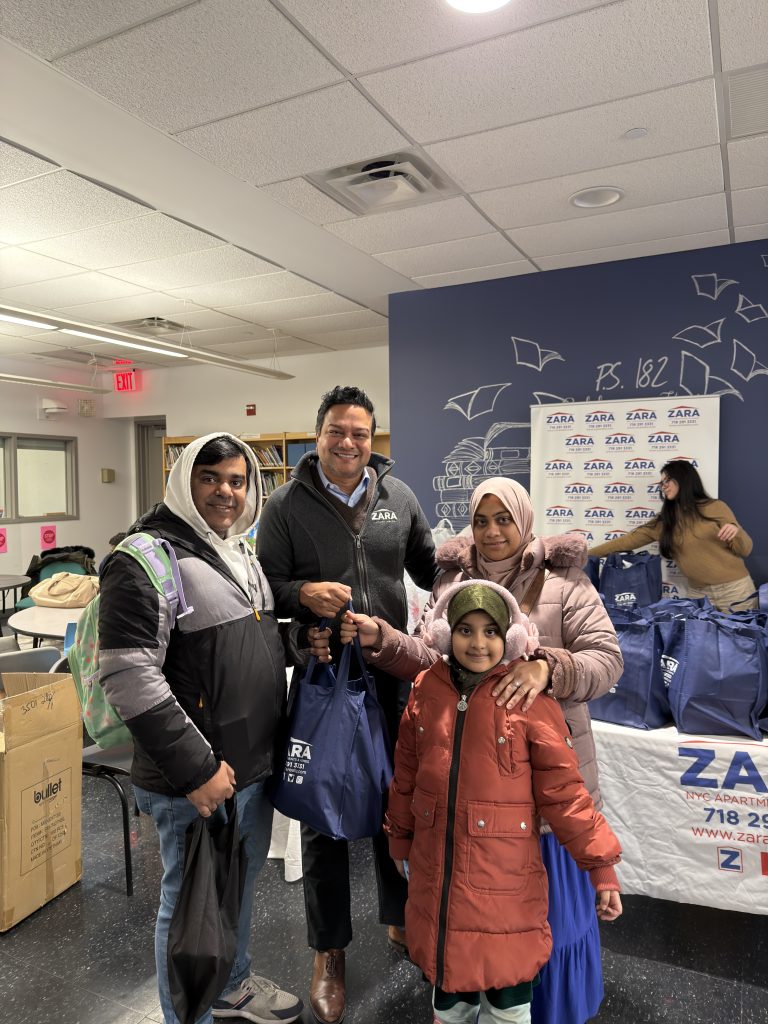
“Today’s grocery reality is a kitchen-table nightmare for too many families,” said Tony Subraj of the ZARA Charitable Foundation. “Prices remain high, budgets are stretched thin, and that’s why we stepped in to make sure fresh, nutritious food is accessible.”

According to the New York State Department of Health, nearly 31 percent of adults in Queens report food insecurity, meaning they worry about having enough money to buy nutritious meals. Nationally, the U.S. Department of Agriculture reports that 13.5 percent of households face similar challenges.

The new pantry at P.S. 182Q is designed to provide private, free monthly groceries to families, helping reduce food-related stress at home so students can focus on learning. The groceries, supplied by Mannan Supermarket, will include items familiar to many local households, such as rice, chickpeas, roti, fresh produce, eggs, and bread.

“When families have consistent access to nutritious food, anxiety decreases and academic achievement improves,” said Simone Clarke-John, senior program director at The Child Center of New York. “This partnership strengthens children and caregivers right at the school community level.”
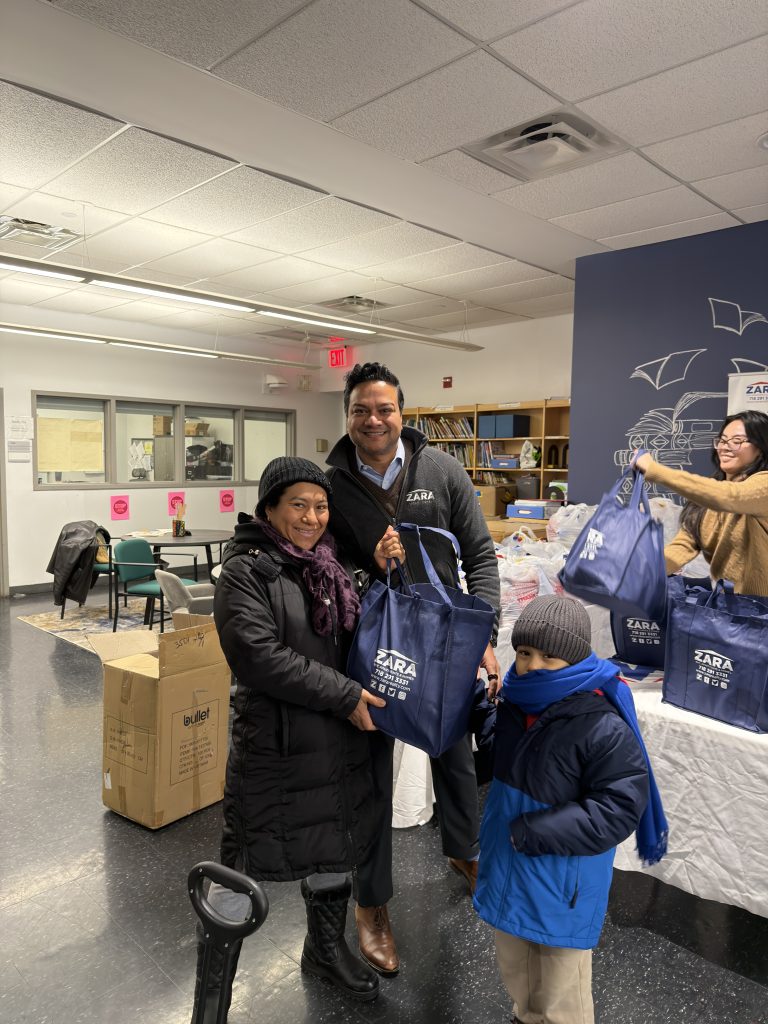
The school-based pantry builds on ZARA’s existing food relief work across New York City. For the past 32 months, the foundation has supported The Gaton Foundation’s Give&Go Project, which provides monthly grocery distributions to approximately 1,300 individuals. Since February 2023, that program has distributed more than 23,600 grocery bags—an estimated 1.05 million meals.

“Families are still getting hit by high prices even with SNAP back,” said Amir Sobhraj of the ZARA Charitable Foundation. “We built a reliable pipeline for real food, delivered with dignity.”

Mannan Supermarket emphasized the importance of culturally appropriate food assistance. “Relief works best when the food fits the family,” said Mahinur Rahman. “Respecting heritage and culture is part of helping hardworking families stay strong.”

With the addition of the P.S. 182Q pantry, ZARA’s monthly food relief efforts are expected to reach approximately 1,550 people by 2026, continuing to grow as community needs evolve.
Riders Fear Queens Bus Transfer Pilot Meant to Prevent Double Fares Might Do the Opposite

Jenna Post

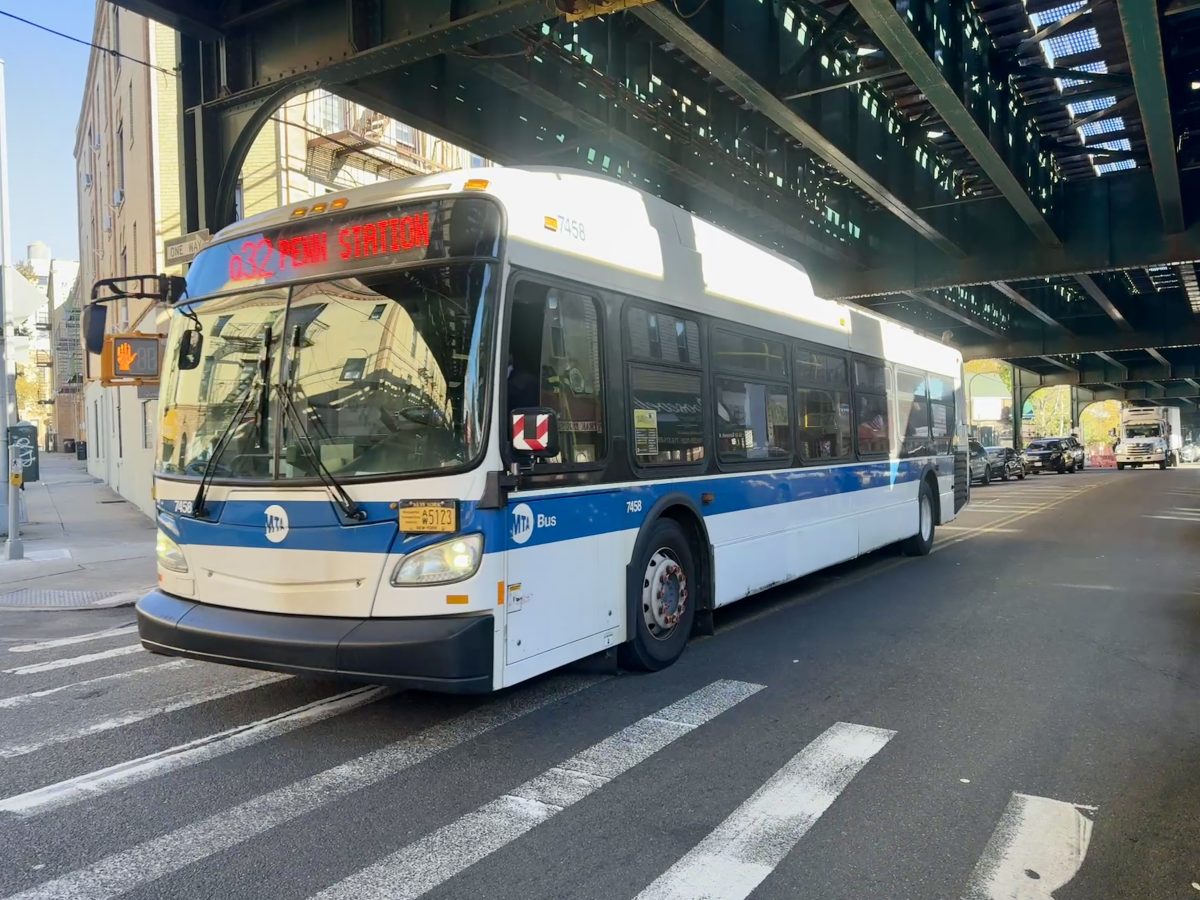
The MTA launched a six-month pilot offering Queens riders a second free bus transfer, but passengers say system errors and poor communication could jeopardize the results and their chance to avoid double fares in the future.

In June, the MTA launched the pilot program, designed to assess ridership patterns and determine where riders need an additional transfer to complete their trip. The pilot was part of the Queens Bus Network Redesign, a multiyear project from the MTA to “modernize the bus networks.”

Before the pilot, all transit riders automatically received one free transfer between services. Now, the MTA is tracking how often and where riders use the second transfer to assess where it is needed.

For Queens, buses are a lifeline, particularly in the south and southeast, which are not served by the subway like the rest of the borough.

“Queens is tied together by this bus network,” said Danny Pearlstein, policy and communications director of Riders Alliance, a grassroots transit advocacy organization.

Before the redesign, there were 22 Queens bus routes that offered the second transfer, known as routes with Special Transfer Privileges.

According to the MTA, it forgoes $2.2 million annually in fare revenue for those transfers. And for the current pilot, it expects comparable rates of lost revenue.

Jack Nierenberg is the vice president of Passengers United, another transit advocacy group. His organization closely monitored Special Transfer Privileges throughout the Queens Bus Redesign process. In the months leading up to the launch, he submitted public comments at nearly every monthly meeting, warning that the plan failed to include measures to prevent riders from paying double fares.

“The MTA promised the riding public in Queens that no one would have to pay an additional fare,” Nierenberg said during public comment at an MTA meeting two months before redesign implementation. Finally, the pilot was added to the redesign, one month before the redesign implementation.

Still, some riders are concerned that this pilot is falling short. On Facebook and Reddit, riders shared confusion and doubts. Many worry that flawed data collection could skew the results, affecting where Special Transfer Privileges are added and potentially leaving them paying double fares in the future.

First, they’re concerned that the pilot is only traceable through OMNY, a system afflicted with technical issues. The Permanent Citizens Advisory Committee to the MTA conducted a survey in July to uncover how the transition to OMNY is going for riders. They found that 74% of users reported encountering issues with OMNY. And of those reporting issues, “31% claimed to have encountered what they perceived to be ‘extra charges.’”

Queens bus riders worry that if OMNY is unreliable in granting transfers, it’s unreliable in counting how and where users actually used the transfer.

“Hundreds have told us about taps not being accepted, transfers not being credited or fair caps not applying as expected,” Betsy Plum, executive director at Riders Alliance said at an MTA meeting this week.

“I think what it’s doing is making people extremely afraid to use OMNY,” said Victor Bugatti, the founder of the Facebook group Express Bus Advocacy Group. He and other riders have compared tales of disputing charges from denied transfers.

“The people are still trying to use the MetroCard precisely because they’re having so many problems with OMNY,” he said. Both the Metrocard and coin payments will expire in the new year. But until then, anyone who does not use OMNY will not be counted in the pilot data.

Finally, riders criticized the scant notice about the pilot. It wasn’t mentioned in the redesign signage at bus stops or pamphlets. And because the MTA presentations to each of the 14 Queens community boards took place before the adoption of the pilot, it is not in any of the circulated slides. Though the pilot did appear in press releases, on the agency’s website and in brief mentions within media coverage, many riders missed the message.

“I don’t think many know about it outside of those that follow public transportation more closely,” says Kevin Lee, a rider.

Nierenberg warns that with spotty data, the MTA could “end up with a solution that does not represent how Queens riders actually commute.”

The pilot will run until January 2026. The MTA has not published a timeline for the implementation of updated Special Transfer Privileges and declined to comment on these riders’ specific concerns. Kara Gurl, planning and advocacy manager at The Permanent Citizens Advisory Committee to the MTA, said that “they don’t anticipate there being any major issues with the data collection for this pilot.”

Fill the Form for Events, Advertisement or Business Listing