
New Year Brings Tap-and-Ride, Fare Enforcement Upgrades
By MOHAMED FARGHALY
mfarghaly@queensledger.com
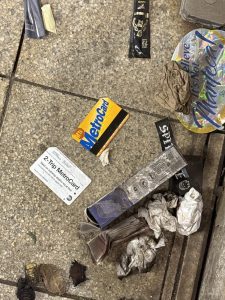
After more than 30 years, New York City’s iconic MetroCard will no longer be sold beginning Jan. 1, 2026, as the Metropolitan Transportation Authority completes its transition to the contactless OMNY payment system. Riders will still be able to use existing MetroCards for travel for a limited period, but all new purchases and reloads will shift to OMNY, a tap-and-go technology designed to streamline fare payment and modernize the city’s transit system.
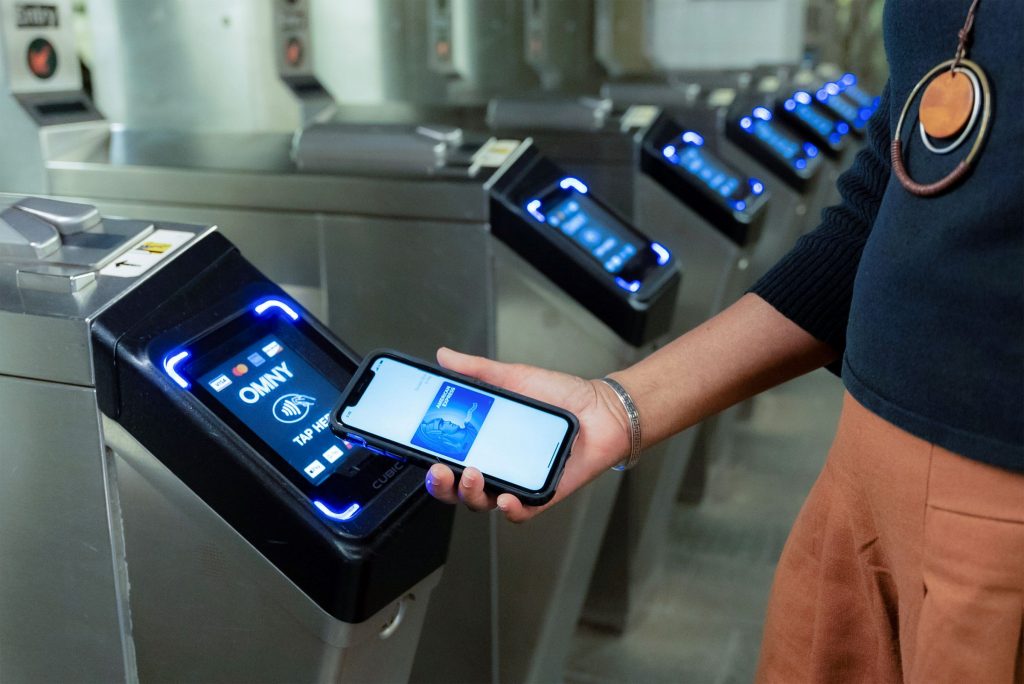
The move reflects a broader effort by the MTA to reduce operational costs, improve convenience, and tackle long-standing challenges like fare evasion. OMNY — which stands for One Metro New York — allows commuters to pay fares directly at subway turnstiles or on buses using smartphones, contactless credit and debit cards, or OMNY-specific cards. The system includes fare-capping, automatically providing free rides once weekly spending thresholds are reached, saving millions of dollars annually for frequent riders.
More than 93% of commuters already use OMNY or tap-and-pay technology, leaving roughly 7% of riders still relying on MetroCards. For those remaining, the MTA is urging an early transition to avoid disruptions. Existing MetroCards will remain valid for travel through 2026, and any remaining balances can be transferred to OMNY cards at Customer Service Centers, Mobile Sales Vans, or designated locations in Lower Manhattan for up to two years after the MetroCard’s expiration.
The transition also targets fare evasion, a persistent problem that cost the agency $918 million last year. Unpaid subway and bus fares totaled 174 million rides, enough to fund 180 new subway cars, 630 new buses, or 36 miles of new train signals. On average, 330 riders jumped subway turnstiles every minute last year, highlighting the scale of the problem.
To combat unpaid fares, the MTA plans to roll out a European-style fare inspection system aboard city buses, replacing NYPD enforcement with civilian fare inspectors. These inspectors will carry handheld devices capable of verifying OMNY, credit card, or mobile payments on the spot, issuing tickets and fines instantly for those who have not paid. The initiative builds on existing EAGLE Teams, which have conducted inspections on Select Bus Service and high-evasion stops, raising compliance by 7% at targeted locations. The new model would make this style of enforcement standard across regular bus service, providing a consistent approach while reducing the need for police involvement.
OMNY’s implementation is also expected to enhance the rider experience in other ways. The MTA plans upgrades that will allow commuters to view balance information and ride history directly at turnstile taps. Additionally, starting in early 2026, some subway lines will see changes aimed at improving travel times. Notably, the F and M lines in Queens will swap routes to provide faster service for local riders.
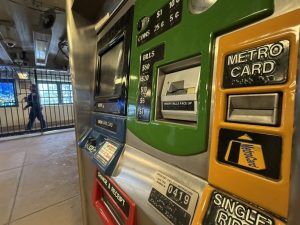
The OMNY system has been gradually rolled out since 2019, and its adoption has accelerated rapidly. By late 2025, vending machines will be available at all 472 subway stations, allowing riders to purchase and reload OMNY cards at stations and retail partner locations across the city. MetroCard sales at retail outlets will end before the close of 2025, and the MTA has emphasized that support will continue for riders transitioning to the new system.
The financial impact of the transition is significant. The agency expects to save at least $20 million annually by eliminating MetroCard production, vending machine maintenance, and cash collection costs. OMNY also opens the door for future enhancements, including potential loyalty programs, promotions, and discounted fares that leverage the digital infrastructure.
The shift to OMNY is designed to increase equity and accessibility across the transit system. Reduced-fare riders, Fair Fares participants, Access-a-Ride users, and students all have access to the tap-and-go system, ensuring that all New Yorkers can benefit from the modernization. Fare-capping and simplified payment methods remove the need for advance purchase of weekly or monthly passes, offering flexibility and convenience to tourists, occasional riders, and daily commuters alike.
While some nostalgic aspects of the MetroCard era will disappear, including limited-edition collectible cards honoring pop culture and sports icons, the transition represents a step toward a fully digital, streamlined, and more efficient transit system. By mid-2026, OMNY is expected to be fully implemented across all subway and bus lines, completing the city’s move to a tap-and-go future.
For New Yorkers, the changes mean an adjustment period, but the MTA has stressed that the process will be gradual and supported. Riders are encouraged to switch to OMNY early, explore fare-capping benefits, and familiarize themselves with new inspection procedures, which prioritize verification and compliance over traditional enforcement. The full transition marks the end of an era for the MetroCard and the beginning of a more modern, technology-driven chapter in New York City transit.