
Queens Cat Rescue Holds Adoption Day
By MOHAMED FARGHALY
mfarghaly@queensledger.com
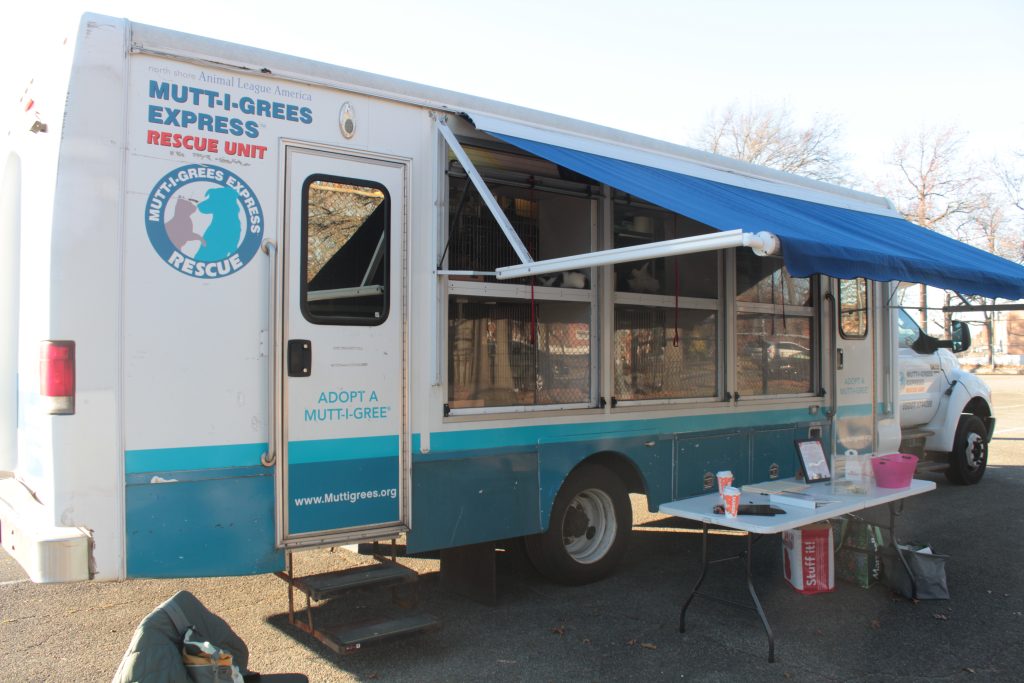
Timber’s Legacy drew families, pet owners and curious passersby to Juniper Valley Park on Nov. 29 for a post-Thanksgiving cat adoption event that doubled as a community outreach effort. The three-hour event, held near the basketball courts on 80th Street, featured the North Shore Animal League’s adoption van and a lineup of rescued cats looking for new homes. For the Middle Village–based organization, the afternoon was an opportunity not only to place animals with adopters but to remind residents just how many cats across the city continue to face neglect, abandonment or time in overcrowded shelters.
The nonprofit was founded in 2012 by Middle Village resident Patricia Fessmann, who named the rescue after her dog Timber. Fessmann said her lifelong commitment to animals grew into a formal organization after Timber died, prompting her to take the rescue work she had always done independently and turn it into something more structured. Timber’s Legacy soon became a 501(c)(3) and a New Hope partner with New York City Animal Care and Control, which allows the rescue to pull cats from the city’s euthanasia list and provide them with foster placement and long-term care.
Fessmann said the need for rescue work became clear years ago, when her own search for a cat led her to the Brooklyn ACC. She remembered being overwhelmed by the number of cats waiting in cages and the sense of how many would be left behind. “It kind of broke my heart,” she said. That moment pushed her deeper into organized rescue work, and it remains a guiding reason behind Timber’s Legacy’s mission to help cats who have already lived through uncertainty.
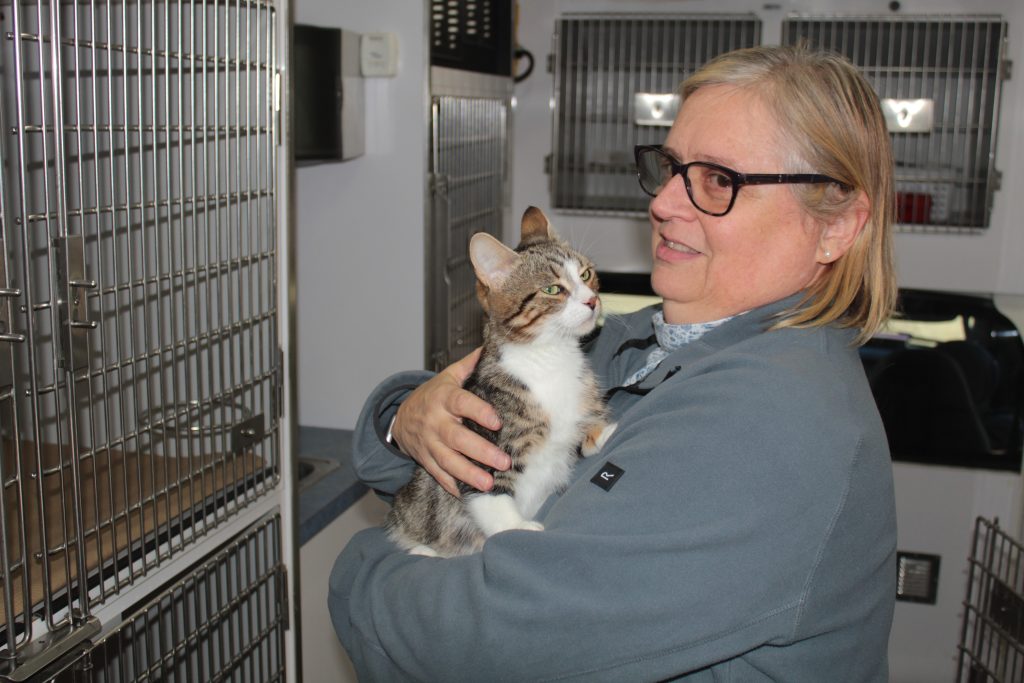
While the group once operated out of an adoption venue at the Stop and Shop mall, it shifted its setup after the location closed two and a half years ago. Timber’s Legacy now partners with North Shore Animal League, which provides access to a mobile adoption van. The shift has allowed the organization to continue holding regular events without a brick-and-mortar shelter. Timber’s Legacy is completely foster-based, and its cats live in private homes until they meet adopters. Fessmann said the organization typically cares for around 20 to 30 cats at a time, although capacity depends entirely on how many fosters are available.
“Fosters are everything,” she said. “All of our cats are kept in home environments until they’re adopted. They’re only in cages when they’re at an event like this.” One current intake is temporarily boarding at the group’s veterinary clinic while a foster home is arranged, but Fessmann noted that the goal is always to get cats into stable home settings as quickly as possible.
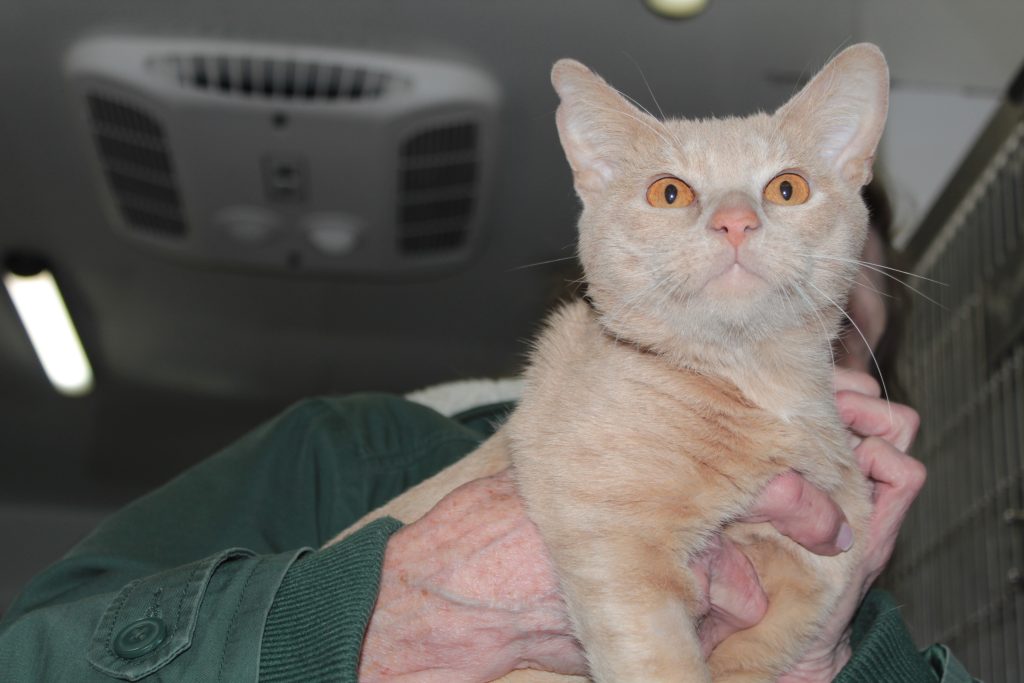
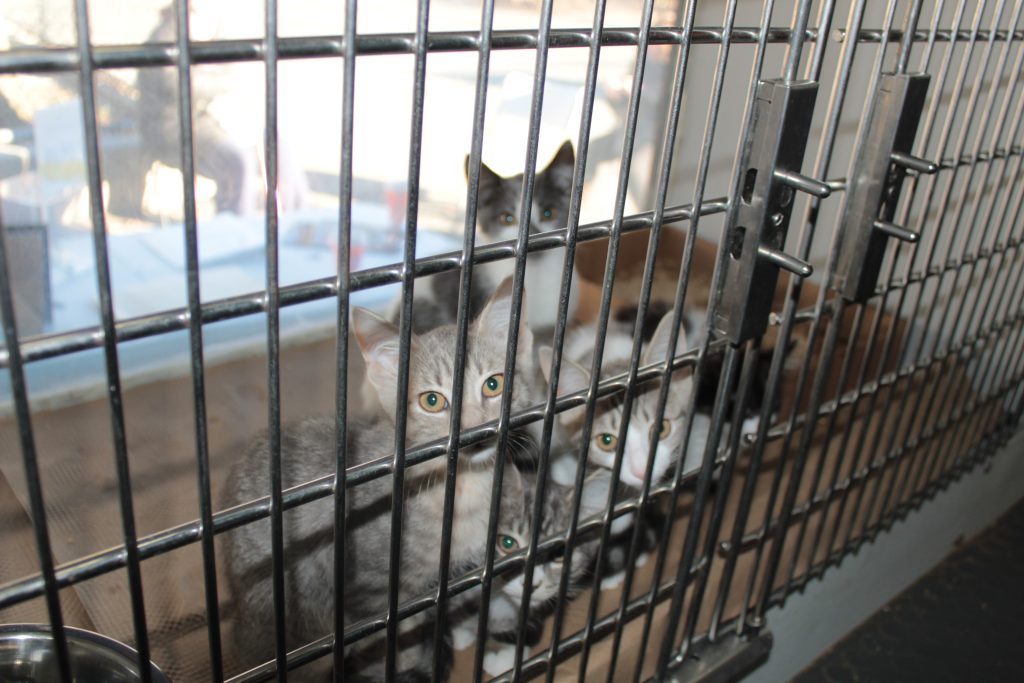
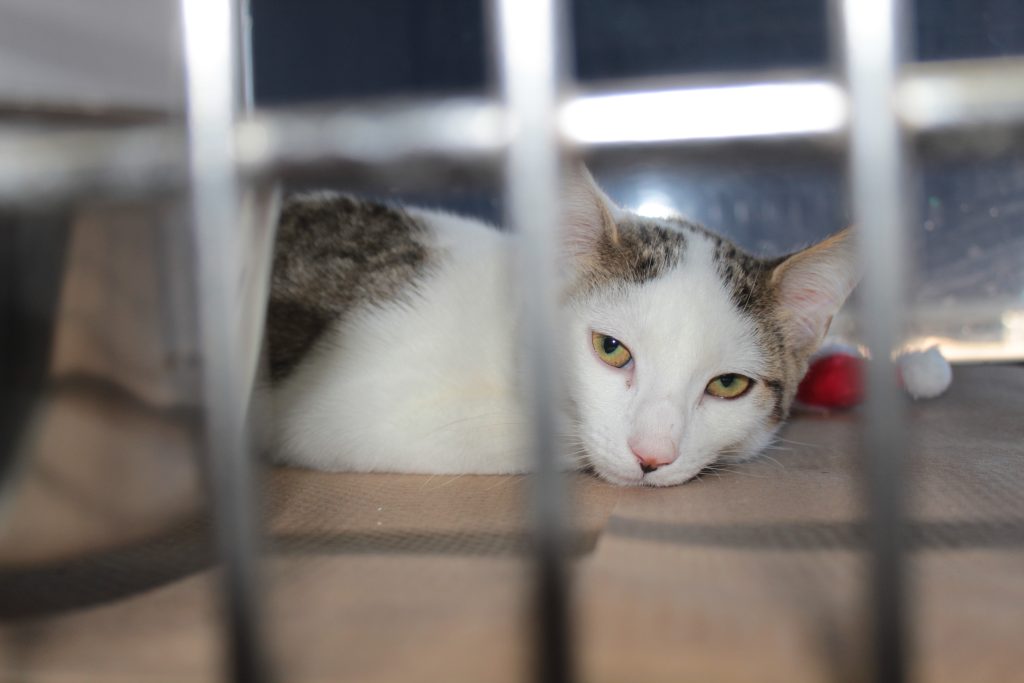
The cats on site at Juniper Valley Park represented a mix of backgrounds, including abandoned house pets, friendly strays and animals who recently came from the city’s euthanasia list. Among them was a mother cat with five young kittens and an older daughter, all of whom were rescued as a family. Fessmann said several visitors expressed interest in adopting, though holiday timing often slows the adoption process. Even so, the turnout was strong for a chilly weekend, providing the kind of visibility that volunteers say is essential to keep the rescue’s work going.
Volunteer Siobhan Bodt, who has fostered and adopted from Timber’s Legacy over several years, said many people underestimate how many cats live outdoors or cycle through the city’s shelter system without getting adopted. “There’s such a great need, and I don’t think people really know how many cats are outside and suffering or are in Animal Care and Control and not getting adopted,” she said. Events like the one at Juniper Valley Park help bridge that gap by bringing the animals directly to the community. Even when someone is not prepared to adopt immediately, she said, those interactions often inspire future volunteers, fosters or donors.
One of the programs the rescue emphasizes is its foster-to-adopt option, designed for people who want to see how a cat fits into their home before making a full commitment. It is especially helpful for households with older pets or families who are unsure how their routines might mesh with a new animal. Fessmann said many adopters appreciate having that flexibility, and plenty of foster families eventually choose to adopt the cats they care for. “Foster fails,” she said with a laugh, noting how often a temporary arrangement turns into something permanent.
Despite community support, Fessmann said the rescue faces several persistent challenges. Access to affordable spay and neuter services has become limited, and appointments for low-cost vaccines or testing are harder to secure than they were in previous years. Funding also remains a constant concern. Timber’s Legacy relies heavily on donations, as the organization covers all medical costs, food and supplies for its foster families. Fessmann credits her veterinary partner, local supporters and the dedication of volunteers for keeping the rescue operational. “I’ve been blessed,” she said. “I’ve been able to do this only because of the community that surrounds me.”
For Timber’s Legacy, Saturday’s event was a reminder that animal rescue requires both hands-on work and continued awareness. With winter approaching and outdoor cat populations at risk, the organization hopes more residents will consider fostering or donating. And for those searching for a new pet, Fessmann said there is always a cat waiting for a home.
More information about Timber’s Legacy, including adoption applications and ways to support the rescue, can be found at www.timberslegacy.org. The group can be reached at info@timberslegacy.org and is active on Facebook at Facebook.com/TimbersLegacyInc.