Remembering Gina Lollobrigida: Memories of a superstar in Queens

By Walter Karling

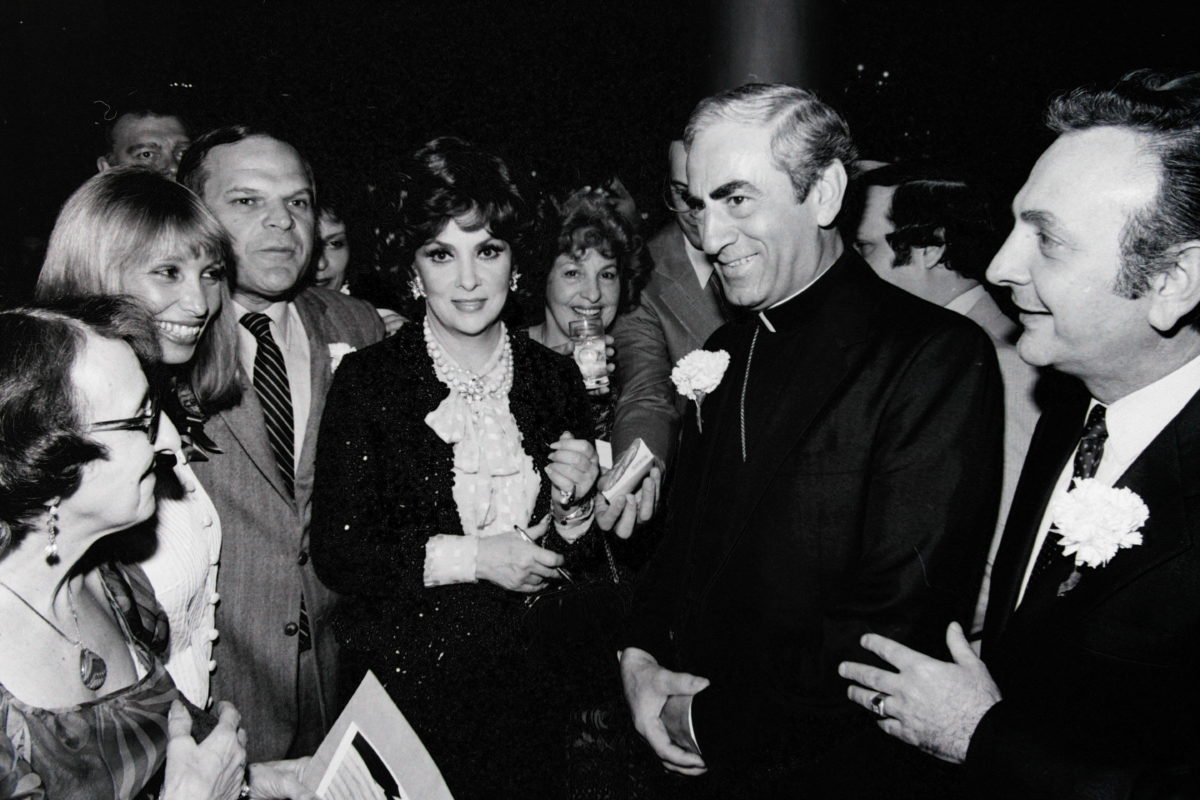
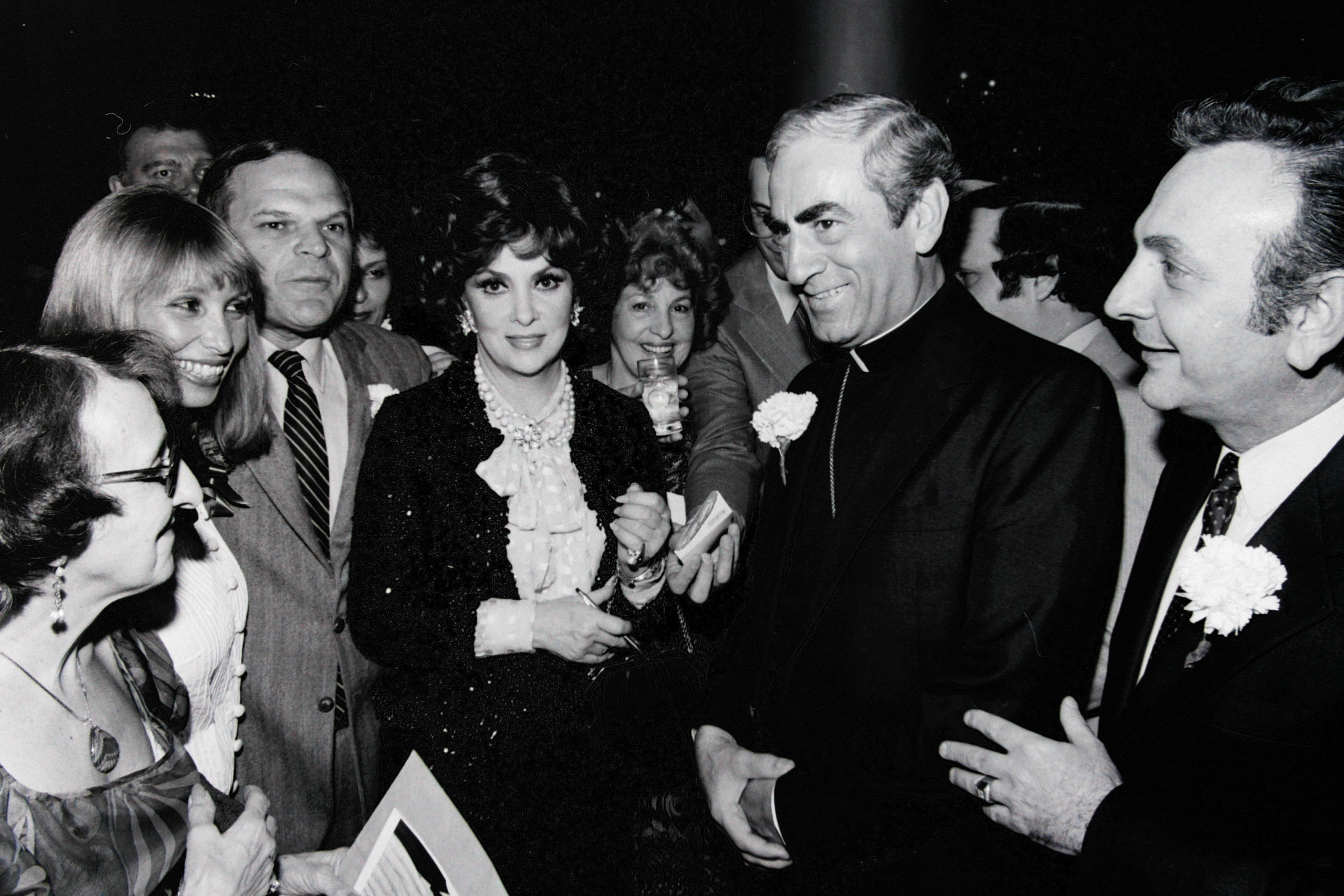
2 unidentified women; Queens Borough President Donald Manes; Gina Lollobrigida; Bishop Anthony Bevilacqua of the Diocese of Brooklyn [He later became a Cardinal]; and Queens District Attorney John Santucci.

As you probably know, the great Italian actress Gina Lollobrigida recently died.

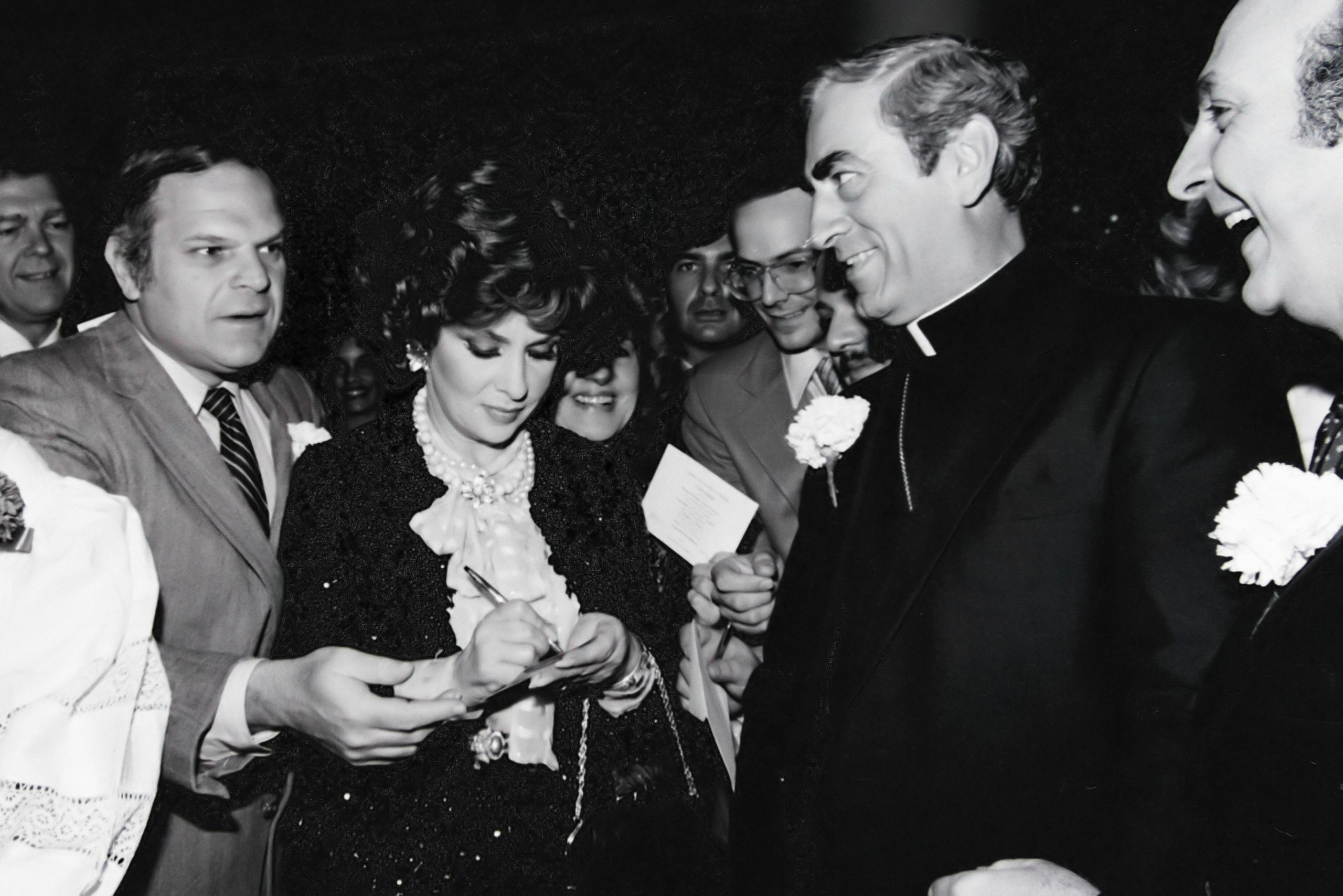
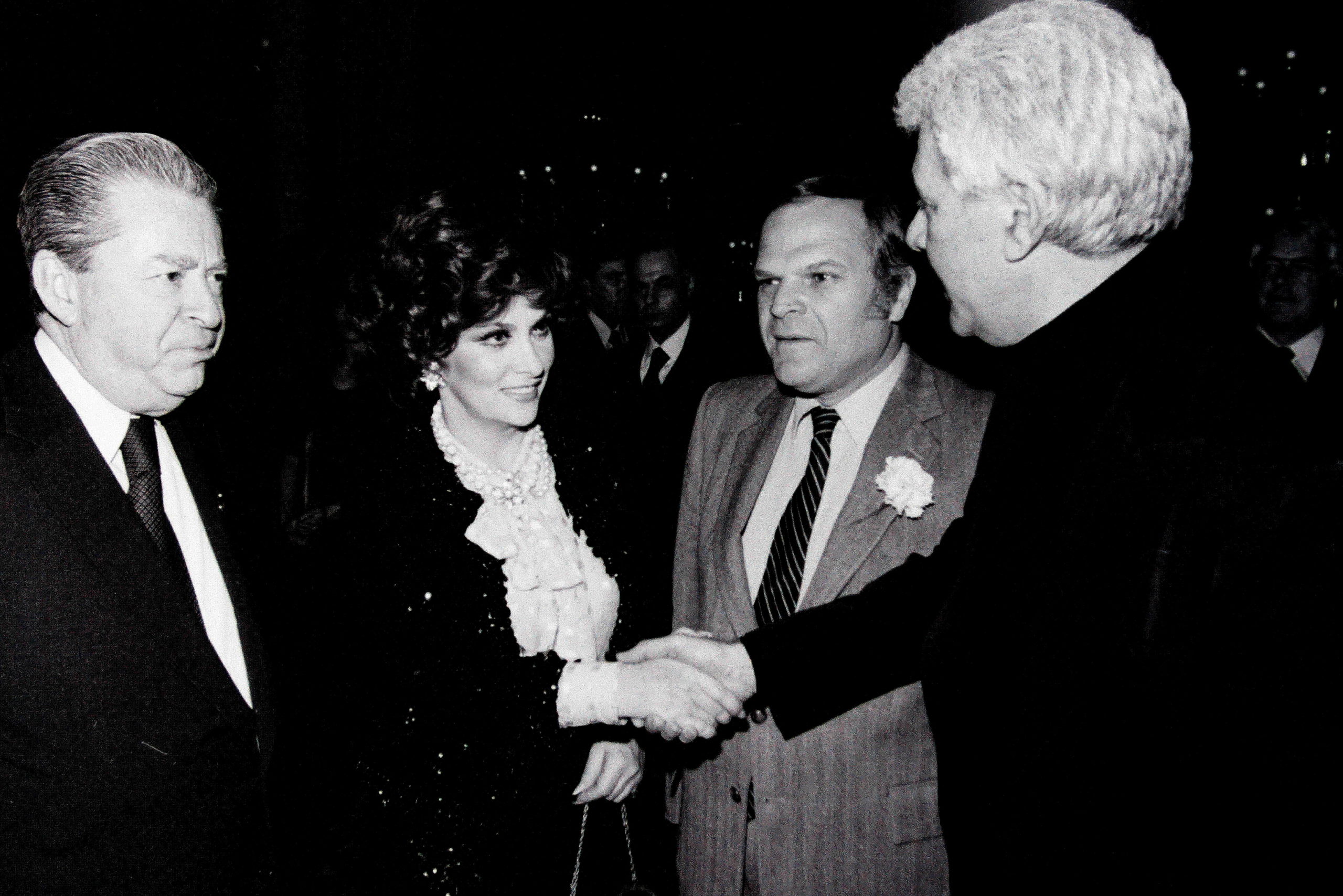
I checked through my archives and found some photos I shot of her at an event entitled “Vita Italia,” which was held 42 years ago on February 26, 1981.   This  took place at the Terrace on the Park.

I remember the late Vincent Iannece, father of now Judge Jerry Iannece, the president of the Federation of Italian-American Organizations of Queens calling me at the last minute about her appearing there.

I have no idea what the event was about but I hustled over anyway and got some photos.  I scanned these from my negatives.

Manes, Lollobrigida, Bevilacqua, Santucci.

Porcelli: The Other Side of Education (1/26)

CTE Shop Class:  NOW – IT’S HIGH-TECH

Don’t be fooled by statistics

By Mike Porcelli

Schools should provide education that matches students’ abilities and talents. Many education experts now agree.

Michael J. Petrilli, leader of the Hoover Institution’s education policy think tank, the Thomas B. Fordham Institute, says: “Those of us in the policy world have gotten it wrong… thinking that high schools’ only job is preparing kids for a four-year liberal arts degree.” 

I’ve seen how this, “college for every student policy,” has destroyed trade education. For decades, students whose abilities and learning styles do not conform with the opinions of school administrators, have been deprived of their best educational opportunities in CTE programs, and subsequently – highly lucrative careers. 

In 1994, President Bill Clinton said, “We are living in a world where what you earn is a function of what you can learn.”

With that in mind, parents who want their children to achieve success, try to guide them toward their best educational options. Unfortunately for many, especially low-income parents with limited education backgrounds themselves, this is an impossible task. They therefore rely on so-called “experts” for advice.

Since I was in grade school, most giving career guidance have spouted statistics showing that college graduates earn much more than non-grads – leading students and parents to believe that the only path to success is a sheepskin. This has led millions to drop out of colleges – with low skills and high levels of debt. 

Here’s how the experts’ figures are misleading. They generally compare the lifetime earnings of all college grads to those with just a high school diploma. These numbers are distorted by the earnings of people at the extreme high and low ends. For example, most professional sports stars making millions each year, and other top-tier professionals, have college degrees. This tends to skew their income distribution toward the higher end of the spectrum. Conversely, unemployed, partially unemployed and part-time workers lower the average income of those without college.

I suggest that a better examination would assess the earnings of the middle 80 percent of the worker population. When comparing median earnings of most college grads to the same segment with a high school education and some sort of trade-certification, the earnings gap all but disappears. 

Although the disparity in earnings of college graduates and those with only a high school education may be great, when compared to high school grads with trade skills certifications, for most of the population, there is no distinguishable difference in incomes. 

Consider this when choosing schools: Recent statistics show median earnings of Ph.D.s in the humanities were $80,000 and the median earnings for all Ph.D.s are generally $104,000. Most skilled trade workers in New York City make much more than that, working in both the public and private sectors – with little or no college debt.

Who’s smarter now?

Academic & Trade Education are Two Sides of a Coin. This column explores the impact of CTE programs on students, society, and the economy.

Mike Porcelli: life-long mechanic, adjunct professor, and host of Autolab Radio, is committed to restoring trade education in schools before it’s too late. https://www.linkedin.com/in/mike-porcelli-master-mechanic-allasecerts/

Are New Yorkers Getting More Divorces Than Other Americans?

Judging by reality television and gossip columns, most people assume that divorce rates have been on a steady trajectory upwards for the past 20 years. But in reality, they’ve been plummeting. So where does New York fall on the scale? Let’s dive in.

Divorce Rates Across America

Over the last decade, both marriage and divorce rates in the United States have declined. In 2009, for every 1,000 women aged 15 and over, 9.7 got a divorce. By 2019, that number had fallen to 7.6. By state and territory, people in the District of Columbia and Maine were least likely to dissolve their marriages. Arkansas, on the other hand, had the most dissolution of marriage cases.

Divorce Rates In New York

Where does New York fall on the divorce rate spectrum? According to the U.S. Census Bureau, New Yorkers have a lower rate of divorce than other states. In 2009, 7.3% of residents pulled the plug on their marriages. By 2019, that percentage had dropped to 6.1. However, we should note that the bureau’s figures only account for people who don’t get re-married in the same year they get divorced.

This trend did not last long as we saw a spike in divorce rates for 2020-2021 and the projections indicate that the rate will increase for the current year to date period.

Finding The Right New York Divorce Lawyer

Divorce is rough. However, it can be a lot easier when you have an experienced local divorce attorney on your side who knows when to be aggressive and when a lighter touch will get you more. Finding lawyers with the requisite experience and proven track records is key.


Contributed With Help From Our Queens Ledger Featured Divorce Attorney: Aronov Esq Contested Divorce Lawyer 98-14 Queens Boulevard Rego Park, NY 11374 (718) 206-2050 https://divorcelawyernys.com/.


SUSAN BARCKOW

Susan Barckow passed away on Tuesday, January 17, 2023 at the age of 74. Beloved Wife of the late Albert Charles Barckow. Loving Mother of Joseph Barckow. Cherished sister of James Held, Peter Held and the late Linda Carman. Also survived by many loving nieces and nephews. In Lieu of Flowers, memorial donations may be made to: Redeeming Grace Baptist Church, 315 McKinley Avenue, Brooklyn, NY 11208. Tel: (917) 725-2297. Funeral Services held at Papavero Funeral Home on Monday, January 23, 2023 at 10AM. Interment followed at Mount Olivet Cemetery, Maspeth NY under the direction of Papavero Funeral Home 72-27 Grand Avenue, Maspeth NY 11378.

MARY GRASSO

Mary Grasso passed away on Thursday, January 19, 2023 at the age of 98. Beloved Wife of the late Angelo Grasso. Loving Mother of Cono M. Grasso, MD and Rosemary Kruh. Cherished Grandmother of Angelo, Nicole, Jonathan and Matthew and Great-Grandmother of Devon, Zoe, Elan and Adelina. In Lieu of Flowers, memorial donations may be made to Jamaica Hospital Dept of Ophthalmology or Maspeth Town Hall. Mass of Christian Burial offered at St. Adalbert’s Church on Monday, January 23, 2023 10:00 AM. Interment followed at St. John Cemetery, Middle Village, NY under the direction of papavero Funeral Home, 72-27 Grand Avenue, Maspeth NY 11378.

ROSEANNE TAMULINAS

Roseanne Tamulinas passed away on Monday, January 9, 2023 at the age of 78. Beloved Wife of Anthony Tamulinas. Loving Mother of T.J. Tamulinas and Lisa McManus. Cherished Grandmother of Amanda, Tyler, Dillon and Justin. Dear sister of Sandra Wray and Frank Aquilone. Also survived by many loving nieces, nephews, cousins and friends. Private Cremation held at Fresh Pond Crematory, Middle Village, NY. Mass of Christian Burial offered at St. Adalbert’s Church on Friday, January 20, 2023 at 11 AM under the direction of Papavero Funeral Home, 72-27 Grand Avenue, Maspeth NY 11378.

Botox vs Juvéderm vs Restylane, Oh My! Which Injection Is Right For You?

When referring to cosmetic injections, a lot of people call everything Botox, the way they call all adhesive bandages “Band-aids.” It’s just simpler that way. But just like Band-aid is only one brand of bandage, Botox is a specific brand name injectable—there are loads to choose from: Juvéderm, Restylane, Radiesse, Sculptra, Dysport, Voluma, etc…

Overwhelmed yet? We feel you. There’s a good reason for having so many choices—it means we can fine-tune your treatment to get amazing results that look natural and last an optimal amount of time. That said, we think it’s important to know what you’re getting with each option. Here’s the lowdown on today’s FDA approved product lineup from our injectables team.

First of all, let’s review the basics. You’ve got your neurotoxins, and you’ve got your fillers. Injectables can either be medications called “neurotoxins” that cause facial muscles to relax, or fillers, which are substances that sit under your skin to restore volume, smooth wrinkles, or enhance a feature.

Botox & Dysport Are Neurotoxins

Botox® Cosmetic and Dysport® are both neurotoxins that prevent “expression lines” from being so severe. Each of these products contains a very similar form of botulinum toxin A. When injected into specific facial muscles, this toxin temporarily keeps the muscle from contracting, so you quit unconsciously scrunching, squinting or frowning.

Botox and Dysport are both great choices for treating:

  • Frown lines, crow’s feet, and brow furrows
  • Chin cobblestoning
  • Downturned corners of the mouth
  • Other wrinkles or signs of aging that are caused by habitual muscle contractions

Choosing Between Botox vs. Dysport

If these neurotoxins are made from the same stuff and do the same thing, how do you know which to choose? A lot comes down to personal preference. We’ve put together a great rundown of Botox vs. Dysport here, but here’s the gist: Dysport has fewer ‘buffer’ particles around the active toxin, so it works a little faster and spreads a little more easily than  Botox. On the other hand,  Botox can be better for treating very small areas, and some people just like their results better with Botox over Dysport (and vice versa).

Now For Your Fillers: Radiesse, Sculptra, Restylane Products And All The Juvéderms

Fillers add structure and volume to the skin. Different products are made with different ingredients (or different formulations of the main ingredient), which affect their consistency, durability, and longevity.

Hyaluronic Acid Fillers: Juvéderm And Restylane Products

The Juvéderm® family (including all the “VOL-somethings”) and the Restylane® family of products (Lyft, Silk, etc.) are your hyaluronic acid (HA) fillers. Hyaluronic acid is a skin-hydrating sugar molecule that’s found in your skin already, so these fillers make a great option for patients who prefer a more natural product. Other benefits of HA fillers:

They have a smooth, gel-like consistency that feels natural under the skin

The effects are reversible with injections of an HA-eating enzyme called hyaluronidase

Each HA product has a unique consistency, and therefore a unique purpose, depending on the size of the hyaluronic acid molecules and how they are “cross-linked,” or bonded together.

Juvéderm Voluma & Restylane Lyft are the thickest, longest lasting HA fillers and are ideal for cheek enhancement. Juvéderm Vollure & Restylane Defyne are moderately thick and excellent for smoothing deeper nasolabial folds for a up to one year or more

Juvéderm XC, Restylane, & Restylane Refyne are moderately thin gels that can smooth nasolabial folds, laugh lines, and parentheses. (Refyne is a tiny bit thicker than the other two, so it can be injected a little deeper.)

Juvéderm Volbella & Restylane Silk are thinner fillers that are great for smoothing vertical lip lines and subtle lip enhancement

Still Not Sure Which Injectable Is Good For You? Enlist A Pro’s Help

While it’s good to know the difference between Botox injections and fillers, you don’t really need to know ahead of time which specific products and formulas will give you the best results—that’s where an experienced, qualified injectables provider comes into play. For injectables advice you can trust and results you’ll love—come visit us today! Our registered nurse injector is highly experienced in all of the above injectables, and she can help you choose the best products for your needs during a personal consultation.


Contributed With Help From Our Queens Ledger Featured Botox Doctor & Medical Spa: Dr V’s Queens Botox, IV Therapy, Acne Scars, Emsculpt & Hydrafacial Med-Spa 106-15 Queens Blvd # B15, Queens, NY 11375 (917) 789-6963 https://www.mymdspa.com/.

Museum of Broadway comes to Times Square

By Stephanie Meditz

news@queensledger.com
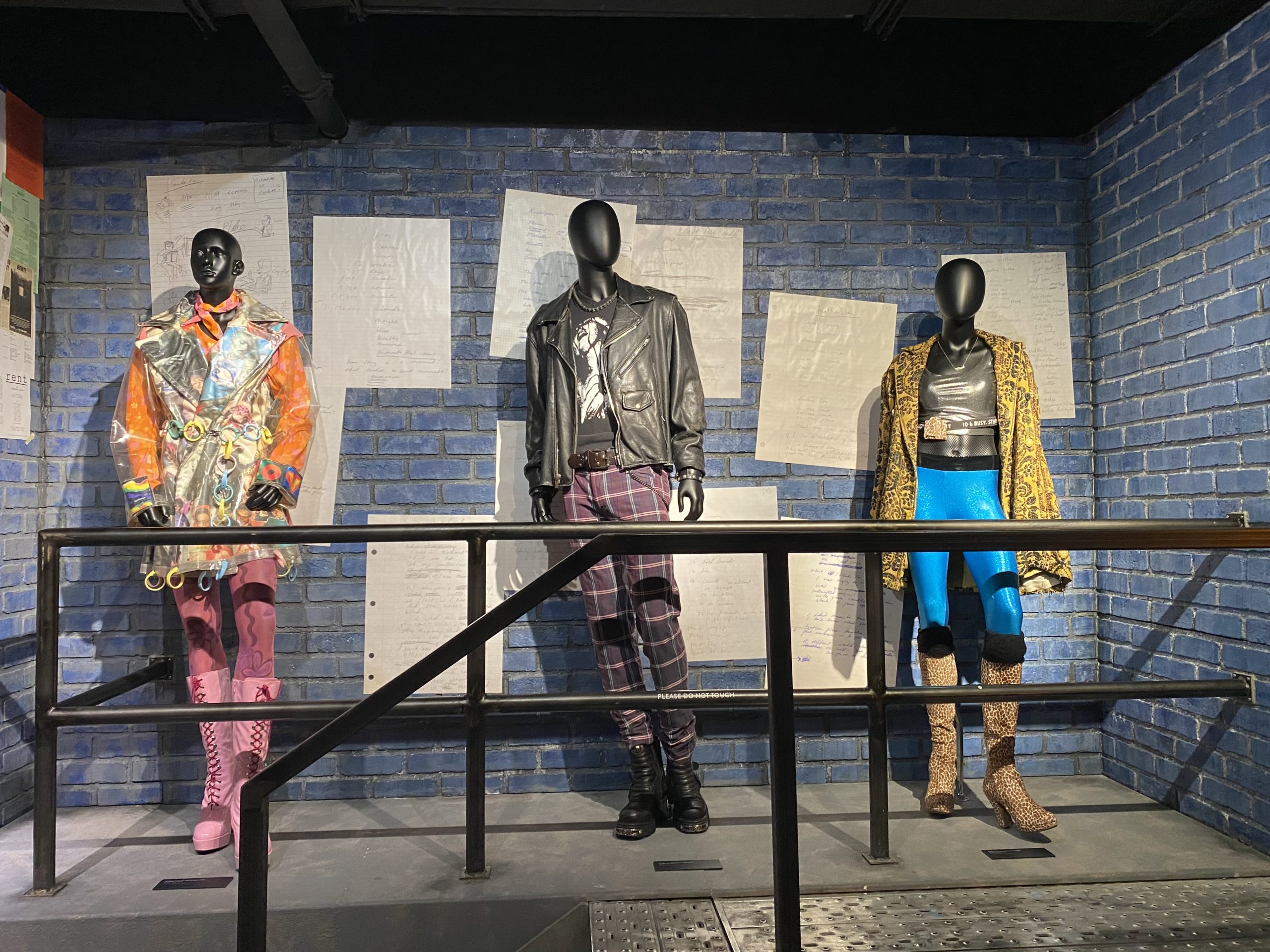
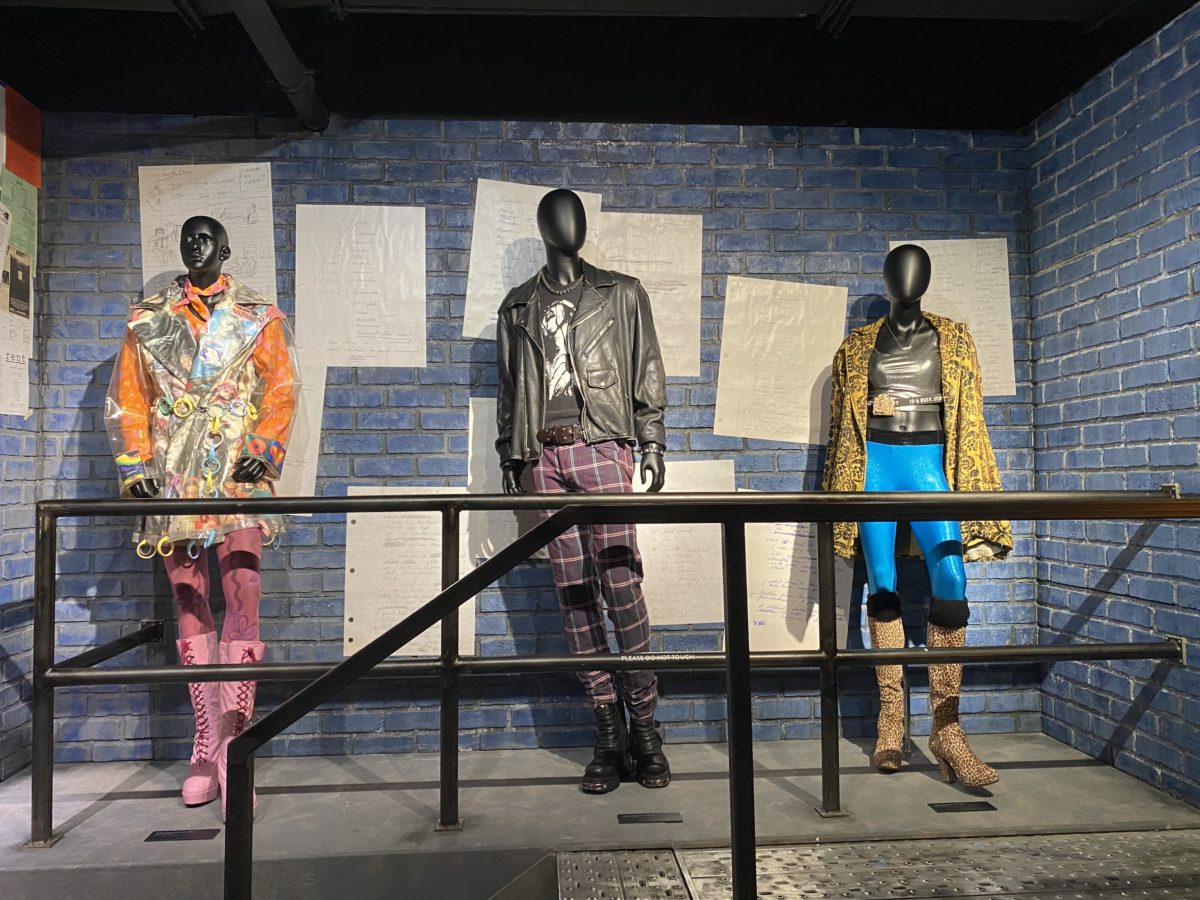
“Rent” memorabilia included costumes for Angel Dumott Schunard, Roger Davis and Mimi Marquez.

After Broadway’s longest-ever hiatus for the COVID-19 pandemic, the Museum of Broadway permanently opened its curtains on Nov. 15 to remind NYC of the joy of live theater. 

Located in Times Square in the midst of the landmark theaters it features, the Museum of Broadway allows visitors to explore a visual, interactive timeline of Broadway that spans three floors. 

The Museum was founded by Julie Boardman and Diane Nicoletti, and it traces the origins of live theater in NYC, along with iconic productions’ historical contexts and influences on both later shows and society at large. 

The first room is a hall of Playbills that features all currently running Broadway shows, followed by a brief film tracing the history of Broadway. 

It features props from some of the earliest performances in the 18th and 19th centuries, followed by Florenz Ziegfeld Jr.’s infamous “Follies” that solidified the revue as the defining style of the early 20th century. 

Classic Broadway shows with recent revivals such as “Oklahoma!”and “West Side Story” also originated in the 20th century. 

“Oklahoma!”, a collaboration by the iconic duo of Queens composer Richard Rodgers and librettist Oscar Hammerstein II, opened on Broadway in the midst of World War II and became a household name because of the escape from reality it allowed audiences. 

Other landmark Rodgers & Hammerstein musicals include “The Sound of Music,” “Carousel,” “The King and I” and “Show Boat.” Like each show-specific room in the Museum, the “Oklahoma!” exhibit captures the show’s essence and Wild West aesthetic with rows of corn across the floor. 

The “West Side Story” room resembles an Upper West Side store in the ‘50s, complete with a “dance along” screen featuring Jerome Robbins’ choreography to the iconic tracks “America” and “Cool.” 

The room dedicated to Andrew Lloyd Webber’s “The Phantom of the Opera” features a costume worn by Michael Crawford, who originated the titular role. 

Broadway’s longest-running musical, “The Phantom of the Opera opened on Broadway in 1988 and will close on April 16 of this year.

The show boasts a whopping 13,907 Broadway performances, which the Museum commemorates with a crystal to represent each one. 

From a certain angle, the crystals form the shape of the Phantom’s signature mask. 

The Museum designates one crystal for each performance of “The Phantom of the Opera,” and the crystals form the shape of the Phantom’s mask.

Other iconic artifacts include the glittery red dress worn by Ozone Park native Bernadette Peters in the 2017 revival of “Hello, Dolly!” and the matching headpiece worn by Peters, Bette Midler and Donna Murphy. 
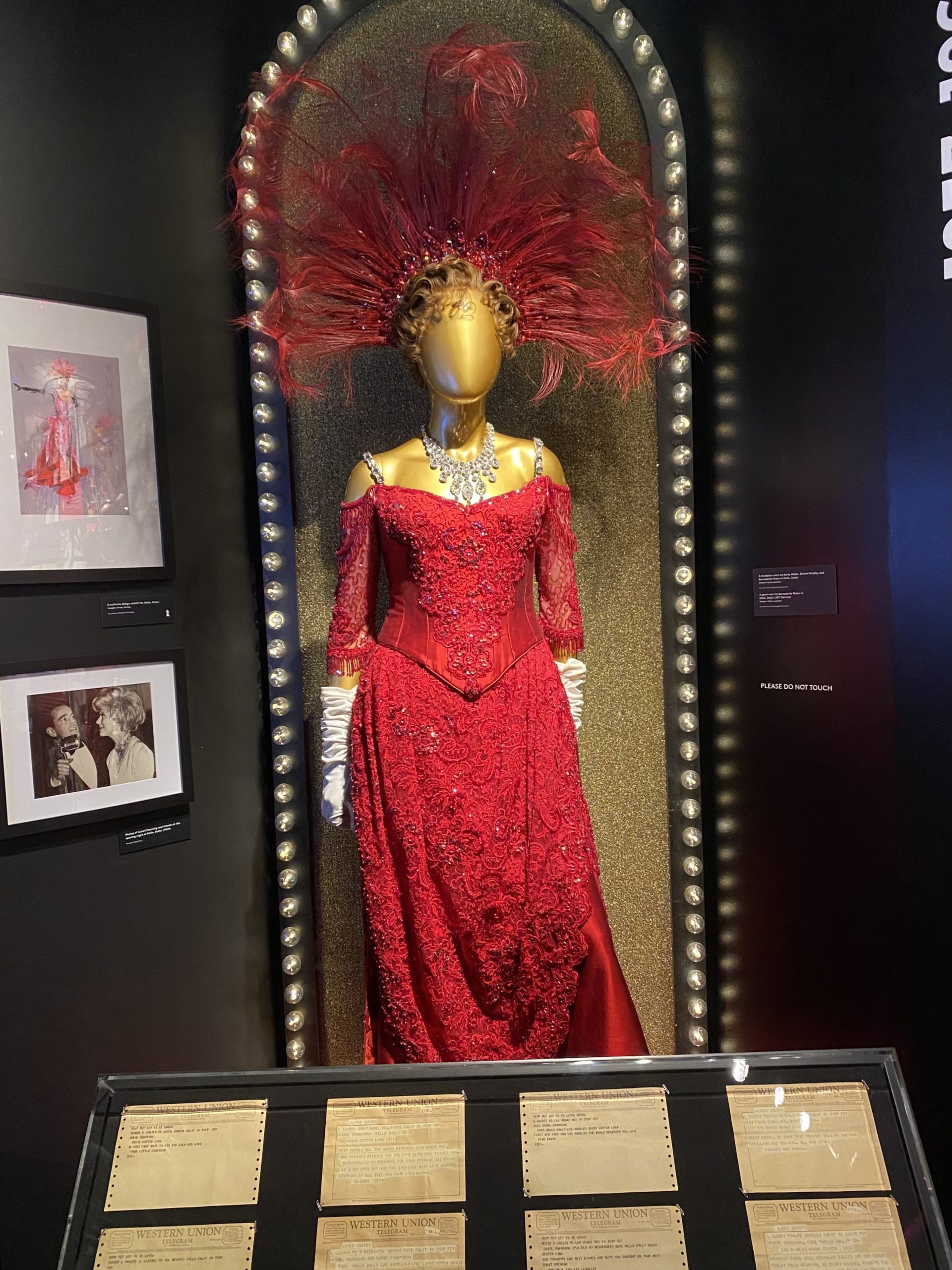
Among the artifacts in the museum is the iconic dress and headpiece worn by Ozone Park’s Bernadette Peters in the 2017 revival of “Hello, Dolly!”

In addition to the glitz and glamor of Broadway sets and costumes, the museum does not shy away from the tragedies in Broadway’s history. 

The AIDS epidemic in the ‘80s and early ‘90s had a drastic impact on copious Broadway actors, many of whom died from the disease. 

The museum honors the lives lost with their names on the walls in a room dedicated to Broadway Cares/Equity Fights AIDS (BCEFA), an organization dedicated to providing medical assistance to individuals affected by HIV/AIDS.

Courtesy of BCEFA, it displays the AIDS memorial quilt, a symbol of unity despite differences that bears renowned Broadway productions’ titles or identifying symbols, including “Company” and “Cats.”

The Museum provides ample unique photo ops, including a ‘70s-inspired swing as a nod to “Hair” and an Instagram filter inspired by Disney’s “The Lion King.”

In this same spirit of modernity, current or recently closed productions like “Hamilton” and “Dear Evan Hansen” receive recognition with memorabilia in the Museum. 

The polo shirt and cast worn by Sam Primack during the final performance of “Dear Evan Hansen” keep the show and its message alive, reminding visitors that they are not alone. 

With music by Cyndi Lauper, who grew up in Ozone Park and attended Richmond Hill High School, “Kinky Boots” brought love, acceptance and self-expression to Broadway for six years until its closure in 2019. 
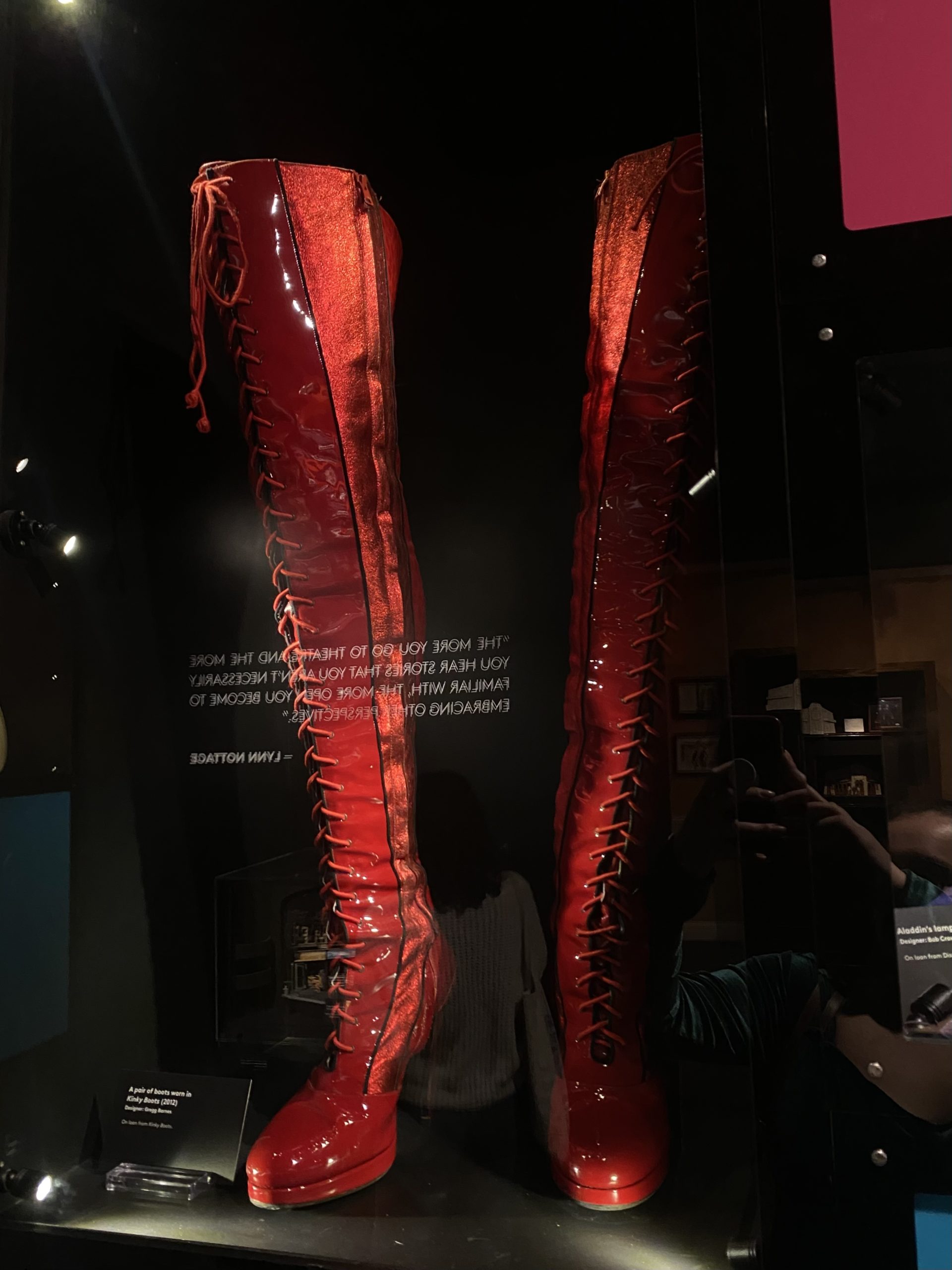
The famous boots from “Kinky Boots.”

However, Lola’s glittery red thigh-high boots live on in the Museum. 

The Museum also displays boots worn by Lin-Manuel Miranda in the titular role of his hip-hop Broadway sensation “Hamilton,” as well as Eliza Schuyler’s trademark blue dress. 
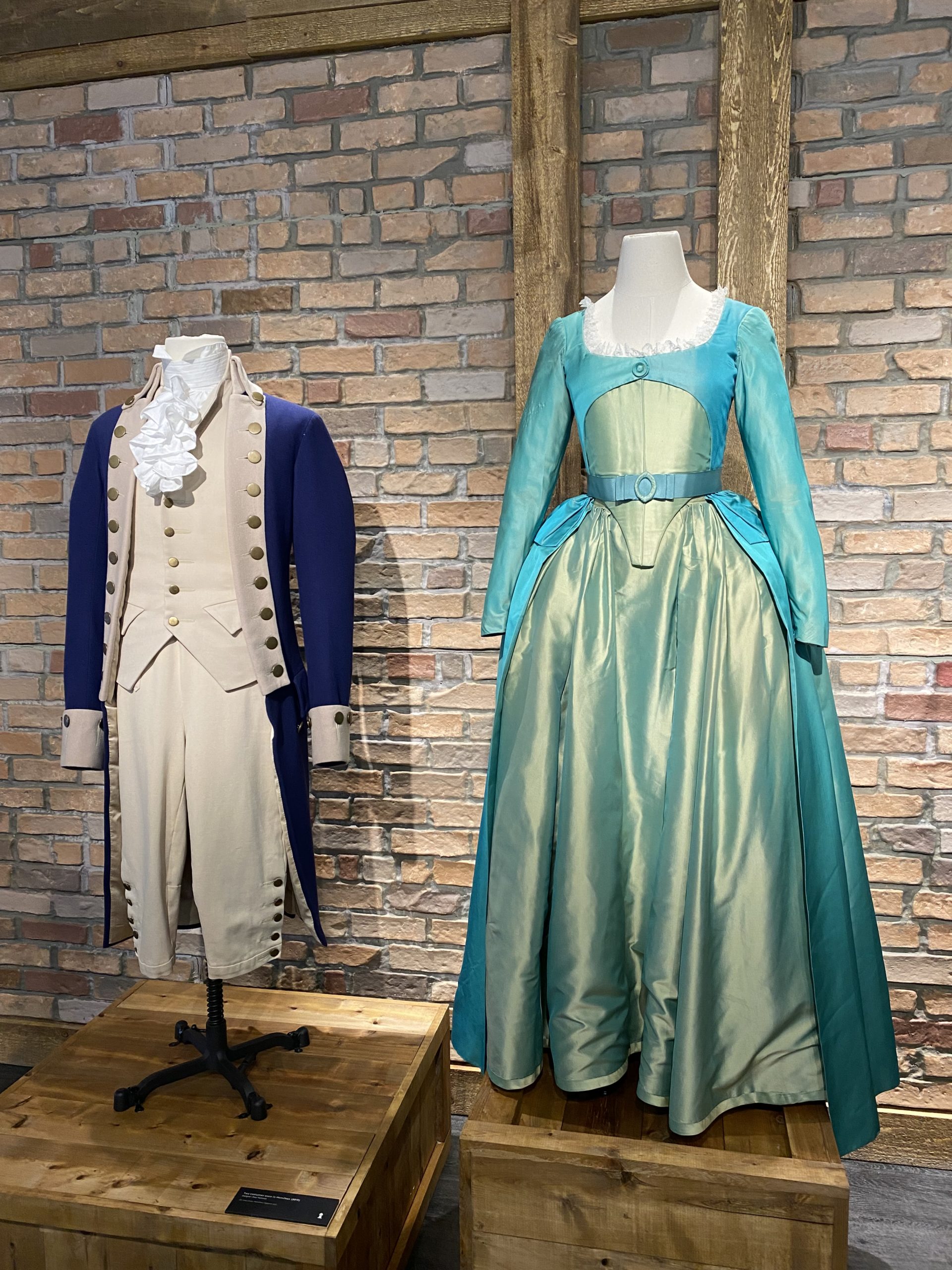
Lin-Manuel Miranda’s “Hamilton” tells the story of America’s founding with a diverse cast to represent America’s population.

Although it opened in 2015, “Hamilton” still makes theater buffs long to be in the room where it happens at the Richard Rodgers Theatre because of its interpretation of America’s past through the lens of the present. 

At the 70th Tony Awards in 2016, the show won 11 out of its 16 nominations. 

Miranda won Best Original Score, and Best Lead Actor in a Musical went to Queens native Leslie Odom Jr. for his portrayal of Aaron Burr. 

In addition to onstage action, the museum dedicates an entire floor to the often overlooked superheroes of Broadway, namely stagehands, producers, general managers, agents, makeup artists, costume designers and many others. 

With its dim lighting and real equipment, this floor simulates the feeling of being backstage at a real show.

Designed by David Rockwell and presented by https://www.broadway.com,  it details the roles of the many people besides actors who bring a show to the stage. 

The Museum also reserves space for rotating special exhibits, which is currently occupied by curator David Leopold’s “The American Theatre as seen by Hirschfeld.”

Broadway veterans such as Anthony Rapp, the original Mark Cohen in “Rent,” and Andrea McArdle, who originated the titular role in “Annie,” have recently visited the Museum. 

Tickets are available from $39 at https://www.themuseumofbroadway.com/tickets#/

The Museum will donate a portion of each ticket sale to Broadway Cares/Equity Fights AIDS.

Porcelli: The Other Side of Education (1/19)

CTE Shop Class:  NOW – IT’S HIGH-TECH

Activating students’ futures

By Mike Porcelli

After decades of advocating for expanding student career opportunities, and training programs matched to their abilities and interests – both academic and vocational – I am pleased to see schools moving in that direction.

Last week, I received an invitation to an online DOE professional conference titled: “Activate Students’ Futures.”

That was the theme of my message last week, “Student success is the mission;” activating students’ futures is about preparing them for that success.

With that in mind, the mission of the Department of Education and Chancellor David Banks is to “ensure that all students graduate from high school with a strong plan, real skills and a head start towards a life aligned to their passion and purpose with a pathway to economic security.” Their vision is “for all students to be prepared with a rigorous academic foundation, real world work experience, important professional skills, a strong college and career plan and early college credits or industry credentials.”

We could not ask for any higher objectives from our schools. That’s exactly what I have been preaching for decades. Finally, the Department of Education is singing our song.

Hopefully, this end-of-the-month conference will counteract decades of misinformation about trade education and enlighten school leaders on the advantages of CTE programs for many students. Many more students then have had access to such career training, leading to every student obtaining maximum benefit from their education.

Schools providing such educational opportunities is only half of what’s necessary for student success. Students and parents must also seek out and enroll in those programs that will maximize their chances for success.

To achieve their goal of providing the right kind of training for students, the DOE has committed to building an ecosystem that supports career pathways for them. Toward that end, one year ago, Jade Grieve was appointed “Chief of Student Pathways.” Her mandate is to build an ecosystem that ensures all students have access to career pathways in high school, leading them to graduate with a “strong plan and a headstart on a pathway to the middle class.”

The Student Futures Conference is part of that effort to put every high school graduate on the road to success. This should be the goal of every education system – always.

I hope every member of the DOE attends this conference. I would even suggest attendance be mandatory, or at least, viewing a recording should be required.

For their part, to prepare for high school program selection, students and parents should view these DOE links: https://www.schools.nyc.gov/school-life/activate-your-futurehttps://cte.nyc/web/welcomehttps://cte.nyc/web/ 

For maximum future success for our city, let’s insist that all school personnel attend the conference, and encourage all students and their parents to visit the links above as soon as possible.

Here’s to the best academic and CTE programs for every student, leading to successful futures for all.

Academic & Trade Education are Two Sides of a Coin. This column explores the impact of CTE programs on students, society, and the economy.

Mike Porcelli: life-long mechanic, adjunct professor, and host of Autolab Radio, is committed to restoring trade education in schools before it’s too late. https://www.linkedin.com/in/mike-porcelli-master-mechanic-allasecerts/ 

Ask A Queens Pediatrician! Is It COVID-19, The Flu Or Just A Cold?

A cough.

A sneeze.

A stuffy nose.

A tickle in their throat.

Most years, your child experiencing any of these minor symptoms of illness wouldn’t be a huge cause for concern. You may have chalked them up to run-of-the-mill cold or flu, leading to an earlier bedtime, extra fluids, or medication.

Now, as a result of the COVID-19 pandemic, hearing a cough in the other room may stop you in your tracks — and rightfully so. Even though nearly 80% of Americans have received at least one dose of the COVID-19 vaccine, and children ages 6 months and older are eligible for the vaccine, COVID-19 is not over.

Kids who are not fully vaccinated and boosted against the virus still run the risk of catching — and spreading — the virus. And while most people who get COVID-19 are unvaccinated, no vaccine is 100% effective. This means that even those who are fully vaccinated can still become sick with COVID-19.

As we head into flu season, the prime time of year for the common cold, and ongoing COVID-19 concerns, it can be helpful to know the difference among these illnesses with the help of information we retrieved from a local Queens Pediatrician.

Cold, Flu, And COVID-19: Similar Symptoms — With Some Important Differences

Though colds, influenza, and COVID-19 are all caused by different viruses, they all infect the respiratory tract. This is the part of the body that goes through the nose, down the mouth and throat, and into the lungs. Because of this, these illnesses share many symptoms — but there are a few key differences among them.

The common cold tends to be fairly mild. Fevers and headaches are rare, chills are uncommon, and coughing usually remains mild to moderate.

On the other hand, the flu and COVID-19 can be a little more tricky to differentiate. Both range from no symptoms at all (called being asymptomatic) to severe symptoms. However, one primary difference between the two is that COVID-19 can lead to changes in or loss of taste or smell. That means if your child suddenly complains about not being able to taste their favorite meal, this — alongside other symptoms — might be a sign of COVID-19.


The Timing Of Symptoms Matters

While the symptoms themselves may overlap a bit, the timing of those symptoms may help you determine what illness your child has. This is called the incubation period — or how long it takes symptoms to appear after exposure.

Though incubation periods can vary, they are roughly:

  • 24 to 72 hours for a cold
  • 1 to 4 days for influenza
  • 2 to 14 days for COVID-19, with an average of 5 days

When possible, try to monitor who your child interacts with — and when. By identifying the most recent time your child may have been exposed, you may be able to use that information to help determine which illness your child is experiencing.


Contributed With Help From:

Healthy Kids Pediatrics Fresh Meadows 69-27 164th street Fresh Meadows, NY 11365 (718) 261-3222 https://www.healthykidsqueens.com/. A Queens Ledger Featured Pediatrician.

Fill the Form for Events, Advertisement or Business Listing